UINSUNAUINSUNA
Genderang Asa: Journal of Primary EducationGenderang Asa: Journal of Primary EducationThis study seeks to analyze the role of teachers in the values transfer. The Quran has verses of especial importance now. Surah Yasin verses 77-83 are relevant for shaping students Islamic character based on monotheism (tauhid), faith in Allah, belief in the Day of Resurrection, as in the role of the Creator. This research uses library research using a qualitative method. The findings indicate that verses 77 to 83 within Surah Yasin do indicate relevant educational content, values, awareness of Allahs signs, like fortifying faith (tauhid), belief in the Day of Resurrection, and on moral, the importance of power and spiritual responsibility. To integrate these values into learning, teachers can tactically play a role using group methods like learning through tadabbur, project-based learning, contextual approaches, along with discussions. However, the limited ability of teachers represents the main challenge. Deeply analyzing Quranic training remains important for improving teacher competence in conveying all the values of Surah Yasin verses 77-83 effectively. These values can foster student development, a productive attitude, and a strong Islamic character, viewing every task as an act of worship. This study recommends developing the competencies of teachers through holistic training so that they are able to create meaningfully Quran-based learning that is relevant.
The study concludes that Surah Yasin verses 77-83 contain essential educational values, including faith in Allah, recognition of His power, and awareness of the afterlife.Teachers play a crucial role in instilling these values by integrating spiritual insights into daily instruction and modeling ethical conduct.Through this approach, educators can develop students who excel academically, uphold strong moral character, and possess a solid spiritual foundation.
Further research could explore the development of specific training modules for teachers focused on interpreting and applying Surah Yasin verses 77-83 in diverse classroom settings. Additionally, a comparative study examining the effectiveness of different pedagogical approaches—such as tadabbur, project-based learning, and contextual teaching—in fostering students understanding and internalization of these values would be beneficial. Finally, investigating the long-term impact of integrating these Quranic values on students moral reasoning, ethical behavior, and overall well-being is crucial, potentially through longitudinal studies tracking students development over several years. These investigations will contribute to a more nuanced understanding of how to effectively leverage the wisdom of the Quran to cultivate a generation of morally grounded and spiritually aware individuals, equipped to navigate the complexities of the modern world with integrity and purpose, and ultimately enriching the quality of Islamic education in Indonesia.
| File size | 338.5 KB |
| Pages | 12 |
| DMCA | Report |
Related /

EDUJAVAREEDUJAVARE Dalam menjawab pertanyaan penelitian, studi ini menunjukkan bahwa konsep pendidikan Islam multikultural berlandaskan pada prinsip-prinsip Islam tentangDalam menjawab pertanyaan penelitian, studi ini menunjukkan bahwa konsep pendidikan Islam multikultural berlandaskan pada prinsip-prinsip Islam tentang

IAIN PALOPOIAIN PALOPO Metode penelitian yang digunakan adalah pendekatan kualitatif dengan teknik pengumpulan data melalui observasi, wawancara mendalam, dan studi dokumentasi.Metode penelitian yang digunakan adalah pendekatan kualitatif dengan teknik pengumpulan data melalui observasi, wawancara mendalam, dan studi dokumentasi.

IAIN PALOPOIAIN PALOPO Metode penelitian menggunakan pendekatan kualitatif dengan teknik pengumpulan data melalui wawancara, observasi dan studi dokumen. Hasil penelitian menunjukkanMetode penelitian menggunakan pendekatan kualitatif dengan teknik pengumpulan data melalui wawancara, observasi dan studi dokumen. Hasil penelitian menunjukkan

IAIN PALOPOIAIN PALOPO Penemuan ini menekankan pentingnya penerimaan diri dan kemampuan mengatasi stigma sosial bagi penyandang disabilitas, yang merupakan kunci dalam mencapaiPenemuan ini menekankan pentingnya penerimaan diri dan kemampuan mengatasi stigma sosial bagi penyandang disabilitas, yang merupakan kunci dalam mencapai

IAIN PALOPOIAIN PALOPO Pemeriksaan keabsahan data menggunakan triangulasi sumber dan teknik. Hasil penelitian menunjukkan: 1) Nilai-nilai moderasi beragama di Desa Tawakua telahPemeriksaan keabsahan data menggunakan triangulasi sumber dan teknik. Hasil penelitian menunjukkan: 1) Nilai-nilai moderasi beragama di Desa Tawakua telah

IAIN PALOPOIAIN PALOPO Penelitian ini diharapkan dapat memberikan kontribusi terhadap pengembangan kebijakan dan program yang mendukung kemandirian penyandang disabilitas fisik,Penelitian ini diharapkan dapat memberikan kontribusi terhadap pengembangan kebijakan dan program yang mendukung kemandirian penyandang disabilitas fisik,

NUPROBOLINGGONUPROBOLINGGO Orang tua, nilai-nilai agama, dan lingkungan sosial juga berperan dalam membantu anak berperilaku positif dalam menghadapi tantangan masa kini. Dalam perspektifOrang tua, nilai-nilai agama, dan lingkungan sosial juga berperan dalam membantu anak berperilaku positif dalam menghadapi tantangan masa kini. Dalam perspektif
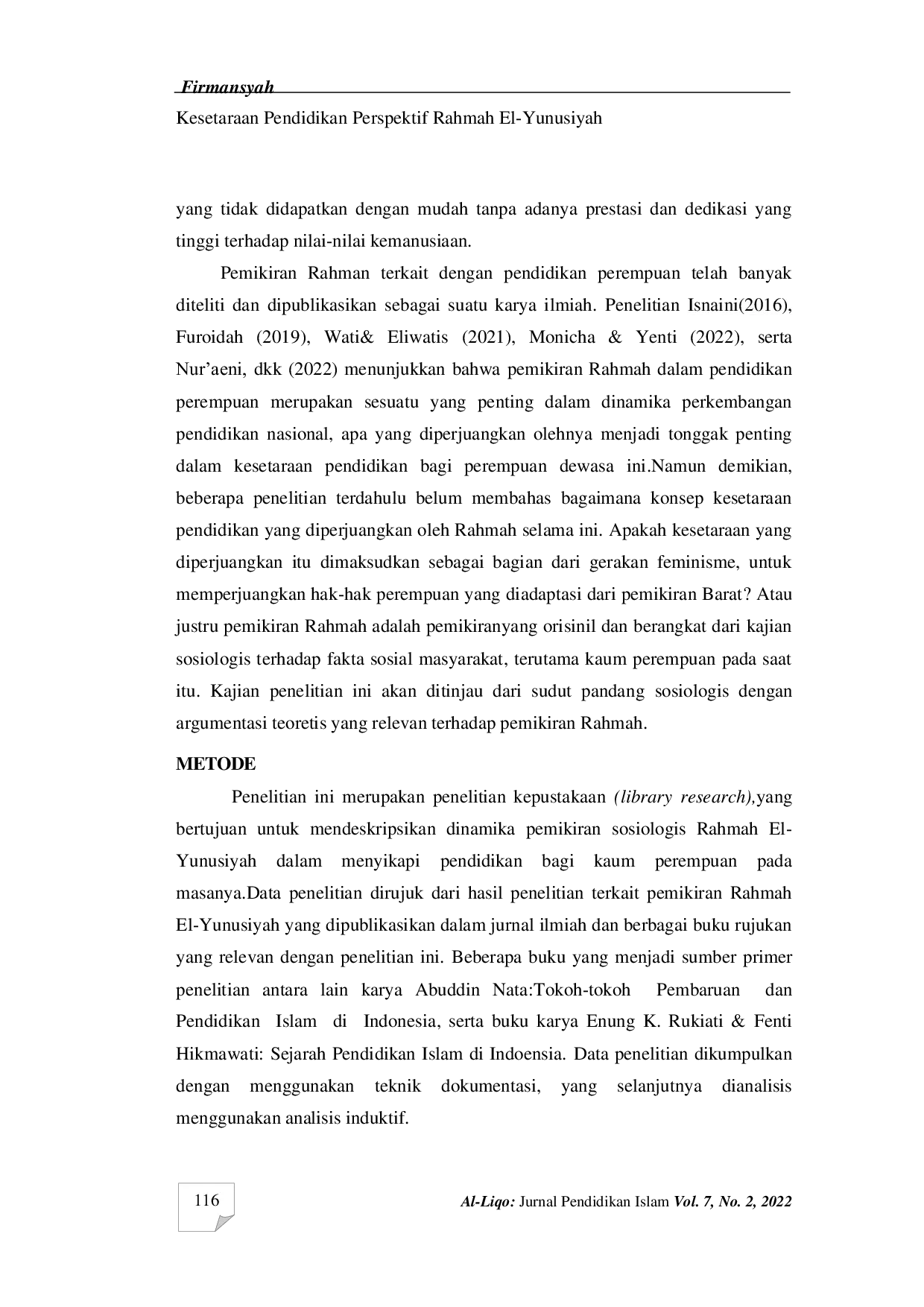
STAI TBHSTAI TBH Data penelitian dirujuk dari hasil penelitian terkait pemikiran Rahmah El-Yunusiyah yang dipublikasikan dalam jurnal ilmiah dan berbagai buku rujukan yangData penelitian dirujuk dari hasil penelitian terkait pemikiran Rahmah El-Yunusiyah yang dipublikasikan dalam jurnal ilmiah dan berbagai buku rujukan yang
Useful /

UINSUNAUINSUNA Penelitian ini merupakan penelitian tindakan kelas (PTK) yang dilakukan dengan 2 siklus. Hasil penelitian menunjukkan bahwa penerapan metode gamifikasiPenelitian ini merupakan penelitian tindakan kelas (PTK) yang dilakukan dengan 2 siklus. Hasil penelitian menunjukkan bahwa penerapan metode gamifikasi
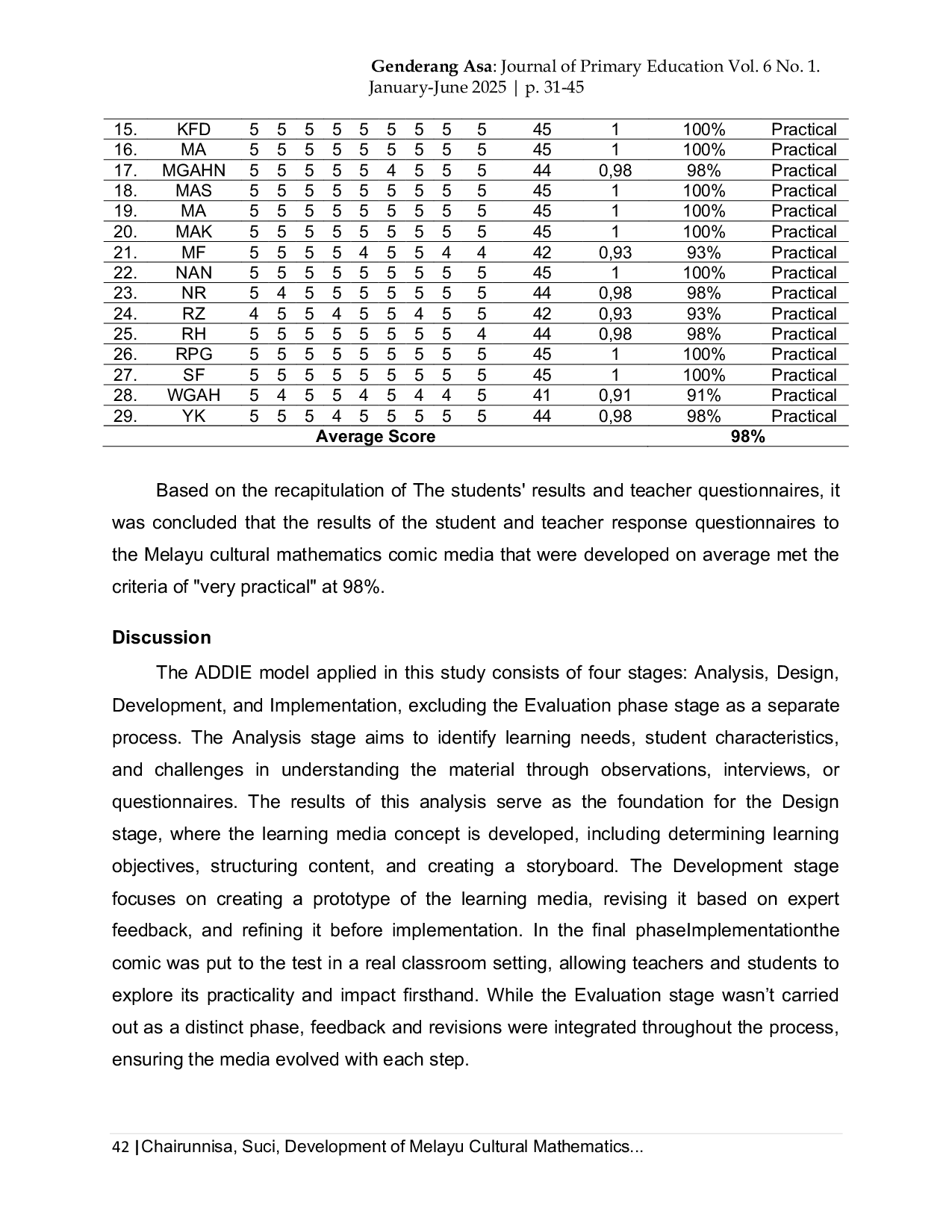
UINSUNAUINSUNA Therefore, it can be concluded that KOMADAYU effectively improves students understanding of plane geometry concepts while integrating them with elementsTherefore, it can be concluded that KOMADAYU effectively improves students understanding of plane geometry concepts while integrating them with elements

IAIN PALOPOIAIN PALOPO Selain peluang, terdapat juga tantangan dalam perencanaan berbasis data Rapor Pendidikan yaitu minimnya pemahaman dan keterampilan menganalisa terhadapSelain peluang, terdapat juga tantangan dalam perencanaan berbasis data Rapor Pendidikan yaitu minimnya pemahaman dan keterampilan menganalisa terhadap
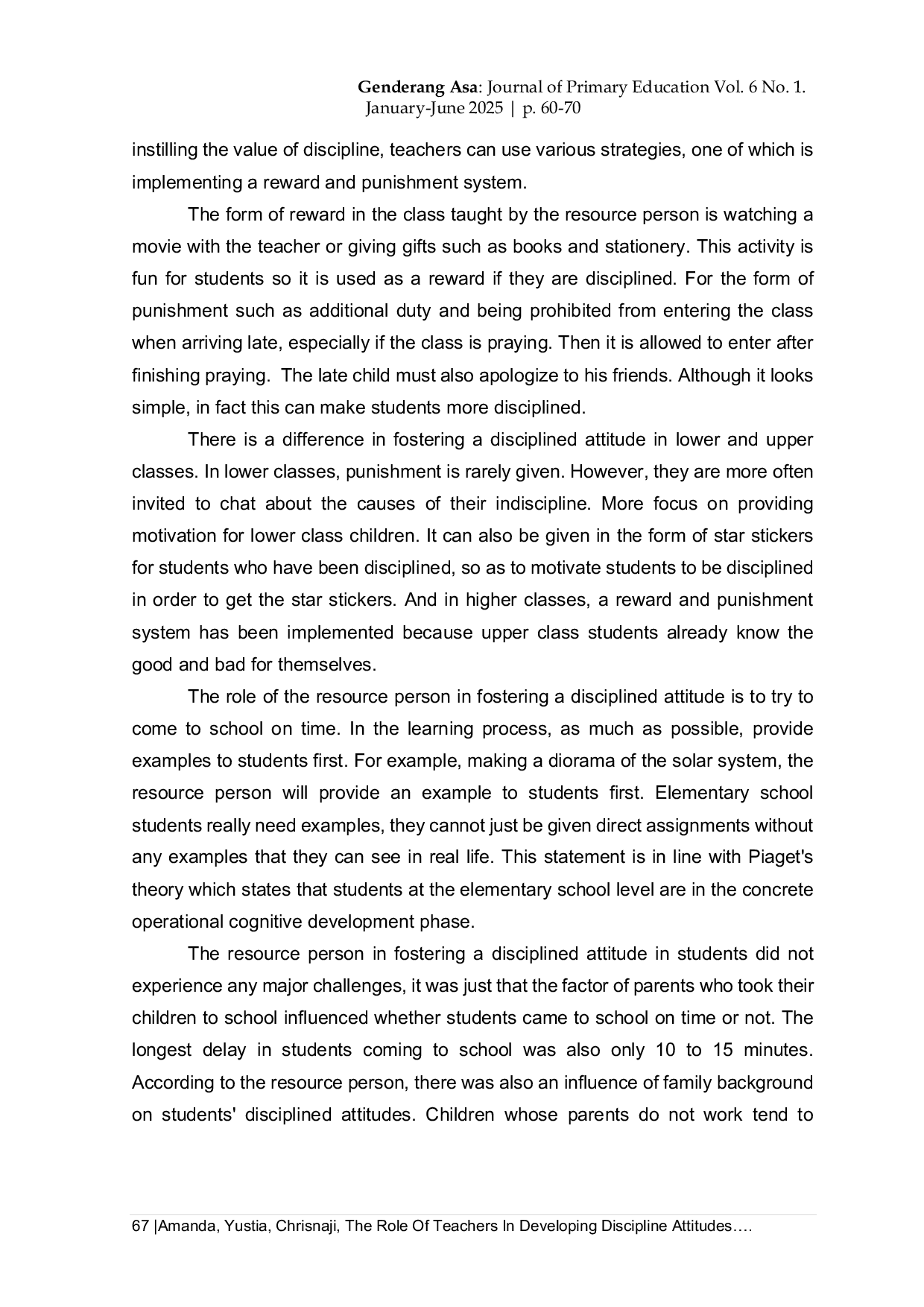
UINSUNAUINSUNA Terlihat dari banyaknya siswa yang tidak mematuhi aturan di sekolah. Penelitian ini bertujuan untuk menjelaskan peran guru dalam menumbuhkan sikap disiplinTerlihat dari banyaknya siswa yang tidak mematuhi aturan di sekolah. Penelitian ini bertujuan untuk menjelaskan peran guru dalam menumbuhkan sikap disiplin