IAESCOREIAESCORE
International Journal of Electrical and Computer Engineering (IJECE)International Journal of Electrical and Computer Engineering (IJECE)Ultrasound tomography is a powerful and widely utilized imaging technique in the field of medical diagnostics. Its non-invasive nature and high sensitivity in detecting small objects make it an invaluable tool for healthcare professionals. However, a significant challenge associated with ultrasound tomography is that the reconstructed images often contain noise. This noise can severely compromise the accuracy and interpretability of the diagnostic information derived from these images. In this paper, we propose and rigorously evaluate the application of a median filter to address and mitigate noise artifacts in the reconstructed images obtained through the distorted born iterative method (DBIM). The primary aim is to enhance the quality of these images and thereby improve diagnostic reliability. The effectiveness of our proposed noise reduction approach is quantitatively assessed using the normalized error evaluation metric, which provides a precise measure of improvement in image quality. Furthermore, to enhance the interpretability and utility of the reconstructed images, we incorporate a basic machine learning technique known as K-means clustering. This method is employed to automatically segment the reconstructed images into distinct regions that represent objects, background, and noise. Hence, it facilitates a clearer delineation of different components within the images. Our results demonstrate that K-means clustering, when applied to images processed with the proposed median filter method, effectively delineates these regions with a significant reduction of noise. This combination not only enhances image clarity but also ensures that critical diagnostic details are preserved and more easily interpreted by medical professionals. The substantial reduction in noise achieved through our approach underscores its potential for improving the accuracy and reliability of ultrasound tomography in medical diagnostics.
The study demonstrates that integrating a median filter into the DBIM iterative process significantly reduces noise in reconstructed ultrasound tomographic images.The application of K-means clustering further enhances image interpretability by automatically segmenting regions into object, background, and noise.These combined methodologies improve the visual fidelity of reconstructions and streamline diagnostic interpretation, offering a compact and explainable enhancement pipeline suitable for clinical and low-cost diagnostic settings.
Future research should focus on validating the proposed method on real clinical ultrasound data to assess its real-world applicability. Exploring adaptive filtering techniques, such as anisotropic diffusion or guided filters, that can adjust based on local image characteristics could further improve performance. Additionally, integrating region-growing or active contour methods into the segmentation step may enhance the handling of irregularly shaped lesions. Finally, hybrid frameworks combining the current physics-based inversion with learning-based priors or data-driven regularizers could yield further improvements in reconstruction quality, particularly in challenging imaging scenarios. These advancements will contribute to more accurate and reliable ultrasound tomography for improved medical diagnostics and potentially expand its applications to other areas of biomedical imaging.
| File size | 727.84 KB |
| Pages | 14 |
| DMCA | Report |
Related /

CEREDINDONESIACEREDINDONESIA Wilayah berhutan secara konsisten menunjukkan kapasitas infiltrasi air dan recharge air tanah yang tertinggi, menekankan peran pentingnya dalam menjagaWilayah berhutan secara konsisten menunjukkan kapasitas infiltrasi air dan recharge air tanah yang tertinggi, menekankan peran pentingnya dalam menjaga
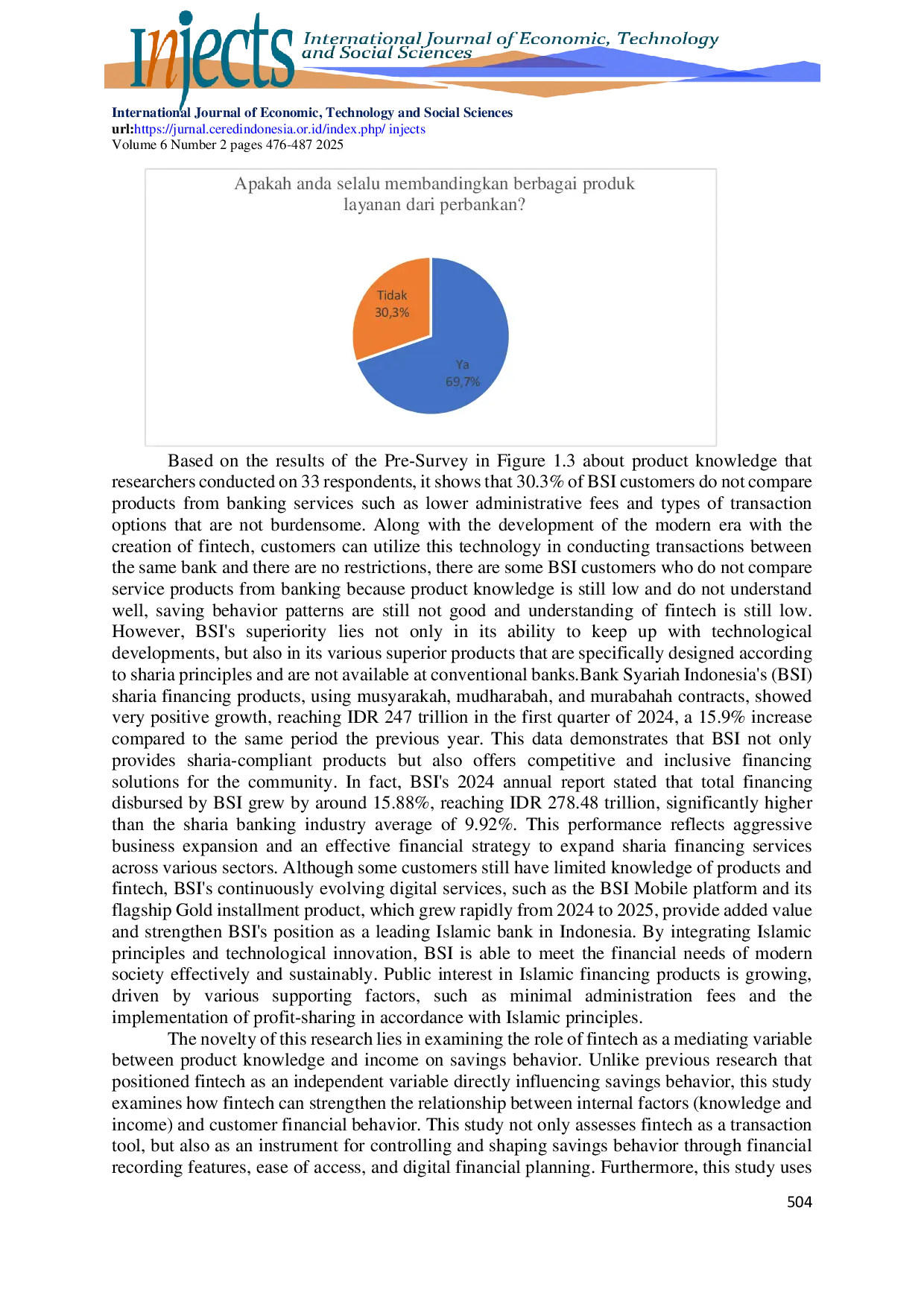
CEREDINDONESIACEREDINDONESIA Penelitian ini menggunakan pendekatan kuantitatif untuk menguji hipotesis. Penelitian ini berfokus pada pelanggan Bank Syariah Indonesia (BSI) di MedanPenelitian ini menggunakan pendekatan kuantitatif untuk menguji hipotesis. Penelitian ini berfokus pada pelanggan Bank Syariah Indonesia (BSI) di Medan
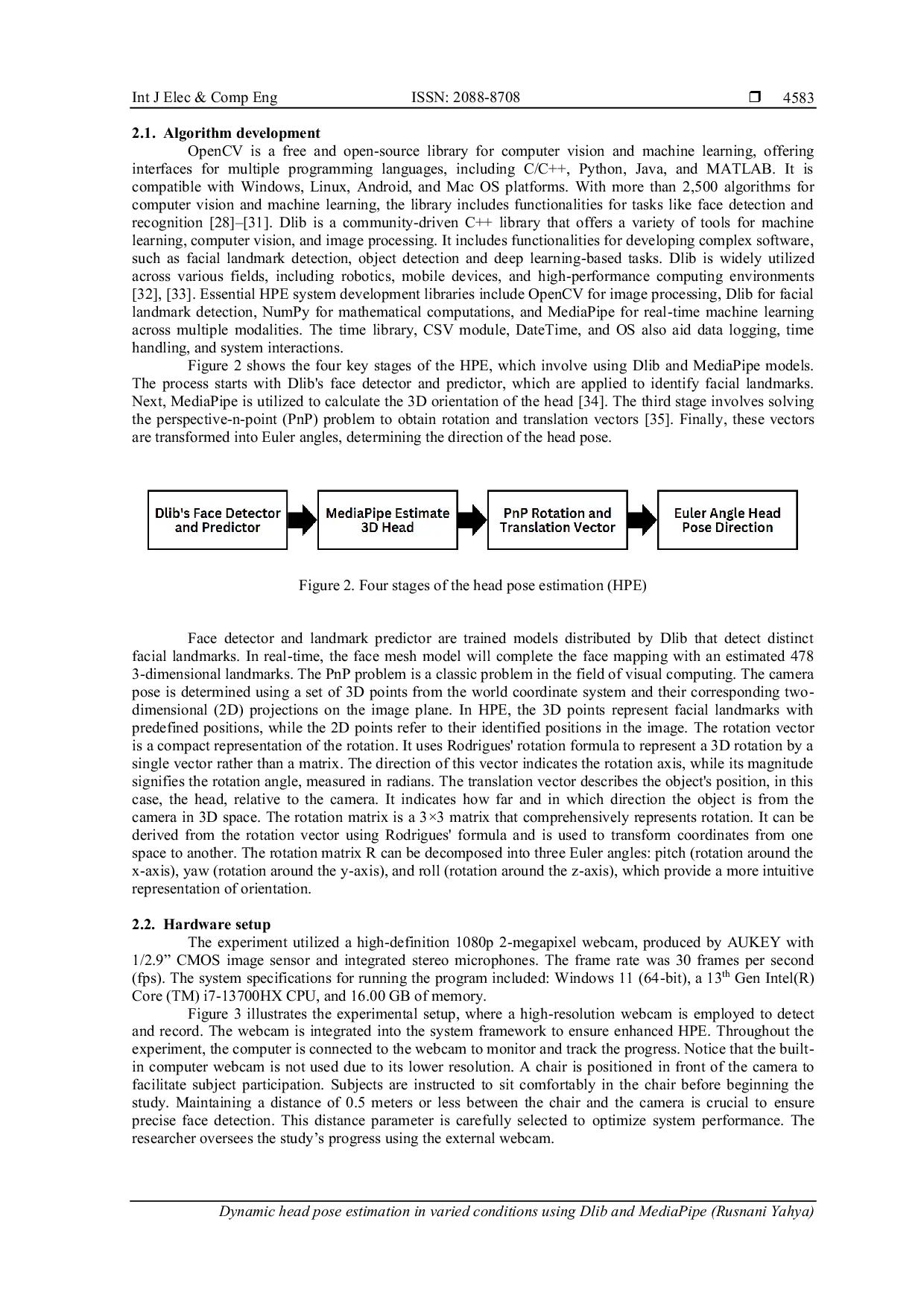
IAESCOREIAESCORE Studi ini bertujuan untuk menciptakan algoritma yang tangguh yang mempertahankan akurasi tinggi dalam aplikasi waktu nyata di berbagai kondisi. AlgoritmaStudi ini bertujuan untuk menciptakan algoritma yang tangguh yang mempertahankan akurasi tinggi dalam aplikasi waktu nyata di berbagai kondisi. Algoritma
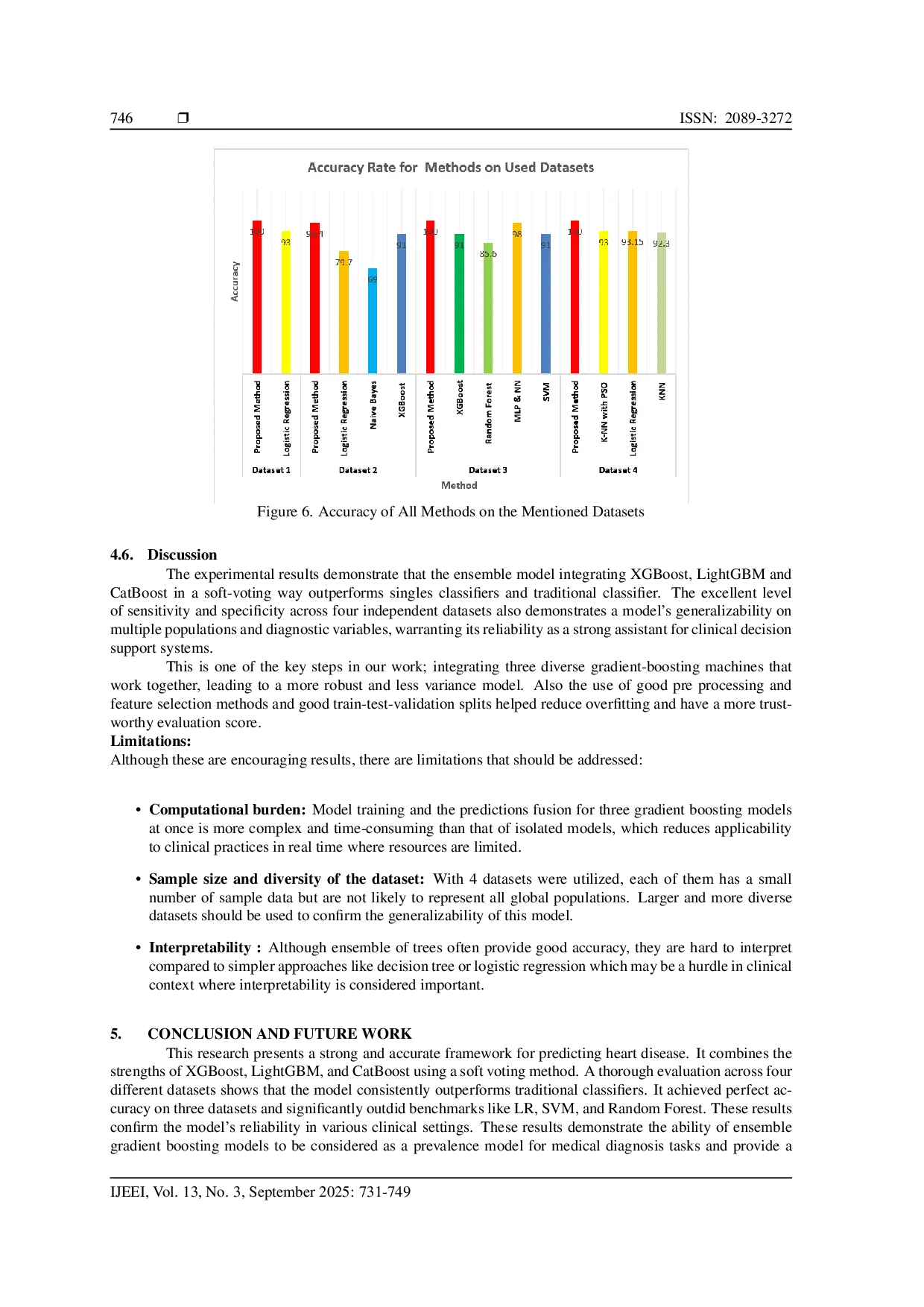
IAESONLINEIAESONLINE Dengan empat dataset yang digunakan, masing-masing memiliki jumlah data sampel yang kecil tetapi tidak mungkin mewakili semua populasi global. DatasetDengan empat dataset yang digunakan, masing-masing memiliki jumlah data sampel yang kecil tetapi tidak mungkin mewakili semua populasi global. Dataset
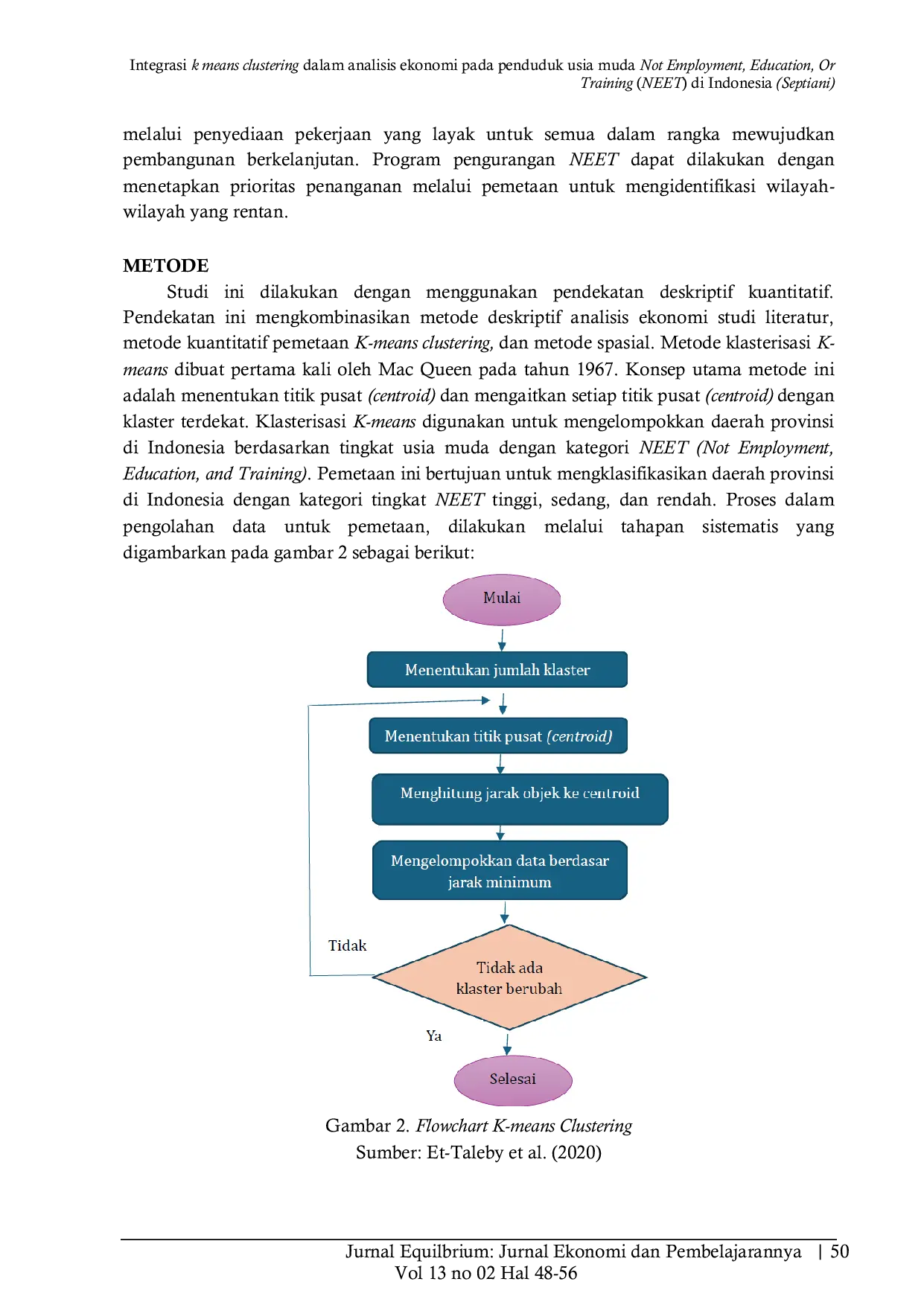
UNIPMAUNIPMA Stereotip terhadap gender perempuan bahwa mereka memiliki peran sebagai pengasuh ataupun pekerja informal, mengakibatkan NEET perempuan tidak sebandingStereotip terhadap gender perempuan bahwa mereka memiliki peran sebagai pengasuh ataupun pekerja informal, mengakibatkan NEET perempuan tidak sebanding
UNDANAUNDANA Penelitian ini memberikan kontribusi signifikan terhadap penerapan teknik klasterisasi untuk mendukung strategi pemasaran dan pengambilan keputusan diPenelitian ini memberikan kontribusi signifikan terhadap penerapan teknik klasterisasi untuk mendukung strategi pemasaran dan pengambilan keputusan di

UIN SUKAUIN SUKA Pengelompokan ini memberikan dukungan kepada dokter dan peneliti dalam memahami pola penyakit jantung serta merancang strategi pengobatan yang lebih spesifikPengelompokan ini memberikan dukungan kepada dokter dan peneliti dalam memahami pola penyakit jantung serta merancang strategi pengobatan yang lebih spesifik
UNSURUNSUR Data yang dikumpulkan adalah data jenis kelamin, tipe kamar, teman perjalanan, lama menginap, harga, asal daerah, metode booking. Pengolahan data denganData yang dikumpulkan adalah data jenis kelamin, tipe kamar, teman perjalanan, lama menginap, harga, asal daerah, metode booking. Pengolahan data dengan
Useful /

UNIVAL CILEGONUNIVAL CILEGON Bahaya tersebut antara lain jatuh dari ketinggian, tersandung, dan kesetrum. Tujuan penelitian ini adalah untuk mengidentifikasi bahaya pada pekerjaanBahaya tersebut antara lain jatuh dari ketinggian, tersandung, dan kesetrum. Tujuan penelitian ini adalah untuk mengidentifikasi bahaya pada pekerjaan

CEREDINDONESIACEREDINDONESIA Kesimpulan penelitian ini adalah transparansi memiliki pengaruh positif dan signifikan terhadap pengelolaan dana BOS di Sekolah Dasar di Kecamatan SeiKesimpulan penelitian ini adalah transparansi memiliki pengaruh positif dan signifikan terhadap pengelolaan dana BOS di Sekolah Dasar di Kecamatan Sei
CEREDINDONESIACEREDINDONESIA Penelitian ini menggunakan pendekatan kuantitatif dengan teknik pengumpulan data berupa kuesioner kepada 78 responden. Hasil analisis menunjukkan bahwaPenelitian ini menggunakan pendekatan kuantitatif dengan teknik pengumpulan data berupa kuesioner kepada 78 responden. Hasil analisis menunjukkan bahwa

UMSUMS On 2 January 2018, the local government proposed Silokek, a region in the Sijunjung Regency, West Sumatra Province, Indonesia, as a geopark, based on districtOn 2 January 2018, the local government proposed Silokek, a region in the Sijunjung Regency, West Sumatra Province, Indonesia, as a geopark, based on district