UMPRUMPR
Anterior JurnalAnterior JurnalThe increase in divorce cases has raised concerns about the psychological well-being of affected children, with the risk of anxiety, depression, and behavioral disorders. The purpose of this writing is to find out the impact of divorce on childrens mental health. The method used is a systematic literature review using databases from PubMed and ScienceDirect. The search was carried out using the keywords children, divorce, marital dissolution, mental health. Article screening used the PRISMA method and 8 articles were found that were in accordance with the research topic. The results showed that divorce increased the risk of mental problems such as anxiety, depression, behavioral problems, and decreased academic performance. In addition, children from divorced families face a higher risk of mental disorders. High parental conflict exacerbates negative effects, while good social and emotional support can reduce those adverse effects. This study highlights the importance of paying special attention to the mental well-being of children post-divorce to prevent adverse long-term effects. It is hoped that the results of this study can deepen the understanding of the impact of divorce and help develop support strategies for children who have experienced parental divorce, in order to reduce the risk of long-term mental health disorders.
Parental divorce significantly impacts a childs mental health, often leading to anxiety, depression, and emotional instability, potentially increasing the risk of long-term mental health disorders.Children from divorced families are more vulnerable to behavioral, social, and academic problems, with high parental conflict exacerbating these negative effects.Therefore, further research is needed to understand the long-term consequences of divorce on childrens development and to develop targeted interventions to mitigate adverse outcomes.
Penelitian lebih lanjut perlu dilakukan untuk mengidentifikasi faktor-faktor spesifik yang dapat melindungi anak-anak dari dampak negatif perceraian orang tua, seperti kualitas hubungan dengan orang tua yang tidak tinggal bersama, dukungan sosial dari keluarga dan teman, serta strategi koping yang efektif. Selain itu, penelitian longitudinal yang lebih mendalam diperlukan untuk memahami bagaimana dampak perceraian berubah seiring waktu dan bagaimana dampak tersebut memengaruhi perkembangan jangka panjang anak-anak, termasuk kesehatan mental, hubungan interpersonal, dan keberhasilan akademik. Terakhir, penelitian perlu difokuskan pada pengembangan dan evaluasi intervensi yang ditargetkan untuk membantu anak-anak mengatasi perceraian orang tua, seperti program konseling kelompok, pelatihan keterampilan sosial, dan dukungan orang tua, dengan mempertimbangkan kebutuhan unik dari berbagai kelompok usia dan latar belakang budaya. Penelitian-penelitian ini diharapkan dapat memberikan informasi yang lebih komprehensif tentang dampak perceraian pada anak-anak dan membantu mengembangkan strategi yang lebih efektif untuk mendukung kesejahteraan mereka.
| File size | 289.05 KB |
| Pages | 14 |
| DMCA | Report |
Related /

UNIPAUNIPA Bibit yang diambil berasal dari tunas yang tumbuh pada bagian pangkal batang (tunas gantung/menempel). Hal serupa juga dilakukan oleh masyarakat SentaniBibit yang diambil berasal dari tunas yang tumbuh pada bagian pangkal batang (tunas gantung/menempel). Hal serupa juga dilakukan oleh masyarakat Sentani
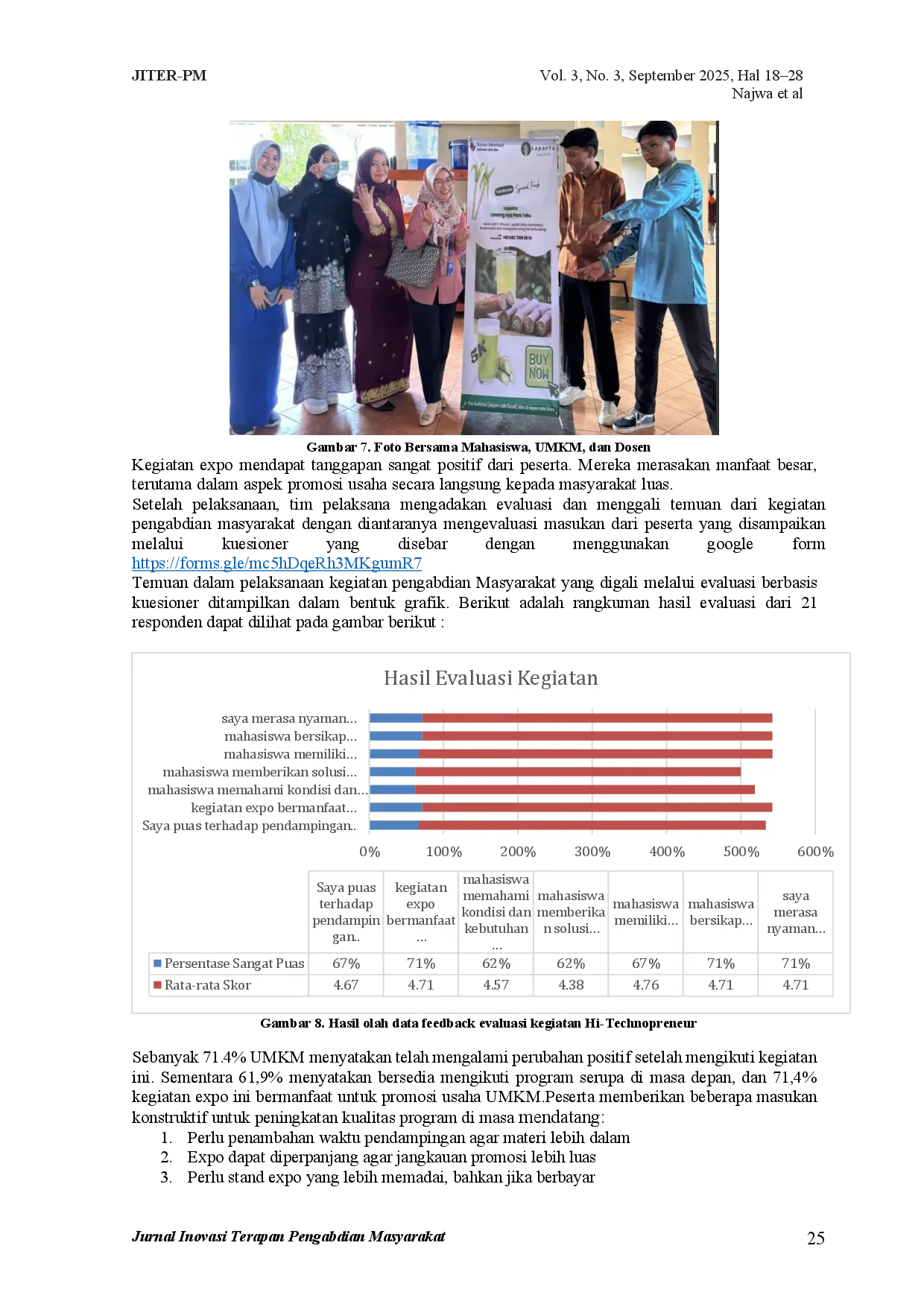
PCRPCR Kegiatan ini juga diintegrasikan dengan perkuliahan SI Technopreneurship dan kolaborasi bersama Himpunan Mahasiswa Sistem Informasi. Tujuan pengabdianKegiatan ini juga diintegrasikan dengan perkuliahan SI Technopreneurship dan kolaborasi bersama Himpunan Mahasiswa Sistem Informasi. Tujuan pengabdian

UntikaUntika Proses peradilan pidana yang berakhir pada pemenjaraan pelaku tindak pidana berdampak pada kelebihan kapasitas lembaga pemasyarakatan di kabupaten Jember.Proses peradilan pidana yang berakhir pada pemenjaraan pelaku tindak pidana berdampak pada kelebihan kapasitas lembaga pemasyarakatan di kabupaten Jember.

ST3BST3B Kesimpulan menyoroti pentingnya kebijaksanaan yang diberikan oleh Roh Kudus, karena tidak hanya mencerminkan kebijaksanaan tertinggi dari Allah tetapiKesimpulan menyoroti pentingnya kebijaksanaan yang diberikan oleh Roh Kudus, karena tidak hanya mencerminkan kebijaksanaan tertinggi dari Allah tetapi

UNPARUNPAR Sifat hidrofobisitas gambut terjadi pada lahan gambut yang mengalami kebakaran atau kekeringan yang intensif akibat perubahan tutupan lahan gambut. TujuanSifat hidrofobisitas gambut terjadi pada lahan gambut yang mengalami kebakaran atau kekeringan yang intensif akibat perubahan tutupan lahan gambut. Tujuan

UNPARUNPAR Potensi pertanian (dalam arti luas) yang dapat dikembangkan di desa ini meliputi padi padi ladang dan palawija, hortikultura (buah dan sayuran), peternakan,Potensi pertanian (dalam arti luas) yang dapat dikembangkan di desa ini meliputi padi padi ladang dan palawija, hortikultura (buah dan sayuran), peternakan,

STT SUSTT SU Percaya kepada Yesus berarti siap dalam segala hal untuk mengandalkan Tuhan, karena Tuhan yang sanggup menjauhkan manusia dari kecelakaan, mara bahaya.Percaya kepada Yesus berarti siap dalam segala hal untuk mengandalkan Tuhan, karena Tuhan yang sanggup menjauhkan manusia dari kecelakaan, mara bahaya.

FTKJOURNAL UINMATARAMFTKJOURNAL UINMATARAM Dari pengembangan yang dilakukan masyarakat yang terlibat mendapatkan penghasilan yang meningkatkan penghasilan mereka dari yang sebelumnya. PengembanganDari pengembangan yang dilakukan masyarakat yang terlibat mendapatkan penghasilan yang meningkatkan penghasilan mereka dari yang sebelumnya. Pengembangan
Useful /
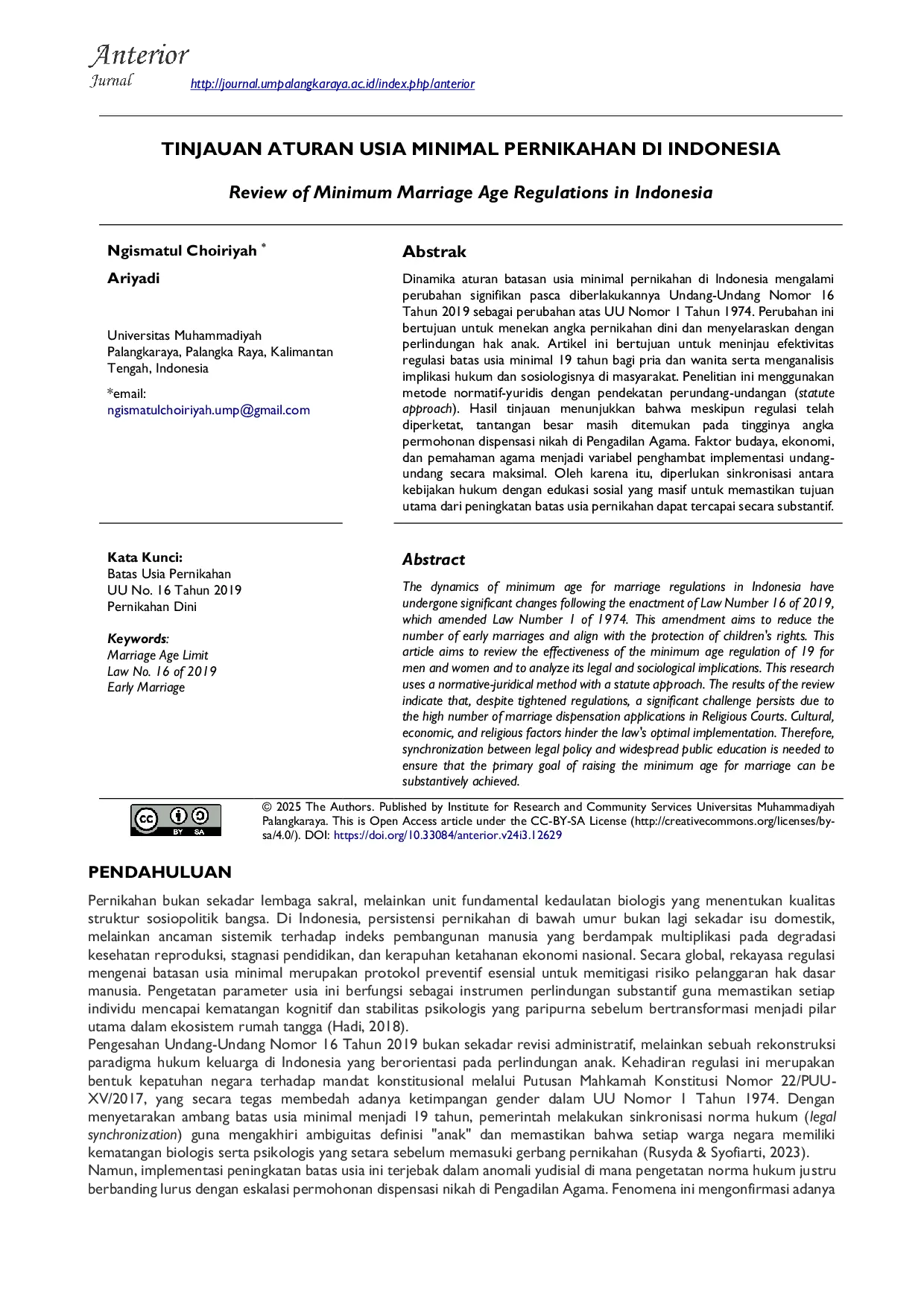
UMPRUMPR Hasil tinjauan menunjukkan bahwa meskipun regulasi telah diperketat, tantangan besar masih ditemukan pada tingginya angka permohonan dispensasi nikah diHasil tinjauan menunjukkan bahwa meskipun regulasi telah diperketat, tantangan besar masih ditemukan pada tingginya angka permohonan dispensasi nikah di

UMPRUMPR Penelitian ini bertujuan untuk meningkatkan kualitas pembelajaran mata kuliah Semiotika di STKIP Paris Barantai dengan memanfaatkan teknologi yang mudahPenelitian ini bertujuan untuk meningkatkan kualitas pembelajaran mata kuliah Semiotika di STKIP Paris Barantai dengan memanfaatkan teknologi yang mudah

UMPRUMPR Penelitian ini bertujuan menganalisis peran pemangku kepentingan dalam pengembangan UMKM berbasis lahan gambut di Kota Palangka Raya. Metode penelitianPenelitian ini bertujuan menganalisis peran pemangku kepentingan dalam pengembangan UMKM berbasis lahan gambut di Kota Palangka Raya. Metode penelitian

UMPRUMPR Pendekatan dalam penelitian ini yaitu pendekatan kuantitatif dengan metode penelitian deskriptif. Hasil penelitian ini 1) pengetahuan kewirausahaan berpengaruhPendekatan dalam penelitian ini yaitu pendekatan kuantitatif dengan metode penelitian deskriptif. Hasil penelitian ini 1) pengetahuan kewirausahaan berpengaruh