BIRCU JOURNALBIRCU JOURNAL
Budapest International Research and Critics Institute-Journal (BIRCI-Journal)Budapest International Research and Critics Institute-Journal (BIRCI-Journal)The 2023 general elections in Nigeria marked a watershed moment in the countrys democratic trajectory, particularly with the adoption of technology-driven electoral management systems such as the Bimodal Voter Accreditation System (BVAS) and the INEC Result Viewing Portal (IReV). While these innovations were introduced to enhance transparency, reduce electoral fraud, and strengthen public trust, their deployment exposed significant challenges that highlighted the shadow side of technology in electoral processes. This study interrogates the effects of technological tools on the credibility, efficiency, and legitimacy of the 2023 elections, drawing on media reports, official election data, and scholarly analyses. Findings reveal a paradox: although technology improved aspects of voter accreditation and broadened access to election results, systemic failures, infrastructural limitations, cyber vulnerabilities, and perceived manipulation undermined confidence in the process. The paper argues that the reliance on technology without adequate infrastructural support, legal clarity, and institutional integrity risks deepening public distrust rather than consolidating democratic gains. The study concludes that the 2023 Nigerian general election represents a pivotal case study in the intersection of technology and democracy in a developing nation.
The 2023 Nigerian general election demonstrates the complex relationship between technology and democratic processes in developing nations.While innovations like BVAS and IReV aimed to enhance transparency and reduce fraud, their implementation revealed significant challenges related to technical failures, cybersecurity vulnerabilities, and infrastructural limitations.Ultimately, the election highlighted that technology alone is insufficient to guarantee electoral integrity and that systemic reforms, robust institutional capacity, and public trust are crucial for successful democratic outcomes.
Further research should investigate the long-term socio-cultural impacts of electoral technologies on voter behavior and democratic participation, particularly among marginalized groups, to ensure equitable access and engagement. Additionally, studies are needed to explore the effectiveness of different cybersecurity measures in protecting Nigerias electoral systems from evolving threats, including the development of robust data protection laws and incident response protocols. Finally, research should focus on developing and evaluating comprehensive training programs for electoral officials and voters to enhance their digital literacy and capacity to utilize electoral technologies effectively, fostering greater trust and participation in the democratic process. These investigations should consider the interplay between technology, institutional reforms, and public trust to build a more resilient and inclusive electoral system in Nigeria.
| File size | 948.92 KB |
| Pages | 15 |
| DMCA | Report |
Related /
ITLITL Strategi pendekatan kuantitatif digunakan dalam metode penelitian ini, yang menggunakan IBM SPSS 25 untuk analisis data. Untuk menjawab masalah penelitian,Strategi pendekatan kuantitatif digunakan dalam metode penelitian ini, yang menggunakan IBM SPSS 25 untuk analisis data. Untuk menjawab masalah penelitian,

POLITEKNIK KEBUMENPOLITEKNIK KEBUMEN Organisasi akan mendapat manfaat dari peningkatan kinerja dan daya saing sebagai hasilnya. Studi ini menunjukkan bahwa baik strategi individu maupun kepemimpinanOrganisasi akan mendapat manfaat dari peningkatan kinerja dan daya saing sebagai hasilnya. Studi ini menunjukkan bahwa baik strategi individu maupun kepemimpinan

POLITEKNIK KEBUMENPOLITEKNIK KEBUMEN Kepuasan kerja karyawan lebih dipengaruhi oleh kualitas kepemimpinan daripada faktor lingkungan dan komunikasi. Penelitian ini menyarankan perlunya fokusKepuasan kerja karyawan lebih dipengaruhi oleh kualitas kepemimpinan daripada faktor lingkungan dan komunikasi. Penelitian ini menyarankan perlunya fokus
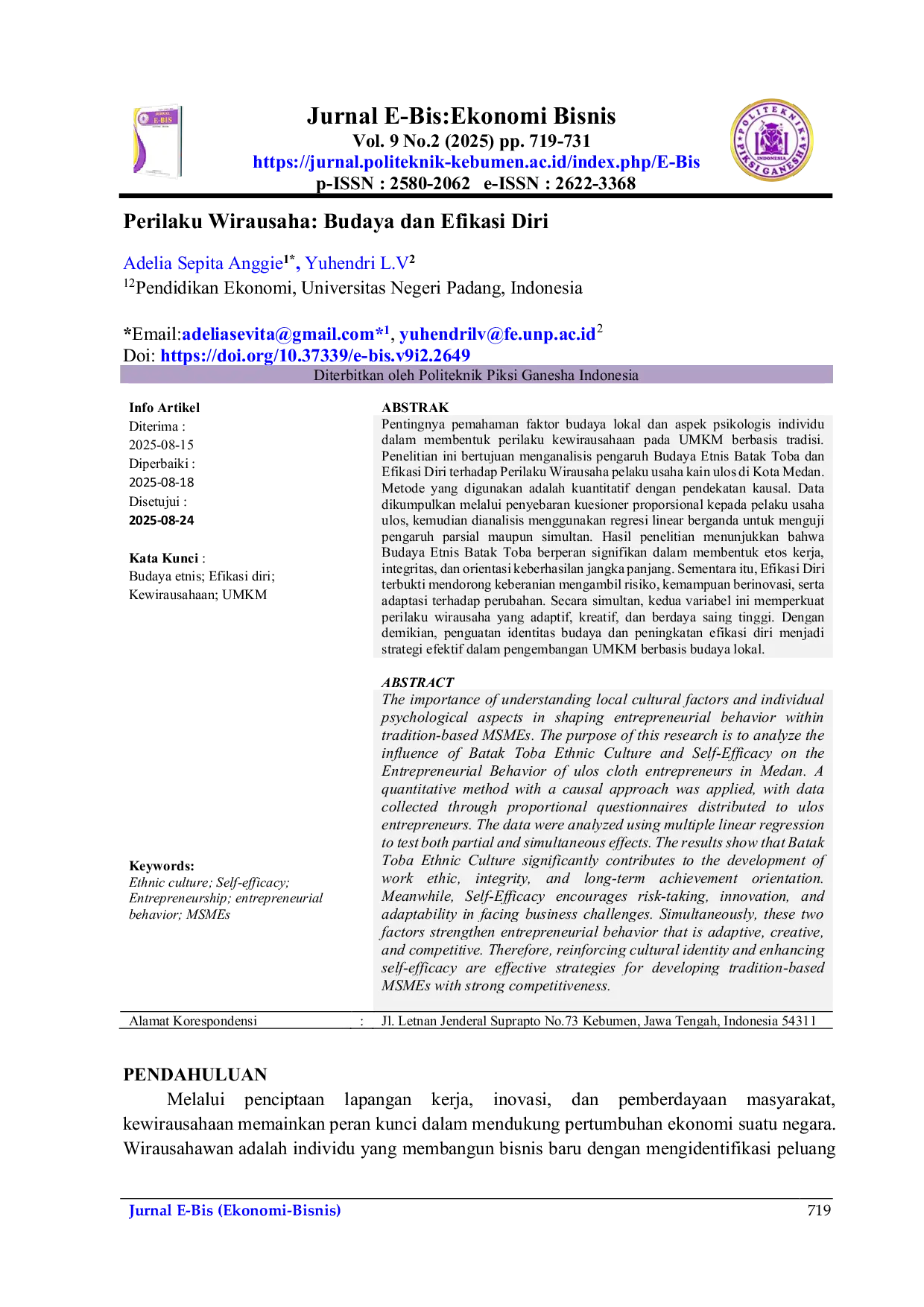
POLITEKNIK KEBUMENPOLITEKNIK KEBUMEN Kombinasi keduanya menghasilkan perilaku wirausaha yang tangguh, adaptif, dan berdaya saing tinggi, sehingga pengembangan UMKM berbasis budaya perlu mengintegrasikanKombinasi keduanya menghasilkan perilaku wirausaha yang tangguh, adaptif, dan berdaya saing tinggi, sehingga pengembangan UMKM berbasis budaya perlu mengintegrasikan
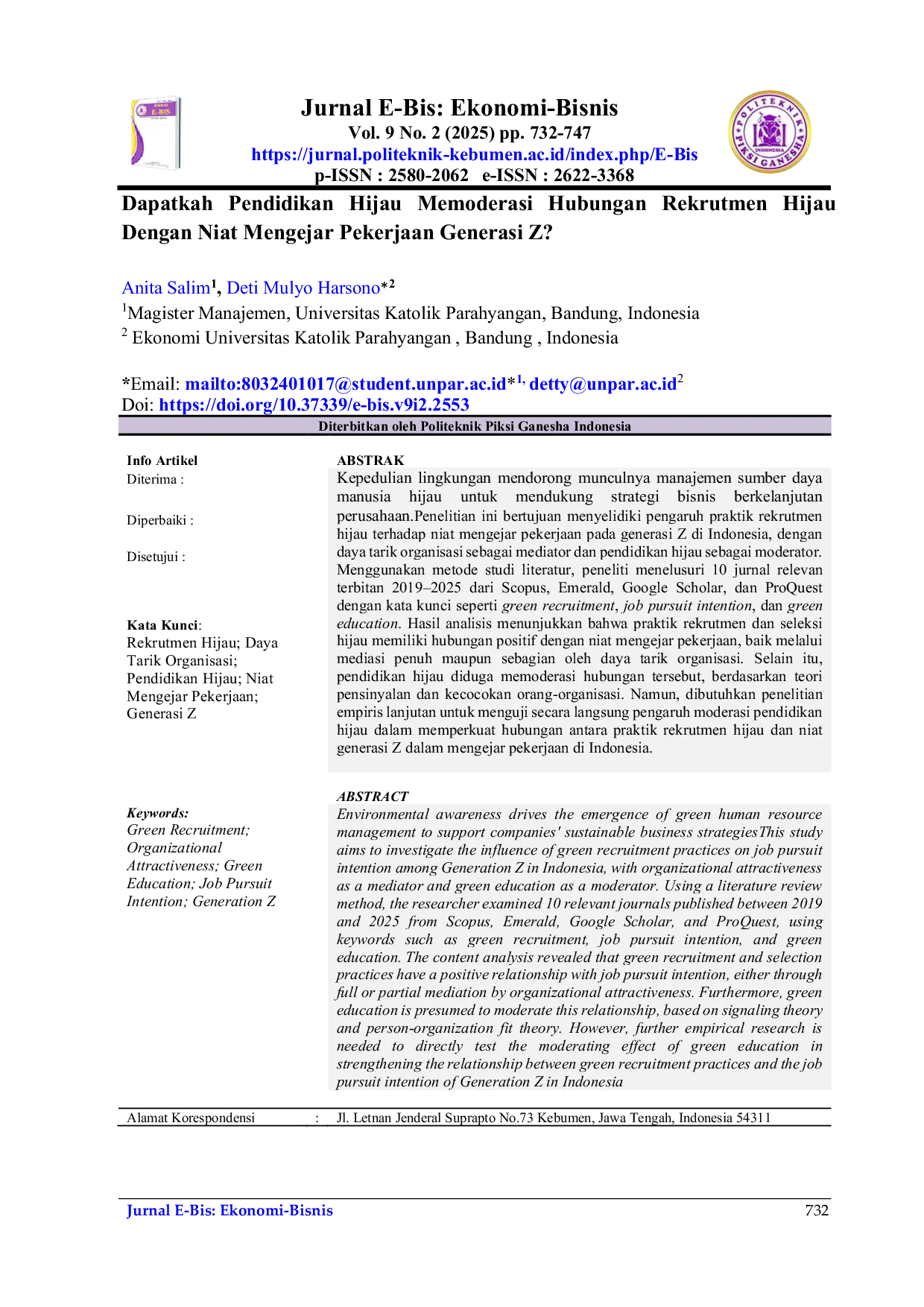
POLITEKNIK KEBUMENPOLITEKNIK KEBUMEN Dibesarkan dengan teknologi, internet dan perangkat elektronik menyebabkan generasi ini disebut sebagai IGeneration.mereka juga tertarik dan peduli terhadapDibesarkan dengan teknologi, internet dan perangkat elektronik menyebabkan generasi ini disebut sebagai IGeneration.mereka juga tertarik dan peduli terhadap

POLITEKNIK KEBUMENPOLITEKNIK KEBUMEN Secara simultan, ketiga variabel tesebut juga tidak berpengaruh signifikan terhadap financial distress pada perusahaan properti dan real estat. PenelitianSecara simultan, ketiga variabel tesebut juga tidak berpengaruh signifikan terhadap financial distress pada perusahaan properti dan real estat. Penelitian
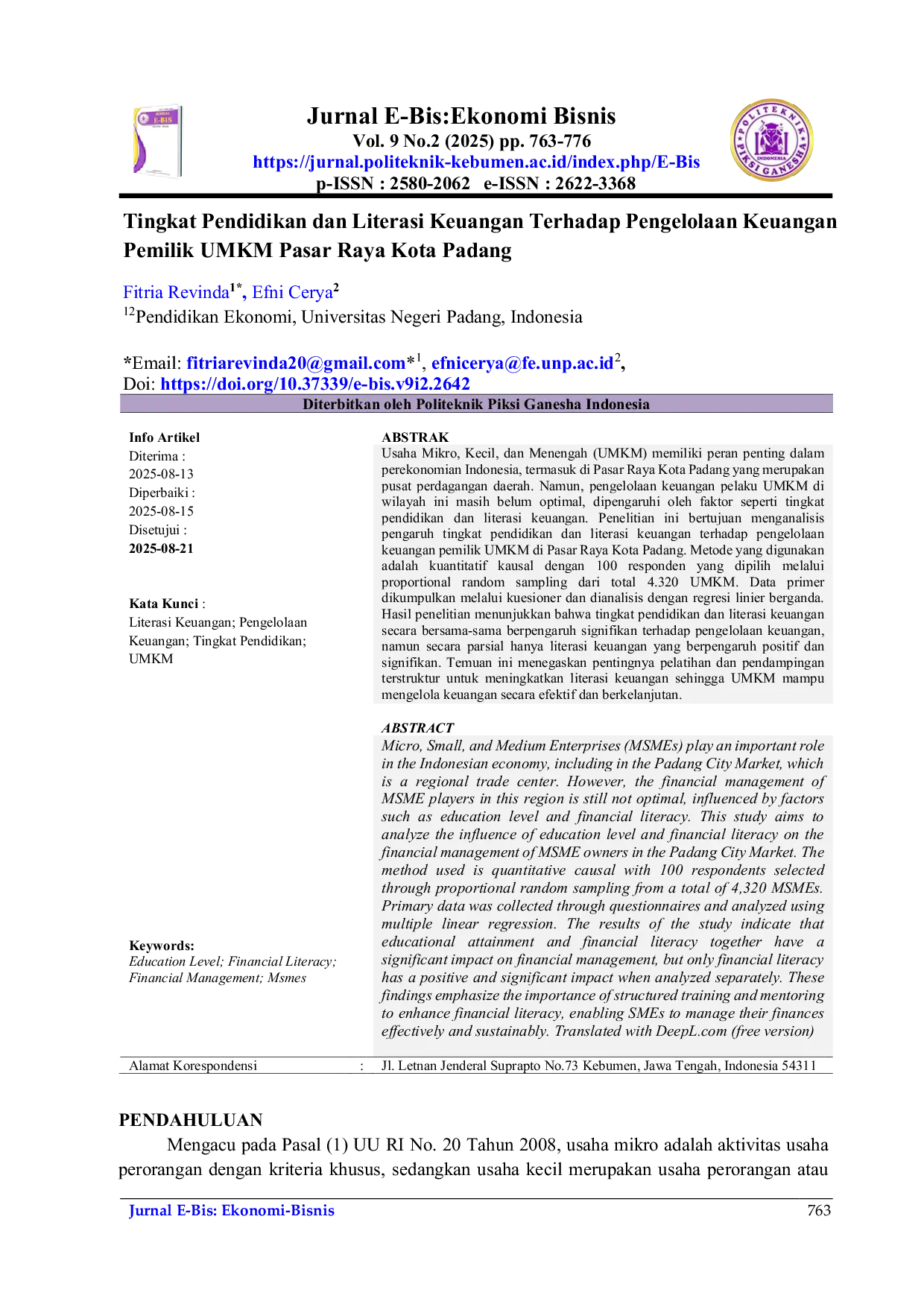
POLITEKNIK KEBUMENPOLITEKNIK KEBUMEN Penelitian ini bertujuan menganalisis pengaruh tingkat pendidikan dan literasi keuangan terhadap pengelolaan keuangan pemilik UMKM di Pasar Raya Kota Padang.Penelitian ini bertujuan menganalisis pengaruh tingkat pendidikan dan literasi keuangan terhadap pengelolaan keuangan pemilik UMKM di Pasar Raya Kota Padang.

POLITEKNIK KEBUMENPOLITEKNIK KEBUMEN Penelitian ini bertujuan untuk mengevaluasi sejauh mana pengaruh lingkungan kerja terhadap loyalitas karyawan dengan kepuasan kerja sebagai variabel intervening.Penelitian ini bertujuan untuk mengevaluasi sejauh mana pengaruh lingkungan kerja terhadap loyalitas karyawan dengan kepuasan kerja sebagai variabel intervening.
Useful /

ITLITL Secara keseluruhan, penelitian ini mengonfirmasi bahwa ketiga faktor yaitu kualitas pelayanan, fasilitas, dan keselamatan pelayaran merupakan elemen kunciSecara keseluruhan, penelitian ini mengonfirmasi bahwa ketiga faktor yaitu kualitas pelayanan, fasilitas, dan keselamatan pelayaran merupakan elemen kunci
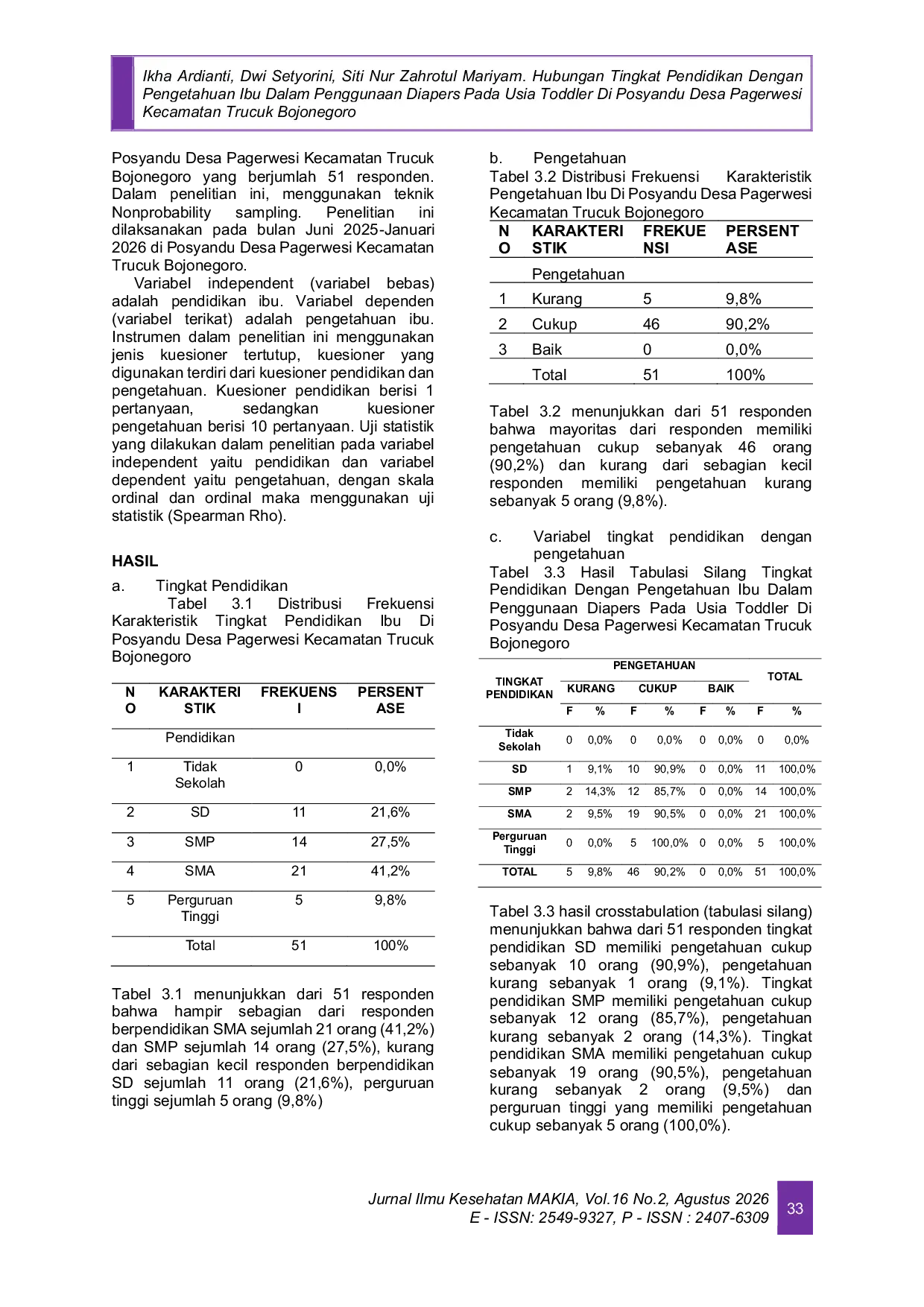
ISTEKICSADABJNISTEKICSADABJN Berdasarkan hasil penelitian yang diperoleh dari 51 responden didapatkan hasil bahwa tidak ada hubungan antara tingkat pendidikan dengan pengetahuan ibuBerdasarkan hasil penelitian yang diperoleh dari 51 responden didapatkan hasil bahwa tidak ada hubungan antara tingkat pendidikan dengan pengetahuan ibu
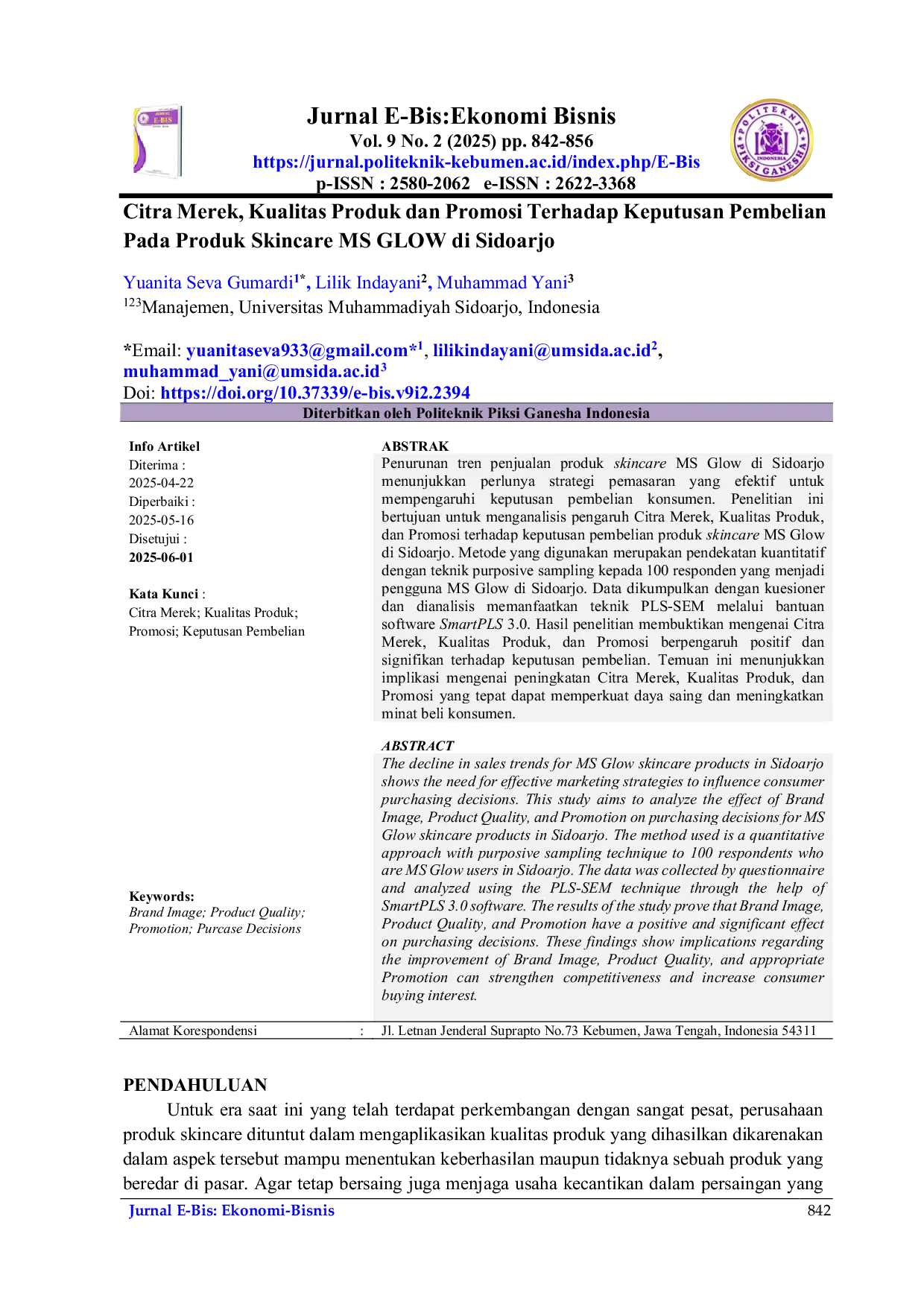
POLITEKNIK KEBUMENPOLITEKNIK KEBUMEN Hasil penelitian membuktikan mengenai Citra Merek, Kualitas Produk, dan Promosi berpengaruh positif dan signifikan terhadap keputusan pembelian. TemuanHasil penelitian membuktikan mengenai Citra Merek, Kualitas Produk, dan Promosi berpengaruh positif dan signifikan terhadap keputusan pembelian. Temuan
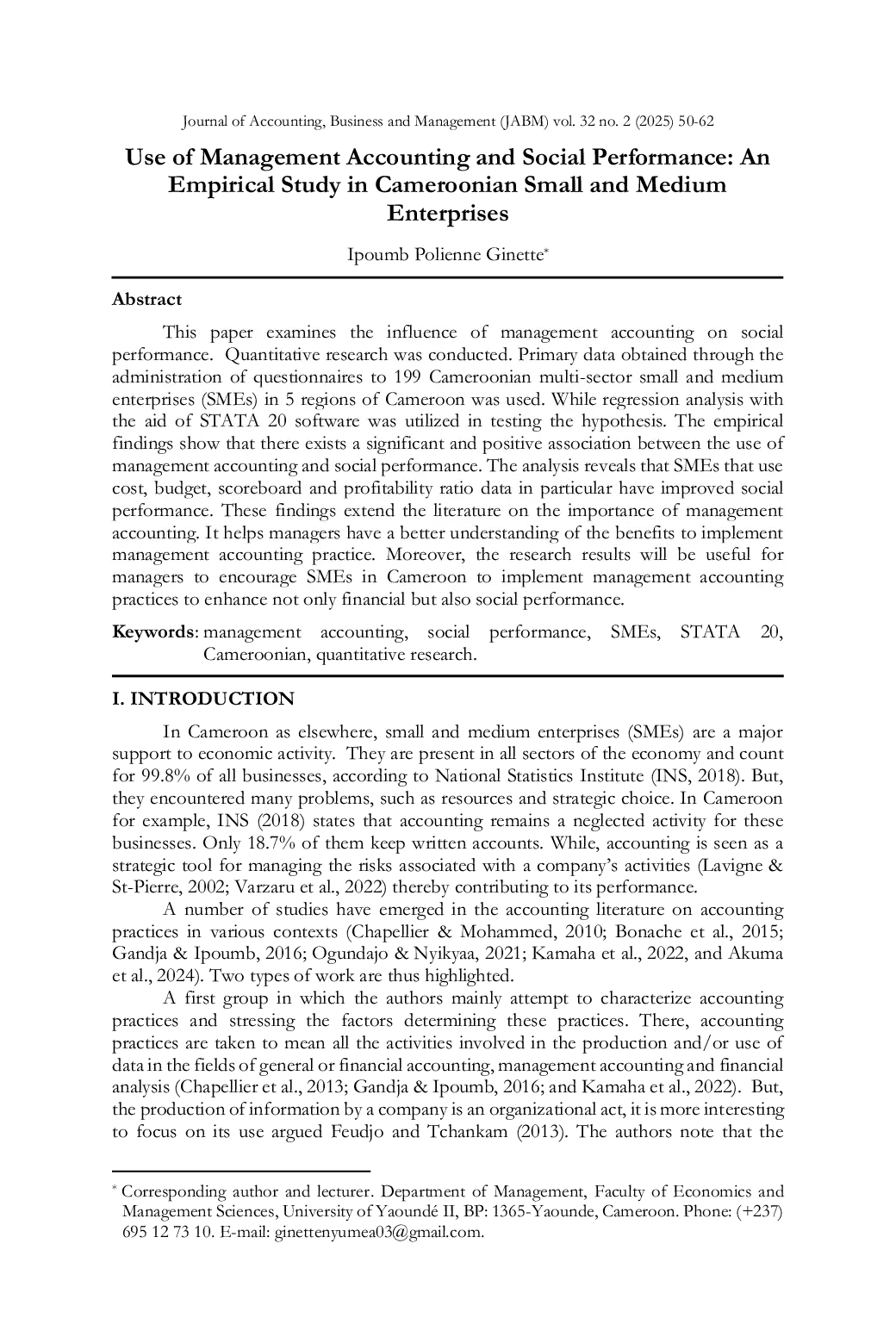
STIE MCESTIE MCE Penelitian ini menguji pengaruh akuntansi manajemen terhadap kinerja sosial. Penelitian kuantitatif dilakukan. Data primer diperoleh melalui penyebaranPenelitian ini menguji pengaruh akuntansi manajemen terhadap kinerja sosial. Penelitian kuantitatif dilakukan. Data primer diperoleh melalui penyebaran