IAIN KEDIRIIAIN KEDIRI
JEELS (Journal of English Education and Linguistics Studies)JEELS (Journal of English Education and Linguistics Studies)Lexical bundles are essential for creating coherent academic writing and for forming high-quality research articles. Researchers have previously examined lexical bundles in a number of academic fields and sections. However, there is a lack of investigation on cross-disciplinary comparisons research article abstracts. Thus, this study seeks to examine the utilization of lexical bundles (LBs) in abstracts across disciplines. The analysis used a corpus-based study design to investigate the frequency, structural patterns, and function distributions of lexical bundles in abstracts across disciplines (Linguistics, ELT, Psychology) and hard sciences (Electronic Engineering, Medicine, Biochemistry). To guarantee the representativeness of high-impact research articles, 180 abstracts of research articles, 30 from each discipline were chosen from high-citation Scopus-indexed journals. A descriptive quantitative approach was employed within Bibers (2004) structural taxonomy and Hylands (2008b) functional classification, along with other categories to support the investigation. The results indicate significant disciplinary commonalities in LB usage albeit numerous noticeable variations. A bias for phrasal over clausal constructs was observed in the structural use of bundles in both the Hard and Soft Sciences, with noun phrase-based bundles being the most prevalent. In terms of functionality, research-oriented bundles predominated in both domains, with Soft Sciences preferring description bundles and Hard Sciences stressing topic bundles. This study sheds light on disciplinary conventions in abstract writing and emphasizes the significance of understanding the structural and functional differences in LBs in cross-disciplinary engagement and effective academic communication.
This study explored the use of lexical bundles in abstracts of high-impact research articles across disciplines, especially comparing Hard Science and Soft Science.The analysis revealed information about the frequency, structural patterns, and functional distribution of lexical bundles by utilizing Bibers (2004) structural taxonomy and Hylands (2008b) functional classification, along with other categories to support the investigation.The results demonstrated distinct disciplinary similarities and variations in both structural and functional aspects.The Hard Science and Soft Science were dominated structurally by bundles based on noun phrases, followed by PP-based bundles and VP-based bundles.This finding indicates that both corpora utilize more phrasal bundles than clausal ones.However, the frequency of PP-based bundles is higher in Soft Science.This higher use of PP-based bundles in hard science abstracts is indicative of the fields demand for exact locational, temporal, and relational markers in order to effectively communicate technical information.Functionally, both fields had the highest concentration of research-oriented bundles, especially in topic bundles in the Hard Sciences and description bundles in the Soft Sciences.The higher use of topic bundles indicates a greater emphasis on defining the topic or focus of the investigation, while the higher use of description in Soft Science indicates a focus on elaborating attributes.This study emphasizes the variety of ways lexical bundles (LBs) are employed in academic writing, pointing out that their functions and forms are influenced by discourse communities and might not be appropriate in all contexts.Despite the limited size of its corpus, the study identifies recurrent patterns that serve as the basis for recommendations on how abstracts can align with disciplinary standards.For more accurate and thorough insights of LB usage, future studies should employ sophisticated analytical tools and expand the corpus size.
To further enhance our understanding of lexical bundles in academic writing, future research could delve into the specific linguistic features that contribute to their effectiveness in conveying information. For instance, an in-depth analysis of the grammatical structures and semantic nuances within lexical bundles could provide valuable insights. Additionally, exploring the impact of lexical bundles on reader comprehension and engagement would be beneficial. By examining how readers interpret and process information presented through lexical bundles, we can gain a deeper understanding of their role in facilitating effective communication. Furthermore, it would be intriguing to investigate the potential variations in lexical bundle usage across different academic disciplines and cultural contexts. Exploring how lexical bundles are employed in various fields and cultures could reveal interesting insights into the adaptability and versatility of these linguistic constructs. Finally, a comparative study of lexical bundles in different sections of research articles, such as the introduction, methods, results, and discussion, could offer valuable insights into their strategic deployment throughout the writing process. By addressing these research questions, we can continue to unravel the complexities of lexical bundles and their contribution to academic discourse.
| File size | 526.21 KB |
| Pages | 32 |
| DMCA | Report |
Related /

IAIN SUIAIN SU Penelitian ini bertujuan untuk mengetahui strategi preservasi digital data penelitian melalui repositori Dataverse yang diterapkan oleh CIFOR. Metode penelitianPenelitian ini bertujuan untuk mengetahui strategi preservasi digital data penelitian melalui repositori Dataverse yang diterapkan oleh CIFOR. Metode penelitian
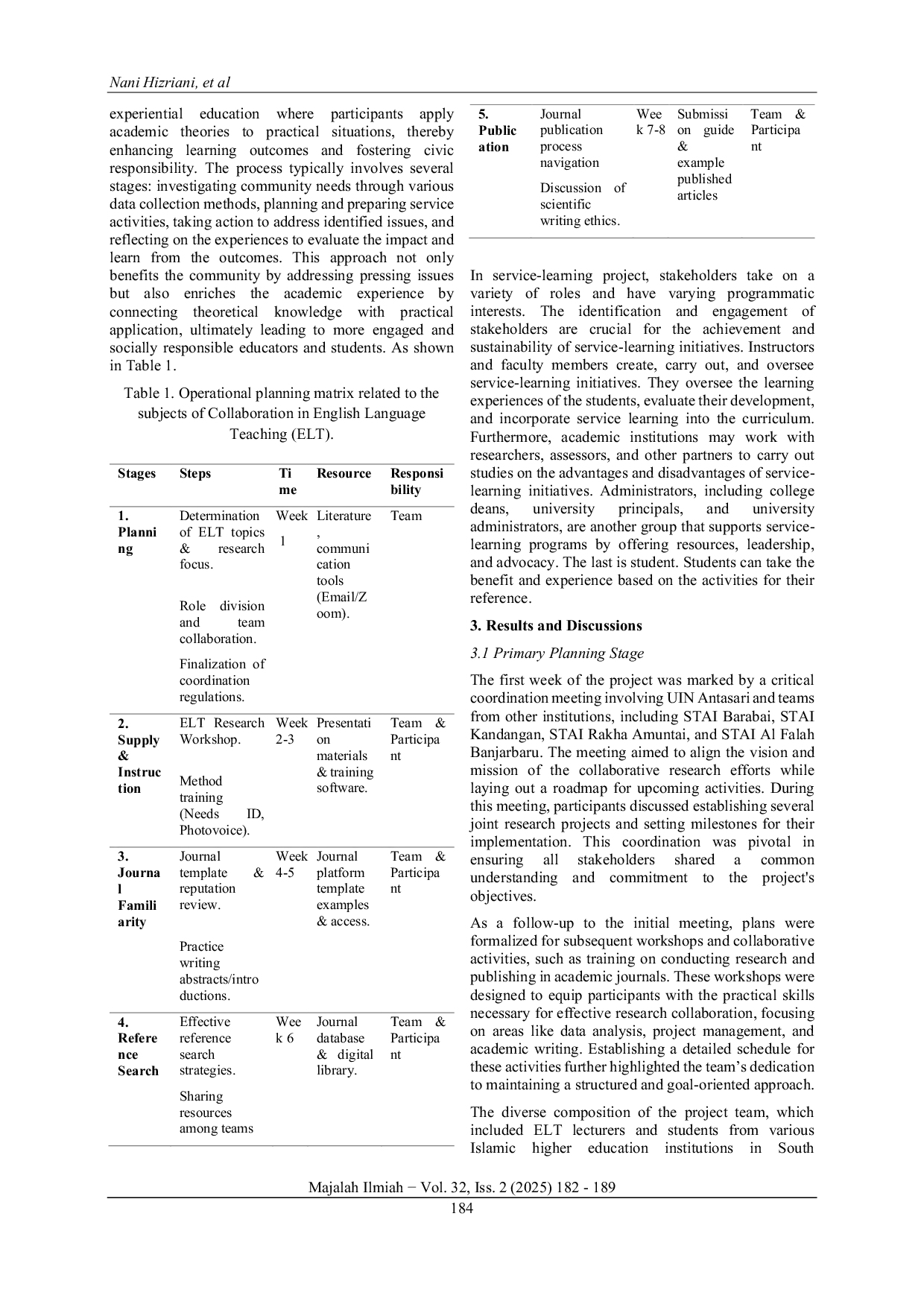
JMI UPIYPTKJMI UPIYPTK The initiative effectively empowered English language lecturers from private universities in South Kalimantan to engage in meaningful collaborative research.The initiative effectively empowered English language lecturers from private universities in South Kalimantan to engage in meaningful collaborative research.
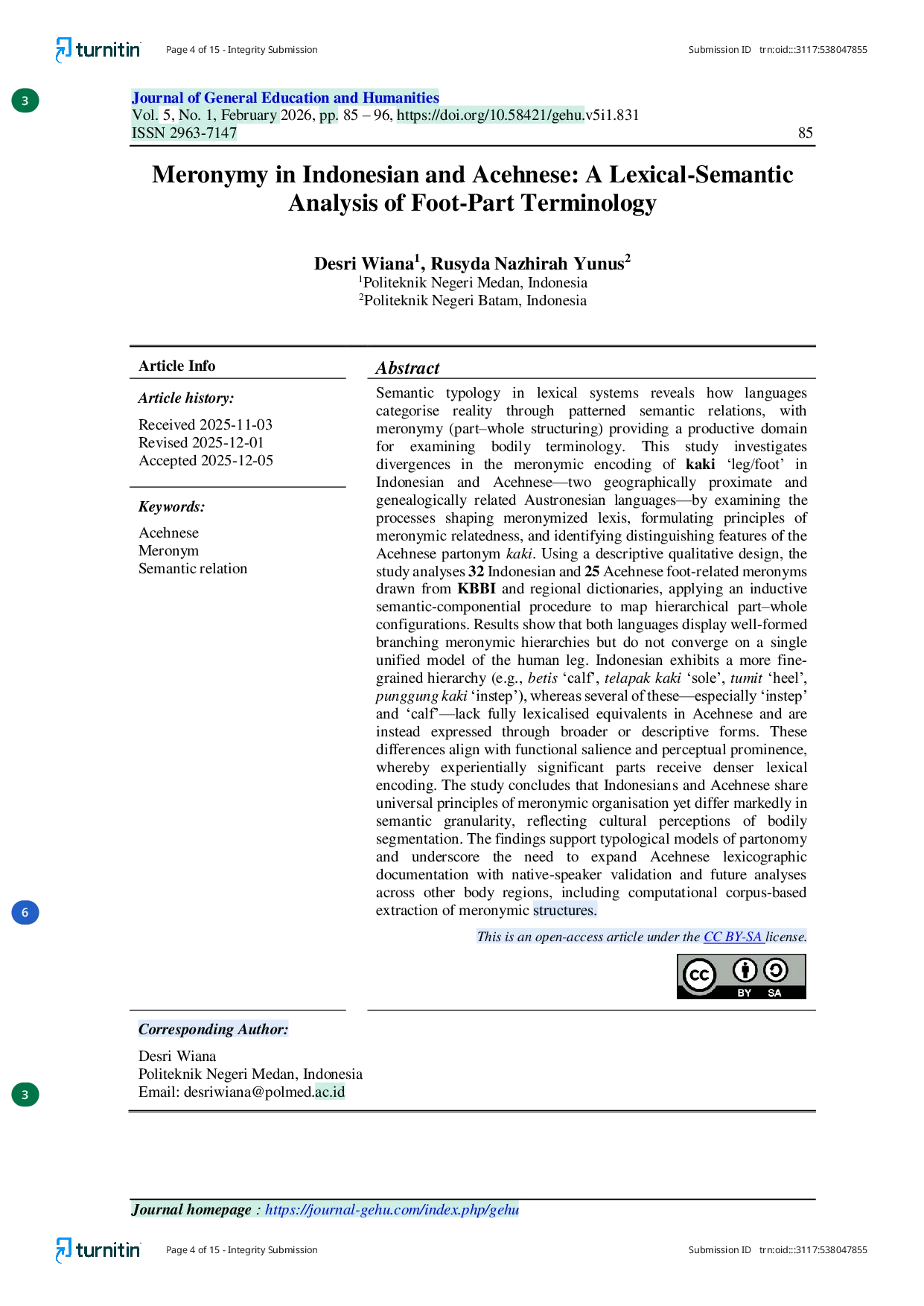
JOURNAL GEHUJOURNAL GEHU Tipologi semantik dalam sistem leksikal mengungkapkan bagaimana bahasa mengkategorikan realitas melalui hubungan semantik yang terstruktur, dengan meronimTipologi semantik dalam sistem leksikal mengungkapkan bagaimana bahasa mengkategorikan realitas melalui hubungan semantik yang terstruktur, dengan meronim
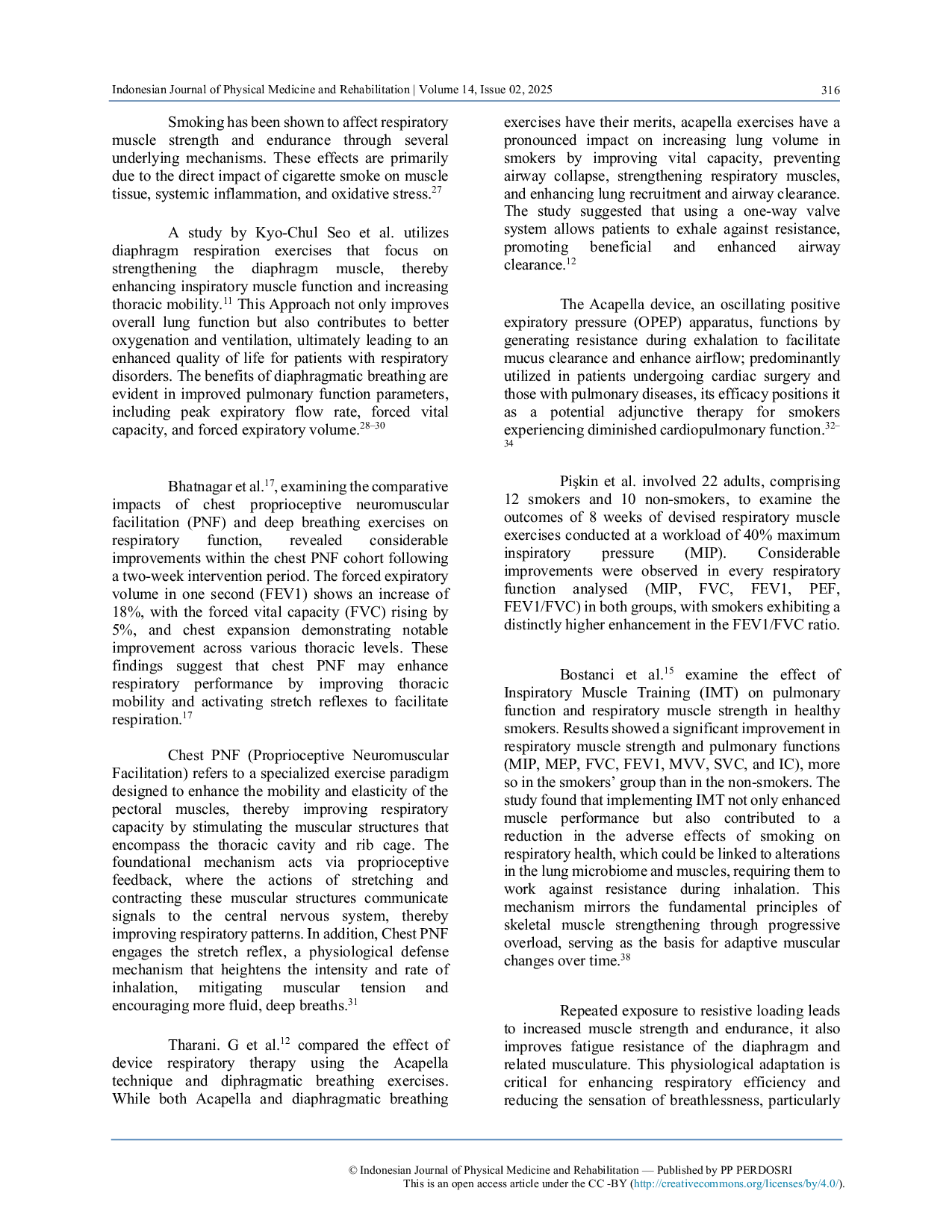
INDOJOURNALPMRINDOJOURNALPMR Penelitian ini bertujuan untuk mengevaluasi efektivitas latihan pernapasan dalam meningkatkan fungsi paru-paru pada perokok dewasa. Metode yang digunakanPenelitian ini bertujuan untuk mengevaluasi efektivitas latihan pernapasan dalam meningkatkan fungsi paru-paru pada perokok dewasa. Metode yang digunakan
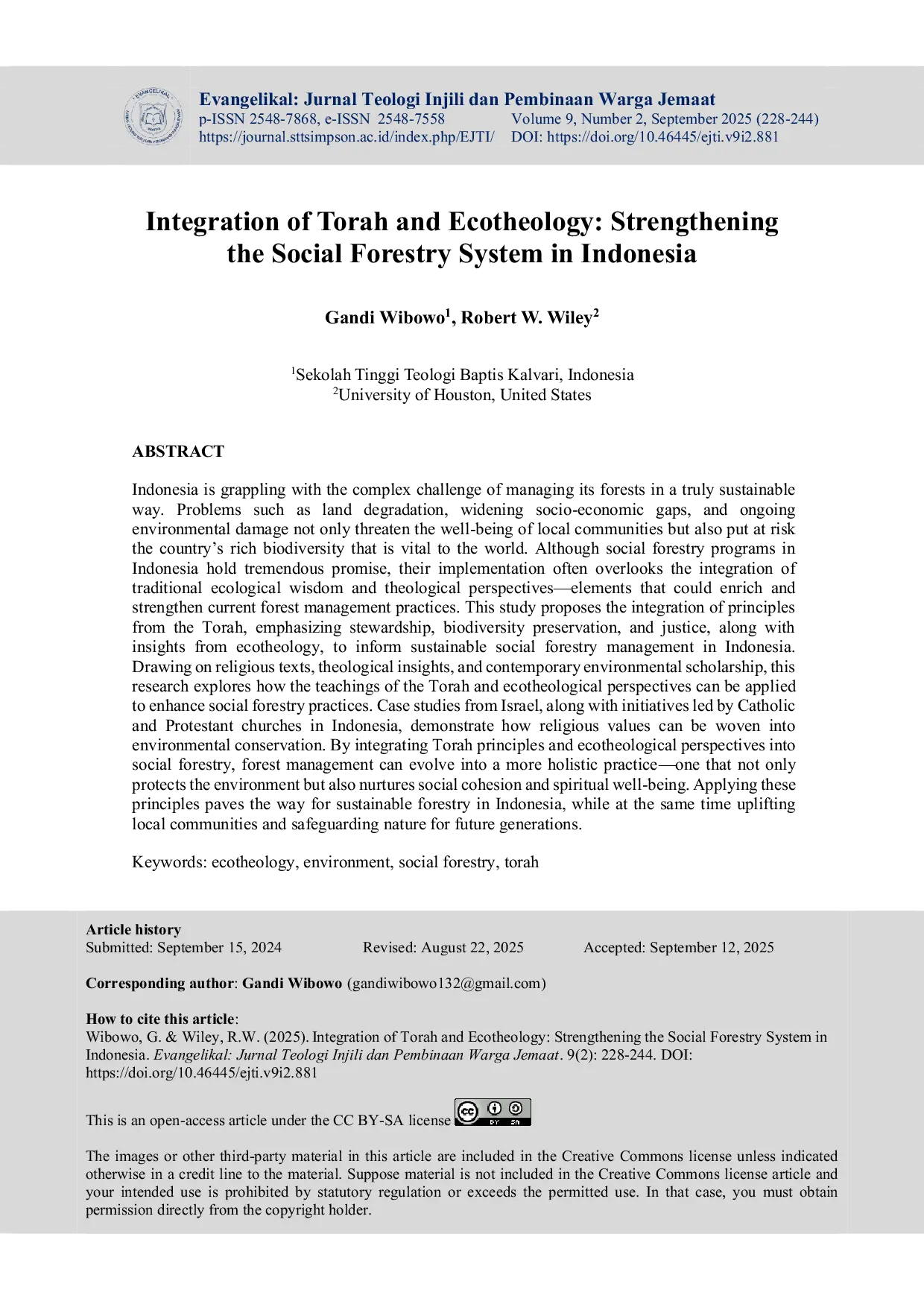
STTSIMPSONSTTSIMPSON Drawing on religious texts, theological insights, and contemporary environmental scholarship, this research explores how the teachings of the Torah andDrawing on religious texts, theological insights, and contemporary environmental scholarship, this research explores how the teachings of the Torah and
UMBUMB Hasil ini mengindikasi efektivitas LightGBM dalam menangani ketidakseimbangan data dan mengidentifikasi ONU jahat secara akurat. Studi ini memberikan implikasiHasil ini mengindikasi efektivitas LightGBM dalam menangani ketidakseimbangan data dan mengidentifikasi ONU jahat secara akurat. Studi ini memberikan implikasi
POLIMEDIAPOLIMEDIA The value of water absorption is estimated using the ratio between the height of water absorption and the time absorption. Based on the results of theThe value of water absorption is estimated using the ratio between the height of water absorption and the time absorption. Based on the results of the
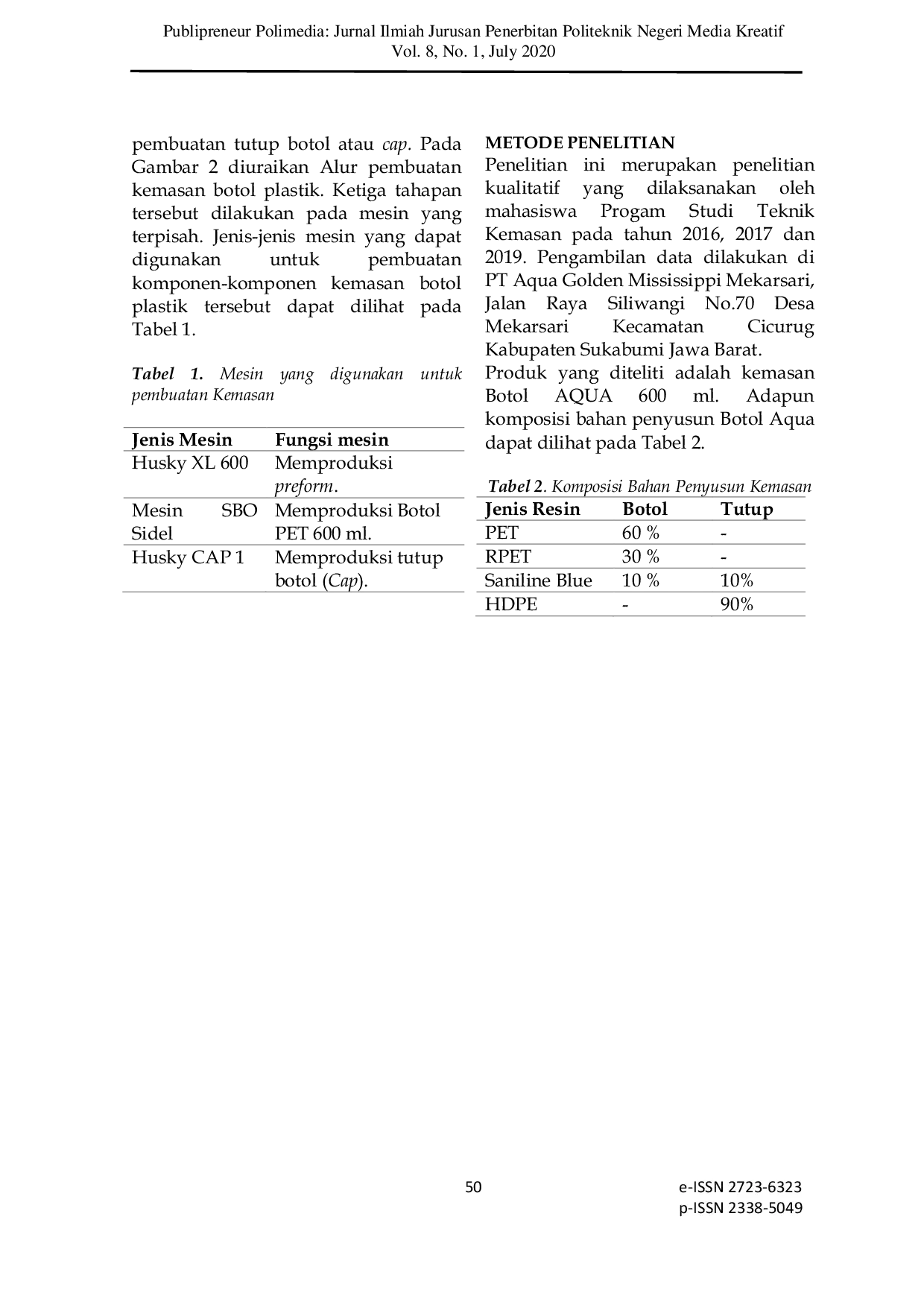
POLIMEDIAPOLIMEDIA Mesin yang digunakan dalam tahapan-tahapan tersebut berbeda dan dalam setiap tahapannya berhasil di klasifikasikan jenis cacat produknya. Pada tahap pembuatanMesin yang digunakan dalam tahapan-tahapan tersebut berbeda dan dalam setiap tahapannya berhasil di klasifikasikan jenis cacat produknya. Pada tahap pembuatan
Useful /
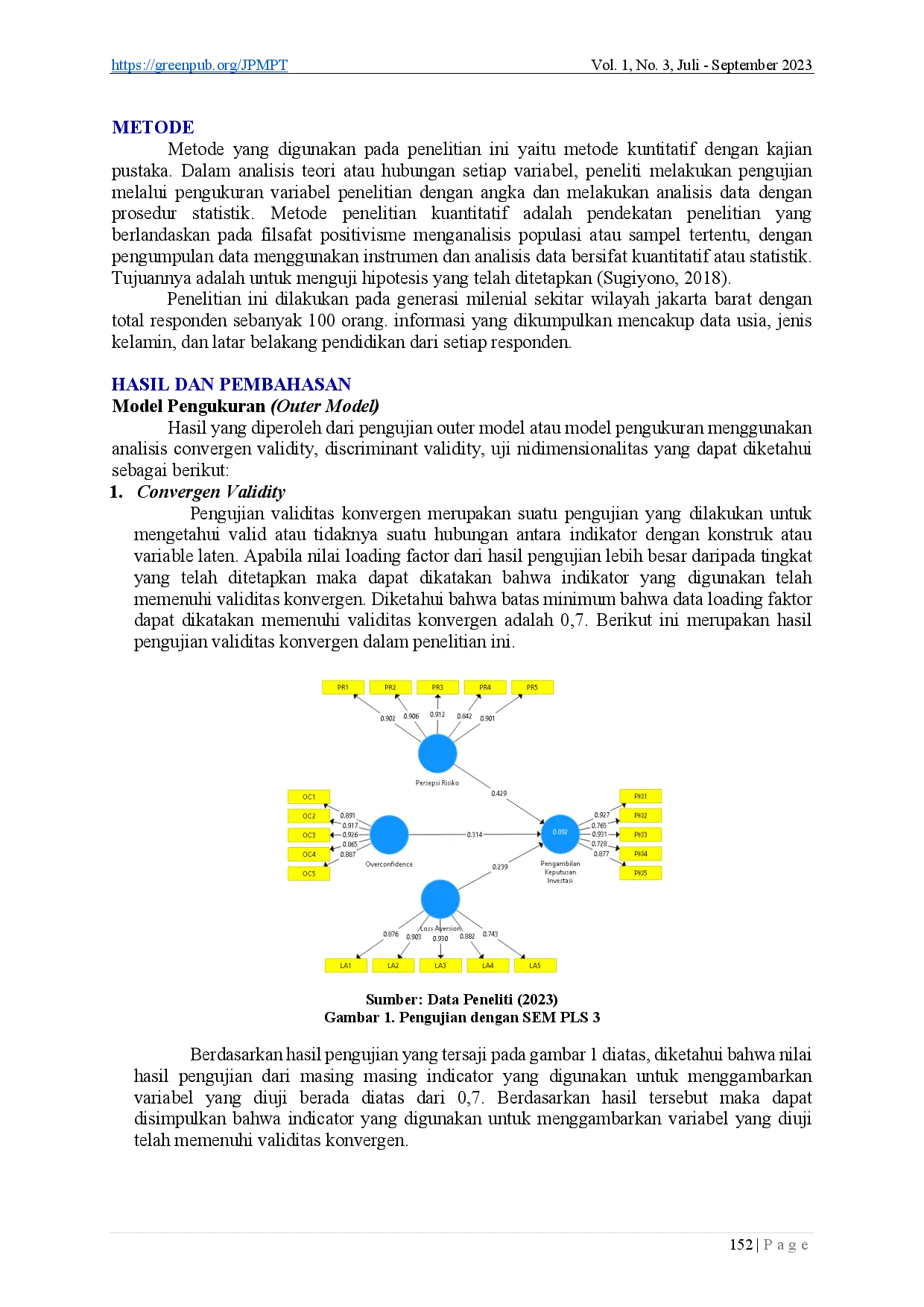
GREENPUBGREENPUB Penelitian ini menganalisis pengaruh dari persepsi risiko, overconfidence dan loss aversion terhadap pengambilan keputusan investasi saham di kalanganPenelitian ini menganalisis pengaruh dari persepsi risiko, overconfidence dan loss aversion terhadap pengambilan keputusan investasi saham di kalangan
DINASTIREVDINASTIREV Aparat nagari harus bersosialisasi, berkomunikasi, serta mendengarkan aspirasi masyarakat melalui musyawarah untuk menghindari kesenjangan sosial. DalamAparat nagari harus bersosialisasi, berkomunikasi, serta mendengarkan aspirasi masyarakat melalui musyawarah untuk menghindari kesenjangan sosial. Dalam

IAIN SUIAIN SU Hasilnya, dapat disimpulkan bahwa jurnal dengan publikasi terbanyak adalah “Media Pustakawan, “ANUVA: Jurnal Kajian Ilmu Budaya, Perpustakaan, danHasilnya, dapat disimpulkan bahwa jurnal dengan publikasi terbanyak adalah “Media Pustakawan, “ANUVA: Jurnal Kajian Ilmu Budaya, Perpustakaan, dan
IAIN SUIAIN SU Penelitian ini dilakukan untuk mengetahui pemetaan informasi sebaran bidang ilmu penelitian yang dilakukan oleh mahasiswa Fakultas Ekonomi berdasarkanPenelitian ini dilakukan untuk mengetahui pemetaan informasi sebaran bidang ilmu penelitian yang dilakukan oleh mahasiswa Fakultas Ekonomi berdasarkan