CIVILIZACIVILIZA
IJoIS: Indonesian Journal of Islamic StudiesIJoIS: Indonesian Journal of Islamic StudiesThis study analyzes the symbolism of rain in the Quran using the semiotic approach developed by Charles S. Peirce. In the Quran, rain is often used as an analogy for various spiritual and moral concepts such as mercy, sustenance, and signs of Allahs power. Peirces concepts—the triadic theory, which involves representamen (the sign itself), object (what the sign refers to), and interpretant (the meaning produced in the observers mind)—is utilized to explore the meaning behind the symbol of rain in Quranic texts. This research interprets various verses mentioning rain to uncover hidden meanings and the contribution of the rain symbol to the overall message of the Quran. By focusing on three verses: QS. Al-Furqan: 48-49 (rain as mercy), QS. Asy-Syuago: 173 (rain as disaster), and QS. An-Nur: 43 (rain as a natural phenomenon), this study reveals how the Quran uses natural symbols to convey spiritual and ethical messages. The results of this analysis are expected to enrich the interpretation of symbolism in sacred literature and demonstrate the relevance of Peirces semiotic theory in the study of religious texts.
Based on the research conducted, it can be concluded that the symbol of rain in the Quran possesses a profound and diverse meaning.Peirces semiotic approach, this study successfully identifies and interprets the symbolism of rain within various spiritual and moral contexts, such as grace, sustenance, and signs of Gods power.The analysis of these three verses demonstrates that the Quran employs natural symbols to convey spiritual and ethical messages to humanity.Ultimately, this research highlights the multifaceted nature of rain as a symbol representing Gods love, punishment, and power over the universe.
Penelitian lanjutan dapat dilakukan dengan memperluas analisis semiotika pada simbol-simbol alam lainnya dalam Al-Quran, seperti matahari, bulan, dan gunung, untuk memahami bagaimana simbol-simbol tersebut berkontribusi pada pesan teologis dan moral yang lebih luas. Selain itu, studi komparatif dapat dilakukan dengan membandingkan interpretasi simbol-simbol alam dalam Al-Quran dengan tradisi penafsiran dalam agama-agama lain, untuk mengidentifikasi persamaan dan perbedaan dalam pemahaman simbolisme religius lintas budaya. Lebih lanjut, penelitian dapat berfokus pada bagaimana pemahaman simbol-simbol alam dalam Al-Quran dapat diintegrasikan dengan pengetahuan ilmiah modern, khususnya dalam bidang ekologi dan lingkungan, untuk mendorong kesadaran akan pentingnya menjaga kelestarian alam sebagai bagian dari ibadah kepada Allah. Penelitian-penelitian ini diharapkan dapat memperkaya khazanah ilmu keislaman dan memberikan kontribusi positif bagi pemahaman yang lebih mendalam tentang hubungan antara manusia, alam, dan Tuhan.
- Symbolism of Rain in the Qur'an: Semiotic Analysis Based on Charles S. Peirce's theory | IJoIS:... doi.org/10.59525/ijois.v6i1.774Symbolism of Rain in the Quran Semiotic Analysis Based on Charles S Peirces theory IJoIS doi 10 59525 ijois v6i1 774
- TAFSIR AYAT KAUNIYAH | Rusydi | Al Qalam: Jurnal Ilmiah Keagamaan dan Kemasyarakatan. tafsir ayat kauniyah... jurnal.stiq-amuntai.ac.id/index.php/al-qalam/article/view/56TAFSIR AYAT KAUNIYAH Rusydi Al Qalam Jurnal Ilmiah Keagamaan dan Kemasyarakatan tafsir ayat kauniyah jurnal stiq amuntai ac index php al qalam article view 56
| File size | 383.41 KB |
| Pages | 10 |
| DMCA | Report |
Related /

JOURNAL GEHUJOURNAL GEHU Data dikumpulkan dari lembar kerja, rekaman layar interaksi siswa dengan AI, dan wawancara semi-terstruktur. Analisis berfokus pada empat indikator pemahaman:Data dikumpulkan dari lembar kerja, rekaman layar interaksi siswa dengan AI, dan wawancara semi-terstruktur. Analisis berfokus pada empat indikator pemahaman:

JOURNAL GEHUJOURNAL GEHU This study aims to analyse the roles of teachers and principals in preventing and addressing bullying through the implementation of G. R. Terrys managementThis study aims to analyse the roles of teachers and principals in preventing and addressing bullying through the implementation of G. R. Terrys management

STAIMA ALHIKAMSTAIMA ALHIKAM Penelitian ini bertujuan untuk mengetahui manajemen pendidikan keluarga, mengembangkan kemandirian anak dan peran manajemen pendidikan dalam keluarga gunaPenelitian ini bertujuan untuk mengetahui manajemen pendidikan keluarga, mengembangkan kemandirian anak dan peran manajemen pendidikan dalam keluarga guna

ALSHOBARALSHOBAR 3) Berdasarkan data uji efektivitas melalui uji n-gain, produk ini masuk dalam kategori sangat efektif dengan skor rata-rata 0,72, sehingga modul ajar3) Berdasarkan data uji efektivitas melalui uji n-gain, produk ini masuk dalam kategori sangat efektif dengan skor rata-rata 0,72, sehingga modul ajar

CIVILIZACIVILIZA Sejarah peradaban Islam klasik membuktikan bahwa umat Islam mampu mengintegrasikan ilmu agama dan ilmu dunia untuk menghasilkan kemajuan besar yang menginspirasiSejarah peradaban Islam klasik membuktikan bahwa umat Islam mampu mengintegrasikan ilmu agama dan ilmu dunia untuk menghasilkan kemajuan besar yang menginspirasi

ALSHOBARALSHOBAR Penelitian ini mengacu pada model pengembangan ADDIE yang memiliki 5 tahapan yakni Analyze, Design, Develop, Implement, Evaluate. Pada tahap analisis,Penelitian ini mengacu pada model pengembangan ADDIE yang memiliki 5 tahapan yakni Analyze, Design, Develop, Implement, Evaluate. Pada tahap analisis,

ALSHOBARALSHOBAR Penelitian ini menyimpulkan bahwa konsep parenting dalam perspektif Al-Quran menggabungkan aspek-aspek positif dari model Barat dan Timur secara terstrukturPenelitian ini menyimpulkan bahwa konsep parenting dalam perspektif Al-Quran menggabungkan aspek-aspek positif dari model Barat dan Timur secara terstruktur

STAIMA ALHIKAMSTAIMA ALHIKAM Tulisan ini untuk mendalami akan pentingnya suatu pengelolaan pembiayaan pendidikan dalam rangka untuk peningkatan kualitas atau mutu pendidikan di lembagaTulisan ini untuk mendalami akan pentingnya suatu pengelolaan pembiayaan pendidikan dalam rangka untuk peningkatan kualitas atau mutu pendidikan di lembaga
Useful /

JOURNAL GEHUJOURNAL GEHU 476). These results confirm the role of spiritual wellbeing as a significant protective factor against psychological distress among Indonesian university476). These results confirm the role of spiritual wellbeing as a significant protective factor against psychological distress among Indonesian university

JOURNAL GEHUJOURNAL GEHU The findings indicate that management functions have not been implemented optimally. In planning, activities are conducted spontaneously, without writtenThe findings indicate that management functions have not been implemented optimally. In planning, activities are conducted spontaneously, without written
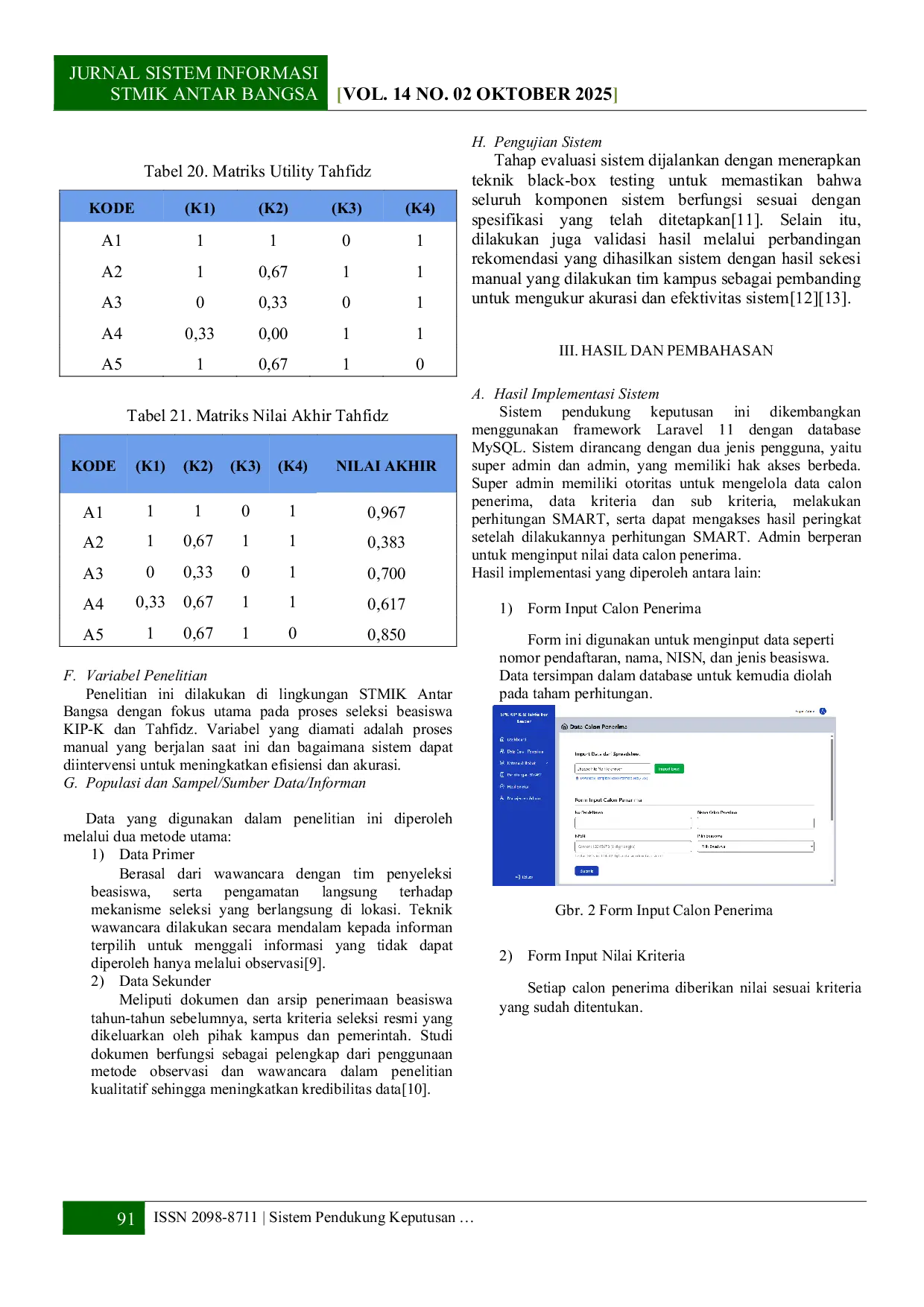
ANTARBANGSAANTARBANGSA Penerapan sistem pendukung keputusan berbasis metode SMART untuk seleksi beasiswa Tahfidz dan KIP‑K di STMIK Antar Bangsa terbukti efektif, meningkatkanPenerapan sistem pendukung keputusan berbasis metode SMART untuk seleksi beasiswa Tahfidz dan KIP‑K di STMIK Antar Bangsa terbukti efektif, meningkatkan
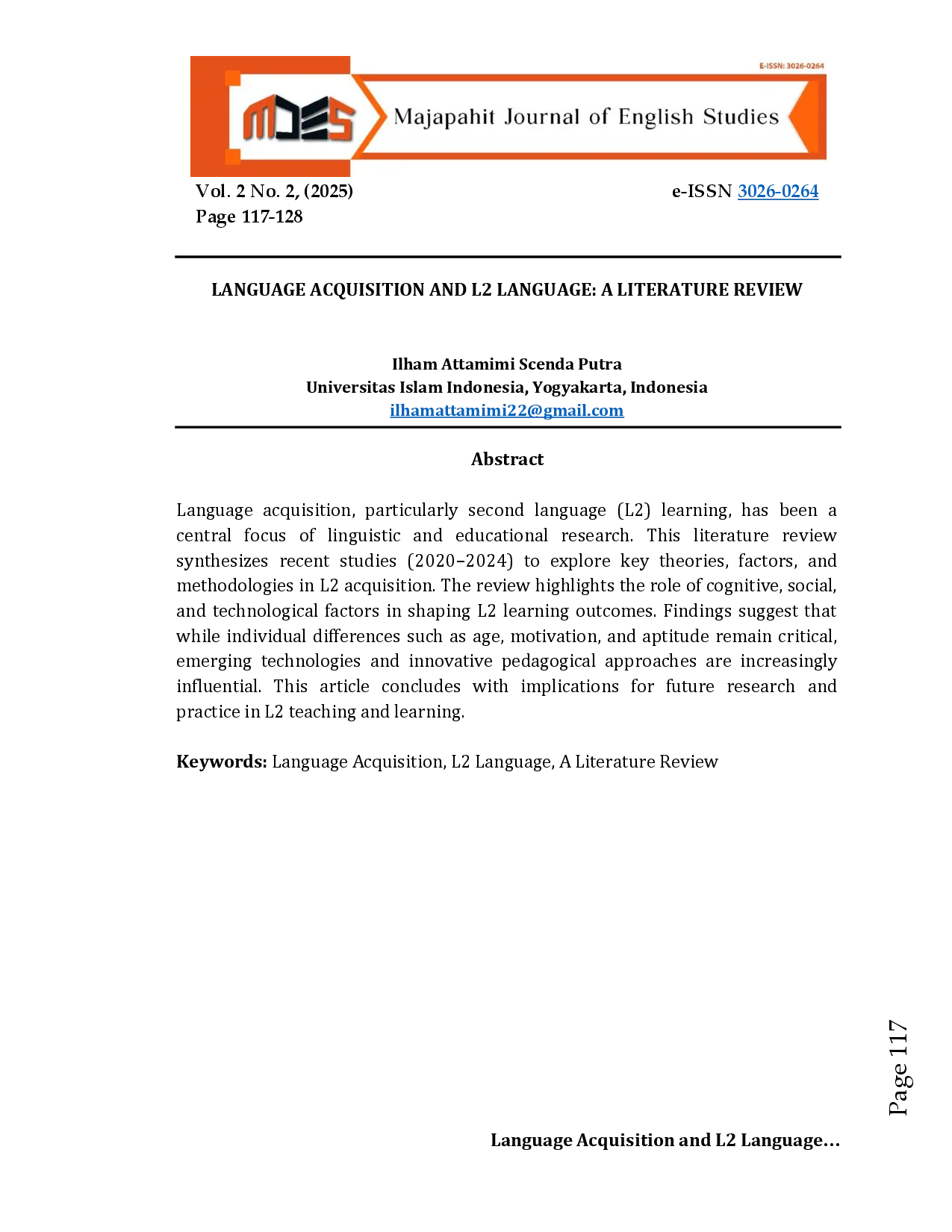
BUSTANUL ULUMBUSTANUL ULUM Temuan menunjukkan bahwa meskipun perbedaan individu seperti usia, motivasi, dan bakat tetap penting, teknologi baru dan pendekatan pedagogis inovatifTemuan menunjukkan bahwa meskipun perbedaan individu seperti usia, motivasi, dan bakat tetap penting, teknologi baru dan pendekatan pedagogis inovatif