BUMIPUBLIKASINUSANTARABUMIPUBLIKASINUSANTARA
ASEAN Journal of Physical Education and Sport ScienceASEAN Journal of Physical Education and Sport ScienceAsymmetry in technical and tactical abilities among basketball players limits overall performance, increases injury risk, and affects long-term athletic development. This study explored the potential of virtual reality training to reduce asymmetric performance among professional basketball players in Shandong, China. A cluster randomized controlled trial was employed to compare virtual reality–based training with conventional asymmetric training. Measurements of technical and tactical abilities were conducted before and after the intervention using validated instruments. The findings revealed that virtual reality training effectively reduced asymmetry in technical abilities, whereas contributed to improvements in tactical abilities. The results highlight the capacity of virtual reality to enhance motor coordination, cognitive adaptation, and learning efficiency. The study provides initial evidence supporting the integration of virtual reality into athlete development programs, offering innovative approaches for improving technical balance and advancing digital transformation in professional sports training.
This pilot study demonstrates that virtual reality training shows promise in reducing asymmetry in technical abilities among professional basketball players compared to conventional training.However, the study found no significant difference between virtual reality and traditional training methods in improving tactical abilities within the two-week intervention period.Further research with longer intervention durations and larger sample sizes is needed to fully explore the potential of virtual reality for enhancing both technical and tactical skills in basketball.
Future research should investigate the long-term effects of virtual reality training on tactical abilities, extending the intervention period beyond two weeks to allow for the development of procedural memory and automated tactical execution. Additionally, studies could explore personalized virtual reality training programs tailored to individual player weaknesses and learning styles, leveraging adaptive algorithms to optimize training intensity and feedback. Finally, research should focus on integrating virtual reality training with traditional on-court practice, examining how the combination of these methods can maximize skill transfer and enhance overall athletic performance, potentially through the development of hybrid training protocols that seamlessly blend virtual and real-world experiences to create a more holistic and effective training regimen for professional basketball players. These investigations should aim to provide a comprehensive understanding of how virtual reality can be strategically implemented to elevate the performance and competitiveness of basketball athletes.
| File size | 520.92 KB |
| Pages | 12 |
| DMCA | Report |
Related /
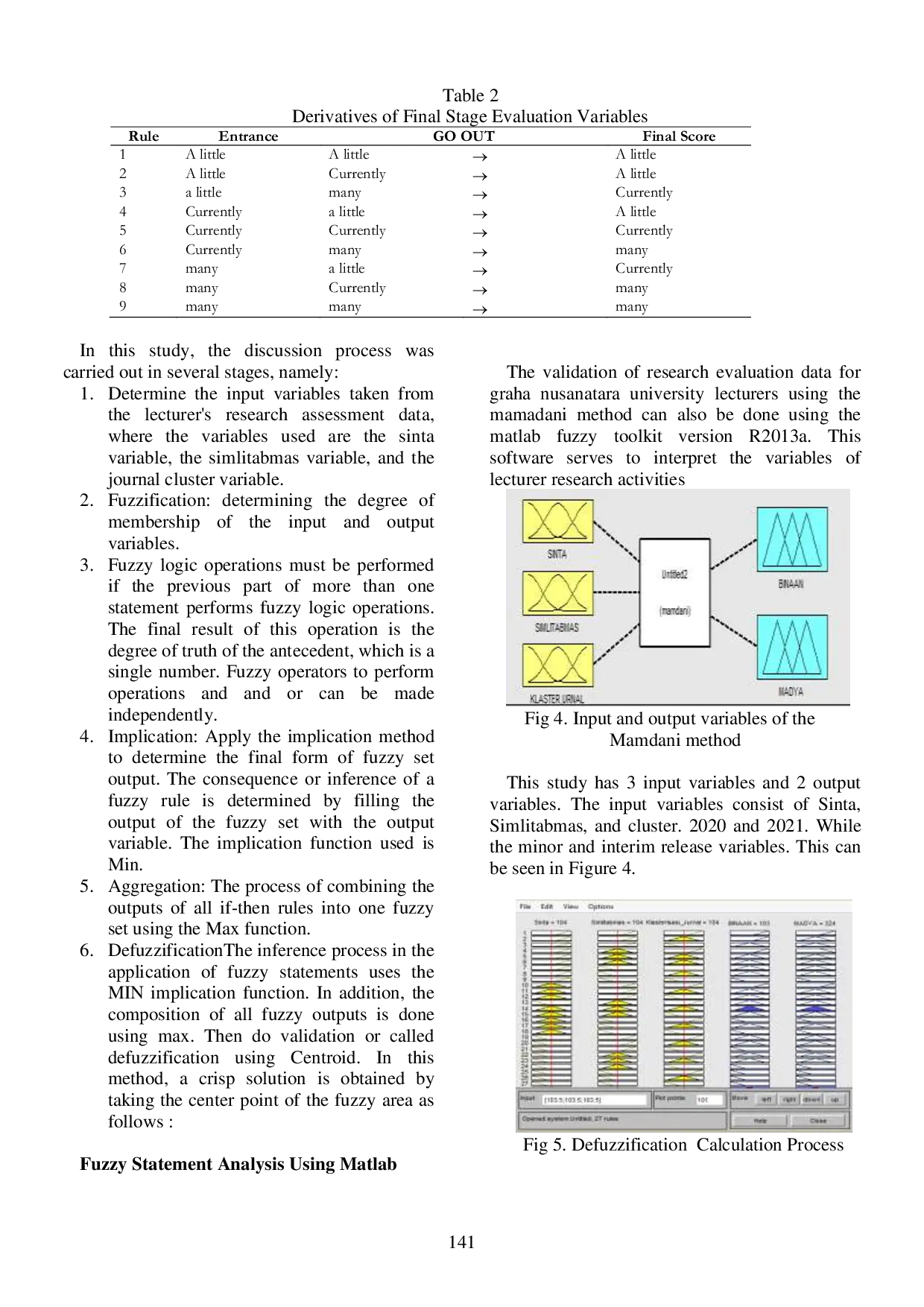
STAIALHIKMAHPARIANGANSTAIALHIKMAHPARIANGAN Untuk itu diperlukan aplikasi yang dapat menghitung dan merekam kinerja dosen pada hasil penelitian. Tujuan penelitian ini adalah menerapkan logika fuzzyUntuk itu diperlukan aplikasi yang dapat menghitung dan merekam kinerja dosen pada hasil penelitian. Tujuan penelitian ini adalah menerapkan logika fuzzy

INDOJOURNALPMRINDOJOURNALPMR Penelitian ini membuktikan bahwa meskipun usia, gangguan kognitif, dan kondisi klinis akut, sebagian besar subjek dapat menerima dan mentoleransi sesiPenelitian ini membuktikan bahwa meskipun usia, gangguan kognitif, dan kondisi klinis akut, sebagian besar subjek dapat menerima dan mentoleransi sesi
STAIALHIKMAHPARIANGANSTAIALHIKMAHPARIANGAN Integrasi elemen sosiokultural seperti folklor ke dalam permainan serius terbukti menjadi strategi efektif untuk pendidikan sejarah, meningkatkan prestasiIntegrasi elemen sosiokultural seperti folklor ke dalam permainan serius terbukti menjadi strategi efektif untuk pendidikan sejarah, meningkatkan prestasi

KALBISKALBIS Digital narrative dari program Ekspedisi Patriot di Teluk Wondama dapat dibangun melalui strategi Shape, Share, dan Showcase. Strategi ini dapat membantuDigital narrative dari program Ekspedisi Patriot di Teluk Wondama dapat dibangun melalui strategi Shape, Share, dan Showcase. Strategi ini dapat membantu
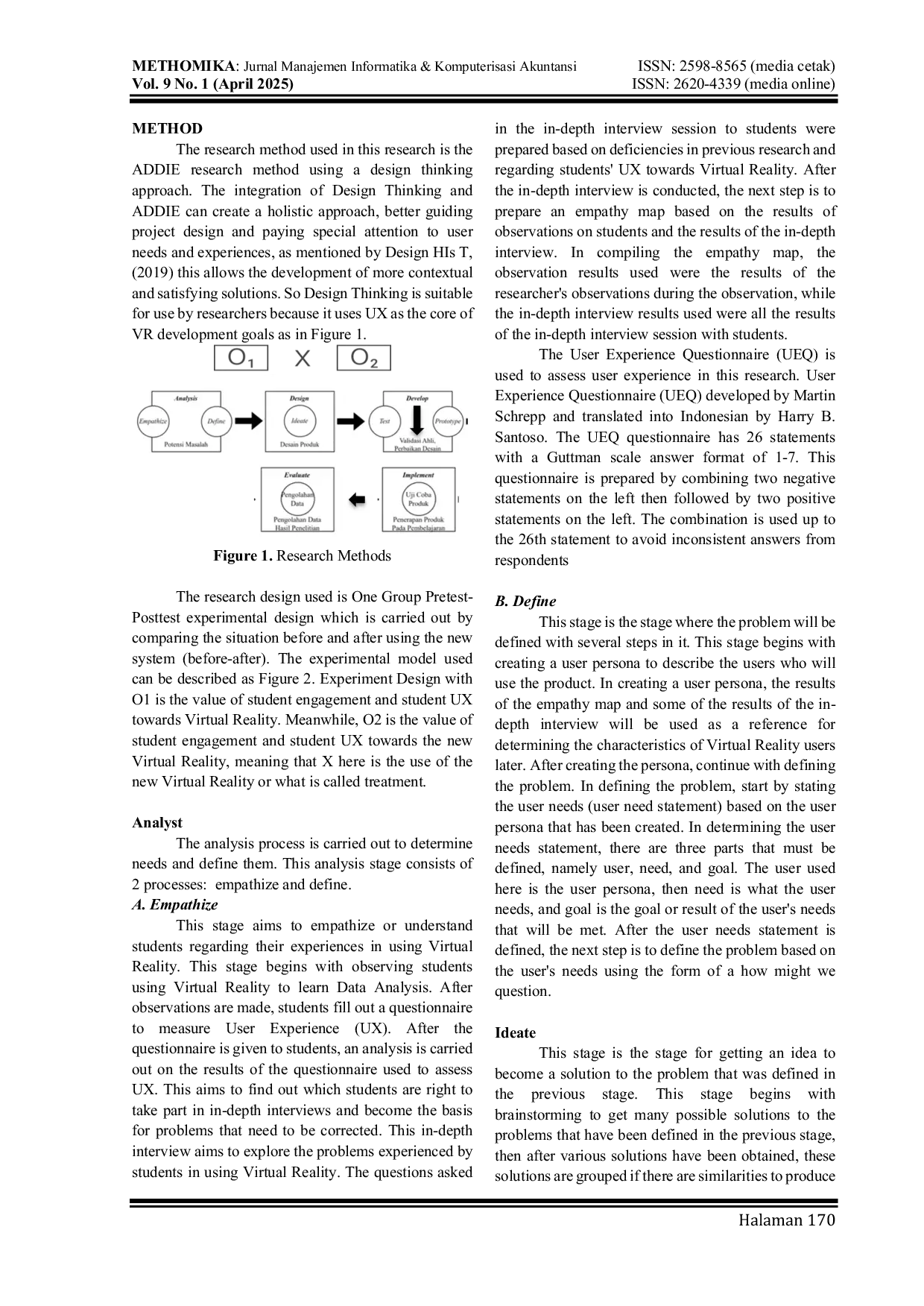
UMIUMI Penelitian selanjutnya disarankan untuk mengeksplorasi kombinasi VR dengan metode pembelajaran lain seperti project-based atau collaborative learning,Penelitian selanjutnya disarankan untuk mengeksplorasi kombinasi VR dengan metode pembelajaran lain seperti project-based atau collaborative learning,
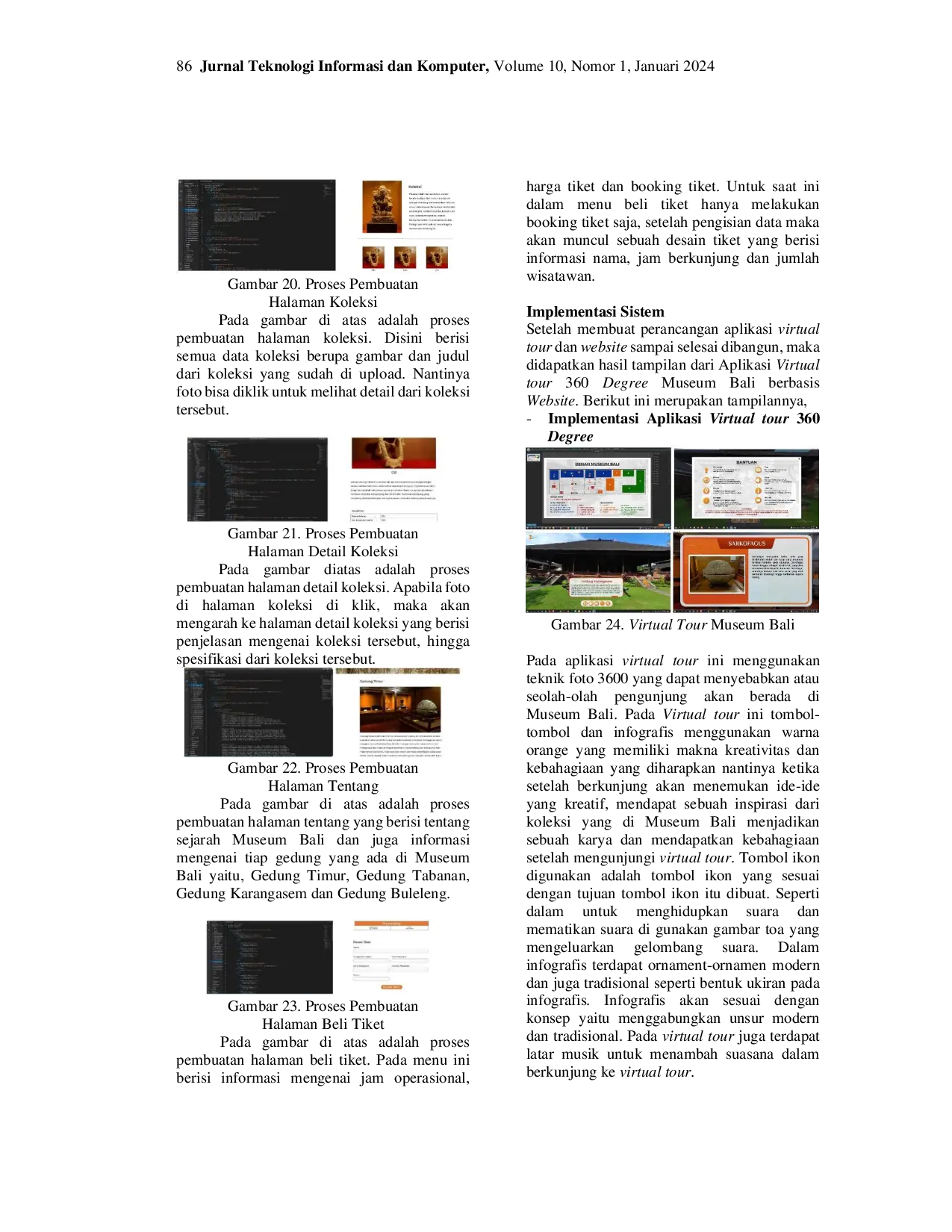
UNDHIRA BALIUNDHIRA BALI Hasil produk berupa aplikasi Virtual Tour 360 Degree UPTD. Museum Bali berbasis website. Dari hasil pengujian blackbox semua fungsi dinyatakan sesuai danHasil produk berupa aplikasi Virtual Tour 360 Degree UPTD. Museum Bali berbasis website. Dari hasil pengujian blackbox semua fungsi dinyatakan sesuai dan
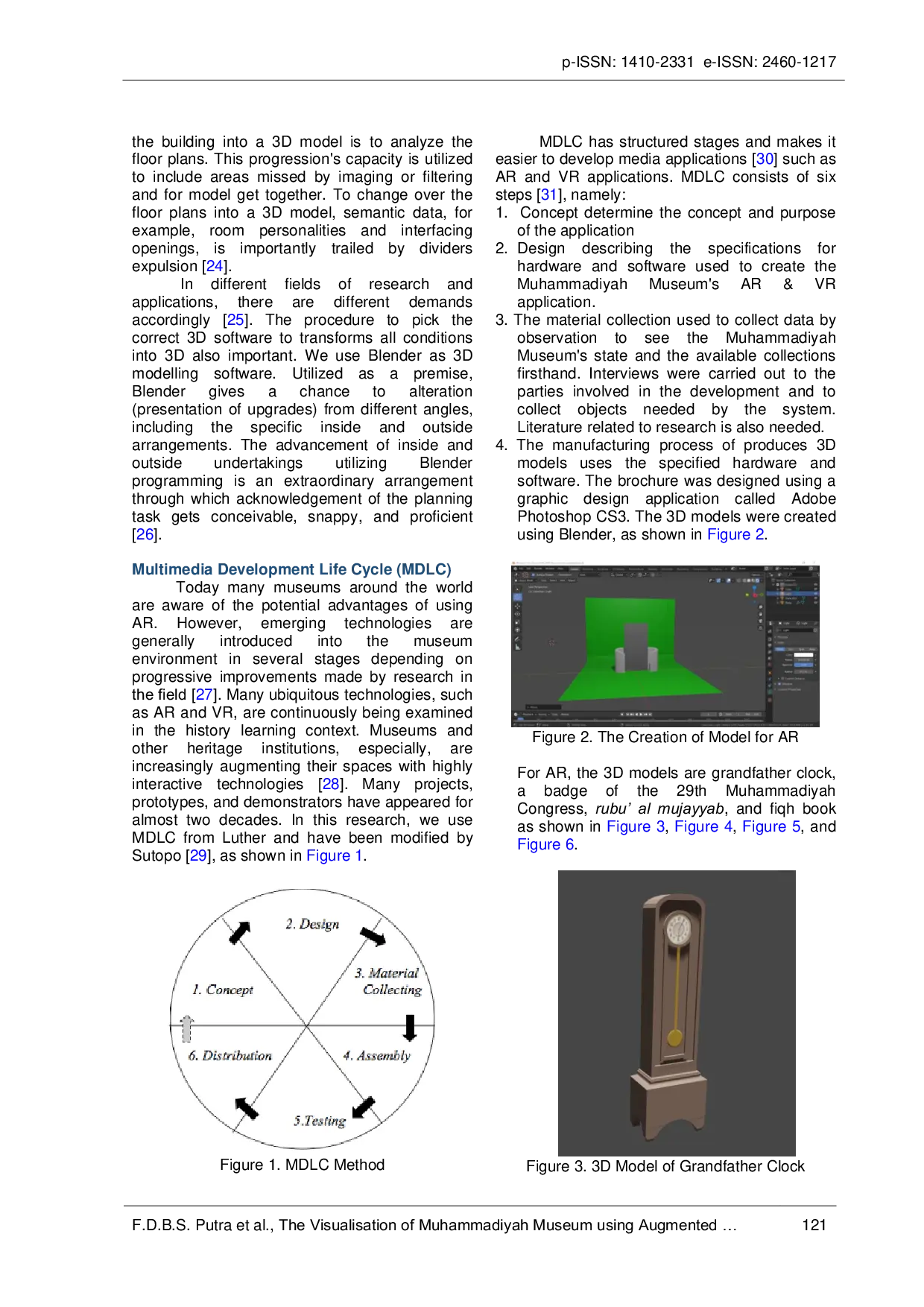
UMBUMB However, in this age of sophistication, the brochure is not effectively used for the millennial generation. Augmented Reality (AR) and Virtual RealityHowever, in this age of sophistication, the brochure is not effectively used for the millennial generation. Augmented Reality (AR) and Virtual Reality
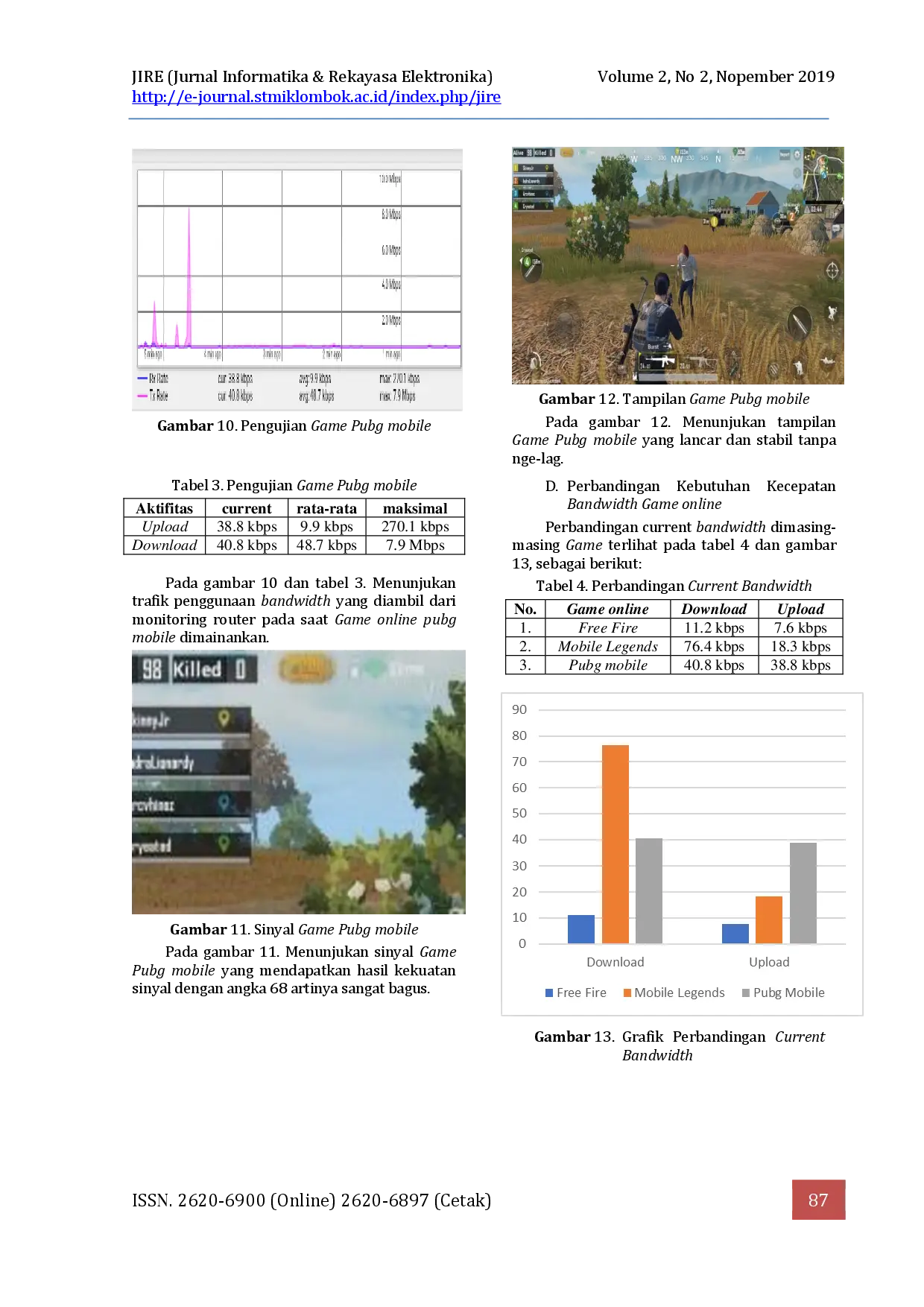
STMIKLOMBOKSTMIKLOMBOK Hal ini membuat pemain Game online akan kalah melawan musuh karena saat avatar Game online tersebut tidak bergerak akan mudah untuk musuh melakukan tembakHal ini membuat pemain Game online akan kalah melawan musuh karena saat avatar Game online tersebut tidak bergerak akan mudah untuk musuh melakukan tembak
Useful /

UNDHIRA BALIUNDHIRA BALI Penelitian ini berhasil merancang sistem absensi digital yang dapat digunakan oleh administrator dan pengajar. Sistem ini dilengkapi dengan fungsi-fungsiPenelitian ini berhasil merancang sistem absensi digital yang dapat digunakan oleh administrator dan pengajar. Sistem ini dilengkapi dengan fungsi-fungsi

UNDHIRA BALIUNDHIRA BALI Perkembangan teknologi informasi seperti saat ini tentunya sangat ber[engaruh pada kemajuan sektor. Teknologi informasi memberikan sebuah kecepatan sertaPerkembangan teknologi informasi seperti saat ini tentunya sangat ber[engaruh pada kemajuan sektor. Teknologi informasi memberikan sebuah kecepatan serta

UNDHIRA BALIUNDHIRA BALI Penempatan jarak kamera dengan marker mempengaruhi aplikasi menampilkan objek rumah adat bandung rangki. Kamera terlalu dekat atau terlalu jauh denganPenempatan jarak kamera dengan marker mempengaruhi aplikasi menampilkan objek rumah adat bandung rangki. Kamera terlalu dekat atau terlalu jauh dengan

STMIKLOMBOKSTMIKLOMBOK Berdasarkan wawancara dengan berbagai narasumber, disimpulkan bahwa perempuan mampu berkarir dengan baik di bidang informatika tanpa terhalang oleh perbedaanBerdasarkan wawancara dengan berbagai narasumber, disimpulkan bahwa perempuan mampu berkarir dengan baik di bidang informatika tanpa terhalang oleh perbedaan