UMBUMB
SINERGISINERGIThere is a lot of media for promotion. The brochure is still widely used because of its simple, portable, and easy to carry anywhere. However, in this age of sophistication, the brochure is not effectively used for the millennial generation. Augmented Reality (AR) and Virtual Reality (VR) have been applied to many applications such as education, tourism, advertising, and news reports. With the rapid development of VR and AR there are higher continuously requirements for enhancing brochure media effectiveness. AR and VR provide a potential solution for interaction between person and brochure as new emerging information technology. In this research, AR and VR are used to better educate tourists and visitors about the museum they choose to visit. Muhammadiyah Museum and its historical collection used as an example of applying AR and VR to the brochure as a promoting media. The Multimedia Development Life Cycle (MDLC) method applied to develop AR and VR. AR and VR system was tested by 30 under graduation students with 74.92% of acceptance. This research shows the AR and VR brochure is very feasible and successfully sent information about the various kinds of historical collections in museum Muhammadiyah and very helpful as promoting media.
The use of brochure media by using AR and VR technology for the Muhammadiyah Museum has been successfully implemented.The application was tested using the Black Box Test, Compatibility Test, Marker Detection Test, and SUS with a successful or feasibility rate of 100%, 100%, 100%, and 74.These results indicate that the Muhammadiyah Museum AR and VR application is very feasible to use, informative, and helpful in introducing the museum to the public.
Further research could explore the integration of haptic feedback into the VR experience to enhance the sense of immersion and allow visitors to virtually interact with museum artifacts. Additionally, studies could investigate the use of artificial intelligence to personalize the AR tour based on visitor interests and prior knowledge, creating a more engaging and tailored learning experience. Finally, research should focus on developing a more robust and user-friendly interface for creating and managing AR/VR museum content, empowering museum staff to easily update and expand the virtual exhibits without requiring specialized technical skills. These advancements will not only enrich the visitor experience but also contribute to the broader field of cultural heritage preservation and digital storytelling, making museum collections more accessible and engaging for diverse audiences.
- Effectivity of Augmented Reality as Media for History Learning | International Journal of Emerging Technologies... doi.org/10.3991/ijet.v14i16.10663Effectivity of Augmented Reality as Media for History Learning International Journal of Emerging Technologies doi 10 3991 ijet v14i16 10663
- THE VISUALISATION OF MUHAMMADIYAH MUSEUM USING AUGMENTED AND VIRTUAL REALITY TECHNOLOGY | Putra | SINERGI.... doi.org/10.22441/sinergi.2021.2.002THE VISUALISATION OF MUHAMMADIYAH MUSEUM USING AUGMENTED AND VIRTUAL REALITY TECHNOLOGY Putra SINERGI doi 10 22441 sinergi 2021 2 002
- The Impact of an Interactive Virtual Museum on Students’ Attitudes Toward Cultural Heritage Education... online-journals.org/index.php/i-jet/article/view/5300The Impact of an Interactive Virtual Museum on StudentsAo Attitudes Toward Cultural Heritage Education online journals index php i jet article view 5300
| File size | 549.28 KB |
| Pages | 8 |
| DMCA | Report |
Related /
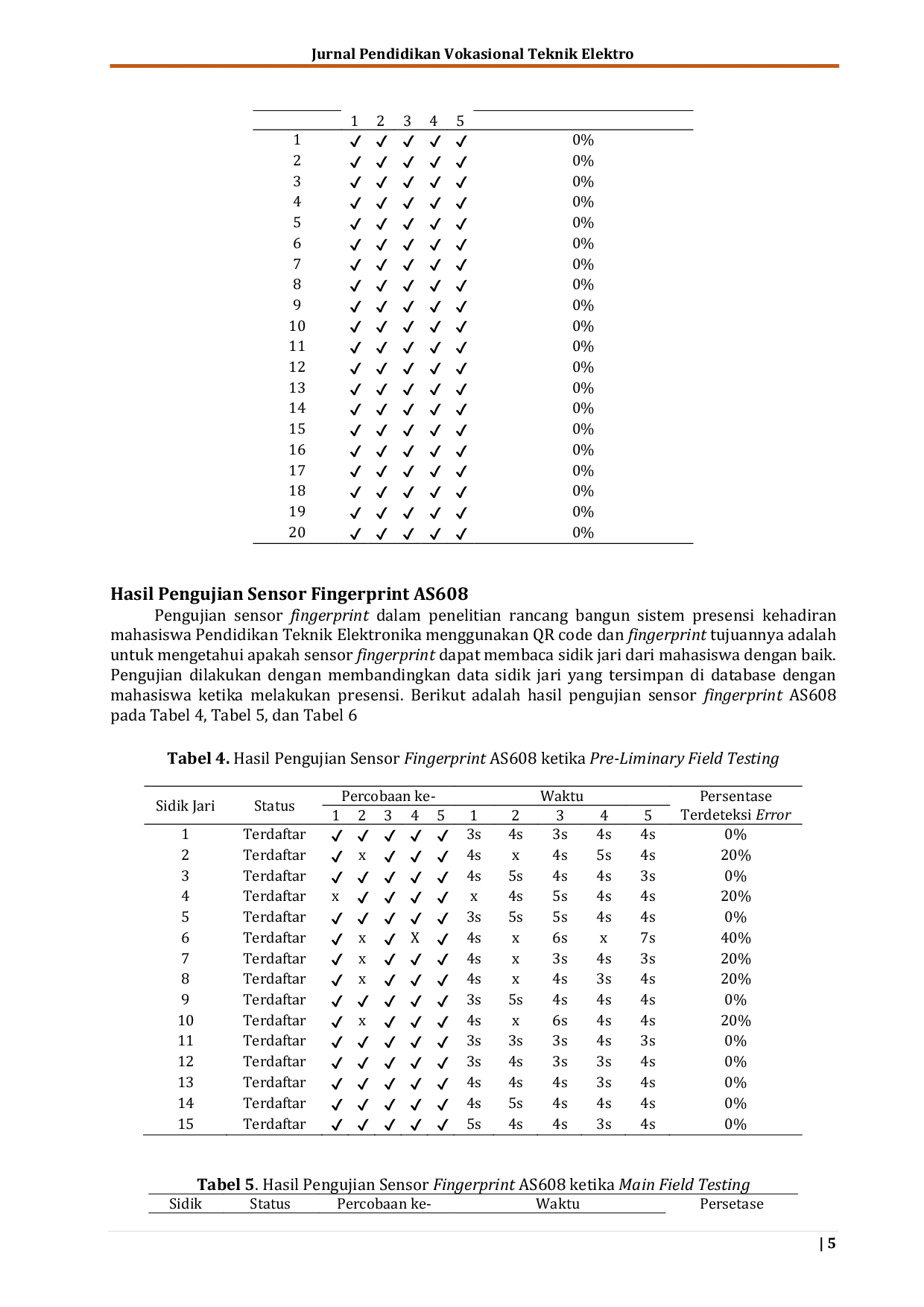
UNJUNJ Berdasarkan perumusan masalah penelitian dan dilaksanakannya penelitian sistem presensi kehadiran mahasiswa Pendidikan Teknik Elektronika menggunakan QRBerdasarkan perumusan masalah penelitian dan dilaksanakannya penelitian sistem presensi kehadiran mahasiswa Pendidikan Teknik Elektronika menggunakan QR

MASOEMUNIVERSITYMASOEMUNIVERSITY Pendekatan instruksional yang dianut mencakup kombinasi pemaparan materi dan demonstrasi, disertai ketersediaan materi modul. Modul ini disusun secaraPendekatan instruksional yang dianut mencakup kombinasi pemaparan materi dan demonstrasi, disertai ketersediaan materi modul. Modul ini disusun secara

JURNALDIDAKTIKAJURNALDIDAKTIKA Hasil penelitian berupa dokumen draft framework yang telah disusun secara sistematis dan dilengkapi dengan instrumen pendukung seperti rubrik penilaian,Hasil penelitian berupa dokumen draft framework yang telah disusun secara sistematis dan dilengkapi dengan instrumen pendukung seperti rubrik penilaian,
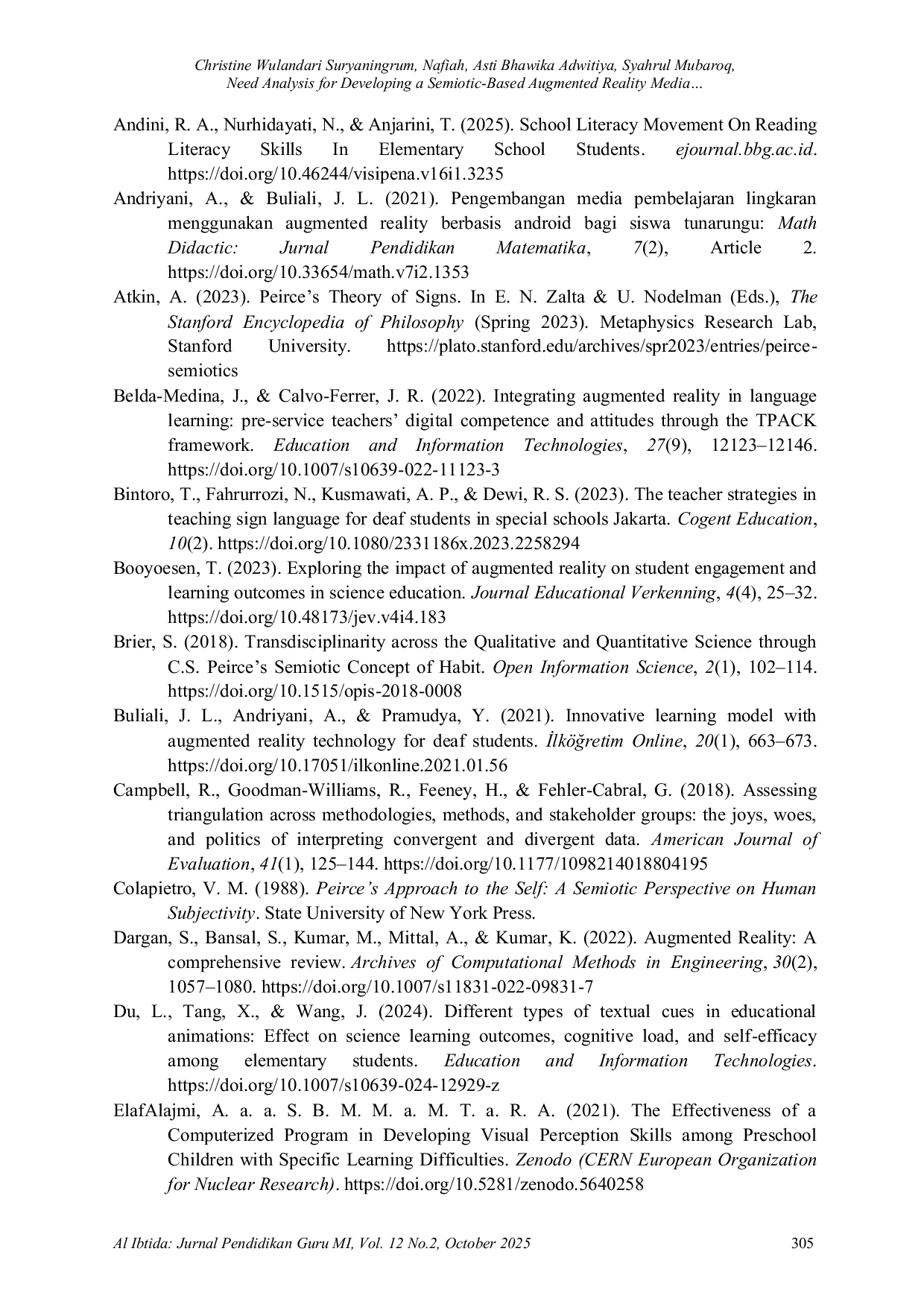
SYEKH NURJATISYEKH NURJATI This study aims to analyze the needs for developing a semiotic-based Augmented Reality (AR) learning medium to enhance numeracy literacy among deaf students.This study aims to analyze the needs for developing a semiotic-based Augmented Reality (AR) learning medium to enhance numeracy literacy among deaf students.
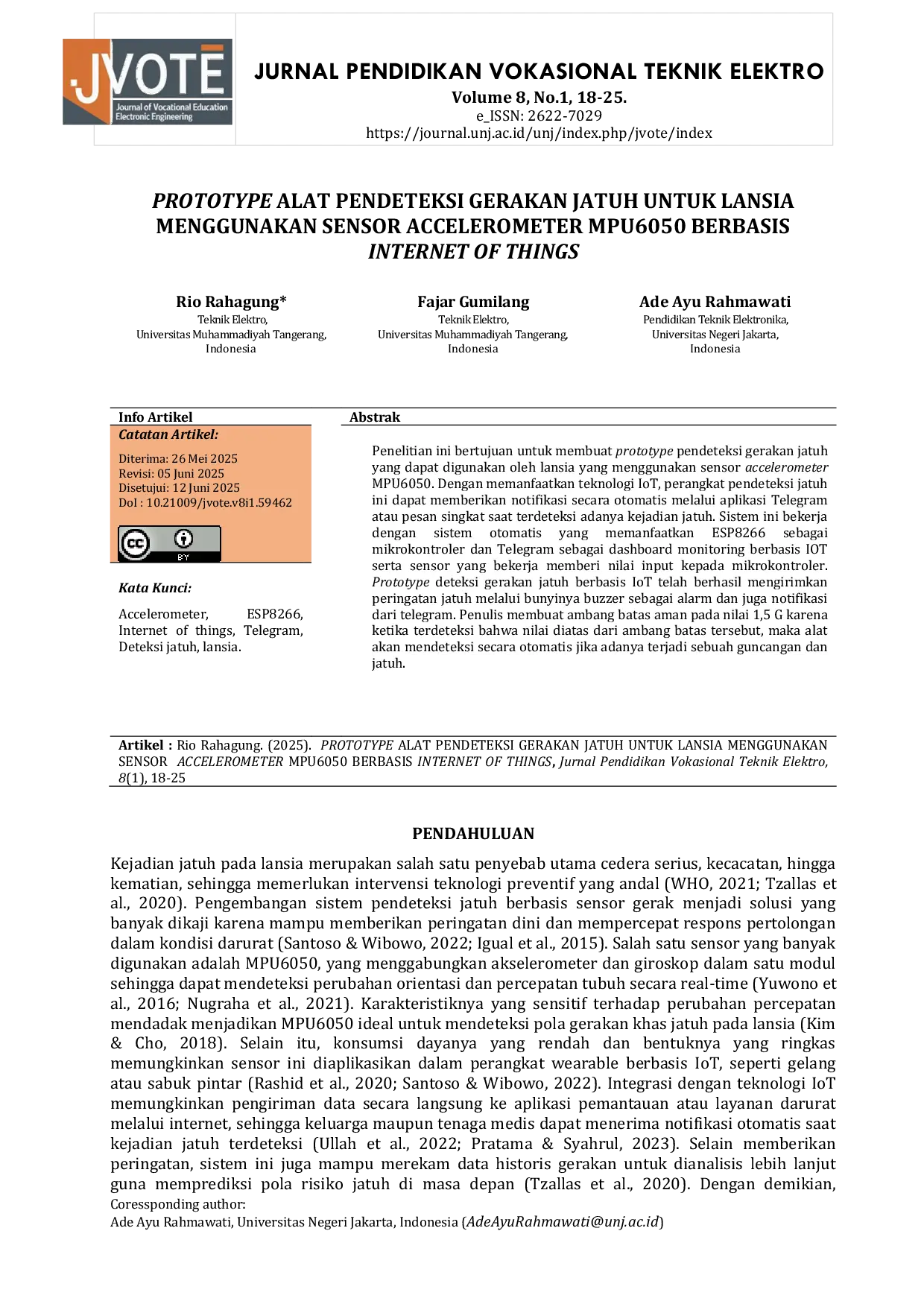
UNJUNJ Berdasarkan hasil pengujian, alat berhasil mendeteksi gerakan jatuh secara akurat berdasarkan ambang batas percepatan dan sudut rotasi yang telah ditentukan.Berdasarkan hasil pengujian, alat berhasil mendeteksi gerakan jatuh secara akurat berdasarkan ambang batas percepatan dan sudut rotasi yang telah ditentukan.
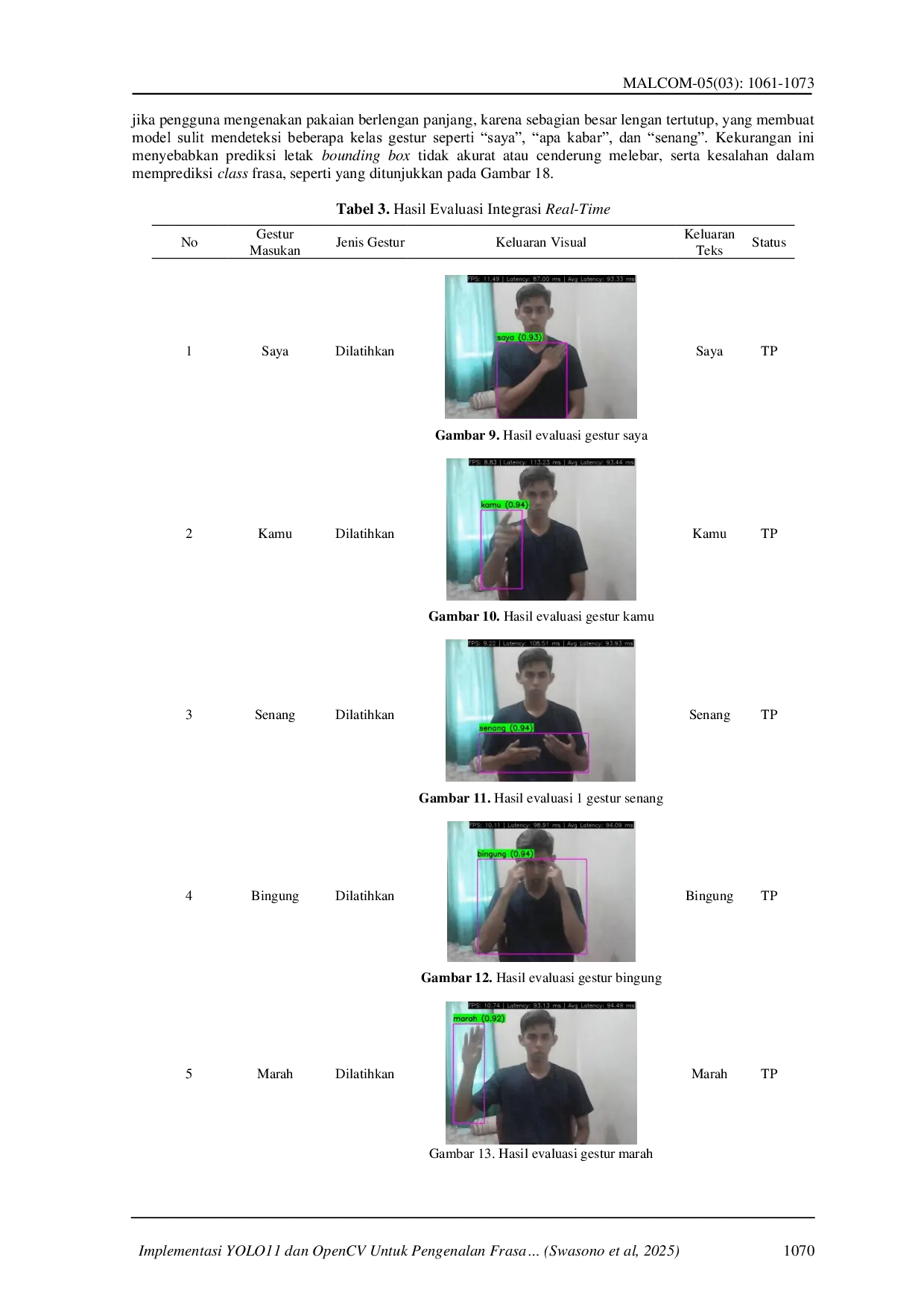
IRPIIRPI Penelitian ini berhasil membangun program untuk pengenalan frasa bahasa isyarat tangan BISINDO secara real-time dengan mengintegrasikan algoritma YOLO11Penelitian ini berhasil membangun program untuk pengenalan frasa bahasa isyarat tangan BISINDO secara real-time dengan mengintegrasikan algoritma YOLO11

ISI DPSISI DPS Dengan menggabungkan seni dan teknologi, sebuah aplikasi Android dikembangkan untuk mendigitalisasi Topeng Sidakarya. Aplikasi ini berisi informasi lengkapDengan menggabungkan seni dan teknologi, sebuah aplikasi Android dikembangkan untuk mendigitalisasi Topeng Sidakarya. Aplikasi ini berisi informasi lengkap
UMMATUMMAT Tantangan utama dalam implementasi AR meliputi pengembangan konten yang sesuai dengan kurikulum, keterbatasan pelatihan bagi guru, serta kompatibilitasTantangan utama dalam implementasi AR meliputi pengembangan konten yang sesuai dengan kurikulum, keterbatasan pelatihan bagi guru, serta kompatibilitas
Useful /

MASOEMUNIVERSITYMASOEMUNIVERSITY Hasil implementasi menunjukkan bahwa sistem ini mampu meningkatkan efisiensi pendataan, mempercepat proses pelaporan, dan mempermudah pemantauan capaianHasil implementasi menunjukkan bahwa sistem ini mampu meningkatkan efisiensi pendataan, mempercepat proses pelaporan, dan mempermudah pemantauan capaian
MASOEMUNIVERSITYMASOEMUNIVERSITY Ciparay RT 04/08, Desa Bumiwangi Kecamatan Ciparay, Kabupaten Bandung. Metode yang digunakan menggunakan PAR (Participacy Action Research). Setelah kegiatanCiparay RT 04/08, Desa Bumiwangi Kecamatan Ciparay, Kabupaten Bandung. Metode yang digunakan menggunakan PAR (Participacy Action Research). Setelah kegiatan
MASOEMUNIVERSITYMASOEMUNIVERSITY Kegiatan pengabdian masyarakat “Pemahaman Dasar-dasar Komputer di SDN Neglasari berhasil dilaksanakan dengan baik pada 24 Juli 2025. Kegiatan ini efektifKegiatan pengabdian masyarakat “Pemahaman Dasar-dasar Komputer di SDN Neglasari berhasil dilaksanakan dengan baik pada 24 Juli 2025. Kegiatan ini efektif
UNJUNJ Penelitian ini menggunakan 250 foto dari 10 orang, dengan dataset tersebut akan mengidentifikasi 10 identitas wajah. Berdasarkan hasil pengujian menggunakanPenelitian ini menggunakan 250 foto dari 10 orang, dengan dataset tersebut akan mengidentifikasi 10 identitas wajah. Berdasarkan hasil pengujian menggunakan