UGMUGM
Jurnal KawistaraJurnal KawistaraExisting studies on Indonesias blasphemy law have primarily focused on its constitutional foundations and judicial interpretation. This study examines the intricate dynamics of blasphemy laws in Indonesia, with a particular focus on their implications in the digital era. Building on this body of work, this article shifts attention to the practical criminalization of blasphemy in the context of social media. While these laws aim to protect religion and religious values, they often result in the criminalization of certain expressions, particularly in virtual spaces. This research scrutinizes the intersection between blasphemy laws and the Electronic Information and Transactions Law, highlighting the tensions between freedom of expression, the right to practice religion and belief, and the role of technology in modern legal frameworks. The primary analysis adopts a critical criminological perspective, suggesting that those in power can legislate and criminalize anyone. This study examines the impact of public perceptions on legal processes in blasphemy cases. Data collection techniques include searching and sorting related news articles and legal text documents. Thematic analysis is employed to uncover patterns and dynamics of power embedded in the narratives. The findings indicate how these legal tools exacerbate societal divisions and contribute to the escalation of inter-religious tensions, especially in the context of online content, reflecting broader sociopolitical dynamics and moral judgments. The research results underscore the need for a more nuanced understanding of blasphemy law and a critical re-evaluation of its application, taking into account both legal and philosophical perspectives. The media plays an important role in shaping narratives and influencing judicial outcomes, emphasizing the intersection of law, media, and society in the context of blasphemy allegations.
The study reveals that Indonesias blasphemy law, despite its intent to protect religious sentiments, often leads to the criminalization of expressions, particularly in the digital realm.The ambiguity inherent in the laws interpretation and enforcement, coupled with the influence of public opinion and social media dynamics, contributes to societal divisions and intolerance.A critical criminological perspective highlights how these laws function as tools of social control, reflecting power imbalances and potentially infringing upon fundamental freedoms.
Further research should investigate the role of digital platforms in amplifying religious tensions and shaping public perceptions of blasphemy, exploring how algorithms and content moderation policies contribute to the escalation of conflicts. Additionally, a comparative study examining blasphemy laws in other countries with diverse religious landscapes could provide valuable insights into alternative approaches that balance freedom of expression with the protection of religious beliefs. Finally, research is needed to assess the effectiveness of restorative justice approaches in resolving blasphemy-related conflicts, focusing on dialogue and reconciliation as alternatives to punitive measures, and to explore the potential for legal reforms that clarify the definition of blasphemy and safeguard fundamental rights while respecting religious sensitivities. These studies should involve qualitative interviews with individuals affected by blasphemy accusations, legal experts, and religious leaders to gain a nuanced understanding of the challenges and opportunities for promoting religious tolerance and freedom of expression in Indonesia.
- How Criminalization of Blasphemy on Social Media Intensifies Social Division: A Critical Criminology... doi.org/10.22146/kawistara.105095How Criminalization of Blasphemy on Social Media Intensifies Social Division A Critical Criminology doi 10 22146 kawistara 105095
- An Asymmetric Moral Conformity Effect - Dries H. Bostyn, Arne Roets, 2017. asymmetric moral conformity... doi.org/10.1177/1948550616671999An Asymmetric Moral Conformity Effect Dries H Bostyn Arne Roets 2017 asymmetric moral conformity doi 10 1177 1948550616671999
- New abolition, criminology and a critical carceral studies - Michelle Brown, Judah Schept, 2017. abolition... doi.org/10.1177/1462474516666281New abolition criminology and a critical carceral studies Michelle Brown Judah Schept 2017 abolition doi 10 1177 1462474516666281
| File size | 293.48 KB |
| Pages | 15 |
| DMCA | Report |
Related /
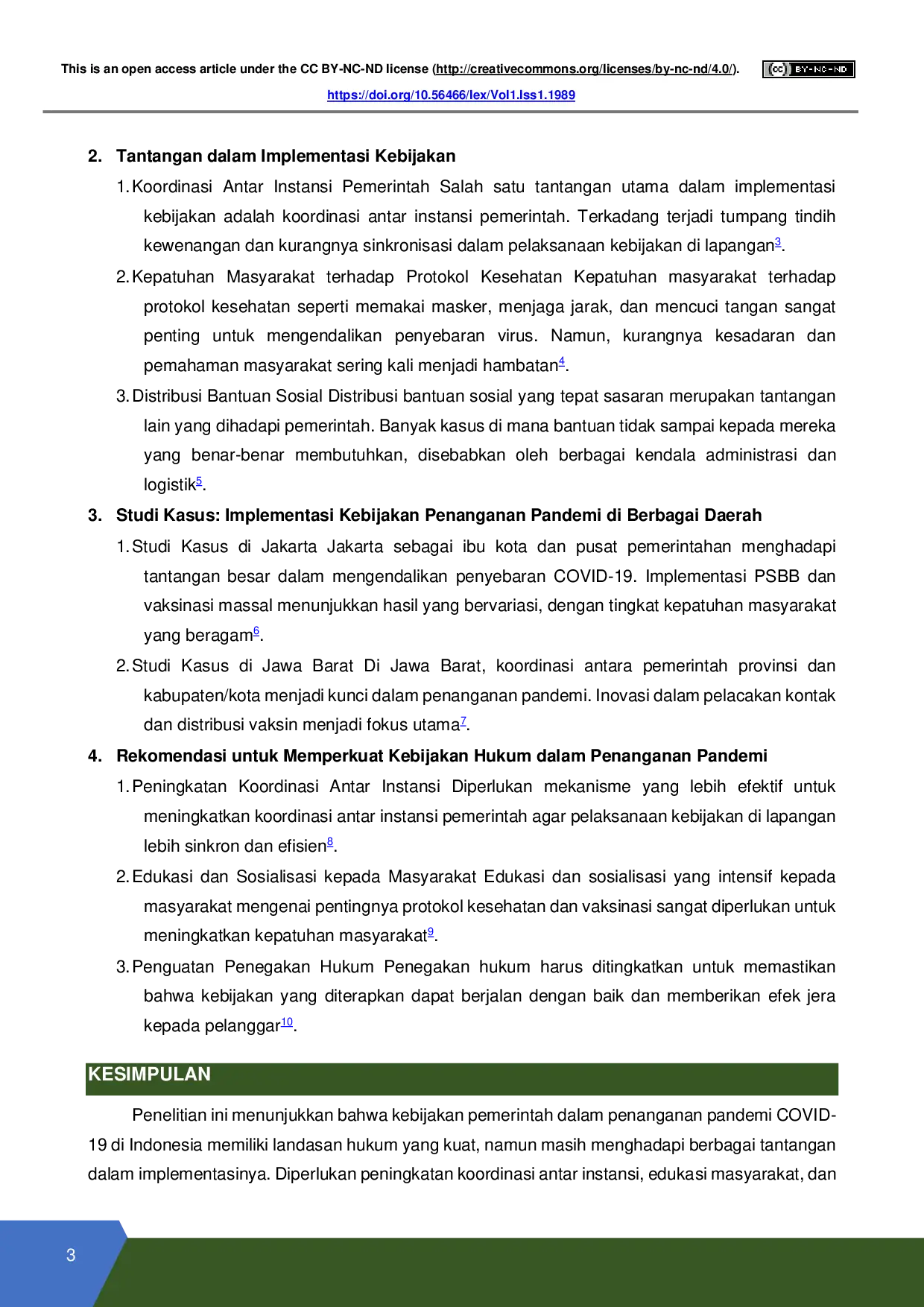
HTPHTP Penelitian ini menunjukkan bahwa kebijakan pemerintah dalam penanganan pandemi COVID-19 di Indonesia memiliki landasan hukum yang kuat, namun masih menghadapiPenelitian ini menunjukkan bahwa kebijakan pemerintah dalam penanganan pandemi COVID-19 di Indonesia memiliki landasan hukum yang kuat, namun masih menghadapi
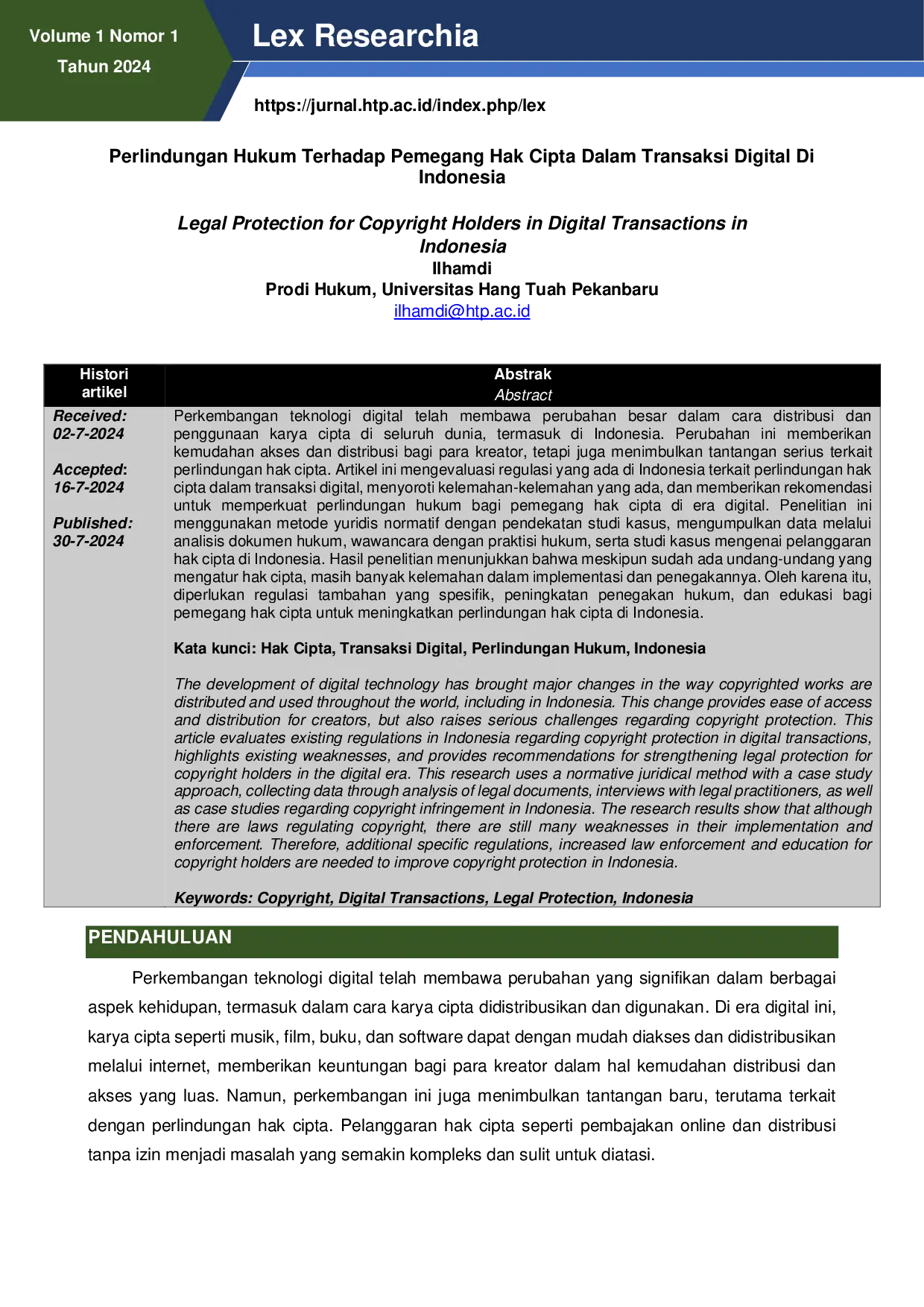
HTPHTP Penelitian ini menggunakan metode yuridis normatif dengan pendekatan studi kasus, mengumpulkan data melalui analisis dokumen hukum, wawancara dengan praktisiPenelitian ini menggunakan metode yuridis normatif dengan pendekatan studi kasus, mengumpulkan data melalui analisis dokumen hukum, wawancara dengan praktisi
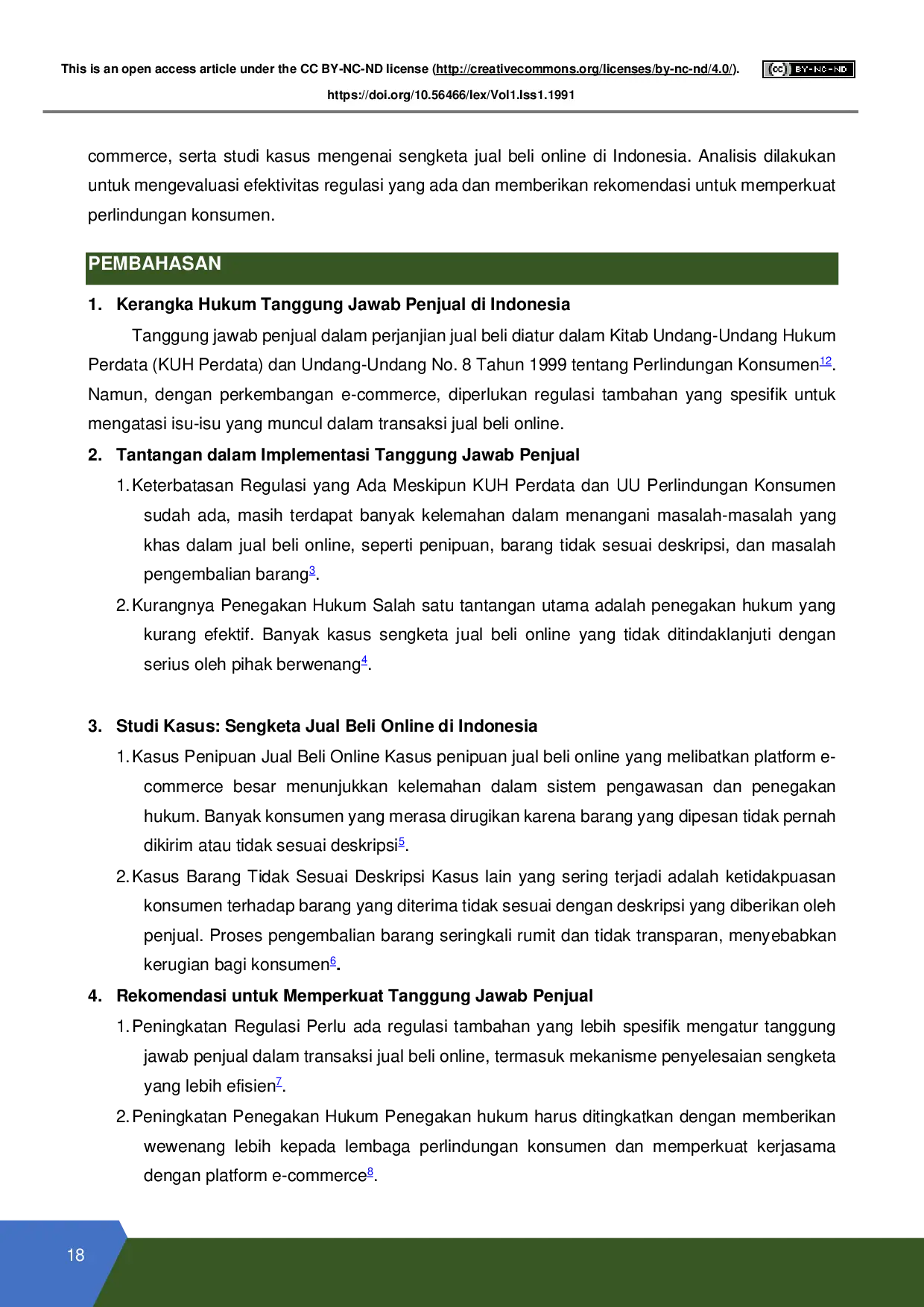
HTPHTP 8 Tahun 1999 tentang Perlindungan Konsumen, serta tantangan praktis yang muncul seperti kasus penipuan dan barang yang tidak sesuai dengan deskripsi yang8 Tahun 1999 tentang Perlindungan Konsumen, serta tantangan praktis yang muncul seperti kasus penipuan dan barang yang tidak sesuai dengan deskripsi yang

YASIN ALSYSYASIN ALSYS These conclusions underscore the need for the Nigeria Police Force to institutionalize responsive, dialogic public relations practices as part of broaderThese conclusions underscore the need for the Nigeria Police Force to institutionalize responsive, dialogic public relations practices as part of broader
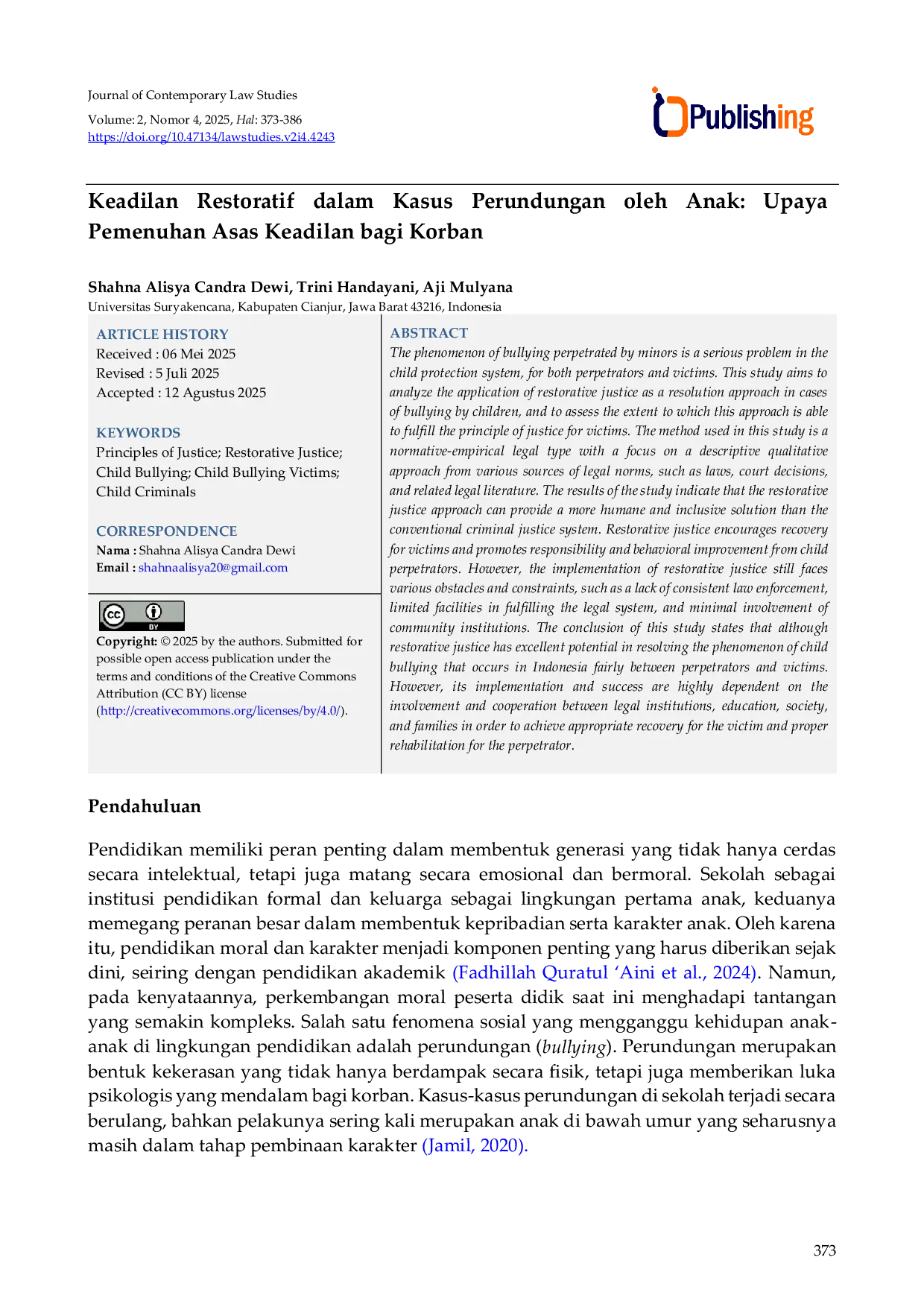
PUBMEDIAPUBMEDIA Implementasi keadilan restoratif tidak selalu berjalan mulus dan menghadapi berbagai hambatan. Koordinasi yang lebih baik antara lembaga-lembaga terkait,Implementasi keadilan restoratif tidak selalu berjalan mulus dan menghadapi berbagai hambatan. Koordinasi yang lebih baik antara lembaga-lembaga terkait,
GREENATIONPUBLISHERGREENATIONPUBLISHER Dalam konteks reformasi hukum pidana di Indonesia melalui KUHP baru (KUHP) mengakomodasi dan memasukkan prinsip Restorative Justice, di mana formulasiDalam konteks reformasi hukum pidana di Indonesia melalui KUHP baru (KUHP) mengakomodasi dan memasukkan prinsip Restorative Justice, di mana formulasi
PUBMEDIAPUBMEDIA Pasal 156a KUHP lama sering dikritik karena interpretasi yang kabur dan penyalahgunaan terhadap kelompok minoritas agama. KUHP 2023 memperkenalkan reformasiPasal 156a KUHP lama sering dikritik karena interpretasi yang kabur dan penyalahgunaan terhadap kelompok minoritas agama. KUHP 2023 memperkenalkan reformasi

UNSURUNSUR Khusus pemalsuan surat, diatur dalam Pasal 263 dan Pasal 264 Kitab Undang-Undang Hukum Pidana (KUHP) dengan ancaman pidana penjara selama 6 (enam) tahun.Khusus pemalsuan surat, diatur dalam Pasal 263 dan Pasal 264 Kitab Undang-Undang Hukum Pidana (KUHP) dengan ancaman pidana penjara selama 6 (enam) tahun.
Useful /
JURNALEMPATHYJURNALEMPATHY Aplikasi intervensi serupa diharapkan dapat mengurangi stigma, menumbuhkan minat karier di bidang ortotik-prostetik, dan memperkuat jalur rujukan pasienAplikasi intervensi serupa diharapkan dapat mengurangi stigma, menumbuhkan minat karier di bidang ortotik-prostetik, dan memperkuat jalur rujukan pasien

PPSDPPPSDP The study offers a context-sensitive and resource-efficient model that can be adopted by non-formal education providers, particularly in regions with limitedThe study offers a context-sensitive and resource-efficient model that can be adopted by non-formal education providers, particularly in regions with limited

PPSDPPPSDP Namun, pemetaan deskriptif kontekstual di tingkat regional, termasuk di Kabupaten Bantaeng, masih terbatas. Penelitian ini bertujuan untuk menggambarkanNamun, pemetaan deskriptif kontekstual di tingkat regional, termasuk di Kabupaten Bantaeng, masih terbatas. Penelitian ini bertujuan untuk menggambarkan
UGMUGM Penelitian ini menyimpulkan diskriminasi yang terjadi mengingatkan kita kembali kepada Pancasila untuk diamalkan lebih kuat agar hal serupa tidak terjadiPenelitian ini menyimpulkan diskriminasi yang terjadi mengingatkan kita kembali kepada Pancasila untuk diamalkan lebih kuat agar hal serupa tidak terjadi