STTMCILEUNGSISTTMCILEUNGSI
TEKNOSAINS : Jurnal Sains, Teknologi dan InformatikaTEKNOSAINS : Jurnal Sains, Teknologi dan InformatikaThis article presents a systematic review of the implementation of Occupational Health and Safety (OHS) systems in oil and gas drilling operations, with a particular focus on risk control strategies. The high-risk nature of drilling activities demands a proactive and comprehensive approach to managing safety hazards, which include toxic gas exposure, high-pressure fluid systems, and harsh working environments. Drawing upon studies published between 2018 and 2024, the review evaluates the effectiveness of international standards such as ISO 45001, Indonesias SMK3, and OSHAs Process Safety Management in mitigating workplace accidents. Key findings indicate that structured application of these systems, supported by top management commitment, continuous training, and active worker participation, significantly reduces accident rates. The review also highlights the importance of the hierarchy of controls and the integration of Internet of Things (IoT)-based monitoring technologies in enhancing real-time hazard detection. However, several implementation challenges persist, including inconsistent procedural adherence, insufficient competency-based training, and weak reporting cultures. To address these issues, the study recommends regular evaluations, external audits, and strengthened safety culture initiatives. Overall, this review contributes to a deeper understanding of OHS performance in high-risk drilling environments and provides evidence-based recommendations to improve workplace safety and operational sustainability in the oil and gas sector.
The implementation of a comprehensive OHS system based on international standards demonstrably reduces accident rates in oil and gas drilling.The effectiveness of this system relies on strong leadership commitment, continuous training, and active worker involvement.Challenges such as inconsistent implementation, limited training, and weak reporting cultures must be addressed through regular evaluations, external audits, and a strengthened safety culture.
Further research should investigate the optimal integration of IoT-based monitoring systems with existing OHS management systems to enhance real-time hazard detection and response capabilities. Additionally, studies are needed to explore the effectiveness of tailored training programs designed to address the specific competency gaps identified among contract workers in the oil and gas drilling industry. Finally, research should focus on developing and evaluating interventions aimed at fostering a stronger safety reporting culture, minimizing fear of reprisal, and promoting proactive hazard identification among all personnel, including a deeper understanding of the psychological factors influencing reporting behavior and the role of leadership in creating a just culture.
- Assessment of Occupational Accidents in the Malaysian Construction Industry from 2015 to 2023: A Study... doi.org/10.11113/ijbes.v12.n1.1405Assessment of Occupational Accidents in the Malaysian Construction Industry from 2015 to 2023 A Study doi 10 11113 ijbes v12 n1 1405
- The Influence of Safety Slogan and Safety Program to Safety Culture: Case study at Drilling and Well... eu-opensci.org/index.php/ejbmr/article/view/51768The Influence of Safety Slogan and Safety Program to Safety Culture Case study at Drilling and Well eu opensci index php ejbmr article view 51768
- SEGURANÇA DO TRABALHADOR E SAÚDE OCUPACIONAL NO DESCOMISSIONAMENTO DE SISTEMAS DE PRODUÇÃO... doi.org/10.4322/rae.v18n2.e202412.enSEGURANyNA DO TRABALHADOR E SAyoDE OCUPACIONAL NO DESCOMISSIONAMENTO DE SISTEMAS DE PRODUyNyEO doi 10 4322 rae v18n2 e202412 en
| File size | 193.65 KB |
| Pages | 7 |
| DMCA | Report |
Related /
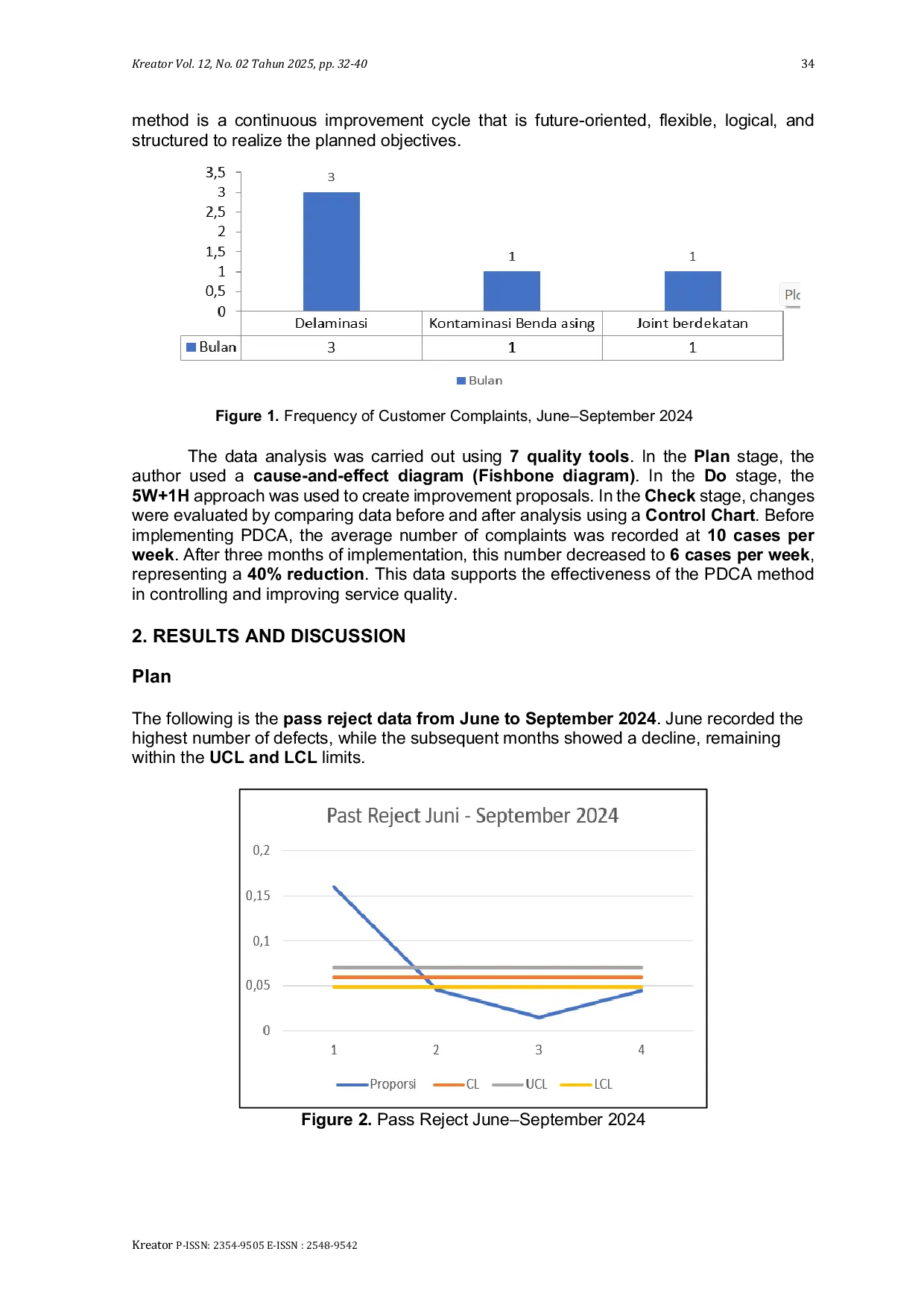
POLIMEDIAPOLIMEDIA Penelitian ini bertujuan untuk menganalisis efektivitas penerapan metode PDCA (Plan-Do-Check-Act) dalam menurunkan jumlah keluhan delaminasi pada produkPenelitian ini bertujuan untuk menganalisis efektivitas penerapan metode PDCA (Plan-Do-Check-Act) dalam menurunkan jumlah keluhan delaminasi pada produk

STTMCILEUNGSISTTMCILEUNGSI PU terbukti memengaruhi BI secara signifikan, dan BI menjadi prediktor utama perilaku penggunaan aplikasi pembelajaran (UB). Pengaruh langsung PU terhadapPU terbukti memengaruhi BI secara signifikan, dan BI menjadi prediktor utama perilaku penggunaan aplikasi pembelajaran (UB). Pengaruh langsung PU terhadap

STIESTEKOMSTIESTEKOM Metode yang digunakan adalah kuantitatif dengan analisis Model Persamaan Struktural-Partial Least Square (SEM-PLS) menggunakan program SmartPLS 4. 1. 9Metode yang digunakan adalah kuantitatif dengan analisis Model Persamaan Struktural-Partial Least Square (SEM-PLS) menggunakan program SmartPLS 4. 1. 9
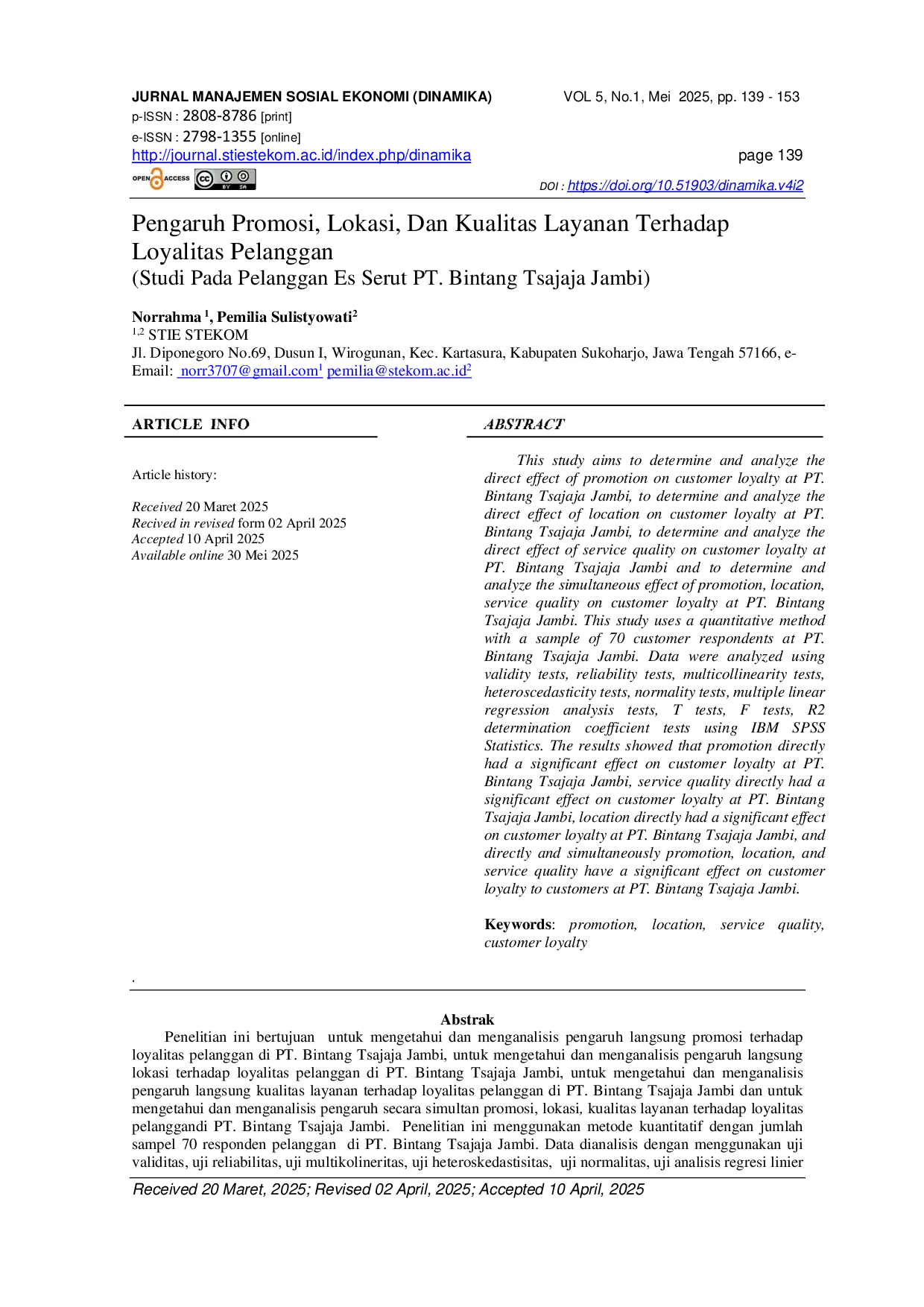
STIESTEKOMSTIESTEKOM Penelitian ini bertujuan untuk mengetahui dan menganalisis pengaruh langsung promosi terhadap loyalitas pelanggan di PT. Bintang Tsajaja Jambi, untuk mengetahuiPenelitian ini bertujuan untuk mengetahui dan menganalisis pengaruh langsung promosi terhadap loyalitas pelanggan di PT. Bintang Tsajaja Jambi, untuk mengetahui

STIESTEKOMSTIESTEKOM Metode analisis dalam penelitian menggunakan pengujian instrumen, uji asumsi klasik, analisis linier berganda, uji-t, uji F, dan uji R2. Hasil penelitianMetode analisis dalam penelitian menggunakan pengujian instrumen, uji asumsi klasik, analisis linier berganda, uji-t, uji F, dan uji R2. Hasil penelitian
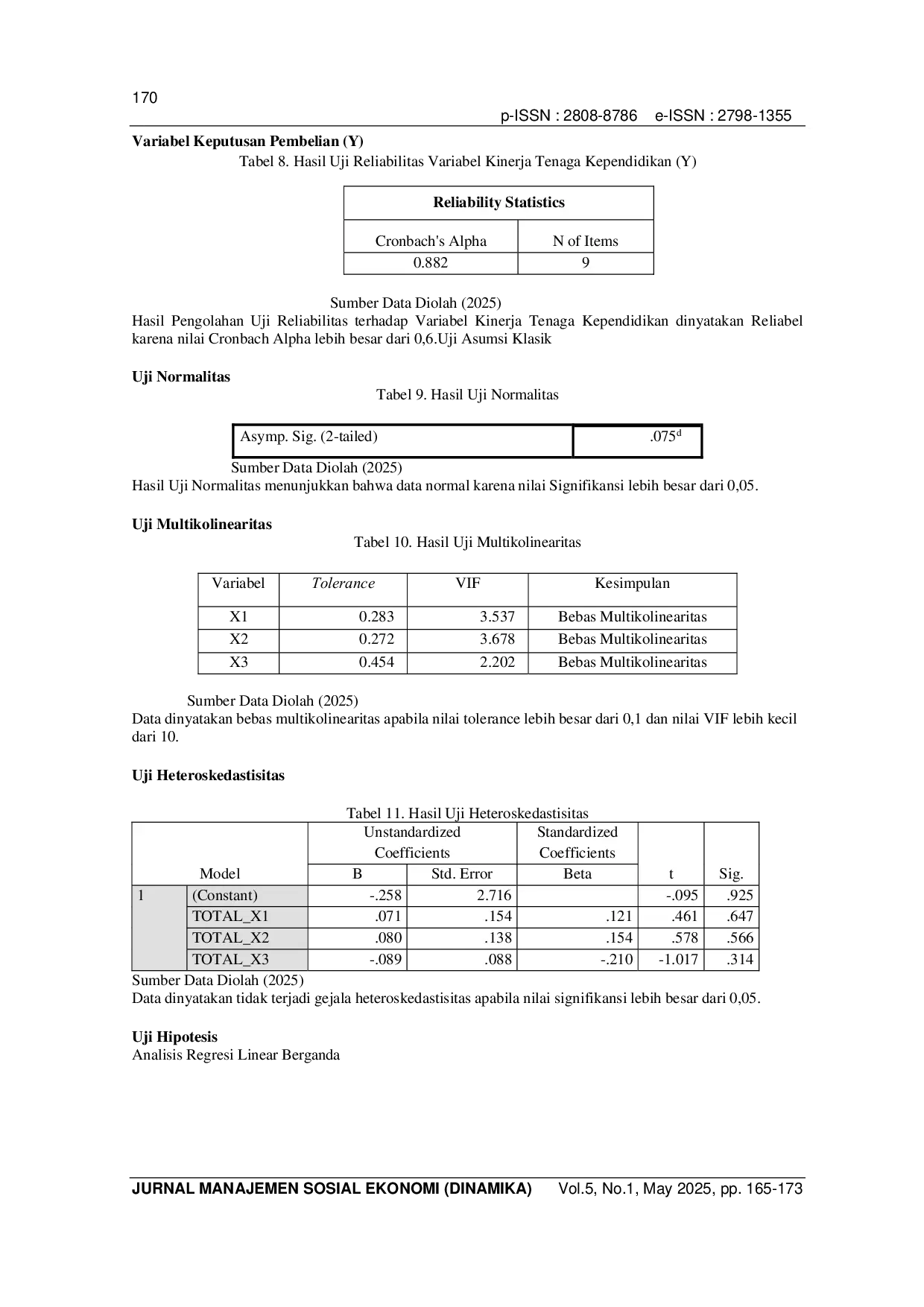
STIESTEKOMSTIESTEKOM Variabel disiplin kerja berpengaruh secara signifikan terhadap kinerja tenaga kependidikan, sedangkan orientasi kerja dan training and development tidakVariabel disiplin kerja berpengaruh secara signifikan terhadap kinerja tenaga kependidikan, sedangkan orientasi kerja dan training and development tidak
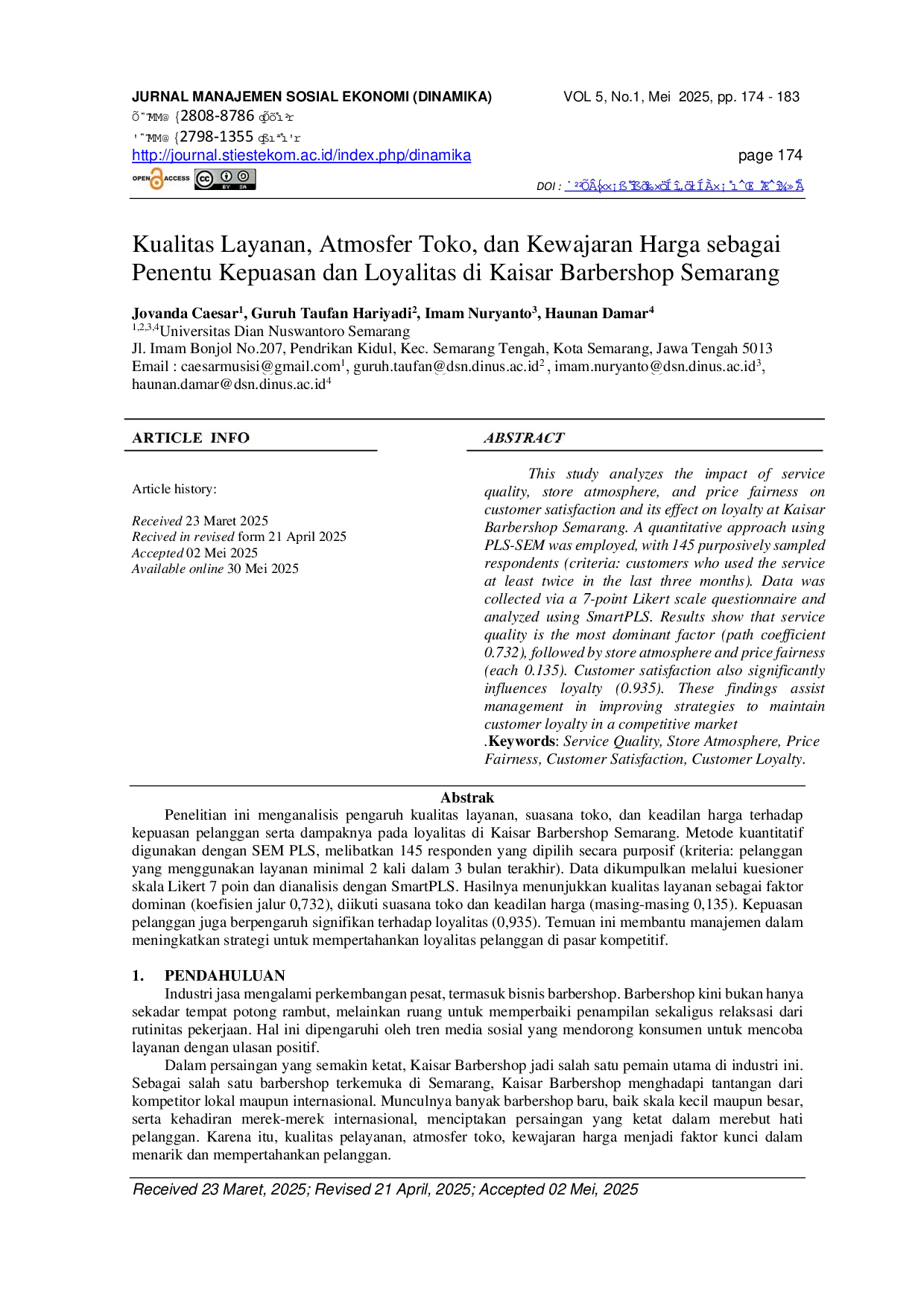
STIESTEKOMSTIESTEKOM Penelitian ini menyimpulkan bahwa kualitas pelayanan merupakan faktor utama yang mempengaruhi kepuasan dan loyalitas pelanggan di Kaisar Barbershop Semarang.meskipunPenelitian ini menyimpulkan bahwa kualitas pelayanan merupakan faktor utama yang mempengaruhi kepuasan dan loyalitas pelanggan di Kaisar Barbershop Semarang.meskipun
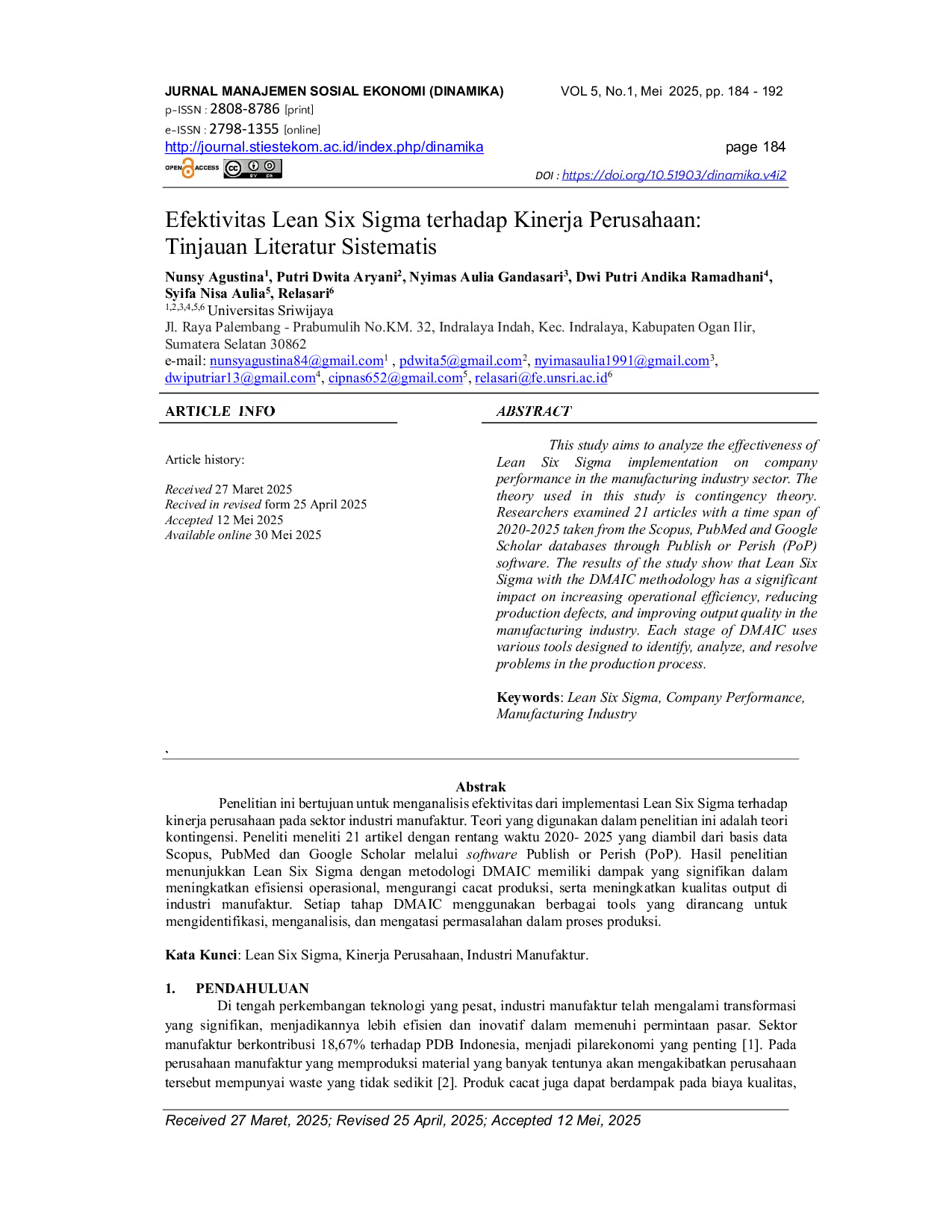
STIESTEKOMSTIESTEKOM Setiap tahap DMAIC menggunakan berbagai tools yang dirancang untuk mengidentifikasi, menganalisis, dan mengatasi permasalahan dalam proses produksi. LeanSetiap tahap DMAIC menggunakan berbagai tools yang dirancang untuk mengidentifikasi, menganalisis, dan mengatasi permasalahan dalam proses produksi. Lean
Useful /

CIVILIZACIVILIZA Implementasi e-commerce halal memerlukan strategi berbasis teknologi informasi, pemasaran digital, rantai pasok, dan sistem organisasi yang mendukung kehalalanImplementasi e-commerce halal memerlukan strategi berbasis teknologi informasi, pemasaran digital, rantai pasok, dan sistem organisasi yang mendukung kehalalan

STTMCILEUNGSISTTMCILEUNGSI Penelitian ini mengidentifikasi sembilan jenis cacat pada unit pemindai, dengan materi asing sebagai cacat dominan akibat prosedur kerja tidak memadaiPenelitian ini mengidentifikasi sembilan jenis cacat pada unit pemindai, dengan materi asing sebagai cacat dominan akibat prosedur kerja tidak memadai
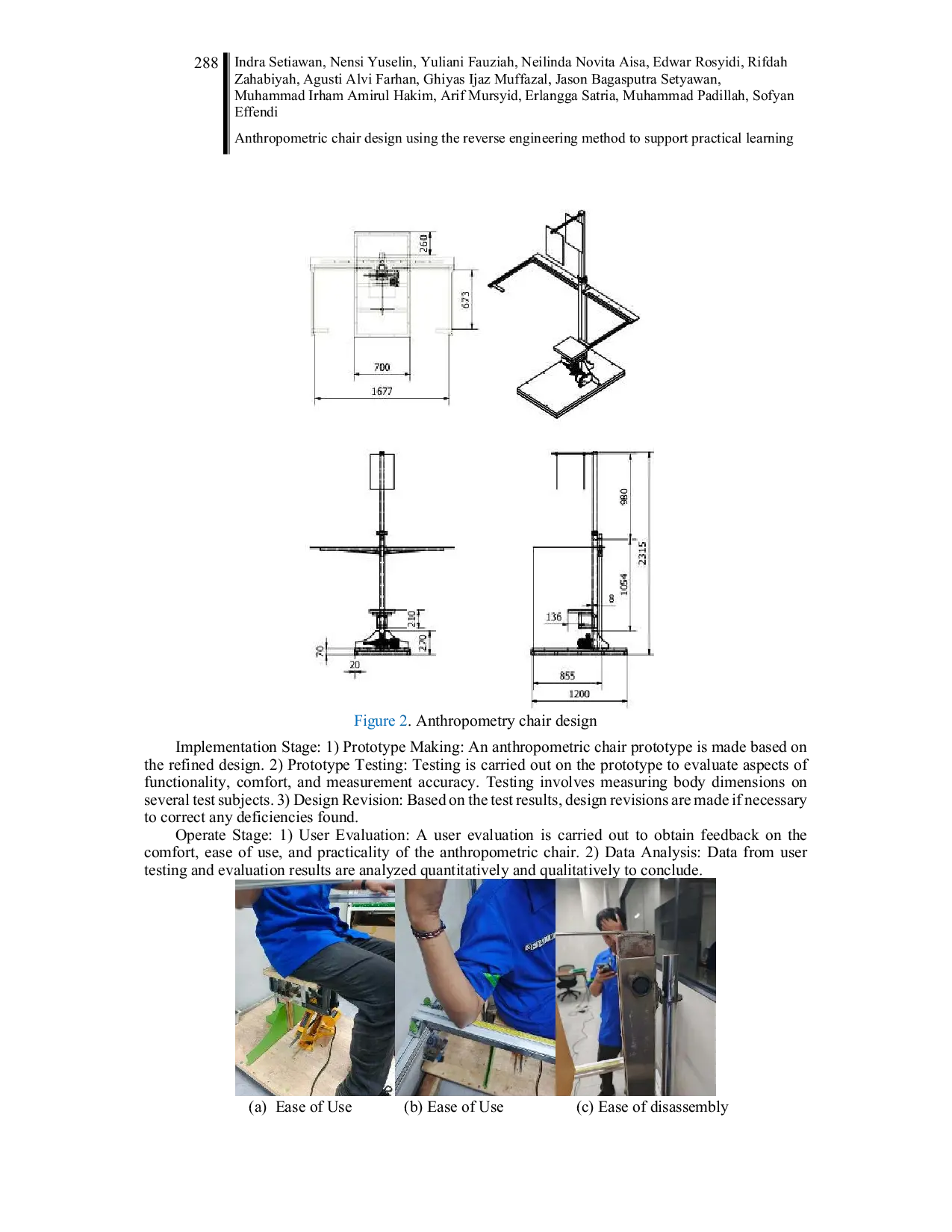
STTMCILEUNGSISTTMCILEUNGSI Saat ini, terdapat perbedaan tinggi badan mahasiswa di Politeknik ASTRA, oleh karena itu kursi antropometri diperlukan untuk memfasilitasi pengukuran dimensiSaat ini, terdapat perbedaan tinggi badan mahasiswa di Politeknik ASTRA, oleh karena itu kursi antropometri diperlukan untuk memfasilitasi pengukuran dimensi
UNSAPUNSAP Kesiapan tersebut mencakup aspek pedagogik, penguasaan materi, keterampilan kolaboratif, dan kemampuan menggunakan teknologi dalam pembelajaran. SubjekKesiapan tersebut mencakup aspek pedagogik, penguasaan materi, keterampilan kolaboratif, dan kemampuan menggunakan teknologi dalam pembelajaran. Subjek