BALELITERASIBALELITERASI
Journal of Educational StudiesJournal of Educational StudiesThis study aims to explore the implementation of Augmented Reality (AR)-based learning media in increasing students interest and understanding of plant anatomy material. The method used is a quasi-experiment with a pretest-posttest design. This study involved grade III students in one of the elementary schools in MI NW Keruak. The results showed that the use of AR-based learning media significantly increased students interest which was reflected in increased enthusiasm, engagement in discussions, and frequency of asking questions during learning. In addition, test results show a significant improvement in students understanding of plant anatomical concepts, such as the structure and function of plant organs. The use of interactive 3D models allows students to more easily understand abstract material. Thus, the application of AR technology in learning can be an effective alternative to improve the quality of science learning, especially in materials that require strong visual understanding. This research contributes to the development of more innovative and contextual learning methods, as well as offering insights into the use of technology in education.
The implementation of Augmented Reality (AR)-based learning media significantly increases students interest and understanding of plant anatomy material.AR technology provides a more engaging, interactive, and supportive learning experience for students.Overall, this study demonstrates the great potential of AR-based learning media in enhancing student interest and comprehension in plant anatomy.
Further research should investigate the long-term effects of AR-based learning on students retention of plant anatomy concepts and their ability to apply this knowledge in real-world contexts. Additionally, studies could explore the effectiveness of AR learning across different grade levels and learning styles to determine the optimal implementation strategies. Finally, research is needed to develop and evaluate AR applications that integrate personalized learning features, adapting to individual student needs and providing customized feedback to maximize learning outcomes, thereby expanding the potential of AR as a versatile and effective educational tool.
| File size | 199.16 KB |
| Pages | 9 |
| DMCA | Report |
Related /
UNIFLORUNIFLOR Metode pembelajaran konvensional seringkali kurang menarik dan kurang efektif. Pembelajaran berbasis pengalaman yang dibantu media Augmented Reality (AR)Metode pembelajaran konvensional seringkali kurang menarik dan kurang efektif. Pembelajaran berbasis pengalaman yang dibantu media Augmented Reality (AR)

BBCBBC Hasil: Temuan menunjukkan bahwa 62% siswa menganggap pembelajaran budaya tradisional tidak menarik, sementara 87% menyatakan minat kuat terhadap AR karenaHasil: Temuan menunjukkan bahwa 62% siswa menganggap pembelajaran budaya tradisional tidak menarik, sementara 87% menyatakan minat kuat terhadap AR karena
PAPANDAPAPANDA Subjek penelitian berjumlah 32 orang peserta didik, yang hasil tesnya dikelompokkan ke dalam tiga kategori kemampuan berdasarkan pedoman penskoran. BerdasarkanSubjek penelitian berjumlah 32 orang peserta didik, yang hasil tesnya dikelompokkan ke dalam tiga kategori kemampuan berdasarkan pedoman penskoran. Berdasarkan
PAPANDAPAPANDA Instrumen pengumpulan data berupa tes uraian sebelum dan sesudah perlakuan, kemudian dianalisis menggunakan uji paired t-test. Hasil analisis menunjukkanInstrumen pengumpulan data berupa tes uraian sebelum dan sesudah perlakuan, kemudian dianalisis menggunakan uji paired t-test. Hasil analisis menunjukkan
PAPANDAPAPANDA Temuan ini mengindikasikan perlunya evaluasi strategi pengajaran dan peningkatan sosialisasi terhadap mata kuliah yang kurang diminati, agar lebih sesuaiTemuan ini mengindikasikan perlunya evaluasi strategi pengajaran dan peningkatan sosialisasi terhadap mata kuliah yang kurang diminati, agar lebih sesuai
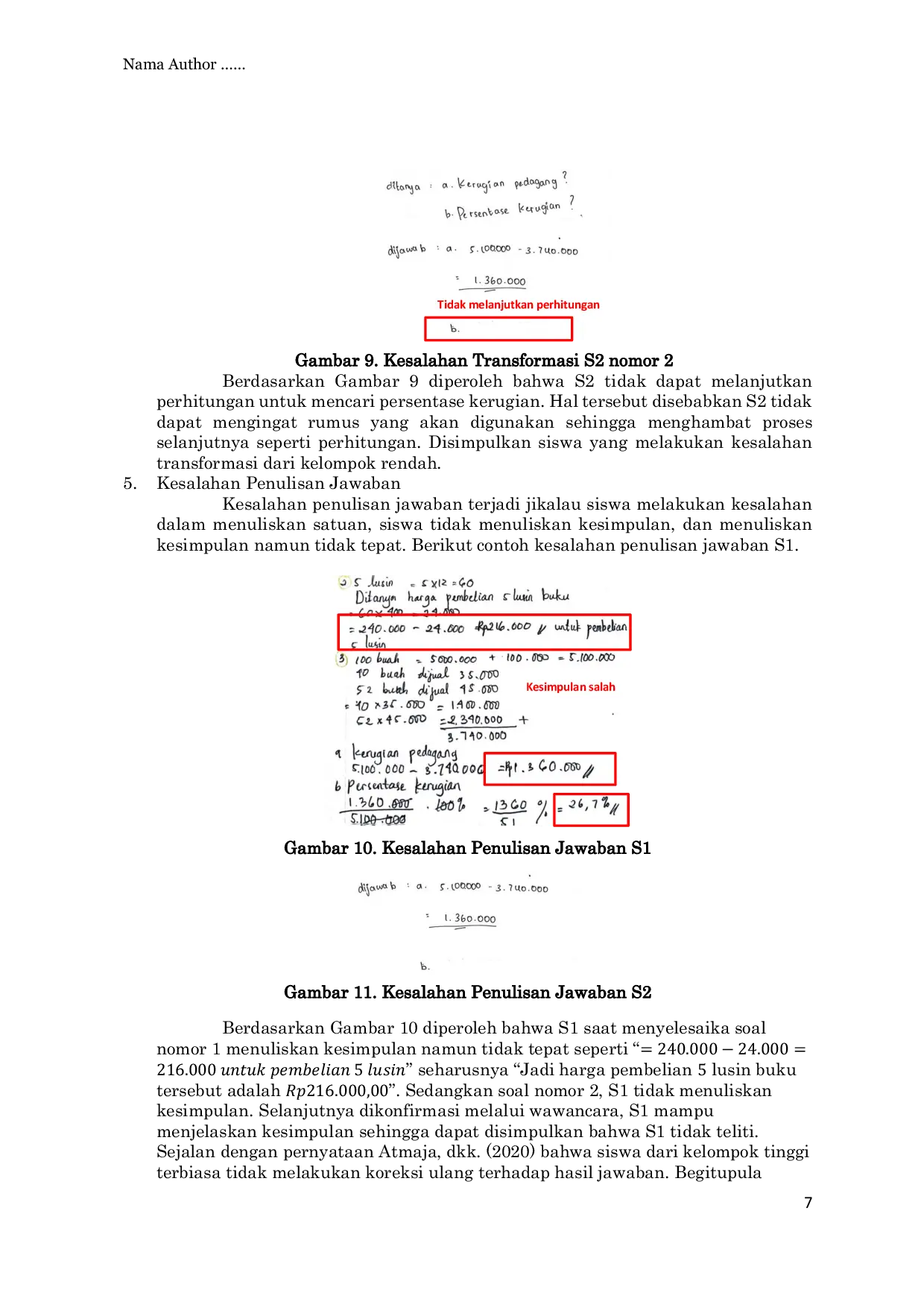
UMPRIUMPRI Berdasarkan uraian tahapan Newman, hasil pekerjaan siswa pada saat menyelesaikan soal nomor 1 menunjukkan bahwa 46% siswa melakukan kesalahan membaca,Berdasarkan uraian tahapan Newman, hasil pekerjaan siswa pada saat menyelesaikan soal nomor 1 menunjukkan bahwa 46% siswa melakukan kesalahan membaca,
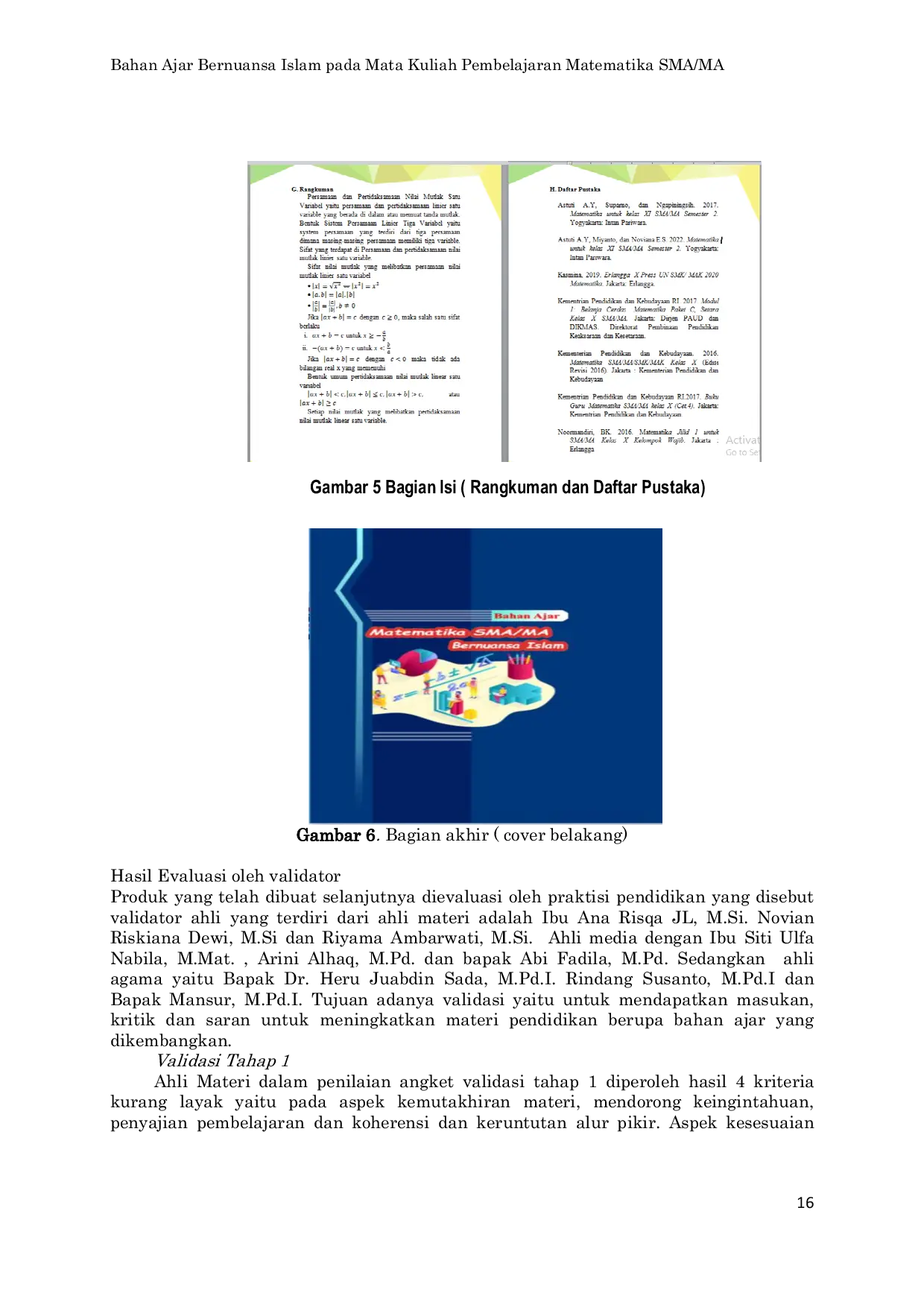
UMPRIUMPRI Hasil penelitian yang didapat bahwa bahan ajar yang dikembangkan memperoleh skor yang dilakukan validator Ahli Materi rata-rata 3,28, validator Ahli MediaHasil penelitian yang didapat bahwa bahan ajar yang dikembangkan memperoleh skor yang dilakukan validator Ahli Materi rata-rata 3,28, validator Ahli Media

IAIN PALOPOIAIN PALOPO AR mampu menghadirkan visualisasi bangun ruang dari dunia maya ke dunia nyata melalui kamera android ke marker. Penelitian ini bertujuan untuk mengetahuiAR mampu menghadirkan visualisasi bangun ruang dari dunia maya ke dunia nyata melalui kamera android ke marker. Penelitian ini bertujuan untuk mengetahui
Useful /

BALELITERASIBALELITERASI The findings reveal that the internal quality assurance system has been implemented across all stages of the quality cycle, including standard setting,The findings reveal that the internal quality assurance system has been implemented across all stages of the quality cycle, including standard setting,

BALELITERASIBALELITERASI Dengan menawarkan analisis komprehensif dan berdasarkan bukti, artikel ini berkontribusi pada wacana akademik tentang pariwisata dan memberikan wawasanDengan menawarkan analisis komprehensif dan berdasarkan bukti, artikel ini berkontribusi pada wacana akademik tentang pariwisata dan memberikan wawasan
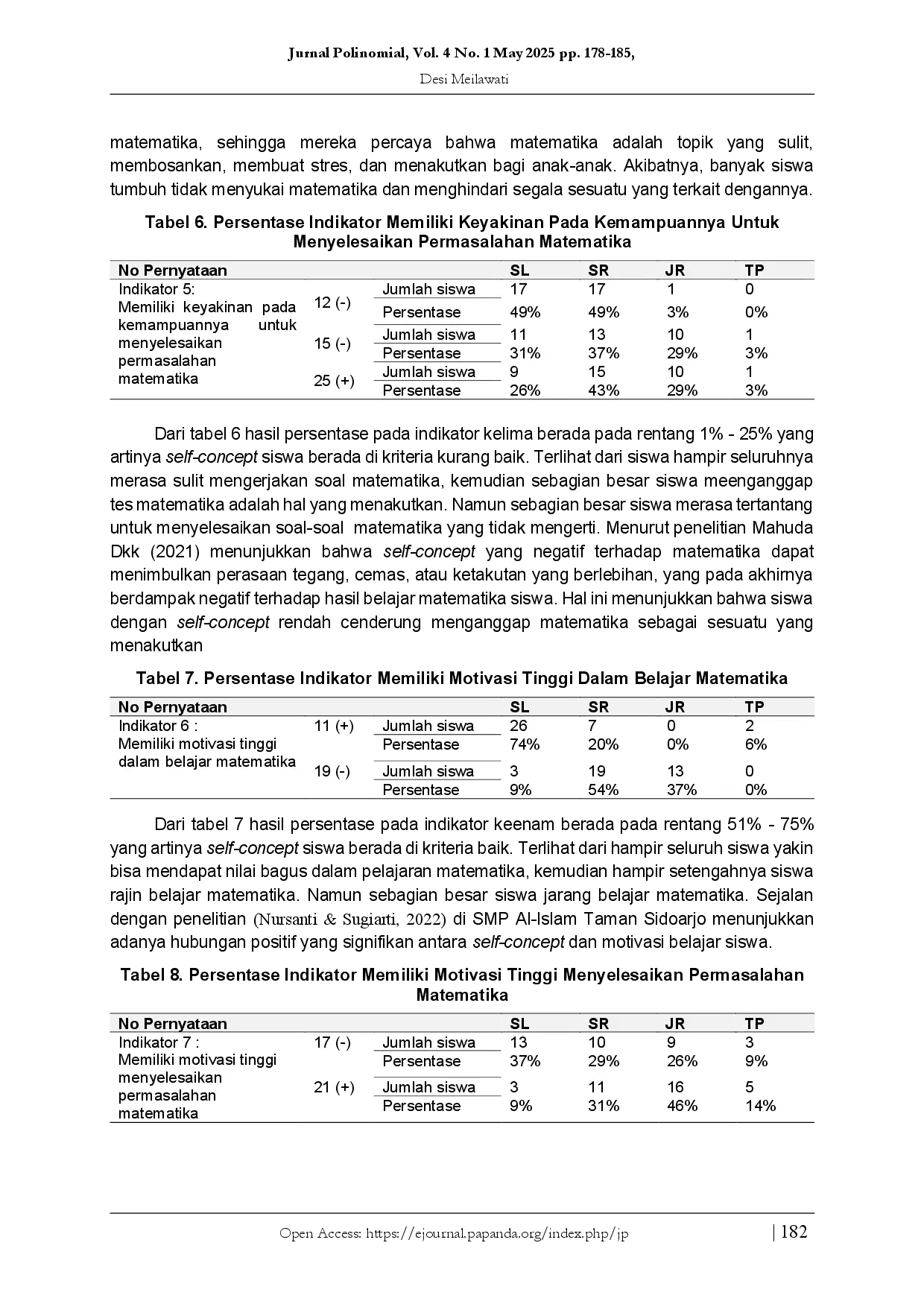
PAPANDAPAPANDA Hal ini menunjukkan adanya kebutuhan peningkatan self-concept siswa terutama dalam menghadapi tantangan akademik. Temuan ini diharapkan dapat menjadi acuanHal ini menunjukkan adanya kebutuhan peningkatan self-concept siswa terutama dalam menghadapi tantangan akademik. Temuan ini diharapkan dapat menjadi acuan
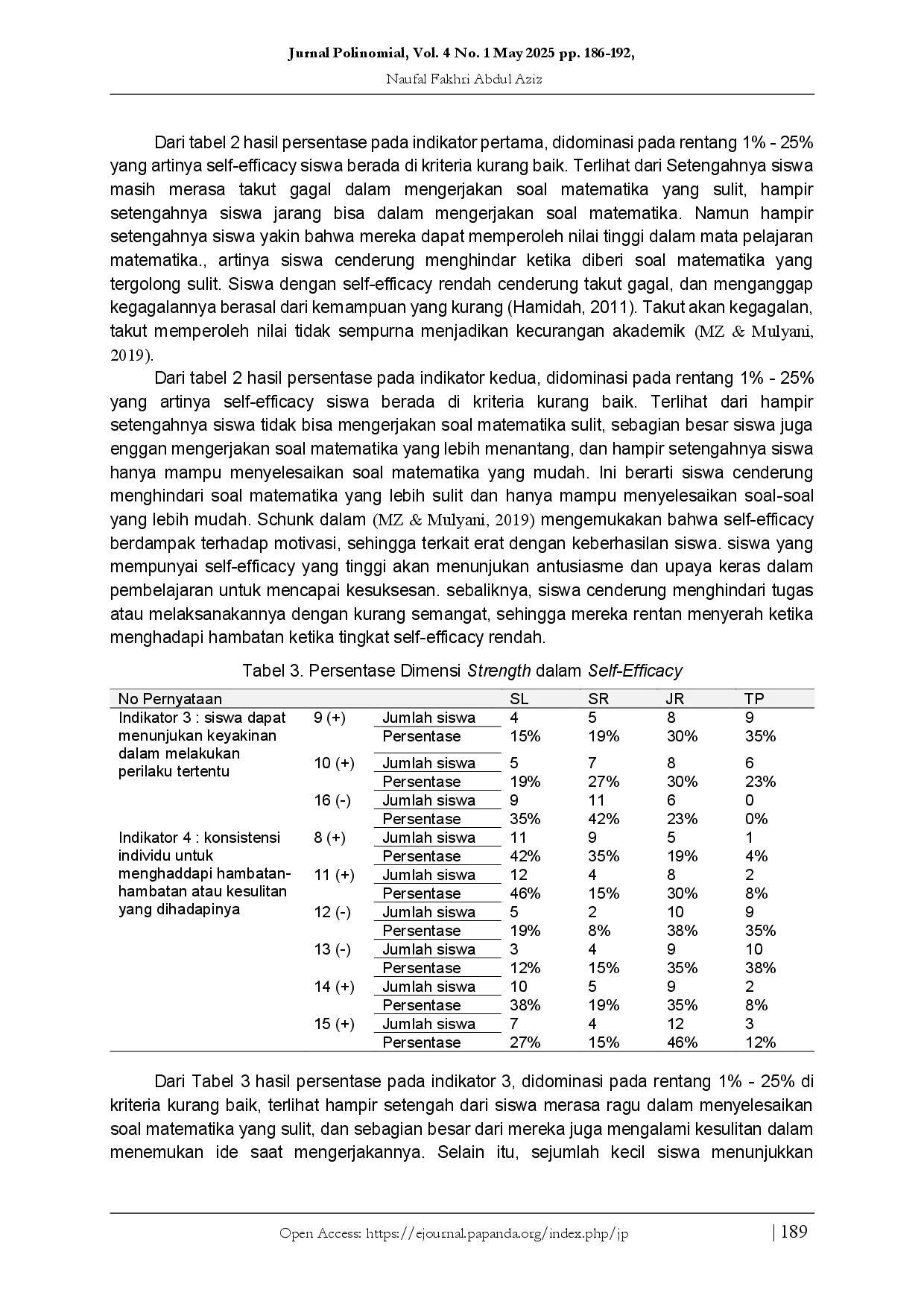
PAPANDAPAPANDA Indikator self-efficacy yang didominasi dengan kriteria cukup baik pada konsistensi individu untuk menghadapi hambatan-hambatan atau kesulitan yang dihadapinya,Indikator self-efficacy yang didominasi dengan kriteria cukup baik pada konsistensi individu untuk menghadapi hambatan-hambatan atau kesulitan yang dihadapinya,