LAMINTANGLAMINTANG
Journal of Engineering, Technology, and Applied Science (JETAS)Journal of Engineering, Technology, and Applied Science (JETAS)The ongoing global pandemic, which has now become an endemic, has had a significant impact on the educational sector. Despite advancements in technology, there is no real-time prevention of COVID-19 transmission, especially for UiTM Tapah students who must go through crowds to reach the health unit and have a high possibility of spreading the disease. This research aims to develop a mobile application utilizing machine learning for UiTM Tapah students to classify their COVID-19 status. The research adopted the Mobile Application Development Life Cycle (MADLC) methodology. The applications core functionality lies in the implementation of an Artificial Neural Network (ANN), trained on 5,434 samples of data previously classified in studies analyzing student data to identify potential cases. The ANN achieved 98% accuracy. Feedback from 32 respondents identified student difficulties during the pandemic, with most agreeing that the MCO affected their adaptation to online learning and access to healthcare. Usability testing using the System Usability Scale (SUS) indicated a high level of user-friendliness, with scores of 88.3 from UiTM Tapah students and 76.25 from lecturers. This system is usable for classifying infection risk among undiagnosed students, with room for improvement. The systems ability to identify infected individuals promptly and accurately aided in controlling the spread of the virus, protecting students and staff. Thus, the classification system using ANN is a valuable tool for public health organizations in combating the COVID-19 pandemic.
This research successfully developed a mobile application utilizing an Artificial Neural Network (ANN) to classify COVID-19 status among UiTM Tapah students.The system demonstrated high accuracy in identifying potential cases, contributing to the control of virus spread within the campus community.The usability testing results indicated a positive user experience, suggesting the systems potential for widespread adoption and integration into public health initiatives.
Further research could explore the integration of real-time data streams, such as temperature readings from wearable devices, to enhance the accuracy and responsiveness of the classification system. Additionally, investigating the application of more advanced machine learning models, like deep learning architectures, could potentially improve the systems ability to detect subtle patterns indicative of COVID-19 infection. Finally, a longitudinal study is needed to assess the long-term impact of this system on student health behaviors and the overall effectiveness of pandemic response strategies within the university setting, considering factors like user adherence and evolving virus variants. These investigations will contribute to a more robust and adaptable system for managing future health crises and promoting proactive health management among students.
| File size | 1000.42 KB |
| Pages | 7 |
| DMCA | Report |
Related /

JOURNAL IASSSFJOURNAL IASSSF Oleh karena itu, regimen BPaLM 6 bulan ini sangat efektif dalam membantu manajemen pengobatan RR-TB. Kesimpulan: Sebagai kesimpulan, regimen BPaLM 6 bulanOleh karena itu, regimen BPaLM 6 bulan ini sangat efektif dalam membantu manajemen pengobatan RR-TB. Kesimpulan: Sebagai kesimpulan, regimen BPaLM 6 bulan
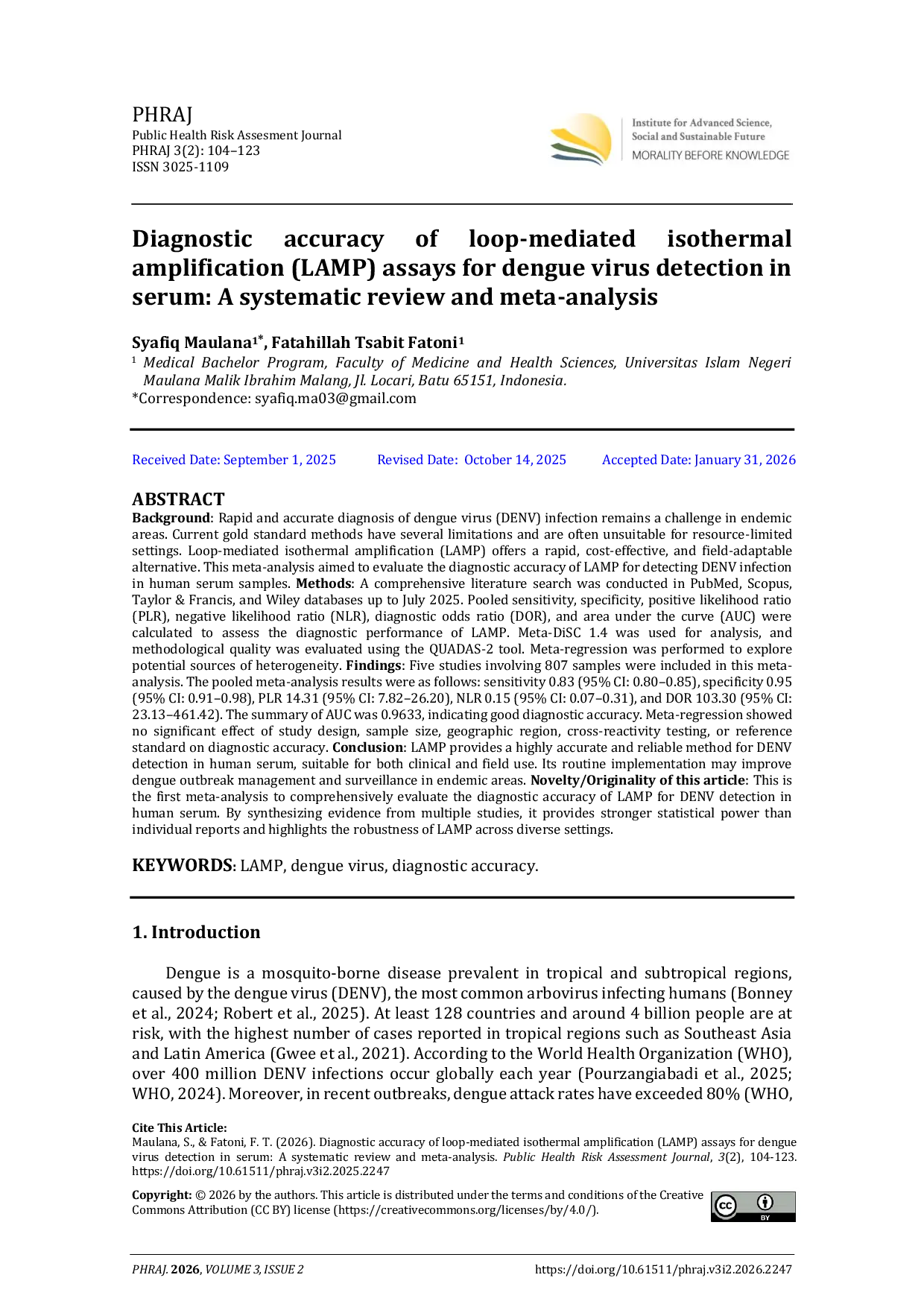
JOURNAL IASSSFJOURNAL IASSSF Meta-regresi dilakukan untuk mengeksplorasi potensi sumber heterogenitas. Temuan: Lima studi yang melibatkan 807 sampel dimasukkan dalam meta-analisisMeta-regresi dilakukan untuk mengeksplorasi potensi sumber heterogenitas. Temuan: Lima studi yang melibatkan 807 sampel dimasukkan dalam meta-analisis

UMSUMS Metode tinjauan pustaka diterapkan pada lima artikel yang diperoleh dari beberapa basis data, yaitu ResearchGate dan Google Scholar. Kata kunci pencarianMetode tinjauan pustaka diterapkan pada lima artikel yang diperoleh dari beberapa basis data, yaitu ResearchGate dan Google Scholar. Kata kunci pencarian

UIN SGDUIN SGD Dengan menggunakan pendekatan sosio-legal yang diperkaya analisis spasial, penelitian ini mengidentifikasi kesenjangan Indeks Pembangunan Manusia (IPM)Dengan menggunakan pendekatan sosio-legal yang diperkaya analisis spasial, penelitian ini mengidentifikasi kesenjangan Indeks Pembangunan Manusia (IPM)

UIN SGDUIN SGD Penyemaian awan adalah teknik modifikasi cuaca yang memicu presipitasi melalui penyuntikan zat kimia seperti kalium iodida dan perak iodida ke dalam awan.Penyemaian awan adalah teknik modifikasi cuaca yang memicu presipitasi melalui penyuntikan zat kimia seperti kalium iodida dan perak iodida ke dalam awan.
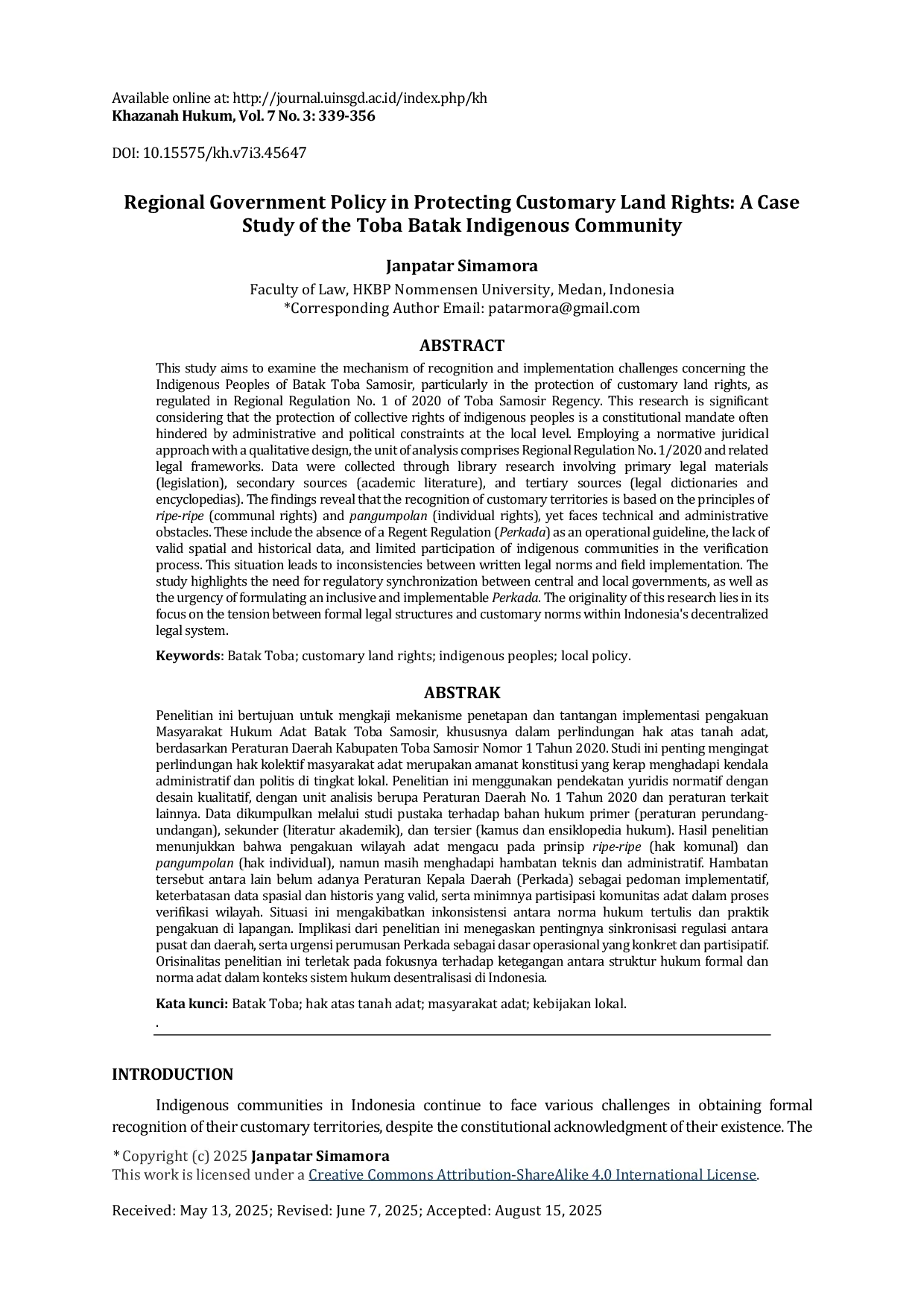
UIN SGDUIN SGD Implikasi dari penelitian ini menegaskan pentingnya sinkronisasi regulasi antara pusat dan daerah, serta urgensi perumusan Perkada sebagai dasar operasionalImplikasi dari penelitian ini menegaskan pentingnya sinkronisasi regulasi antara pusat dan daerah, serta urgensi perumusan Perkada sebagai dasar operasional
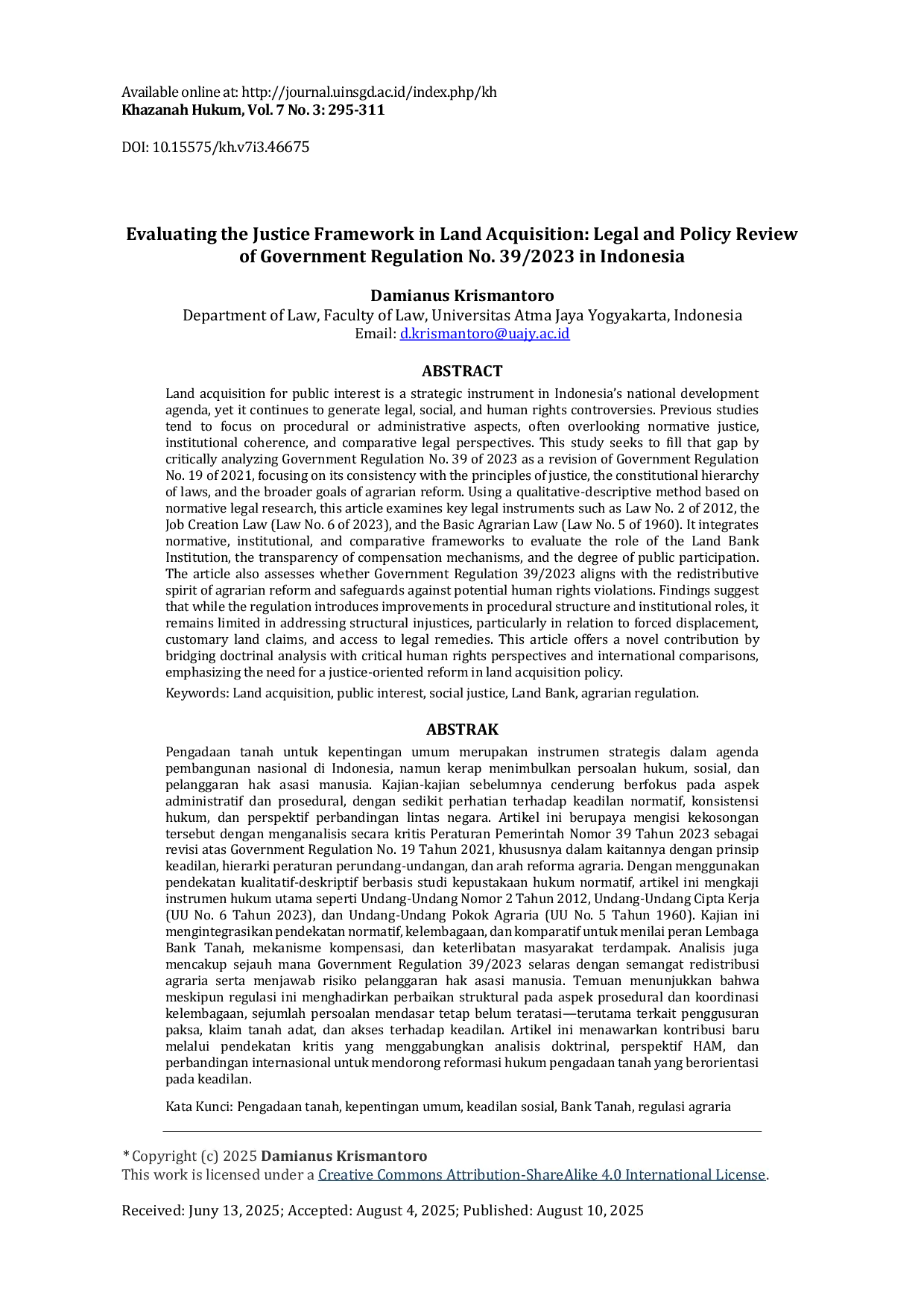
UIN SGDUIN SGD Dengan menggunakan pendekatan kualitatif-deskriptif berbasis studi kepustakaan hukum normatif, artikel ini mengkaji instrumen hukum utama seperti Undang-UndangDengan menggunakan pendekatan kualitatif-deskriptif berbasis studi kepustakaan hukum normatif, artikel ini mengkaji instrumen hukum utama seperti Undang-Undang
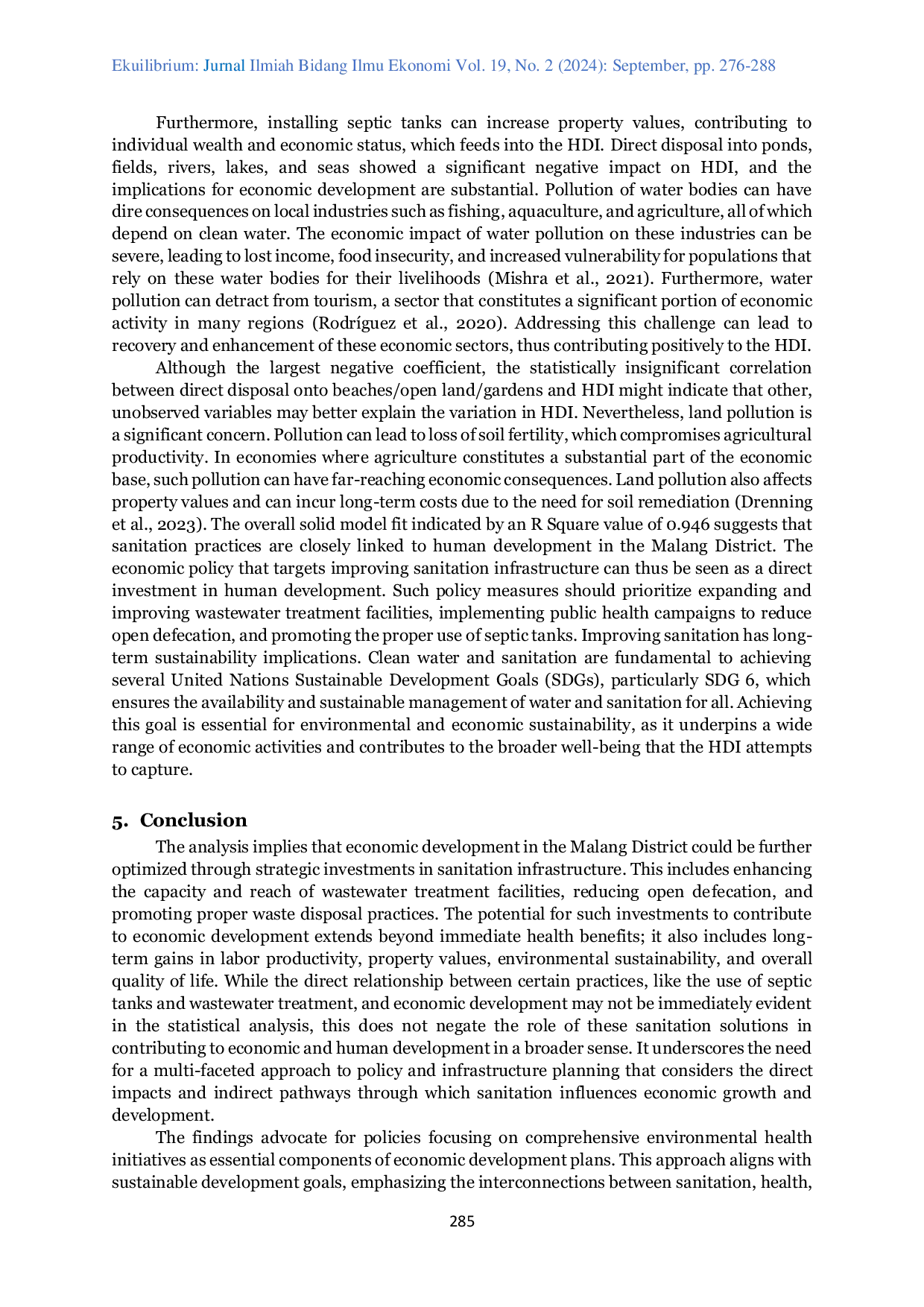
UMPOUMPO The analysis suggests that strategic investments in sanitation infrastructure can further optimize economic development in the Malang District. These investmentsThe analysis suggests that strategic investments in sanitation infrastructure can further optimize economic development in the Malang District. These investments
Useful /
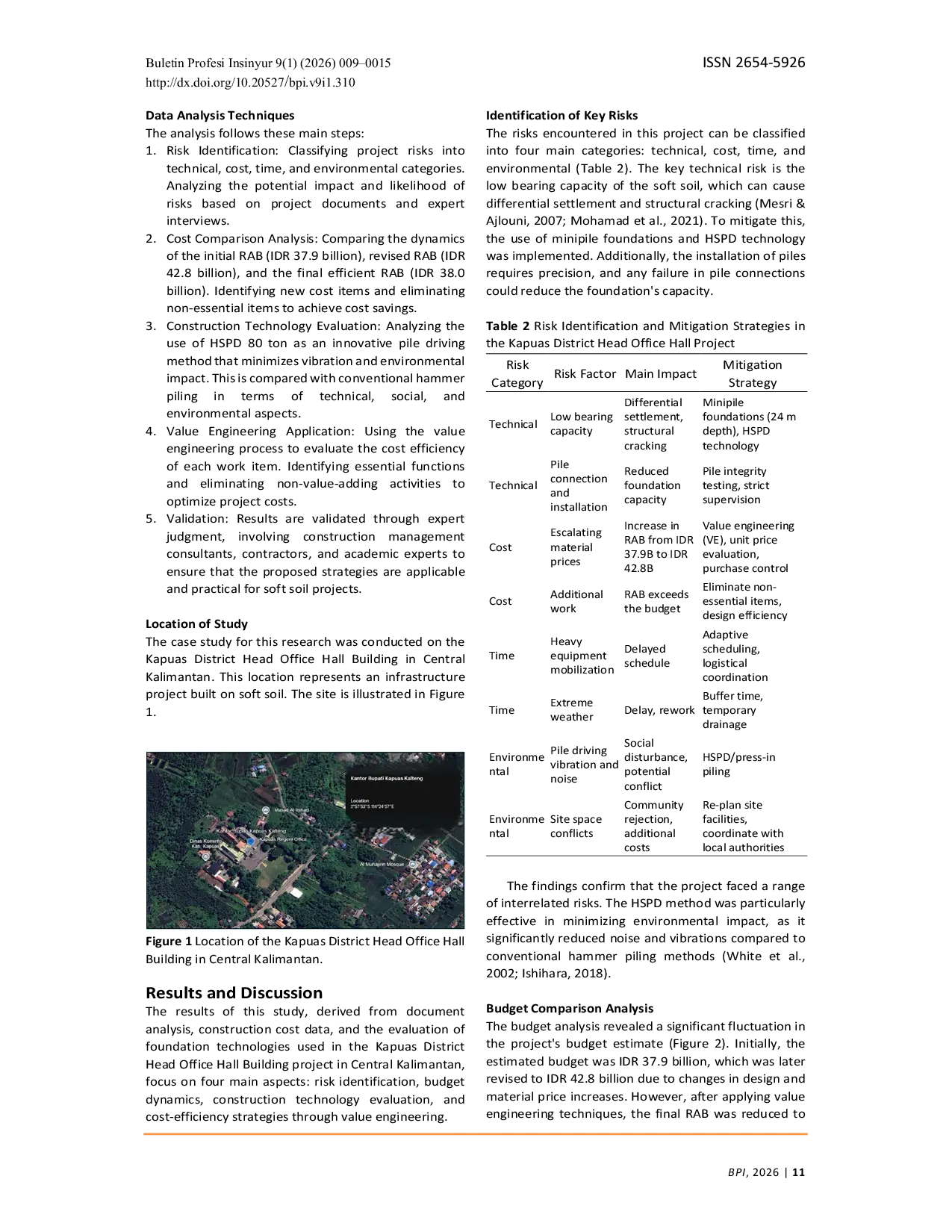
LMULMU Tanah lunak, seperti rawa, memiliki karakteristik unik, termasuk kekuatan geser yang rendah, kompresibilitas jangka panjang, dan konsolidasi yang dapatTanah lunak, seperti rawa, memiliki karakteristik unik, termasuk kekuatan geser yang rendah, kompresibilitas jangka panjang, dan konsolidasi yang dapat
LMULMU , 2024). Oleh karena itu, meningkatkan kelenturan dan ketahanan retak bahan konstruksi sangat penting untuk meningkatkan kinerja struktur di bawah beban, 2024). Oleh karena itu, meningkatkan kelenturan dan ketahanan retak bahan konstruksi sangat penting untuk meningkatkan kinerja struktur di bawah beban
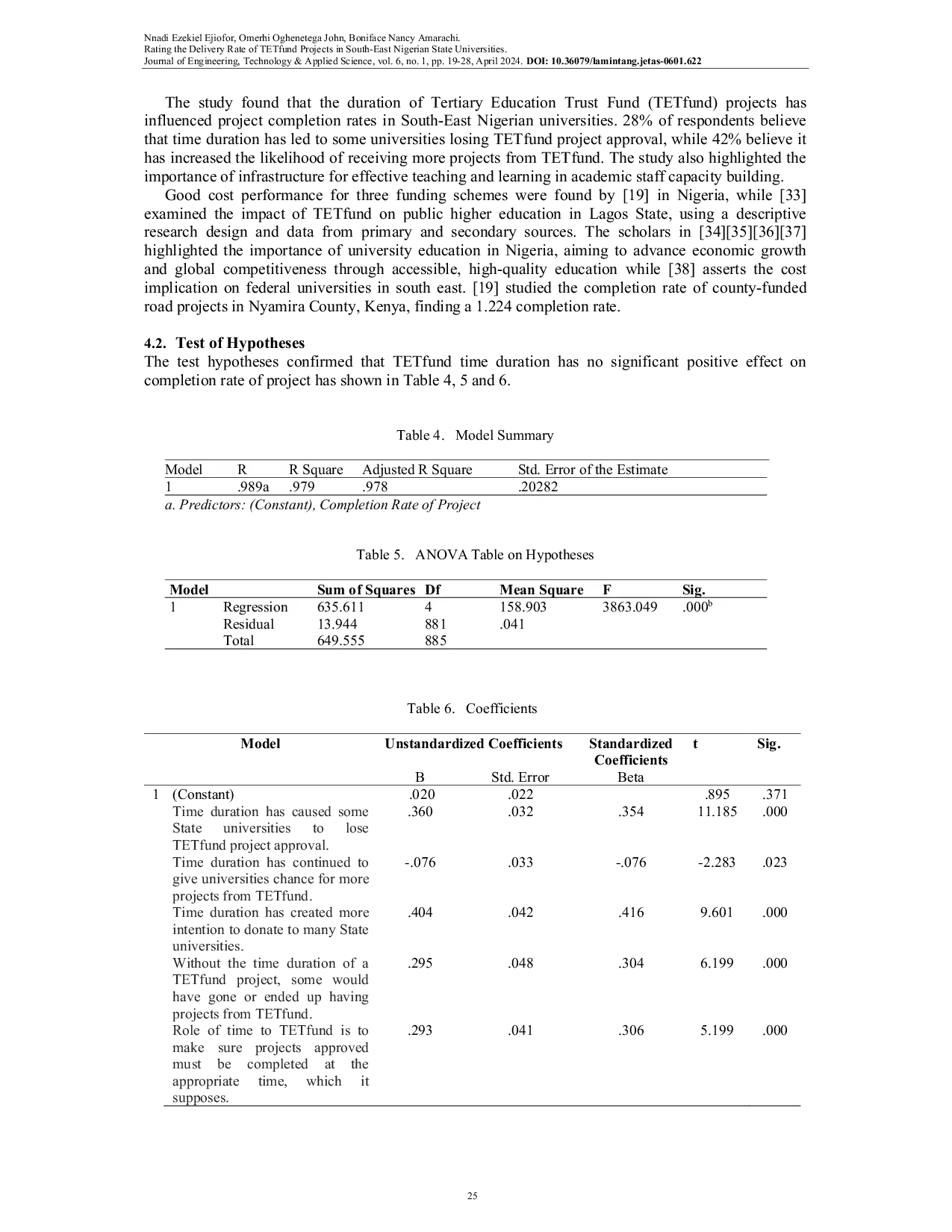
LAMINTANGLAMINTANG Penelitian ini bertujuan untuk menilai tingkat penyelesaian proyek-proyek TETfund di Universitas Negeri di Nigeria Tenggara. Tingkat penyelesaian proyekPenelitian ini bertujuan untuk menilai tingkat penyelesaian proyek-proyek TETfund di Universitas Negeri di Nigeria Tenggara. Tingkat penyelesaian proyek
UNIBIUNIBI Hasil penelitian ini mendukung teori bahwa makroekonomi merupakan risiko asimetris yang tidak dapat dihindari oleh perusahaan, sehingga investor dapatHasil penelitian ini mendukung teori bahwa makroekonomi merupakan risiko asimetris yang tidak dapat dihindari oleh perusahaan, sehingga investor dapat