UIN Ar-RaniryUIN Ar-Raniry
Jurnal AdabiyaJurnal AdabiyaThe development of digital media has transformed patterns of representation and consumption of history and culture through video-based platforms such as YouTube. This study analyzes the production practices of Acehnese historical and cultural content on the Nata the Kongkow YouTube channel by employing Islamic marketing ethics as the primary evaluative framework. Using a qualitative approach with a case study design, the research draws on content analysis and interviews as a means of confirming analytical findings. The results indicate that content production involves ongoing negotiation between educational objectives, limitations of historical sources, and audience engagement demands. From the perspective of Islamic marketing ethics, content production practices have generally fulfilled the principles of sidq, amanah, bayān, and orientation toward public welfare, although the degree of fulfillment varies according to content objectives and available source constraints. These findings demonstrate that Islamic marketing ethics can function as a reflective framework for assessing digital historical and cultural content practices and provide practical implications for content creators and cultural institutions.
The study reveals that the production of Acehnese historical and cultural content on YouTube involves a continuous balancing act between educational goals, the constraints of historical sources, and the demands of audience engagement.Content creators often simplify narratives and adapt them for digital platforms, but this does not necessarily indicate manipulative intent.The application of Islamic marketing ethics principles, such as honesty and transparency, is influenced by content objectives and the availability of sources, rather than a deliberate disregard for ethical considerations.Ultimately, the research highlights the potential of Islamic marketing ethics as a valuable framework for evaluating digital content and guiding responsible practices among content creators and cultural institutions.
Further research should explore the long-term impact of digital historical content on the formation of collective memory and cultural identity among younger generations in Aceh, moving beyond content analysis to assess audience reception and interpretation. Additionally, a comparative study examining the application of Islamic marketing ethics across different digital platforms and cultural contexts could reveal nuanced variations in content production practices and ethical considerations. Finally, investigating the potential for developing practical guidelines and training programs for content creators, based on the principles of Islamic marketing ethics, could foster a more responsible and culturally sensitive approach to digital heritage preservation and dissemination, ensuring that digital content not only attracts viewers but also contributes to a more informed and ethical understanding of Acehnese history and culture.
| File size | 252.38 KB |
| Pages | 10 |
| DMCA | Report |
Related /

UINSAIDUINSAID Selain itu, merek Islami berdampak negatif pada kepuasan tetapi memoderasi secara positif hubungan antara kualitas produk, keputusan pengguna, dan kepuasan.Selain itu, merek Islami berdampak negatif pada kepuasan tetapi memoderasi secara positif hubungan antara kualitas produk, keputusan pengguna, dan kepuasan.
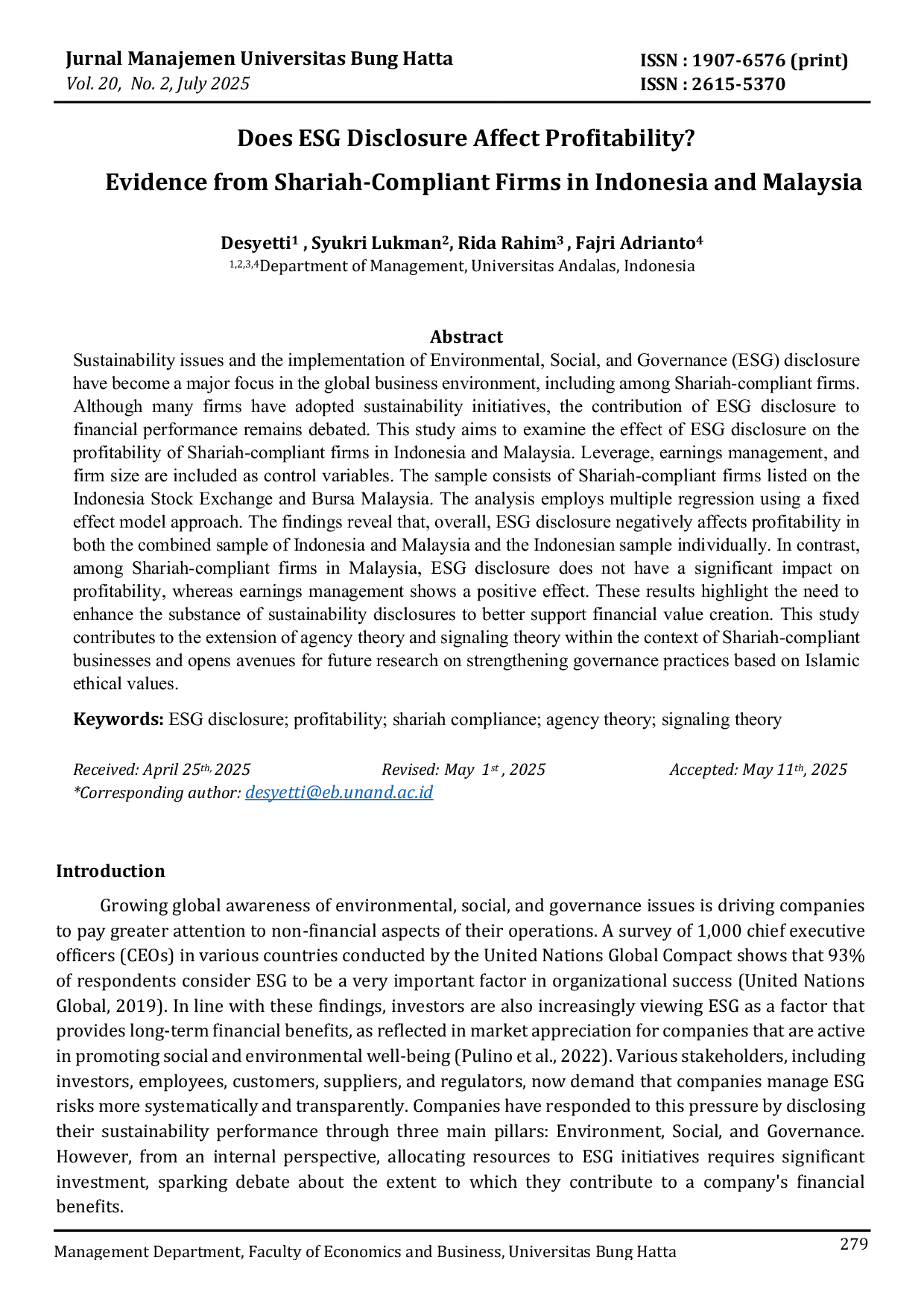
UBHUBH Hal ini memperkuat pandangan bahwa implementasi ESG di perusahaan syariah masih menghadapi tantangan dalam mengintegrasikan prinsip-prinsip keberlanjutanHal ini memperkuat pandangan bahwa implementasi ESG di perusahaan syariah masih menghadapi tantangan dalam mengintegrasikan prinsip-prinsip keberlanjutan

UTSUTS Penelitian ini bertujuan untuk mengetahui Pengaruh Kompensasi, Kualitas Kerja, dan Lingkungan Kerja terhadap Kinerja Karyawan Kontrak pada Sektor PerbankanPenelitian ini bertujuan untuk mengetahui Pengaruh Kompensasi, Kualitas Kerja, dan Lingkungan Kerja terhadap Kinerja Karyawan Kontrak pada Sektor Perbankan

STIKES AISYIYAH PALEMBANGSTIKES AISYIYAH PALEMBANG Implementasi Integrasi Layanan Primer (ILP) menuntut peningkatan mutu pelayanan pada setiap klaster, termasuk Klaster 3 Dewasa di Puskesmas. Tujuan: MenganalisisImplementasi Integrasi Layanan Primer (ILP) menuntut peningkatan mutu pelayanan pada setiap klaster, termasuk Klaster 3 Dewasa di Puskesmas. Tujuan: Menganalisis

UNDANAUNDANA Sistem ini menyediakan sebuah dashboard untuk merekapitulasi transaksi secara real-time. Metode pengembangan sistem menggunakan model Waterfall, denganSistem ini menyediakan sebuah dashboard untuk merekapitulasi transaksi secara real-time. Metode pengembangan sistem menggunakan model Waterfall, dengan
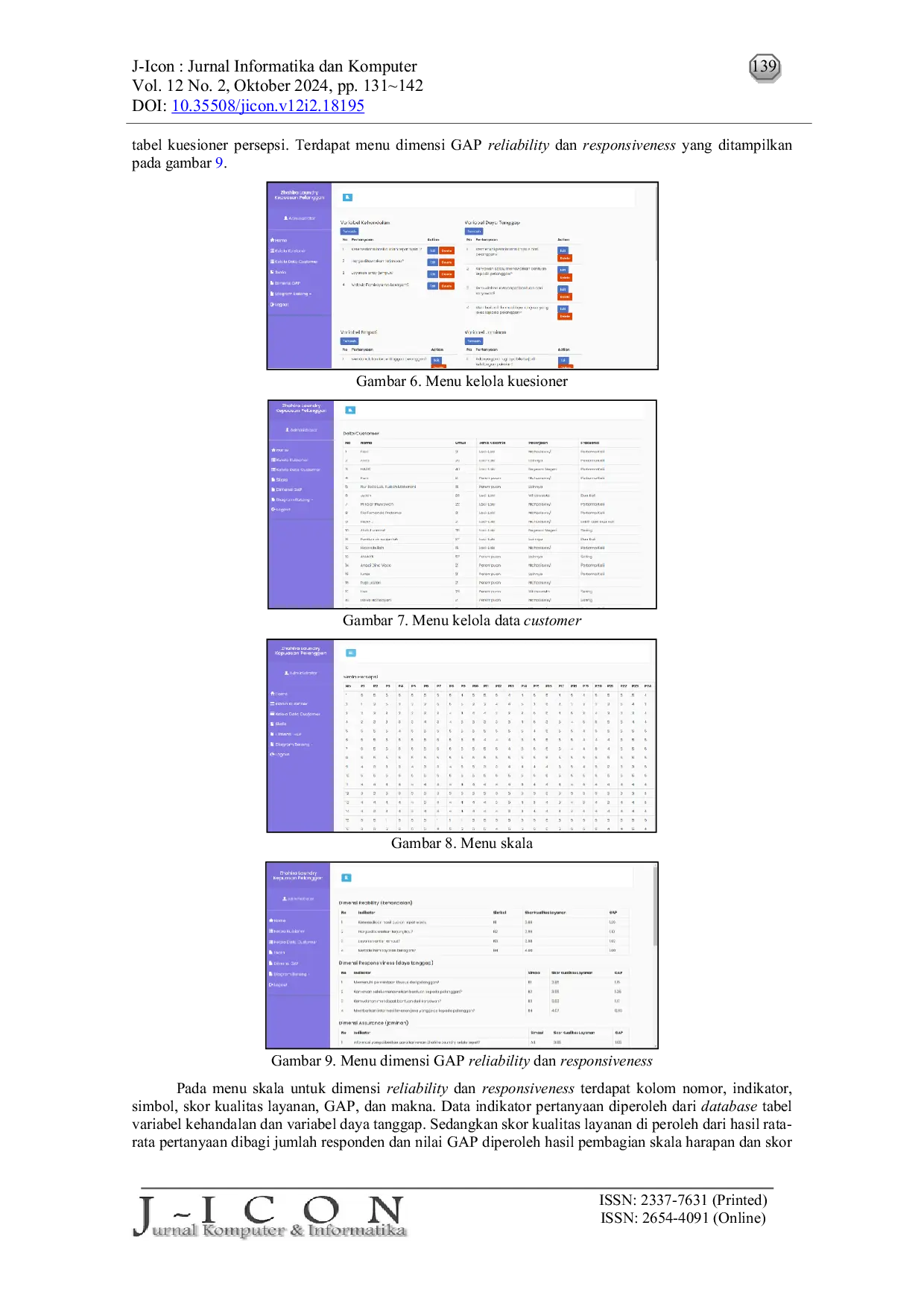
UNDANAUNDANA Aplikasi yang dibuat untuk menampilkan kuesioner yang berbasis web yang akan dinilai oleh pelanggan. Pada penelitian ini kualitas layanan jasa yang menjadiAplikasi yang dibuat untuk menampilkan kuesioner yang berbasis web yang akan dinilai oleh pelanggan. Pada penelitian ini kualitas layanan jasa yang menjadi
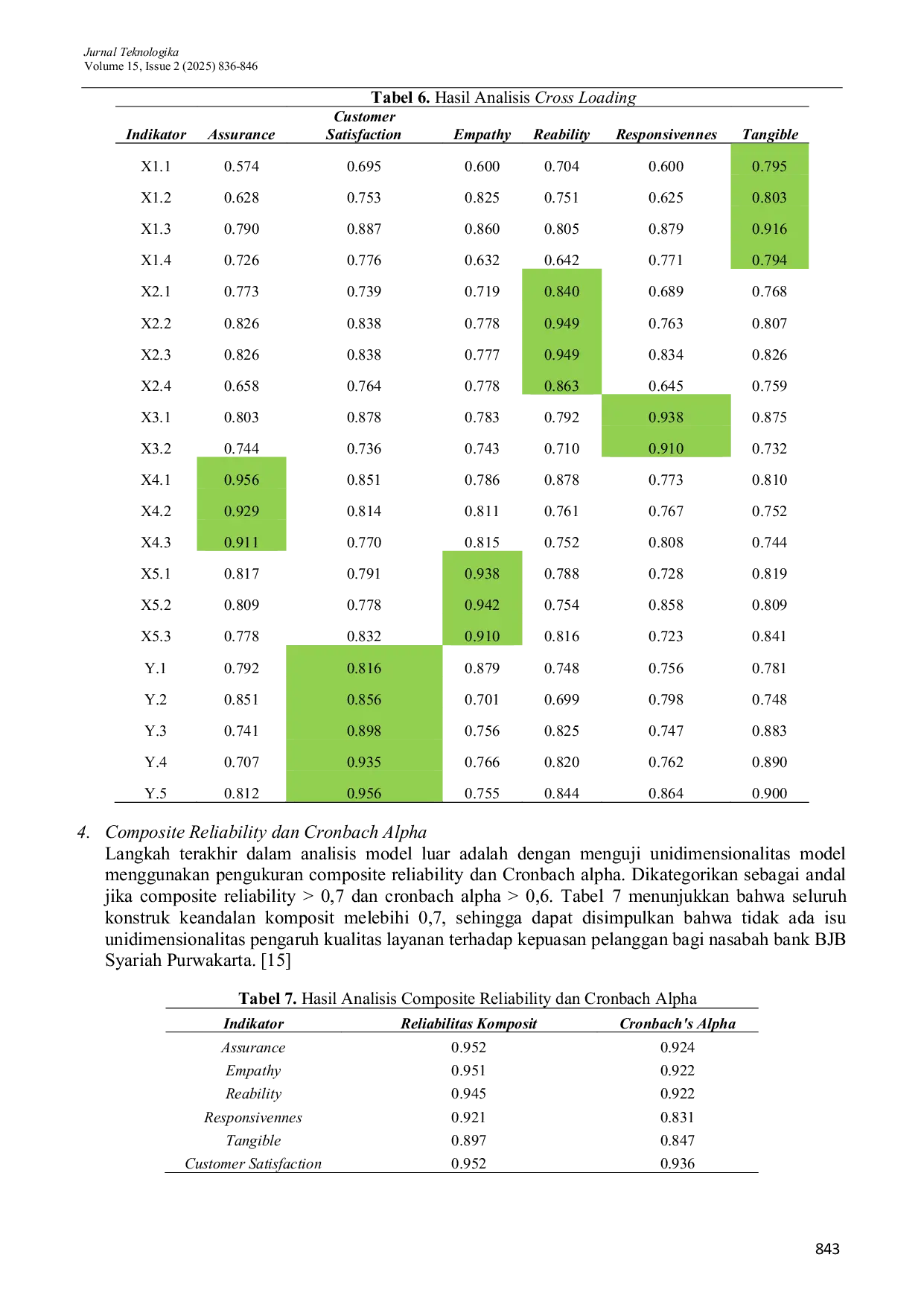
WASTUKANCANAWASTUKANCANA 872, yang berati tanggapan responden mengenai variabel kualitas pelayanan dinyatakan baik.melalui hasil kalkulasi bootstrapping berdasarkan analisis path872, yang berati tanggapan responden mengenai variabel kualitas pelayanan dinyatakan baik.melalui hasil kalkulasi bootstrapping berdasarkan analisis path

UTSUTS 919 > 1,960 ), yang berarti bahwa karakteristik substitusi, tingkat pendidikan, fasilitas-fasilitas, dan jarak mempunyai pengaruh secara nyata terhadap919 > 1,960 ), yang berarti bahwa karakteristik substitusi, tingkat pendidikan, fasilitas-fasilitas, dan jarak mempunyai pengaruh secara nyata terhadap
Useful /

UIN Ar-RaniryUIN Ar-Raniry Lebih lanjut, makalah ini mengacu pada penelitian terkini dan perspektif teoretis untuk mengembangkan kerangka konseptual, serta membahas implikasi temuanLebih lanjut, makalah ini mengacu pada penelitian terkini dan perspektif teoretis untuk mengembangkan kerangka konseptual, serta membahas implikasi temuan

UIN Ar-RaniryUIN Ar-Raniry This role is also reflected in the productivity level of academic staff. When academic staff are productive, it greatly contributes to the sustainabilityThis role is also reflected in the productivity level of academic staff. When academic staff are productive, it greatly contributes to the sustainability

POLTEKTRANSSDP PALEMBANGPOLTEKTRANSSDP PALEMBANG Penelitian ini membahas perlengkapan keselamatan berdasarkan Peraturan Direktur No. : Land KP. 3424/AP. 402/DRJD/2020. Tujuan penelitian adalah untuk menentukanPenelitian ini membahas perlengkapan keselamatan berdasarkan Peraturan Direktur No. : Land KP. 3424/AP. 402/DRJD/2020. Tujuan penelitian adalah untuk menentukan

POLTEKTRANSSDP PALEMBANGPOLTEKTRANSSDP PALEMBANG ETS, yang diterapkan menggunakan Excel. Dari hasil analisis yang telah dilakukan, dapat disimpulkan bahwa. Pola historis lalu lintas penumpang pada IdulETS, yang diterapkan menggunakan Excel. Dari hasil analisis yang telah dilakukan, dapat disimpulkan bahwa. Pola historis lalu lintas penumpang pada Idul