JURNALFKIPUNTADJURNALFKIPUNTAD
Jurnal Akademika KimiaJurnal Akademika KimiaCreative thinking is thinking to determine the new relationships between things, such as finding new solutions to a problem, finding new systems, and finding new artistic forms. This study aimed to analyze students creative thinking ability by applying concept attainment and problem-based learning models in the redox material of class X SMA Negeri 9 Palu. This type of research was pre-experimental with the static group pre-test post-test design. This study used 2 classes, namely class X MIA 1 as experimental class 1 (n = 22) and class X MIA 2 as experimental class 2 (n = 22). Data analysis of students creative thinking was performed using the test given after learning (post-test). The results of this study indicated that the percentage value of the average creative thinking of the experimental class 1 students was 74.5% with the high category and the achievement of aspects of creative thinking of students with the percentage from highest to lowest in the originality aspect were 76.7%, flexibility aspect was 74.1%, and the fluency aspect was 72.7%. While the average percentage of experimental class 2 was 76.6% with the high category and the achievement of aspects of creative thinking of students with the highest to lowest percentage of the fluency aspect was 84.5%, the originality aspect was 75.1%, and the flexibility aspect was 70.2%. The results of this study can be concluded that the application of the Concept Attainment and Problem Based Learning models were very good in creative thinking skills of students class in SMA Negeri 9 Palu on Redox material.
The application of concept attainment and problem-based learning models effectively improved students creative thinking abilities.Both experimental classes demonstrated high percentages in creative thinking, with class 2 showing slightly higher results.The study highlights the importance of utilizing innovative learning models to enhance students cognitive skills in challenging subjects like redox reactions.
Penelitian lebih lanjut perlu dilakukan untuk mengeksplorasi pengaruh model pembelajaran konsep dan pembelajaran berbasis masalah terhadap aspek-aspek spesifik dari pemikiran kreatif siswa, seperti elaborasi, fantasi, dan fleksibilitas, secara lebih mendalam. Selain itu, studi komparatif antara penerapan kedua model ini pada berbagai tingkatan kelas dan konteks materi kimia lainnya patut diteliti untuk mengetahui efektivitasnya secara lebih luas. Terakhir, penting untuk menginvestigasi bagaimana karakteristik individual siswa, seperti gaya belajar dan minat, dapat memoderasi hubungan antara model pembelajaran dan peningkatan kemampuan berpikir kreatif mereka, sehingga dapat dirancang strategi pembelajaran yang lebih personal dan efektif.
| File size | 6.61 MB |
| Pages | 6 |
| DMCA | Report |
Related /
UNUCIREBONUNUCIREBON Strategi pencegahan bullying harus dilakukan secara menyeluruh melalui pendidikan karakter, penguatan keterampilan sosial-emosional, layanan konselingStrategi pencegahan bullying harus dilakukan secara menyeluruh melalui pendidikan karakter, penguatan keterampilan sosial-emosional, layanan konseling
UNUCIREBONUNUCIREBON Penelitian ini dilatarbelakangi oleh fenomena rendahnya motivasi belajar siswa di daerah pedesaan, khususnya di SMP Negeri 1 Greged, yang masih didominasiPenelitian ini dilatarbelakangi oleh fenomena rendahnya motivasi belajar siswa di daerah pedesaan, khususnya di SMP Negeri 1 Greged, yang masih didominasi
IPBIPB Oleh karena itu, penting untuk meningkatkan indeks keberlanjutan ekonomi, sosial, dan lingkungan di beberapa desa dengan indeks keberlanjutan yang rendah.Oleh karena itu, penting untuk meningkatkan indeks keberlanjutan ekonomi, sosial, dan lingkungan di beberapa desa dengan indeks keberlanjutan yang rendah.

STAIMADIUNSTAIMADIUN Metode yang gunakan dalam penelitian ini adalah metode penelitian kualitatif dengan pendekatan library research. Hasil dari penelitian ini menyatakan bahwaMetode yang gunakan dalam penelitian ini adalah metode penelitian kualitatif dengan pendekatan library research. Hasil dari penelitian ini menyatakan bahwa

STAIMADIUNSTAIMADIUN Proses perencanaan, pelaksanaan, dan evaluasi merupakan tahapan krusial. Namun, keberhasilan tidak hanya bergantung pada komputer, tetapi juga pada kemampuanProses perencanaan, pelaksanaan, dan evaluasi merupakan tahapan krusial. Namun, keberhasilan tidak hanya bergantung pada komputer, tetapi juga pada kemampuan

STAIMADIUNSTAIMADIUN Oleh karena itu, sahih Bukhari- Muslim menjadi kitab induk warisan kalam Nabi yang sampai saat ini mesti dilestarikan. Al-Hakim al-Naisaburi berperan pentingOleh karena itu, sahih Bukhari- Muslim menjadi kitab induk warisan kalam Nabi yang sampai saat ini mesti dilestarikan. Al-Hakim al-Naisaburi berperan penting

STAIMADIUNSTAIMADIUN Pendidikan diyakini sebagai sarana utama pengembangan kualitas sumber daya manusia. Dalam konteks itulah revitalisasi kebijakan pendidikan terus menjadiPendidikan diyakini sebagai sarana utama pengembangan kualitas sumber daya manusia. Dalam konteks itulah revitalisasi kebijakan pendidikan terus menjadi
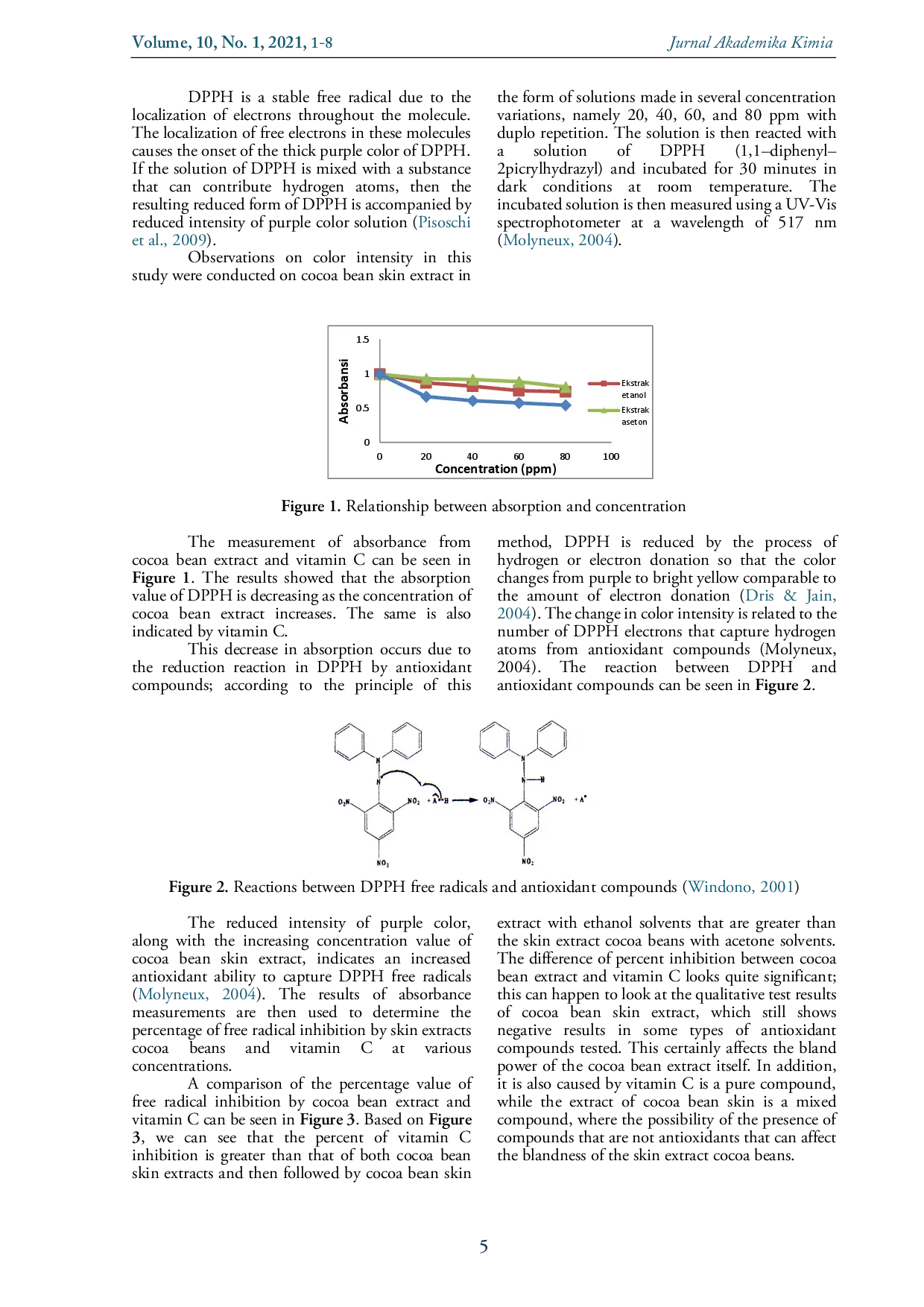
JURNALFKIPUNTADJURNALFKIPUNTAD Ekstrak kulit biji kakao menggunakan pelarut etanol memiliki aktivitas antioksidan lebih kuat dengan nilai IC50 181,2 ppm, sedangkan ekstrak aseton 247,9Ekstrak kulit biji kakao menggunakan pelarut etanol memiliki aktivitas antioksidan lebih kuat dengan nilai IC50 181,2 ppm, sedangkan ekstrak aseton 247,9
Useful /

UNESUNES B/2022/PN Tjk dan Putusan Nomor: 592/Pid. B/2023/PN Lbp adalah terlihat dari Putusan yang dijatuhkan yaitu hukuman pidana penjara selama 2 tahun dan 8B/2022/PN Tjk dan Putusan Nomor: 592/Pid. B/2023/PN Lbp adalah terlihat dari Putusan yang dijatuhkan yaitu hukuman pidana penjara selama 2 tahun dan 8

IAIN KEDIRIIAIN KEDIRI Variasi program ko‑kurikuler dan ekstra‑kurikuler serta frekuensi kegiatan diperkirakan menjadi faktor yang memengaruhi perbedaan tersebut. SecaraVariasi program ko‑kurikuler dan ekstra‑kurikuler serta frekuensi kegiatan diperkirakan menjadi faktor yang memengaruhi perbedaan tersebut. Secara
ADI JOURNALADI JOURNAL Namun, teknologi canggih dan penjualan global masih membutuhkan kehatian agar tidak merugikan konsumen, seperti menghindari hoax atau scam. Konsumen perluNamun, teknologi canggih dan penjualan global masih membutuhkan kehatian agar tidak merugikan konsumen, seperti menghindari hoax atau scam. Konsumen perlu

UIN WALISONGOUIN WALISONGO Hasil analisis data menunjukkan bahwa tidak ada perbedaan yang signifikan pada aspek konflik interpersonal (t=-0,556, p>0,05), emosi negatif (t=0,131,Hasil analisis data menunjukkan bahwa tidak ada perbedaan yang signifikan pada aspek konflik interpersonal (t=-0,556, p>0,05), emosi negatif (t=0,131,