GOODWOODPUBGOODWOODPUB
Universal Teaching and Learning JournalUniversal Teaching and Learning JournalThis study aims to examine how oil and gas terminology is presented in explanatory dictionaries of the Uzbek language. This study seeks to understand how these dictionaries define, simplify, and standardize technical terms within the general language system. This study used a qualitative lexical analysis of printed and digital Uzbek explanatory dictionaries. A descriptive and comparative approach was applied to examine the definitions, meanings, polysemy, stylistic features, and normative aspects of oil and gas terms through document and textual reviews. The findings show that explanatory dictionaries present oil and gas terms in a simplified and generalized way. Although they provide normative and lexical meanings, they often do not fully reflect the scientific and technical depth of the terms. The analysis also revealed the presence of polysemy, stylistic neutrality, and the integration of oil and gas terminology into the broader general language system.
This study concludes that explanatory dictionaries play an important normative role in standardizing oil and gas terminology in the Uzbek language.However, their definitions are limited in representing the full scientific and technical complexity of specialized terminology.This limitation reflects the dictionaries focus on general language usage rather than technical depth.Further research should explore the effectiveness of digital dictionaries and corpus-based methods in capturing the nuances of oil and gas terminology.
Penelitian lanjutan perlu dilakukan untuk mengeksplorasi bagaimana teknologi digital, seperti penggunaan korpus bahasa dan alat ekstraksi istilah otomatis, dapat meningkatkan representasi terminologi minyak dan gas dalam kamus Uzbek. Hal ini dapat mencakup pengembangan kamus digital interaktif yang menyediakan definisi yang disederhanakan untuk pengguna umum serta informasi teknis yang lebih rinci untuk para profesional. Selain itu, penelitian lebih lanjut dapat berfokus pada analisis komparatif antara kamus penjelasan Uzbek dan sumber terminologi khusus, seperti glosarium teknis dan ensiklopedia, untuk mengidentifikasi kesenjangan dan area untuk perbaikan. Terakhir, studi pengguna dapat dilakukan untuk mengevaluasi efektivitas definisi kamus dalam memenuhi kebutuhan berbagai kelompok pengguna, termasuk mahasiswa, insinyur, dan masyarakat umum, guna memastikan bahwa kamus tersebut dapat diakses dan bermanfaat bagi semua.
- Recent Advances in Automatic Term Extraction: A Comprehensive Survey | ACM Computing Surveys. recent... dl.acm.org/doi/10.1145/3787584Recent Advances in Automatic Term Extraction A Comprehensive Survey ACM Computing Surveys recent dl acm doi 10 1145 3787584
- Terminology and Labelling Words by Subject in Monolingual.... terminology labelling words subject monolingual... reference-global.com/article/10.1515/jazcas-2017-0039Terminology and Labelling Words by Subject in Monolingual terminology labelling words subject monolingual reference global article 10 1515 jazcas 2017 0039
- Semantic minimalism and the continuous nature of polysemy - Li - 2024 - Mind & Language - Wiley Online... onlinelibrary.wiley.com/doi/10.1111/mila.12509Semantic minimalism and the continuous nature of polysemy Li 2024 Mind Language Wiley Online onlinelibrary wiley doi 10 1111 mila 12509
- Goodwood Akuntansi dan Auditing Reviu | Goodwood Akuntansi dan Auditing Reviu. goodwood akuntansi auditing... doi.org/10.35912/gaar.v4i1.5443Goodwood Akuntansi dan Auditing Reviu Goodwood Akuntansi dan Auditing Reviu goodwood akuntansi auditing doi 10 35912 gaar v4i1 5443
| File size | 518.74 KB |
| Pages | 10 |
| DMCA | Report |
Related /
STIECENDEKIAKUSTIECENDEKIAKU BPR rata-rata memiliki bentuk legal formal (bentuk usaha) perseroan terbatas (PT), dimana memiliki ciri khas yakni adanya pemisahan yang jelas dan tegasBPR rata-rata memiliki bentuk legal formal (bentuk usaha) perseroan terbatas (PT), dimana memiliki ciri khas yakni adanya pemisahan yang jelas dan tegas

STIECENDEKIAKUSTIECENDEKIAKU Adanya pendemi ini pemerintah langsung mengeluarkan Permendes No. 6 Tahun 2020 yang mengatur kembali tentang prioritas pengunaan dana desa tahun 2020 yangAdanya pendemi ini pemerintah langsung mengeluarkan Permendes No. 6 Tahun 2020 yang mengatur kembali tentang prioritas pengunaan dana desa tahun 2020 yang

DINASTIRESDINASTIRES Inti masalahnya adalah peraturan administratif, seperti Surat Edaran T-19/MG. M/2025, yang membatasi impor bahan bakar, secara implisit memberikan keuntunganInti masalahnya adalah peraturan administratif, seperti Surat Edaran T-19/MG. M/2025, yang membatasi impor bahan bakar, secara implisit memberikan keuntungan
UGJUGJ Dampak penelitian ini adalah menyediakan pendekatan kreatif yang dapat diadopsi oleh pendidik bahasa untuk menerapkan pendekatan berbasis sensorik dalamDampak penelitian ini adalah menyediakan pendekatan kreatif yang dapat diadopsi oleh pendidik bahasa untuk menerapkan pendekatan berbasis sensorik dalam
IAIN KEDIRIIAIN KEDIRI Abstrak: Penelitian tentang representasi nilai moral dalam buku teks bahasa Inggris di Indonesia telah berkembang dalam beberapa tahun terakhir. Namun,Abstrak: Penelitian tentang representasi nilai moral dalam buku teks bahasa Inggris di Indonesia telah berkembang dalam beberapa tahun terakhir. Namun,
USUUSU Disimpulkan bahwa faktor sosio-linguistik mungkin terbukti berguna untuk memahami dengan lebih baik dinamika kegagalan dalam mengenali fungsi yang benarDisimpulkan bahwa faktor sosio-linguistik mungkin terbukti berguna untuk memahami dengan lebih baik dinamika kegagalan dalam mengenali fungsi yang benar

UNSUNS Dengan diberlakukannya Pasal 33 UUD 1945 dalam Undang-Undang Migas dan Undang-Undang Pemerintahan Daerah, pemerintah daerah, khususnya Provinsi Maluku,Dengan diberlakukannya Pasal 33 UUD 1945 dalam Undang-Undang Migas dan Undang-Undang Pemerintahan Daerah, pemerintah daerah, khususnya Provinsi Maluku,

USDUSD Papua kaya akan warisan budaya: ratusan bahasa daerah, suku, cerita rakyat, dan tradisi unik lainnya. Namun, warisan ini tidak lagi dikenali oleh generasiPapua kaya akan warisan budaya: ratusan bahasa daerah, suku, cerita rakyat, dan tradisi unik lainnya. Namun, warisan ini tidak lagi dikenali oleh generasi
Useful /
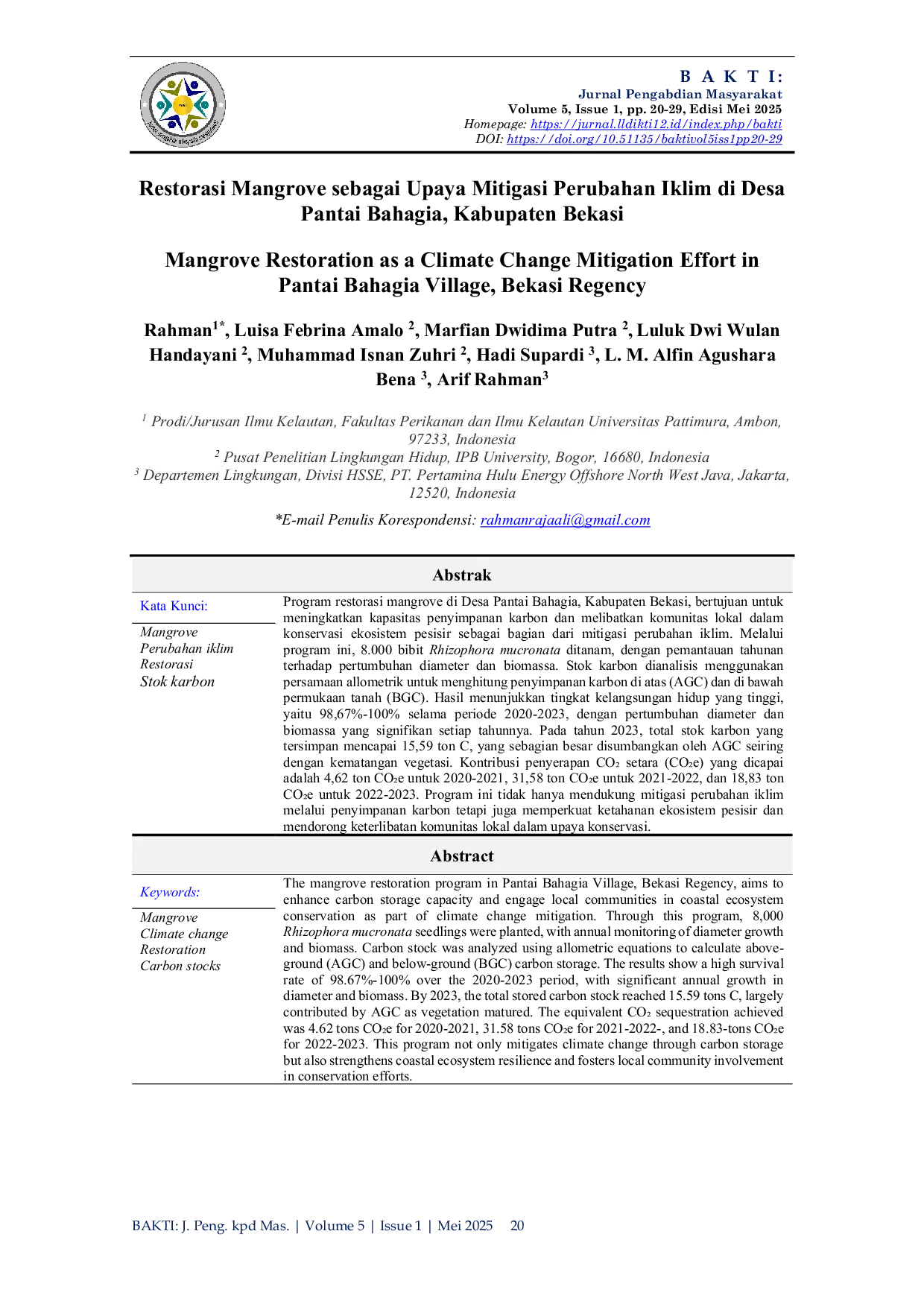
LLDIKTI12LLDIKTI12 000 bibit Rhizophora mucronata ditanam, dengan pemantauan tahunan terhadap pertumbuhan diameter dan biomassa. Stok karbon dianalisis menggunakan persamaan000 bibit Rhizophora mucronata ditanam, dengan pemantauan tahunan terhadap pertumbuhan diameter dan biomassa. Stok karbon dianalisis menggunakan persamaan
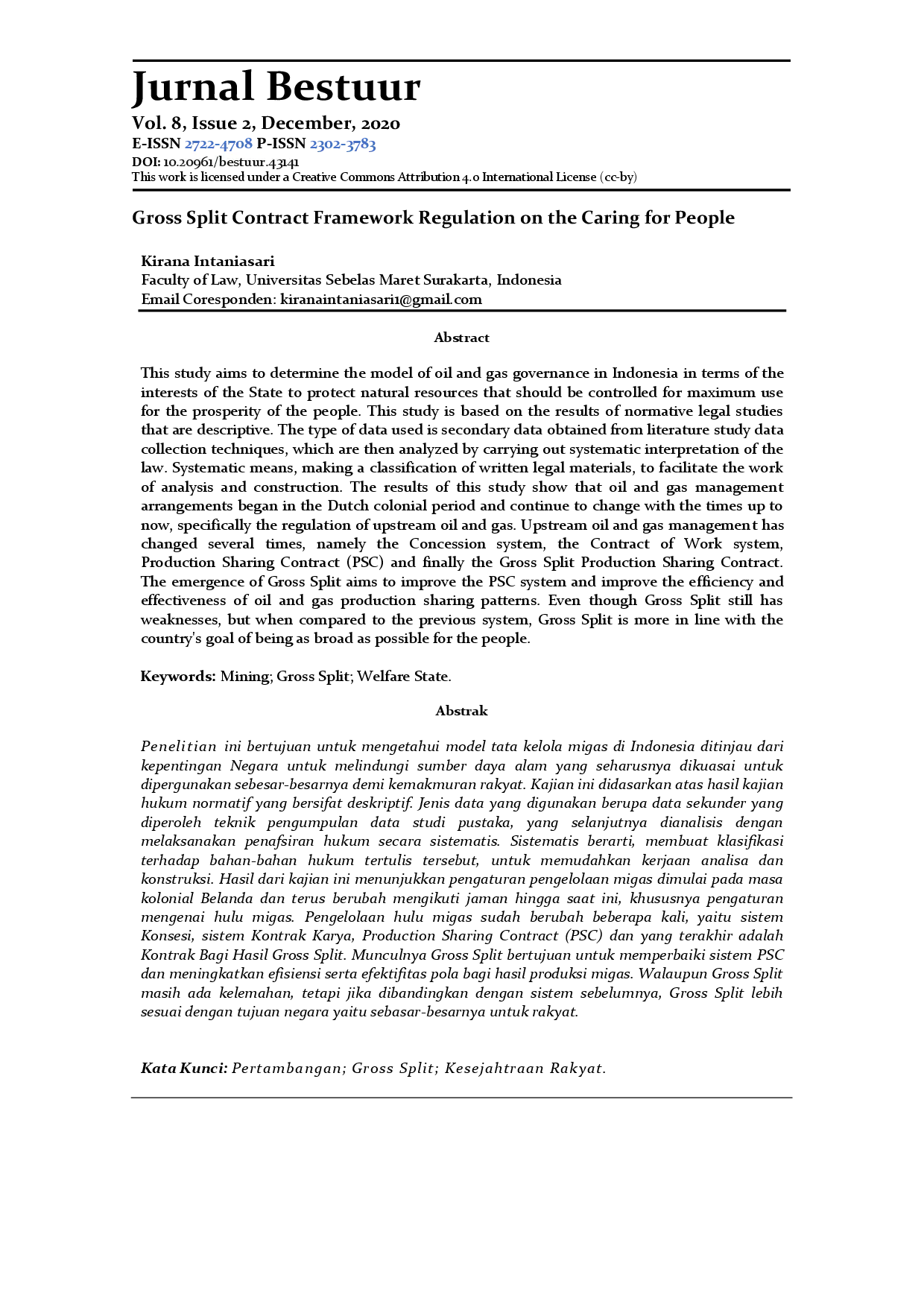
UNSUNS Hasil dari kajian ini menunjukkan pengaturan pengelolaan migas dimulai pada masa kolonial Belanda dan terus berubah mengikuti jaman hingga saat ini, khususnyaHasil dari kajian ini menunjukkan pengaturan pengelolaan migas dimulai pada masa kolonial Belanda dan terus berubah mengikuti jaman hingga saat ini, khususnya

UNSUNS Tujuan penelitian ini adalah untuk menelaah potensi dan kebijakan pertambangan yang telah dilaksanakan di Provinsi Lampung dan mereformulasi kebijakanTujuan penelitian ini adalah untuk menelaah potensi dan kebijakan pertambangan yang telah dilaksanakan di Provinsi Lampung dan mereformulasi kebijakan

UNSUNS Friedman melihat bahwa keberhasilan penegakan hukum selalu memerlukan berfungsinya semua komponen sistem hukum. Sistem hukum dalam pandangan Friedman terdiriFriedman melihat bahwa keberhasilan penegakan hukum selalu memerlukan berfungsinya semua komponen sistem hukum. Sistem hukum dalam pandangan Friedman terdiri