UNAIUNAI
Jurnal Koinonia: Fakultas Filsafat Universitas Advent IndonesiaJurnal Koinonia: Fakultas Filsafat Universitas Advent IndonesiaThis article examines the controversial leadership of Alexander McLearn as President of Battle Creek College (1881–1882) and its relevance for renewing Adventist education in Indonesias Merdeka Belajar era. McLearn, a former Baptist minister turned Seventh-day Adventist, clashed with Goodloe Harper Bell over student discipline and gender relations, reflecting tensions between tradition and educational reform in early Adventist schooling. Using a biographical narrative method and archival sources, this study analyzes McLearns student-centered disciplinary approach, which anticipated Ellen G. Whites holistic educational philosophy but conflicted with institutional norms. The findings emphasize the importance of flexible leadership and character-based discipline. In response to declining enrollment in Indonesian Adventist schools, this article reinterprets McLearn as a misunderstood innovator and suggests integrating digital learning with Adventist values to address contemporary educational challenges.
Alexander McLearns story highlights the tension between tradition and innovation in Adventist education, a struggle echoed in modern Indonesian schools facing declining enrollment.Whites holistic vision, but his inflexibility led to conflict and ultimately, his departure.The study suggests that Indonesian Adventist schools can revitalize their appeal by embracing adaptive leadership, integrating digital tools with denominational values, and fostering unity through open dialogue to balance academic excellence with spiritual mission.
Further research should explore how successful Adventist schools in Indonesia have integrated Merdeka Belajars principles while maintaining their unique identity, identifying best practices for curriculum development and teacher training. Additionally, a comparative study examining the impact of different disciplinary approaches—traditional versus student-centered—on student engagement and spiritual development within Indonesian Adventist schools is warranted. Finally, investigating the long-term outcomes of graduates from Adventist schools that have actively embraced digital learning platforms, assessing their spiritual and professional success, could provide valuable insights for refining educational strategies and ensuring that Adventist education remains relevant and impactful in the 21st century. These investigations, requiring approximately 150-200 words each, will contribute to a more nuanced understanding of how Adventist education can thrive in a rapidly changing Indonesian context, offering practical guidance for school leaders and policymakers alike.
| File size | 247.17 KB |
| Pages | 13 |
| DMCA | Report |
Related /

YRPIPKUYRPIPKU Penelitian ini bertujuan untuk merumuskan strategi pariwisata tangguh bencana untuk Majene dengan menerapkan Proses Hierarki Analitis (AHP), kerangka pengambilanPenelitian ini bertujuan untuk merumuskan strategi pariwisata tangguh bencana untuk Majene dengan menerapkan Proses Hierarki Analitis (AHP), kerangka pengambilan

YRPIPKUYRPIPKU Industri penerbangan memiliki peran penting dalam aktivitas ekonomi global, tetapi juga menyumbang emisi karbon dioksida (CO₂) yang signifikan, memperparahIndustri penerbangan memiliki peran penting dalam aktivitas ekonomi global, tetapi juga menyumbang emisi karbon dioksida (CO₂) yang signifikan, memperparah

YRPIPKUYRPIPKU Hasil visualisasi dan sintesis data bibliografis memberikan gambaran komprehensif pengetahuan, memungkinkan peneliti, praktisi, dan pembuat kebijakan menavigasiHasil visualisasi dan sintesis data bibliografis memberikan gambaran komprehensif pengetahuan, memungkinkan peneliti, praktisi, dan pembuat kebijakan menavigasi
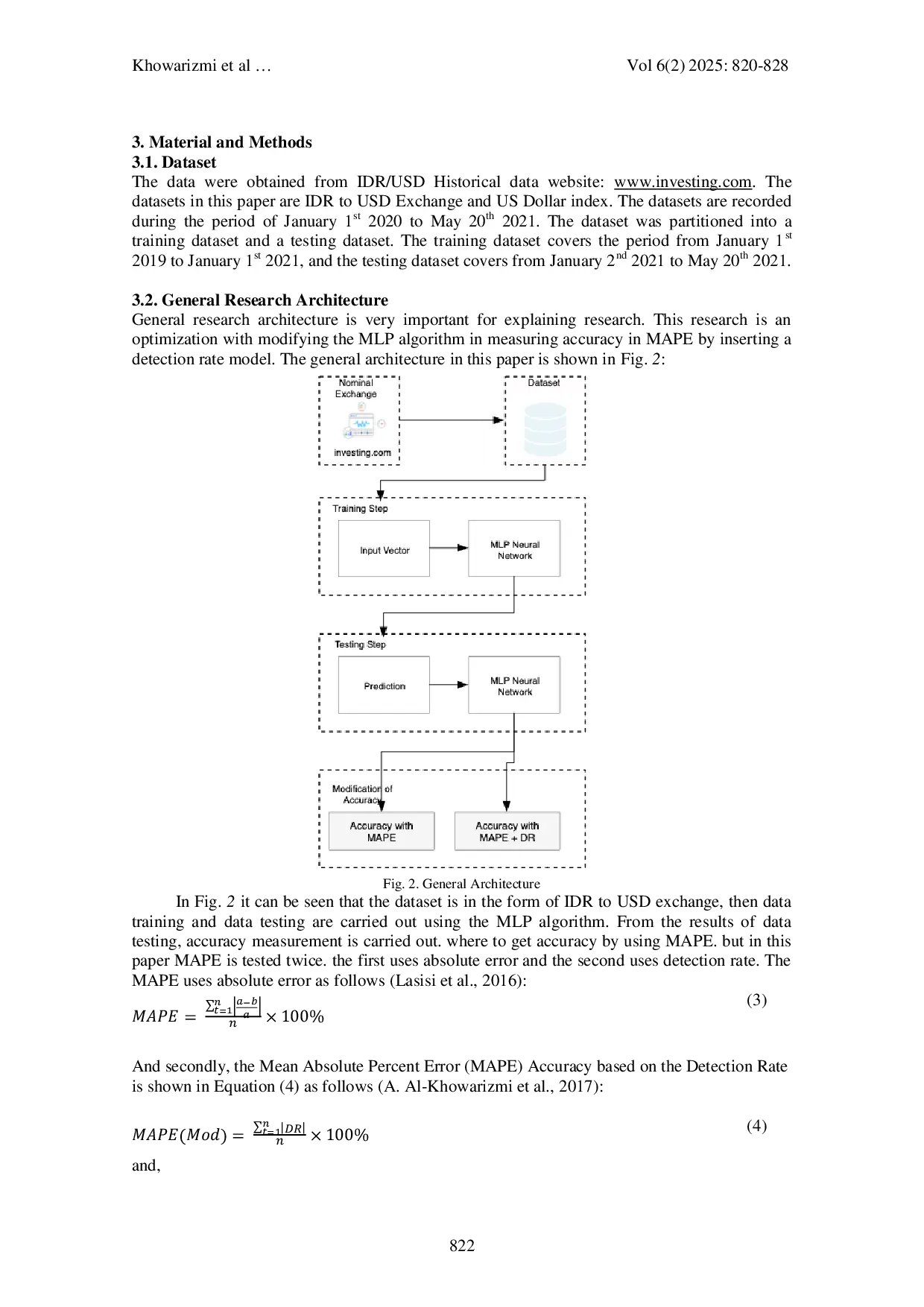
YRPIPKUYRPIPKU Hal ini terlihat pada kasus prediksi nilai tukar Rupiah Indonesia (IDR) terhadap Dolar Amerika Serikat (USD) dengan algoritma MLP melalui pengujian menggunakanHal ini terlihat pada kasus prediksi nilai tukar Rupiah Indonesia (IDR) terhadap Dolar Amerika Serikat (USD) dengan algoritma MLP melalui pengujian menggunakan
YRPIPKUYRPIPKU Penggunaan teknologi Metaverse dan Virtual Reality (VR) dalam pemasaran pariwisata memberikan manfaat signifikan berupa peningkatan keterlibatan pengguna,Penggunaan teknologi Metaverse dan Virtual Reality (VR) dalam pemasaran pariwisata memberikan manfaat signifikan berupa peningkatan keterlibatan pengguna,
YRPIPKUYRPIPKU Metode Seed & Idriss (1971) mengindikasikan bahwa titik 3 pada kedalaman 8 m dan 14 m, serta titik 4 pada kedalaman 8 m, berpotensi likuifaksi, sedangkanMetode Seed & Idriss (1971) mengindikasikan bahwa titik 3 pada kedalaman 8 m dan 14 m, serta titik 4 pada kedalaman 8 m, berpotensi likuifaksi, sedangkan
YRPIPKUYRPIPKU Di sisi lain, logam berat menyebabkan pencemaran lingkungan. Salah satu teknik untuk menghilangkan logam berat adalah adsorpsi. Dengan mereaksikan polyvinylDi sisi lain, logam berat menyebabkan pencemaran lingkungan. Salah satu teknik untuk menghilangkan logam berat adalah adsorpsi. Dengan mereaksikan polyvinyl
YRPIPKUYRPIPKU Makalah ini membahas tantangan konsumsi energi tinggi pada jaringan multi-user multiple-input multiple-output (MU-MIMO) generasi keenam (6G) dengan menganalisisMakalah ini membahas tantangan konsumsi energi tinggi pada jaringan multi-user multiple-input multiple-output (MU-MIMO) generasi keenam (6G) dengan menganalisis
Useful /

UNAIUNAI Research findings indicate that parentless conditions cause prolonged trauma, emotional regulation difficulties, excessive anxiety, social interactionResearch findings indicate that parentless conditions cause prolonged trauma, emotional regulation difficulties, excessive anxiety, social interaction

DHARMAWANGSADHARMAWANGSA Meskipun kedua putusan telah diproses secara hukum, keputusan hakim tidak mencerminkan rasa keadilan yang dirasakan masyarakat. Pengguna narkotika seharusnyaMeskipun kedua putusan telah diproses secara hukum, keputusan hakim tidak mencerminkan rasa keadilan yang dirasakan masyarakat. Pengguna narkotika seharusnya

DHARMAWANGSADHARMAWANGSA Gst. , dimana Anak Berkonflik Hukum dalam kasus tersebut telah memenuhi syarat-syarat untuk diupayakan diversi, ternyata diversi tidak dilakukan. SehinggaGst. , dimana Anak Berkonflik Hukum dalam kasus tersebut telah memenuhi syarat-syarat untuk diupayakan diversi, ternyata diversi tidak dilakukan. Sehingga
DHARMAWANGSADHARMAWANGSA Sebagaimana penulis gambarkan sangat penting untuk memperketat syarat administrasi dalam pengajuan dispensasi kawin sebagai bukti dukungan bahwa perkawinanSebagaimana penulis gambarkan sangat penting untuk memperketat syarat administrasi dalam pengajuan dispensasi kawin sebagai bukti dukungan bahwa perkawinan