GREENATIONPUBLISHERGREENATIONPUBLISHER
Journal of Law and Humanities ReviewJournal of Law and Humanities ReviewThis article explores the implementation of criminal sanctions against the President of Indonesia for constitutional violations, focusing on the interplay of executive power and oversight mechanisms. It emphasizes the importance of understanding the limitations of law enforcement agencies and the necessity of preventive measures to avert such violations, aiming to maintain constitutional integrity and stability. The study critically examines the impeachment process as outlined in Articles 7A and 7B of the 1945 Constitution, highlighting its classification as a political decision and the roles of key institutions such as the MPR (Peoples Consultative Assembly), DPR (House of Representatives), and MK (Constitutional Court). The findings reveal that the impeachment mechanism, while necessary for upholding the rule of law, faces challenges including politicization and inefficacy in resolving political conflicts, which may lead to societal polarization. The article calls for a thorough evaluation of the impeachment process to identify weaknesses and enhance transparency, fairness, and community participation. Ultimately, it argues that a well-functioning impeachment mechanism is crucial for preserving democracy, maintaining the integrity of state institutions, and ensuring justice within the Indonesian political system.
The mechanism for the dismissal of the president and/or vice president after the amendment involves three institutions.the MPR, DPR, and MK, with the fundamental reason being actions deemed disgraceful that contradict the principles of legality and legal certainty.The absolute authority in impeachment matters is a constitutional right of the MPR, as the Constitutional Court is only obligated to provide legal opinions for the DPR.This mechanism needs to be reconsidered to prevent the dismissal of the President and/or Vice President solely for political reasons.
Penelitian lebih lanjut perlu dilakukan untuk mengeksplorasi dampak sosio-politik dari proses impeachment terhadap polarisasi masyarakat dan stabilitas politik di Indonesia. Hal ini dapat dilakukan dengan menganalisis studi kasus impeachment yang pernah terjadi atau mensimulasikan skenario impeachment potensial untuk mengidentifikasi faktor-faktor yang dapat memperburuk atau mengurangi polarisasi. Selain itu, penelitian perlu difokuskan pada peningkatan independensi dan profesionalisme Mahkamah Konstitusi dalam proses impeachment, termasuk evaluasi terhadap mekanisme pengawasan dan akuntabilitas yang ada. Penelitian ini dapat mengkaji efektivitas mekanisme rekrutmen hakim konstitusi, sistem pengawasan internal, dan transparansi dalam pengambilan keputusan. Terakhir, perlu ada penelitian yang mendalam mengenai perbandingan mekanisme impeachment di Indonesia dengan negara-negara lain yang memiliki sistem politik serupa, dengan tujuan mengidentifikasi praktik-praktik terbaik yang dapat diadopsi untuk meningkatkan efektivitas dan legitimasi proses impeachment di Indonesia. Studi komparatif ini dapat mencakup analisis terhadap peran lembaga-lembaga terkait, prosedur hukum, dan kriteria yang digunakan untuk menentukan alasan impeachment.
- Dismissal of President in Indonesian State Administration System | Mihradi | International Journal of... doi.org/10.18415/ijmmu.v7i2.1573Dismissal of President in Indonesian State Administration System Mihradi International Journal of doi 10 18415 ijmmu v7i2 1573
- Perspektif Hak Asasi Manusia Terhadap Penerapan Perbuatan Melawan Hukum Pada Pasal Penghinaan Presiden... doi.org/10.25157/justisi.v8i1.3160Perspektif Hak Asasi Manusia Terhadap Penerapan Perbuatan Melawan Hukum Pada Pasal Penghinaan Presiden doi 10 25157 justisi v8i1 3160
| File size | 639.51 KB |
| Pages | 10 |
| DMCA | Report |
Related /
UMSRAPPANGUMSRAPPANG Penelitian ini mengusulkan Sheik Leadership Model (SLM), sebuah kerangka kerja kepemimpinan yang berbasis kecerdasan buatan dan berfokus pada kesabaran,Penelitian ini mengusulkan Sheik Leadership Model (SLM), sebuah kerangka kerja kepemimpinan yang berbasis kecerdasan buatan dan berfokus pada kesabaran,
STAIMUNSTAIMUN Dengan mengatasi elemen-elemen ini, institusi dapat memanfaatkan potensi Big Data dan AI sambil tetap selaras dengan nilai-nilai pendidikan Islam. PenelitianDengan mengatasi elemen-elemen ini, institusi dapat memanfaatkan potensi Big Data dan AI sambil tetap selaras dengan nilai-nilai pendidikan Islam. Penelitian
UPBUPB Selain itu, mahasiswa juga berpartisipasi dalam kegiatan desa, termasuk menjadi panitia HUT RI ke-80. Seluruh program dapat terlaksana dengan baik danSelain itu, mahasiswa juga berpartisipasi dalam kegiatan desa, termasuk menjadi panitia HUT RI ke-80. Seluruh program dapat terlaksana dengan baik dan

169169 Tema kepemilikan diri dan otonomi atas tubuh sendiri ditekankan dalam drama ini, yang membahas kehilangan otonomi yang sering dialami wanita dalam masyarakatTema kepemilikan diri dan otonomi atas tubuh sendiri ditekankan dalam drama ini, yang membahas kehilangan otonomi yang sering dialami wanita dalam masyarakat
UMCUMC Artikel ini ditulis untuk menjajaki hubungan antara etika, logika, dan seni serta sains. Hasil dari artikel ini menunjukkan bahwa sains tidak terbatasArtikel ini ditulis untuk menjajaki hubungan antara etika, logika, dan seni serta sains. Hasil dari artikel ini menunjukkan bahwa sains tidak terbatas
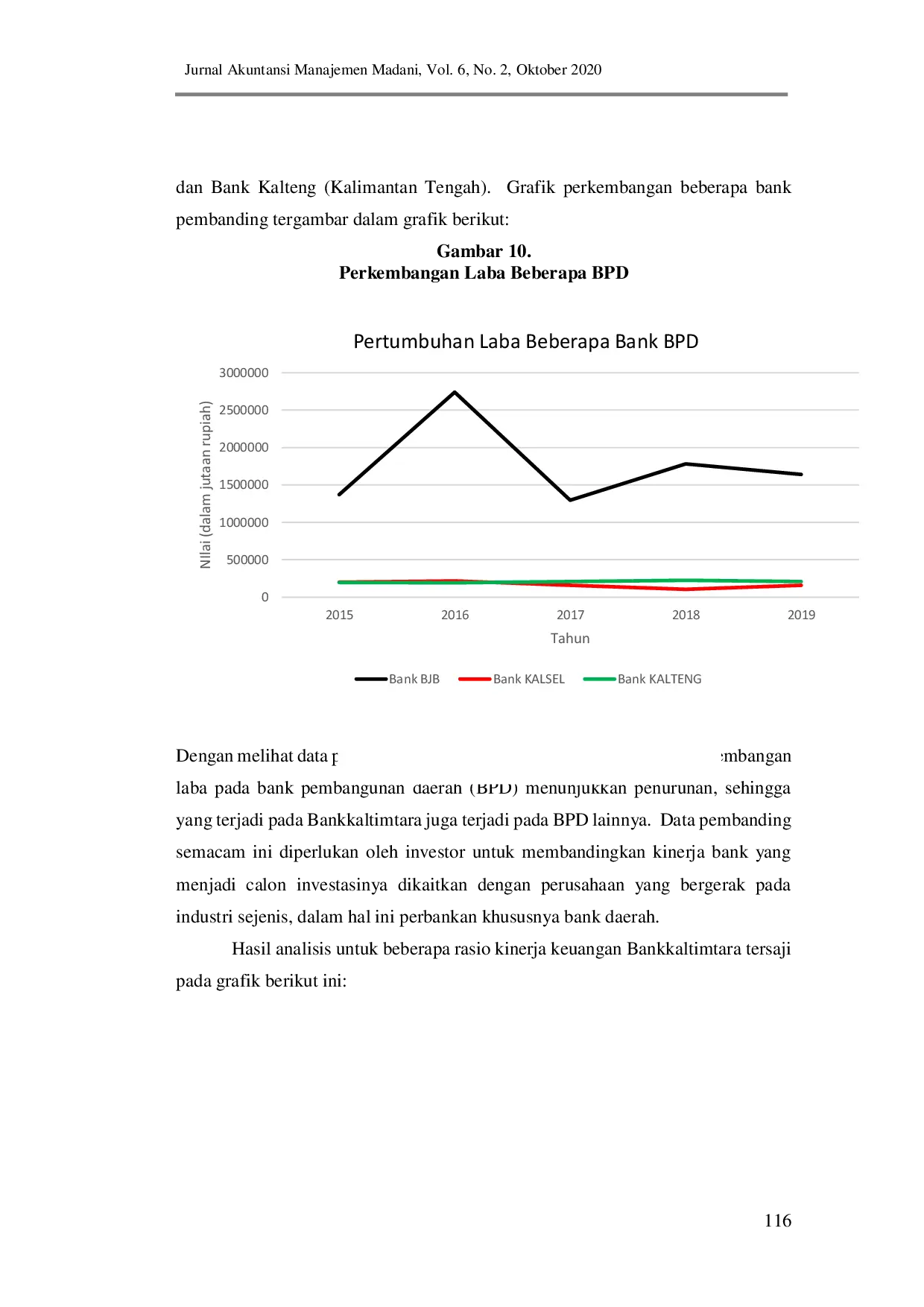
STIEMADANISTIEMADANI Berdasarkan analisis yang telah dilakukan, dapat disimpulkan bahwa Bankkaltimtara telah memenuhi persyaratan untuk mencatatkan sahamnya di Bursa Efek IndonesiaBerdasarkan analisis yang telah dilakukan, dapat disimpulkan bahwa Bankkaltimtara telah memenuhi persyaratan untuk mencatatkan sahamnya di Bursa Efek Indonesia

STFXAMBONSTFXAMBON Artikel ini membahas topik tersebut berdasarkan Surat Ensiklik Fides et Ratio dari Yohanes Paulus II dengan argumen bahwa, meskipun urgensi Surat tersebutArtikel ini membahas topik tersebut berdasarkan Surat Ensiklik Fides et Ratio dari Yohanes Paulus II dengan argumen bahwa, meskipun urgensi Surat tersebut

STFXAMBONSTFXAMBON Dia tidak berfokus pada hubungan diplomatik atau urusan politik dengan Tiongkok atau negara Eropa lainnya. Celso hanya mengurus hal-hal yang berkaitanDia tidak berfokus pada hubungan diplomatik atau urusan politik dengan Tiongkok atau negara Eropa lainnya. Celso hanya mengurus hal-hal yang berkaitan
Useful /
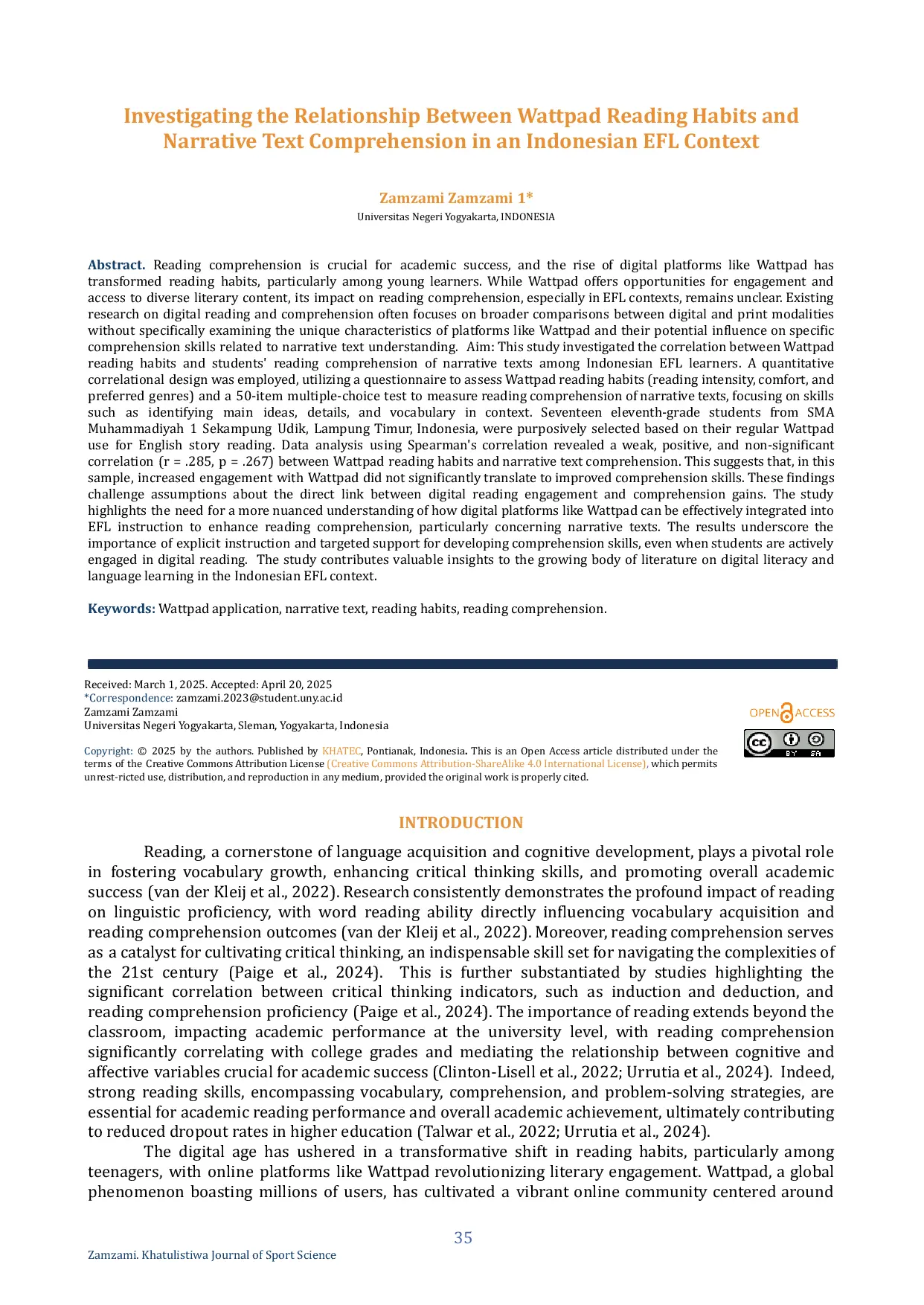
KHATECKHATEC Penelitian ini menegaskan pentingnya pemahaman yang lebih mendalam tentang pemanfaatan platform digital seperti Wattpad dalam pembelajaran EFL untuk meningkatkanPenelitian ini menegaskan pentingnya pemahaman yang lebih mendalam tentang pemanfaatan platform digital seperti Wattpad dalam pembelajaran EFL untuk meningkatkan
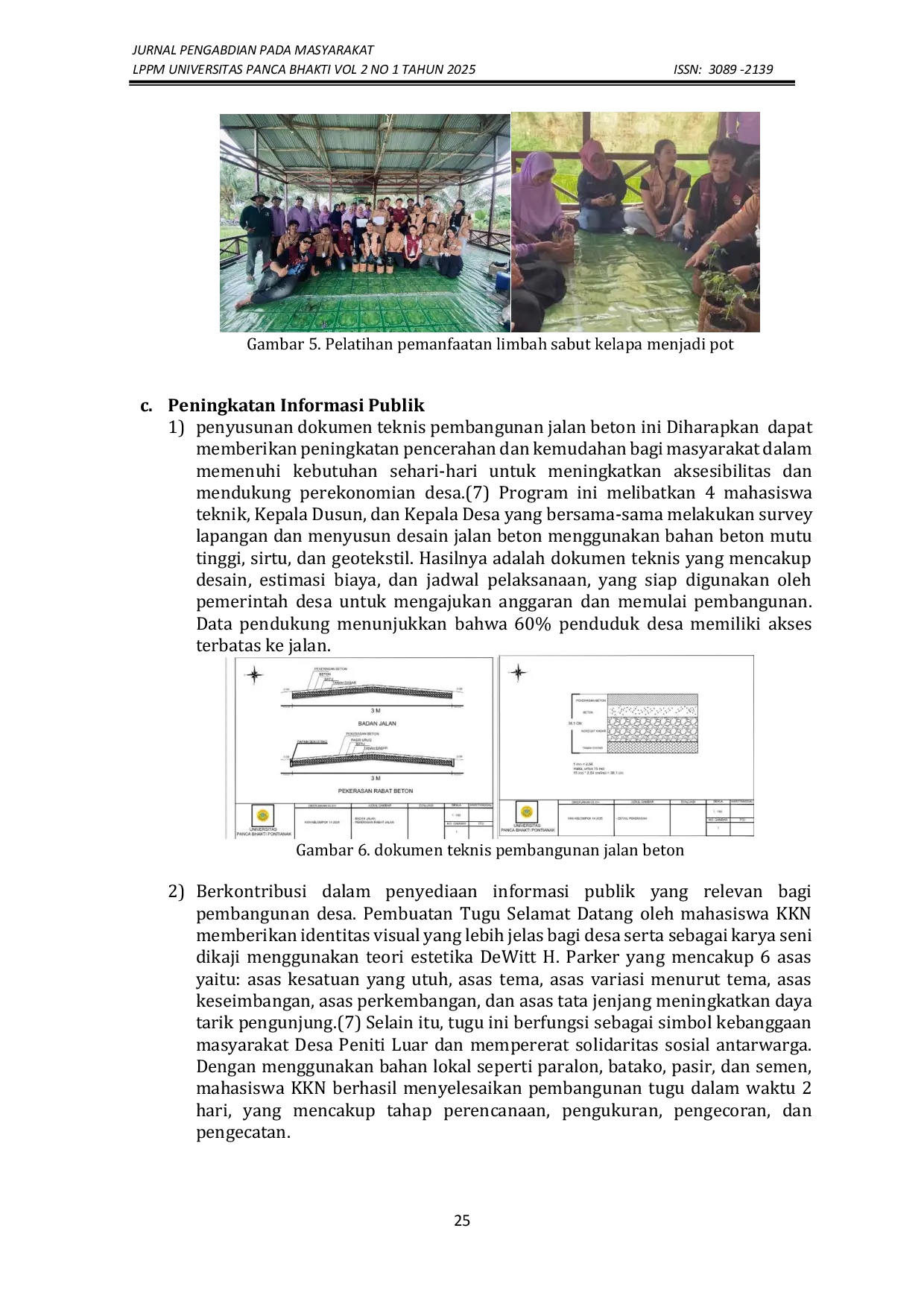
UPBUPB Program Kuliah Kerja Nyata (KKN) menjadi salah satu bentuk nyata melalui pendekatan pemberdayaan masyarakat berbasis potensi lokal. Desa Peniti Luar, KecamatanProgram Kuliah Kerja Nyata (KKN) menjadi salah satu bentuk nyata melalui pendekatan pemberdayaan masyarakat berbasis potensi lokal. Desa Peniti Luar, Kecamatan

UNJAUNJA Jumlah total tuturan direktif yang teridentifikasi adalah 48. Temuan ini memberikan gambaran mengenai bagaimana guru menggunakan bahasa untuk mengarahkanJumlah total tuturan direktif yang teridentifikasi adalah 48. Temuan ini memberikan gambaran mengenai bagaimana guru menggunakan bahasa untuk mengarahkan
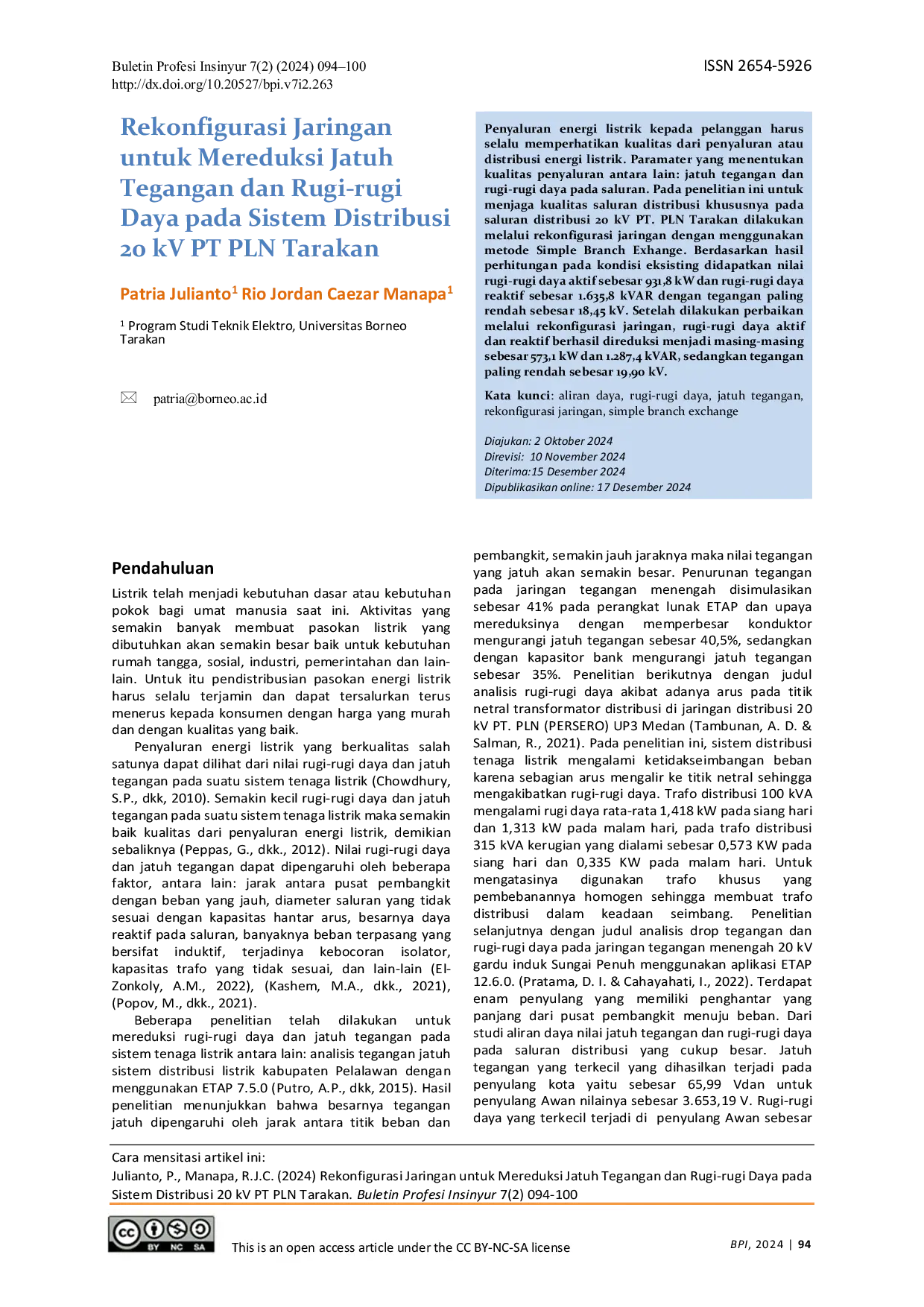
LMULMU Penyaluran energi listrik kepada pelanggan harus selalu memperhatikan kualitas dari penyaluran atau distribusi energi listrik. Parameter yang menentukanPenyaluran energi listrik kepada pelanggan harus selalu memperhatikan kualitas dari penyaluran atau distribusi energi listrik. Parameter yang menentukan