WESTSCIENCE PRESSWESTSCIENCE PRESS
West Science Law and Human RightsWest Science Law and Human RightsThe 1945 Constitution acknowledges and protects the existence of indigenous communities. However, the existence of customary court has been abolished through Emergency Law No. 1/1951, and its legal authority is still not recognized to this day. This creates ambiguity in the administration of the justice system. Therefore, an assessment of the urgency of reconstructing Indonesias justice system to achieve recognition of customary justice institutions is needed. Through this method, it is found that non-binding legal force of customary court decisions leads to negative consequences for indigenous people and customary law itself. Therefore, a strong legal framework is required through the enactment of the Indigenous Community Bill. Collaboration between law enforcement and indigenous people is also essential in resolving indigenous cases.
The study concludes that the recognition of customary law within the national legal system remains ambiguous, leading to legal uncertainty regarding the authority of customary courts.This situation negatively impacts indigenous communities and hinders the fulfillment of their rights.To address this, the enactment of the Indigenous Communities Bill is crucial, alongside enhanced collaboration between law enforcement and indigenous communities to ensure effective dispute resolution and legal protection.
Further research should explore the optimal mechanisms for integrating customary courts into the national judicial framework, considering their unique characteristics and the specific needs of indigenous communities. Additionally, studies are needed to assess the effectiveness of restorative justice principles within customary legal systems and their potential to reduce conflict and promote reconciliation. Finally, research should investigate the role of legal education and awareness programs in empowering indigenous communities to understand and utilize both customary and national legal systems, fostering greater access to justice and protecting their rights. These investigations should be conducted with sensitivity to the cultural context and involve active participation from indigenous leaders and community members, aiming to develop a more inclusive and equitable legal landscape in Indonesia. The combined effort will contribute to a more just and harmonious society, respecting the diversity and traditions of all its citizens, while ensuring the rule of law is upheld for everyone.
| File size | 359.34 KB |
| Pages | 10 |
| DMCA | Report |
Related /
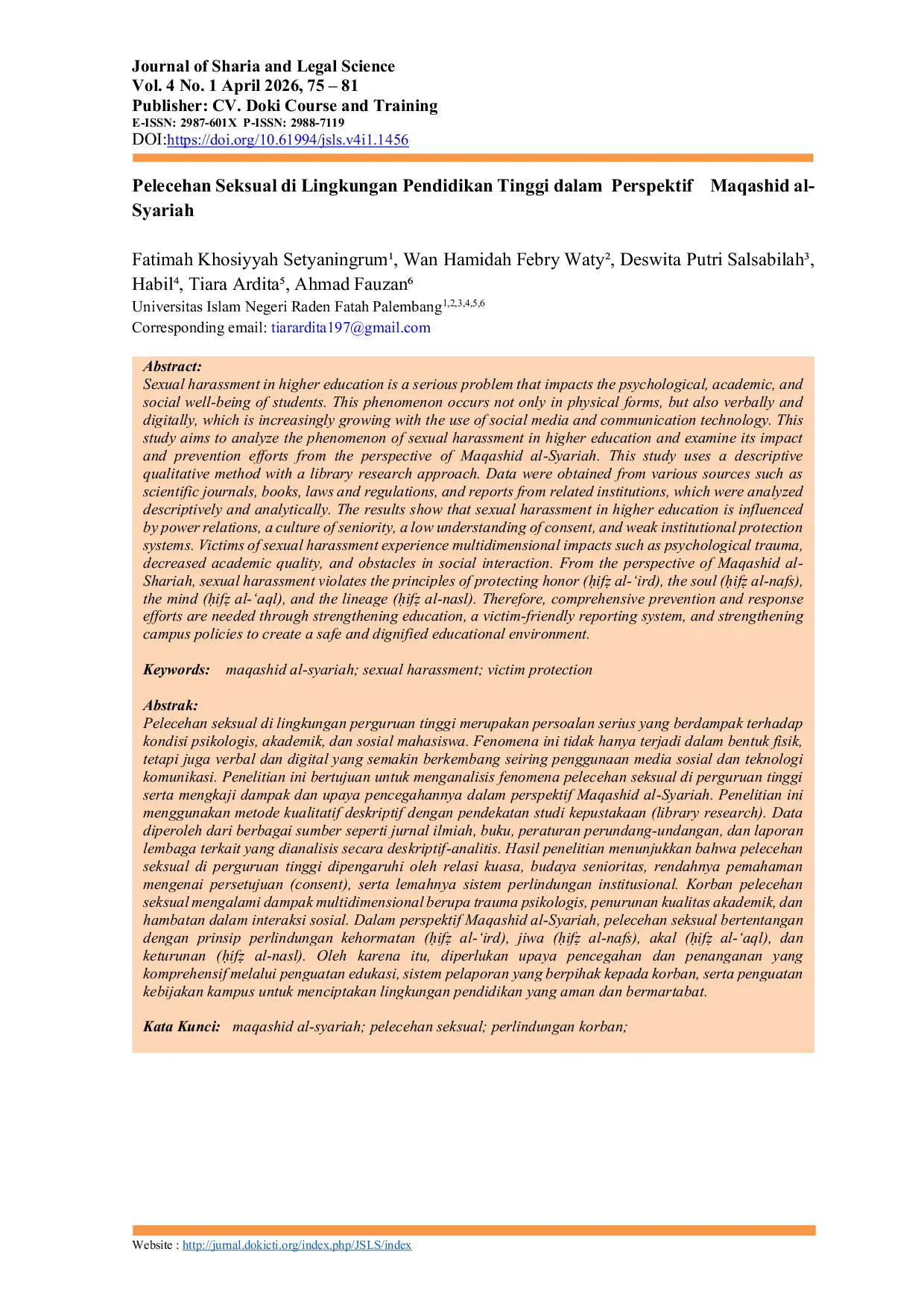
DOKICTIDOKICTI Penelitian ini juga menemukan bahwa pelecehan seksual memberikan dampak multidimensional terhadap korban, meliputi gangguan psikologis, penurunan kualitasPenelitian ini juga menemukan bahwa pelecehan seksual memberikan dampak multidimensional terhadap korban, meliputi gangguan psikologis, penurunan kualitas
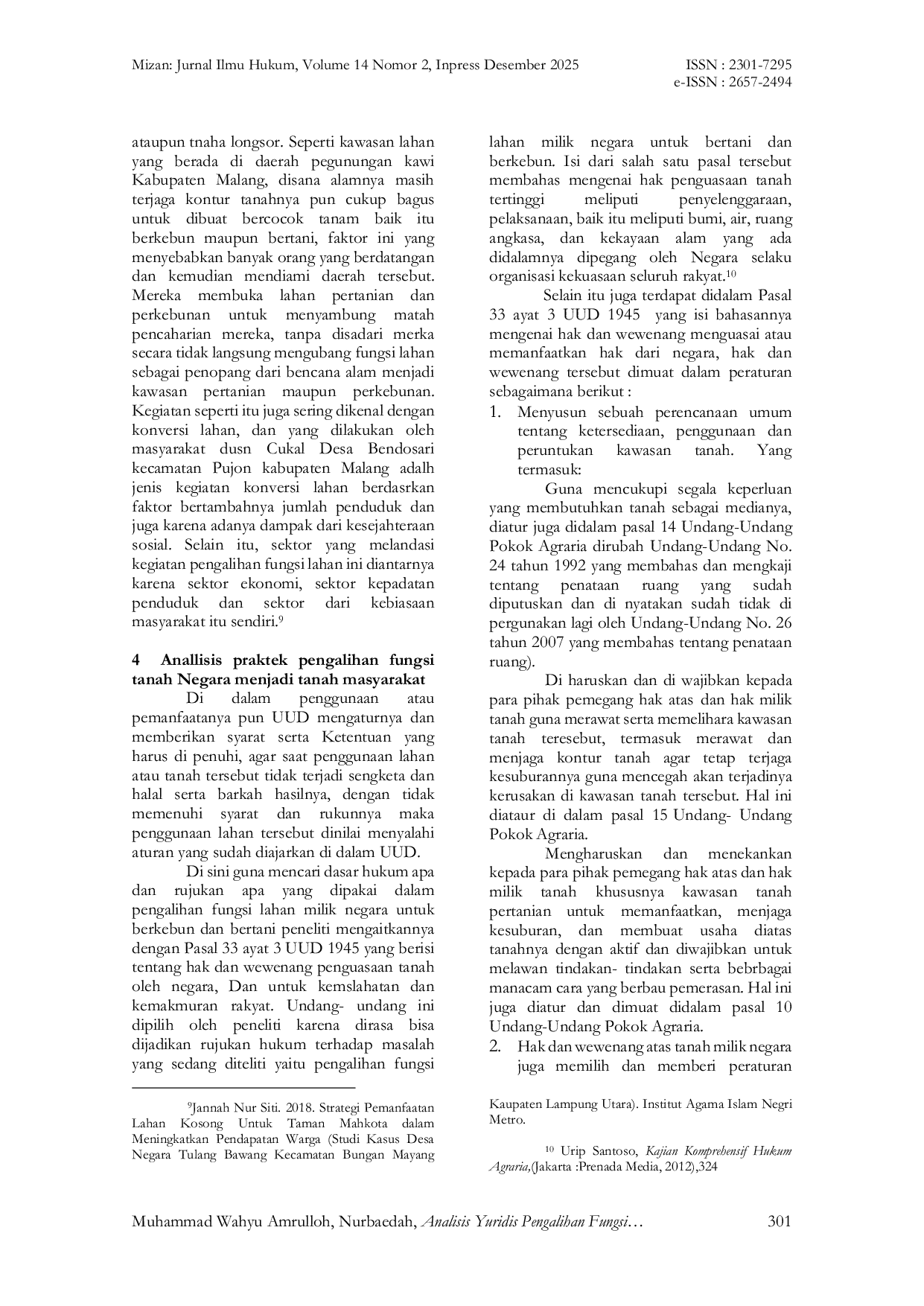
UNISKAUNISKA Penelitian ini menganalisis bagaimana praktik masyarakat dalam mengalihkan fungsi tanah milik negara menjadi tanah pribadisoc di kawasan hutan KecamatanPenelitian ini menganalisis bagaimana praktik masyarakat dalam mengalihkan fungsi tanah milik negara menjadi tanah pribadisoc di kawasan hutan Kecamatan
SCADINDEPENDENTSCADINDEPENDENT Penelitian ini bertujuan menganalisis integrasi teknologi dalam pendidikan Islam, mengeksplorasi strategi pendidik dalam meningkatkan keterlibatan danPenelitian ini bertujuan menganalisis integrasi teknologi dalam pendidikan Islam, mengeksplorasi strategi pendidik dalam meningkatkan keterlibatan dan

MANDALANURSAMANDALANURSA Penelitian ini menemukan bahwa perencanaan, pelaksanaan, dan evaluasi pembelajaran yang sistematis mendorong peningkatan disiplin siswa. Interaksi langsungPenelitian ini menemukan bahwa perencanaan, pelaksanaan, dan evaluasi pembelajaran yang sistematis mendorong peningkatan disiplin siswa. Interaksi langsung

WESTSCIENCE PRESSWESTSCIENCE PRESS Pancasila sebagai dasar filosofis dan etis negara memiliki peran fundamental dalam menjaga harmoni sosial dan memperkuat persatuan bangsa Indonesia diPancasila sebagai dasar filosofis dan etis negara memiliki peran fundamental dalam menjaga harmoni sosial dan memperkuat persatuan bangsa Indonesia di

UINUIN Studi ini menemukan bahwa terjadi konflik hukum antar hukum adat dalam sistem kekerabatan matrilineal, patrilineal, dan parental, khususnya dalam pembagianStudi ini menemukan bahwa terjadi konflik hukum antar hukum adat dalam sistem kekerabatan matrilineal, patrilineal, dan parental, khususnya dalam pembagian

AKABAAKABA Dampak putusan tersebut mencakup kepastian hukum bahwa pemanfaatan narkotika golongan I untuk pelayanan kesehatan tetap dilarang, tertutupnya upaya pengujianDampak putusan tersebut mencakup kepastian hukum bahwa pemanfaatan narkotika golongan I untuk pelayanan kesehatan tetap dilarang, tertutupnya upaya pengujian

ALJAMIAHALJAMIAH Ketidaktahuan ini disebabkan oleh minimnya interaksi antara. Kesimpulannya, toleransi antar kelompok agama, etnis, dan linguistik di Madura dapat dipahamiKetidaktahuan ini disebabkan oleh minimnya interaksi antara. Kesimpulannya, toleransi antar kelompok agama, etnis, dan linguistik di Madura dapat dipahami
Useful /
SCADINDEPENDENTSCADINDEPENDENT The findings highlight that dryland farming areas in Indonesia are particularly vulnerable, with land degradation being aggravated by urbanization, economicThe findings highlight that dryland farming areas in Indonesia are particularly vulnerable, with land degradation being aggravated by urbanization, economic
UNISKAUNISKA Persepsi masyarakat Mojoroto terhadap ketentuan hukum mengenai pernikahan wanita hamil karena zina dipengaruhi oleh pranata sosial dan tokoh masyarakat.Persepsi masyarakat Mojoroto terhadap ketentuan hukum mengenai pernikahan wanita hamil karena zina dipengaruhi oleh pranata sosial dan tokoh masyarakat.
UNISKAUNISKA BL Dalam Pembagian Harta Bersama Di Kelurahan Kademangan Kecamatan Kademangan Kabupaten Blitar tidak efektif, hal tersebut dibuktikan dengan tidak terlaksanakannyaBL Dalam Pembagian Harta Bersama Di Kelurahan Kademangan Kecamatan Kademangan Kabupaten Blitar tidak efektif, hal tersebut dibuktikan dengan tidak terlaksanakannya

UNISKAUNISKA Fokus kajian ini yaitu bagaimana penyelesaian sengketa tanah waris yang tidak memiliki akses jalan dalam rangka PTSL melalui mediasai di Desa Petok Kec.Fokus kajian ini yaitu bagaimana penyelesaian sengketa tanah waris yang tidak memiliki akses jalan dalam rangka PTSL melalui mediasai di Desa Petok Kec.