RESEARCHSYNERGYPRESSRESEARCHSYNERGYPRESS
People and Behavior AnalysisPeople and Behavior AnalysisStudents in schools and colleges face challenges, including rigorous academic schedules and deadlines, contributing to stress and mental health risks. This paper reviews studies published between 2019 and 2023 exploring the impact of artificial intelligence chatbots on psychological disorders and mental health symptoms such as anxiety, depression, fear, and worry among undergraduate students. The study follows the PRISMA guidelines, screening 115 articles and including 13 for intensive review. Results indicate anxiety and depression are the main psychological disorders influenced by chatbots. The review also highlights the implementation of chatbots for learning and advising. The study is limited by database constraints and keyword search limitations, suggesting future research include broader databases and deeper technical analysis.
This systematic review reveals that anxiety and depression are the primary psychological disorders that can be influenced by conversational agents and chatbots in educational settings.The study highlights the increasing implementation of chatbots in universities and schools for both learning and advising purposes.While the findings suggest a positive role for chatbots, further research is needed to address limitations in database scope and search methodology to provide a more comprehensive understanding of their impact.
Future research should investigate the long-term effects of chatbot interactions on student mental health, moving beyond short-term symptom reduction to assess sustained well-being. Additionally, studies could explore the personalization of chatbot responses based on individual student needs and learning styles, potentially enhancing their effectiveness in addressing specific mental health challenges. Finally, research is needed to examine the ethical implications of using AI chatbots for mental health support, including data privacy, algorithmic bias, and the potential for over-reliance on technology, ensuring responsible and equitable implementation within educational institutions. These investigations should consider diverse student populations and contexts to ensure the generalizability of findings and promote the development of effective and ethical chatbot interventions.
- Advising chatbot for high school in smart cities | IEEE Conference Publication | IEEE Xplore. advising... ieeexplore.ieee.org/document/10193065Advising chatbot for high school in smart cities IEEE Conference Publication IEEE Xplore advising ieeexplore ieee document 10193065
- Social Anxiety, Behavior, and Competence of the Students Amidst COVID-19 | People and Behavior Analysis.... journals.researchsynergypress.com/index.php/pba/article/view/1426Social Anxiety Behavior and Competence of the Students Amidst COVID 19 People and Behavior Analysis journals researchsynergypress index php pba article view 1426
- ChatGPT applications in medical, dental, pharmacy, and public health education: A descriptive study highlighting... doi.org/10.52225/narra.v3i1.103ChatGPT applications in medical dental pharmacy and public health education A descriptive study highlighting doi 10 52225 narra v3i1 103
| File size | 378.65 KB |
| Pages | 13 |
| DMCA | Report |
Related /

UNIMMANUNIMMAN Meskipun mayoritas penilaian berada pada kategori baik, sebagian responden masih memberikan penilaian cukup baik pada aspek komunikasi emosional, penyampaianMeskipun mayoritas penilaian berada pada kategori baik, sebagian responden masih memberikan penilaian cukup baik pada aspek komunikasi emosional, penyampaian

UMSUMS Sebuah studi kasus kualitatif berganda dilakukan dengan lima mahasiswa calon guru, tiga dari Matematika dan dua dari Ilmu Pengetahuan Alam dan Teknologi,Sebuah studi kasus kualitatif berganda dilakukan dengan lima mahasiswa calon guru, tiga dari Matematika dan dua dari Ilmu Pengetahuan Alam dan Teknologi,
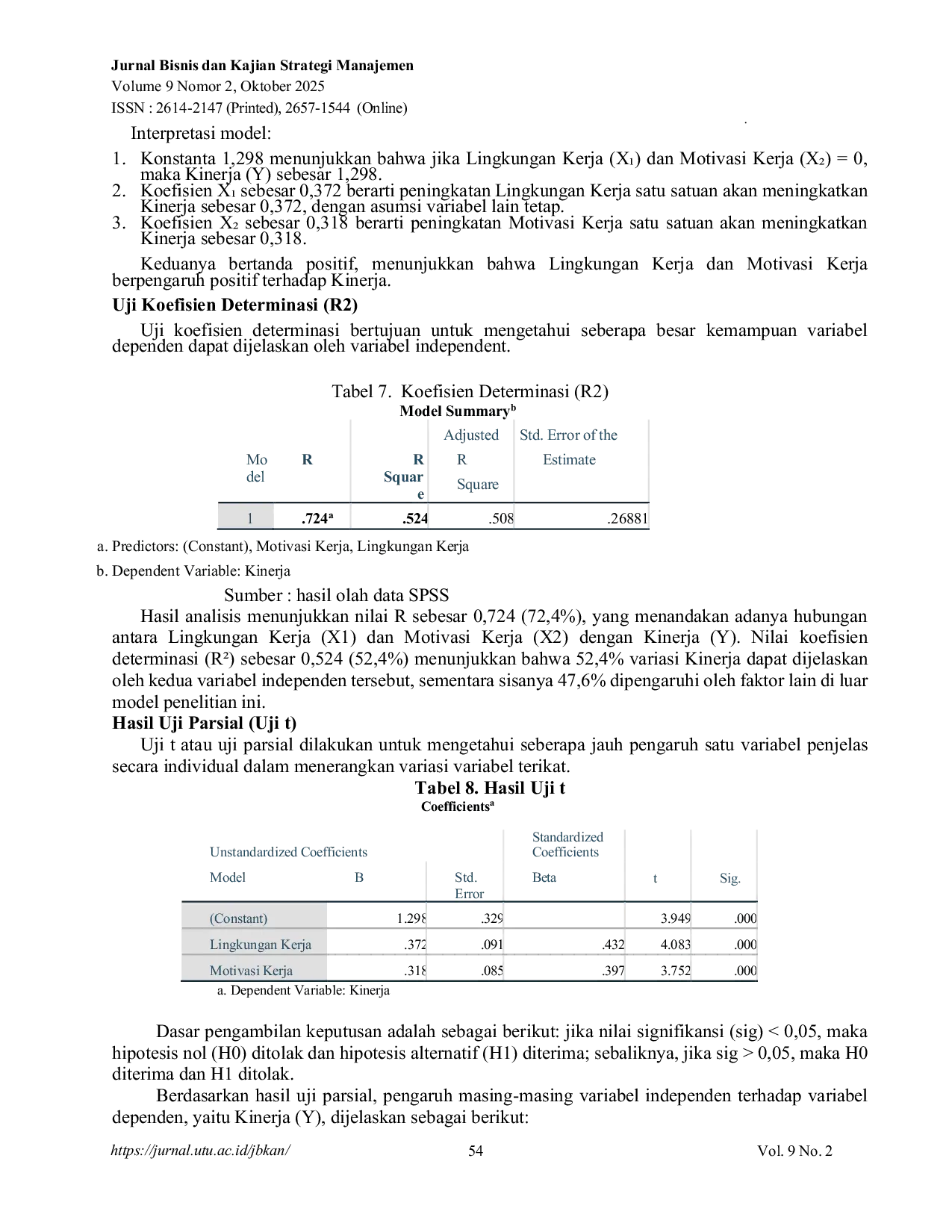
4141 Validitas diuji dengan korelasi Pearson, reliabilitas dengan Cronbachs alpha, dan analisis data dilakukan menggunakan regresi linier berganda melalui SPSS.Validitas diuji dengan korelasi Pearson, reliabilitas dengan Cronbachs alpha, dan analisis data dilakukan menggunakan regresi linier berganda melalui SPSS.

STIATA BALONGSTIATA BALONG Besarnya pengaruh Kepuasan Kerja terhadap Turnover Intention karyawan Koperasi PT Air Minum Tabalong Bersinar (Perseroda) yaitu sebesar 0,048 atau (4,8%),Besarnya pengaruh Kepuasan Kerja terhadap Turnover Intention karyawan Koperasi PT Air Minum Tabalong Bersinar (Perseroda) yaitu sebesar 0,048 atau (4,8%),
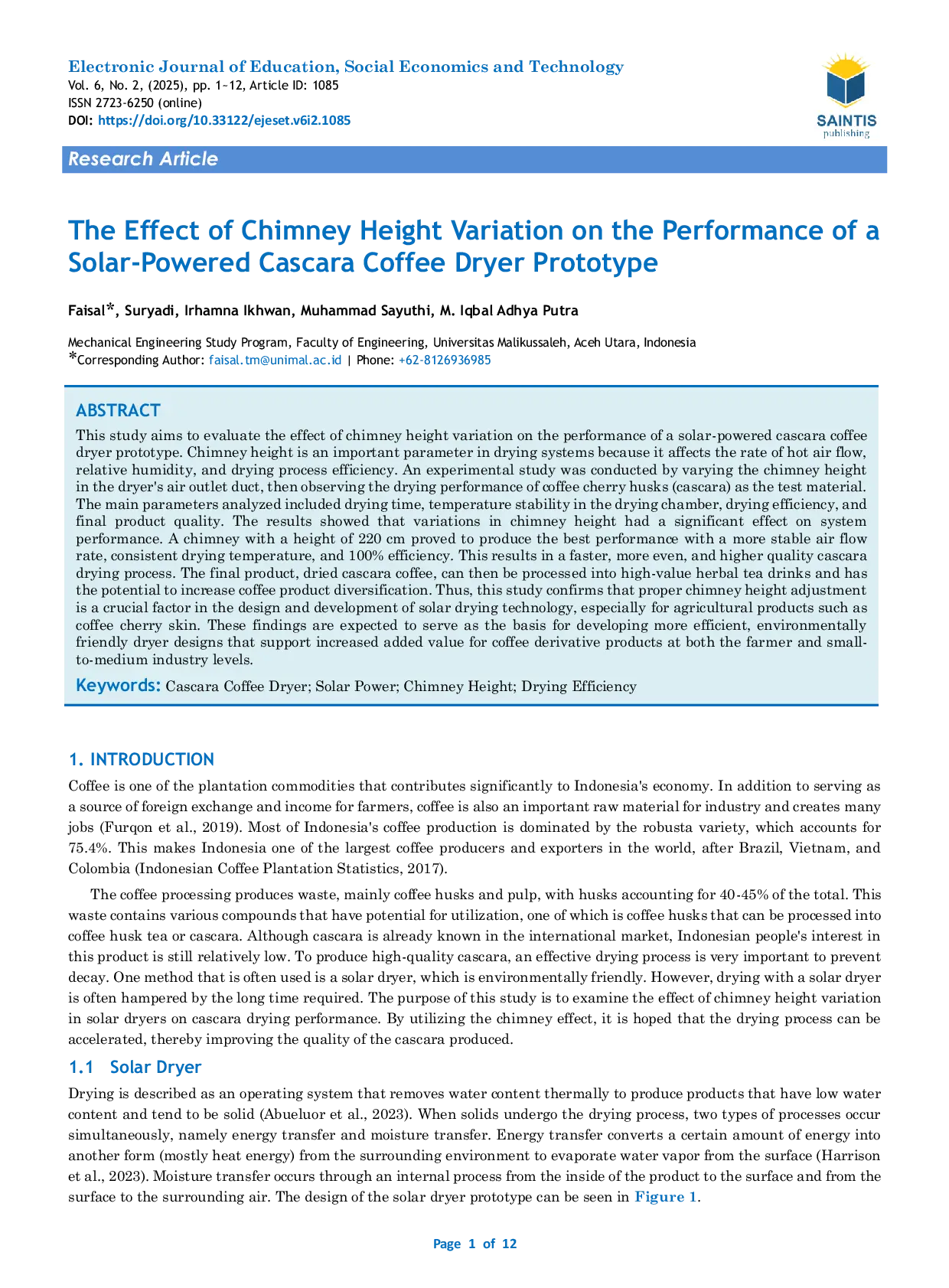
SAINTISPUBSAINTISPUB Produk akhir, cascara kopi kering, kemudian dapat diolah menjadi minuman teh herbal bernilai tinggi dan memiliki potensi untuk meningkatkan diversifikasiProduk akhir, cascara kopi kering, kemudian dapat diolah menjadi minuman teh herbal bernilai tinggi dan memiliki potensi untuk meningkatkan diversifikasi
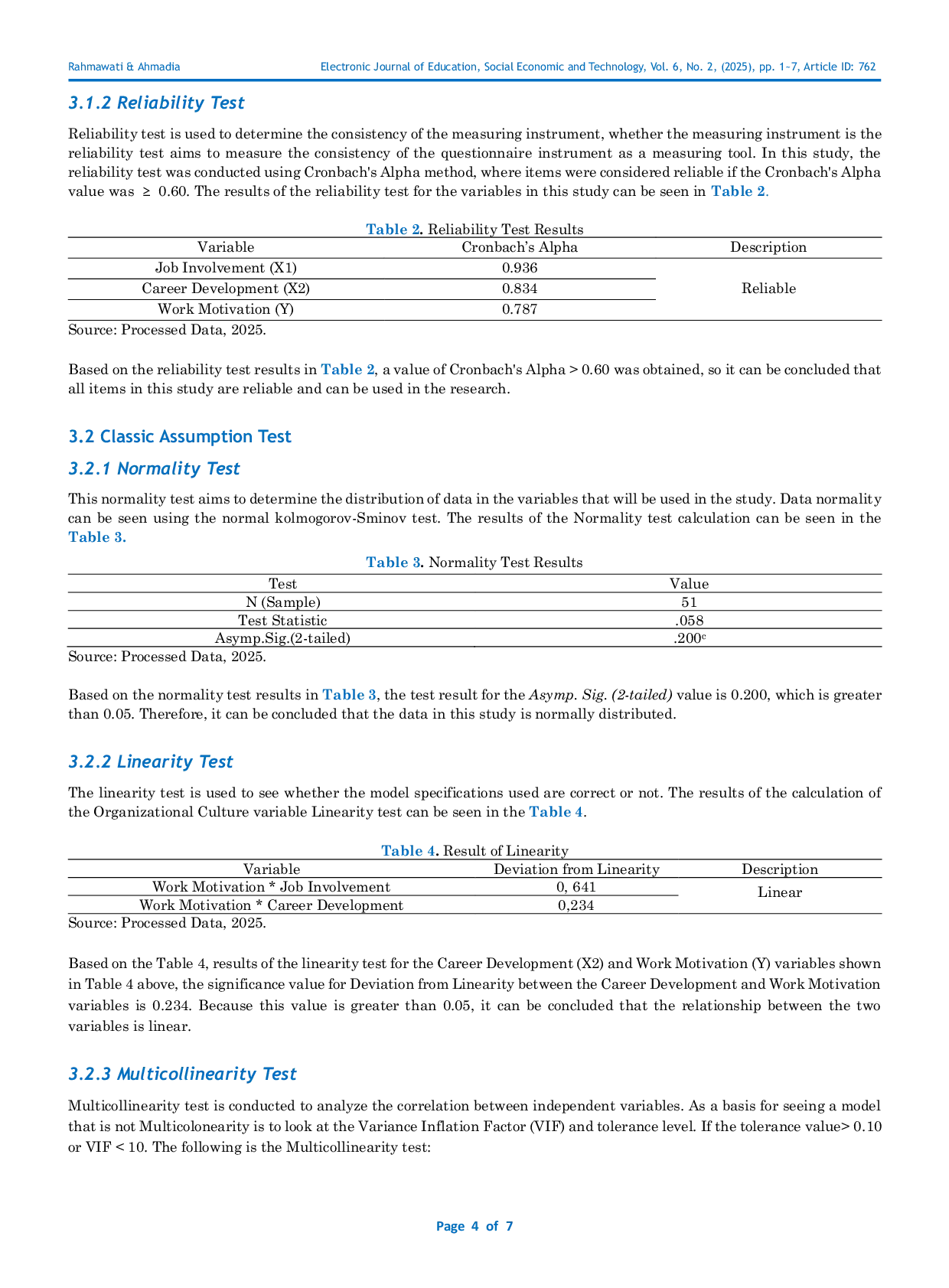
SAINTISPUBSAINTISPUB Using an associative research approach, primary data was collected through interviews and questionnaires distributed to 51 civil servants working in thisUsing an associative research approach, primary data was collected through interviews and questionnaires distributed to 51 civil servants working in this
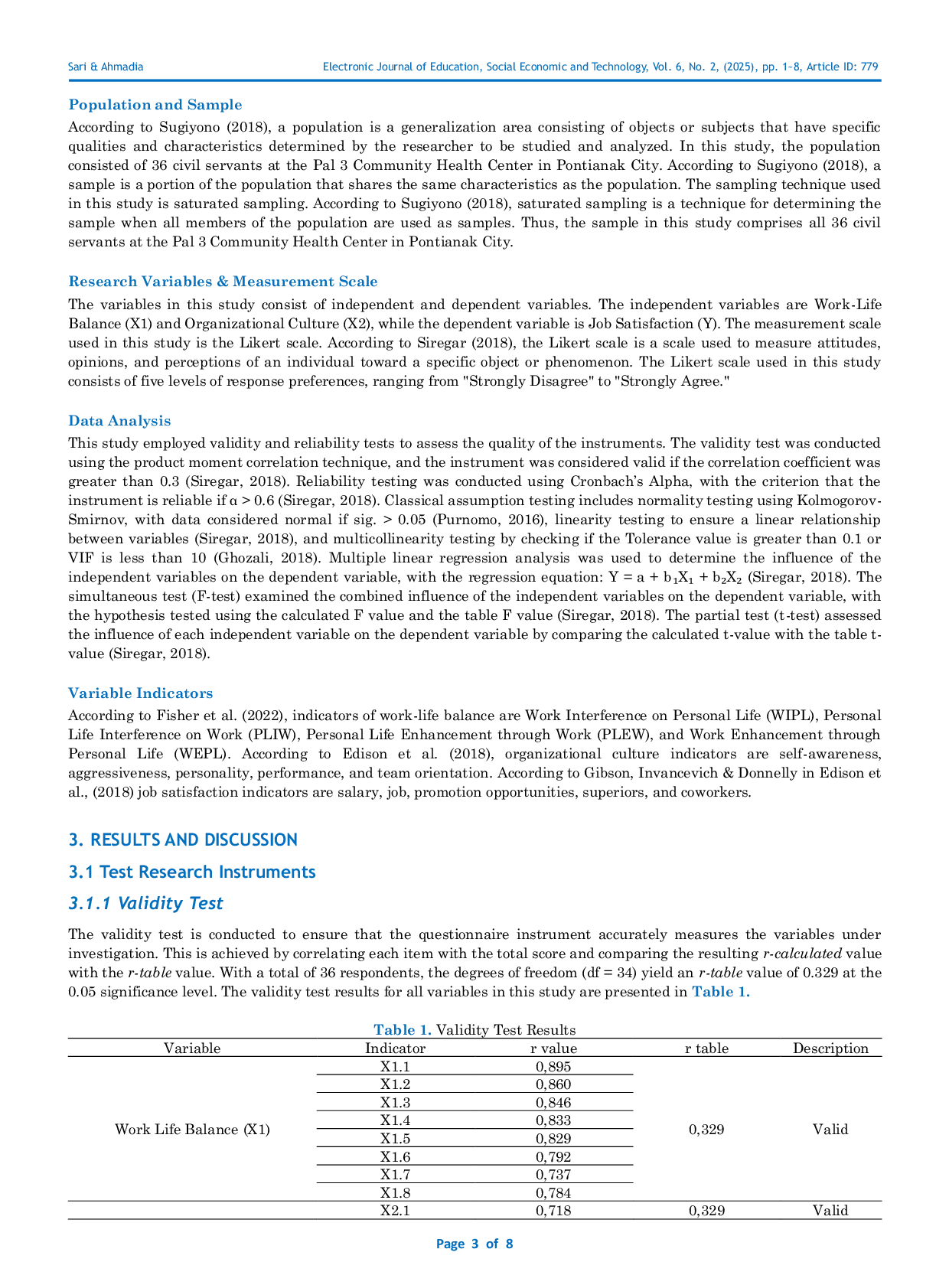
SAINTISPUBSAINTISPUB Kedua variabel ini menjelaskan 47,2% variasi Job Satisfaction, sedangkan sisanya dipengaruhi oleh faktor lain di luar lingkup penelitian ini. Temuan iniKedua variabel ini menjelaskan 47,2% variasi Job Satisfaction, sedangkan sisanya dipengaruhi oleh faktor lain di luar lingkup penelitian ini. Temuan ini
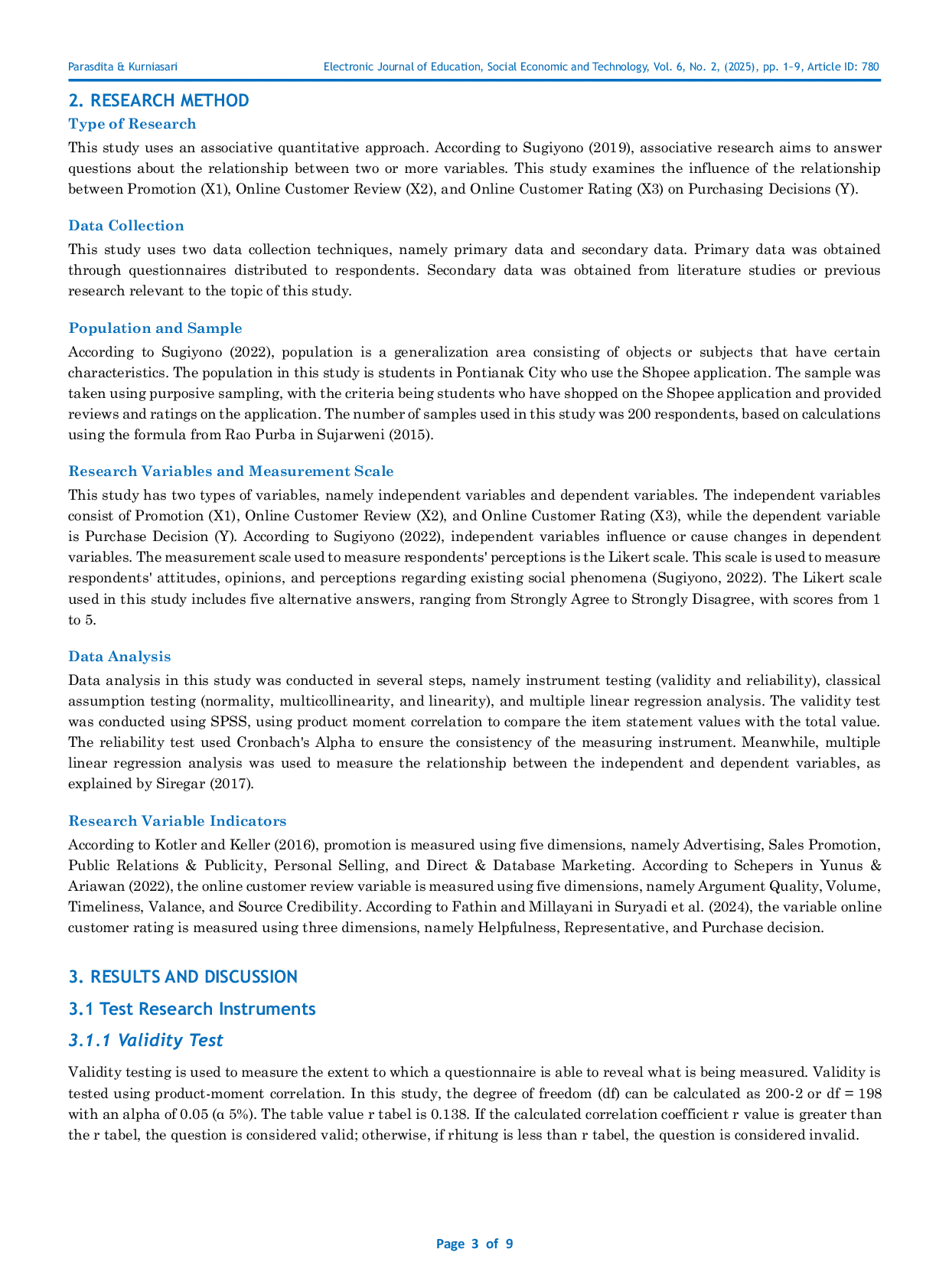
SAINTISPUBSAINTISPUB Hasil penelitian menunjukkan bahwa analisis regresi linier berganda menunjukkan bahwa promosi, ulasan pelanggan online, dan penilaian pelanggan onlineHasil penelitian menunjukkan bahwa analisis regresi linier berganda menunjukkan bahwa promosi, ulasan pelanggan online, dan penilaian pelanggan online
Useful /

ARIPAFIARIPAFI Kondisi ini menunjukkan adanya kesenjangan antara kebijakan penanganan konflik dan kebutuhan nyata masyarakat adat akan keadilan, perdamaian, dan pemulihanKondisi ini menunjukkan adanya kesenjangan antara kebijakan penanganan konflik dan kebutuhan nyata masyarakat adat akan keadilan, perdamaian, dan pemulihan
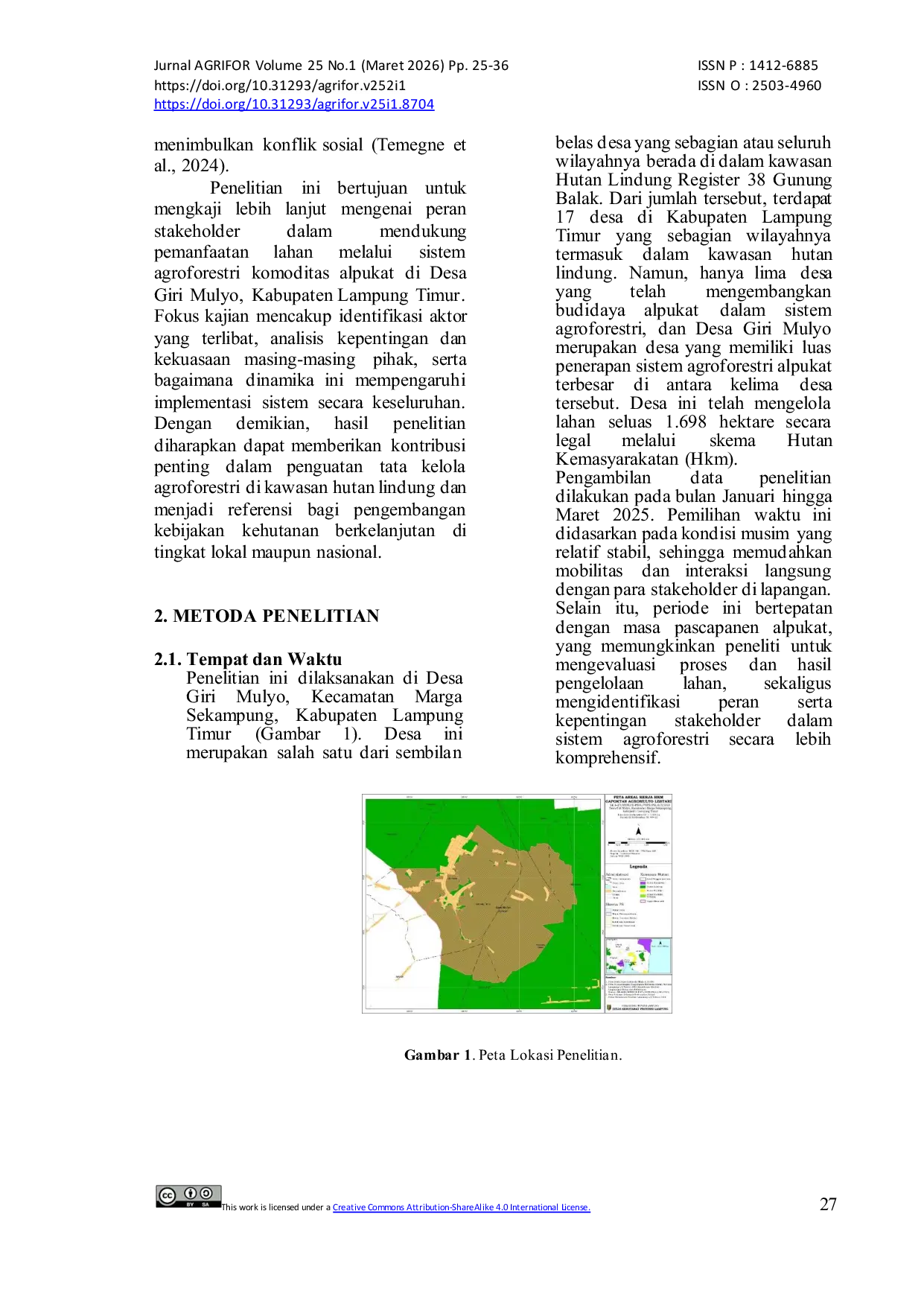
UNTAG SMDUNTAG SMD Penelitian ini menunjukkan bahwa sistem agroforestri komoditas alpukat di Desa Giri Mulyo melibatkan berbagai stakeholder dengan peran, kepentingan, danPenelitian ini menunjukkan bahwa sistem agroforestri komoditas alpukat di Desa Giri Mulyo melibatkan berbagai stakeholder dengan peran, kepentingan, dan
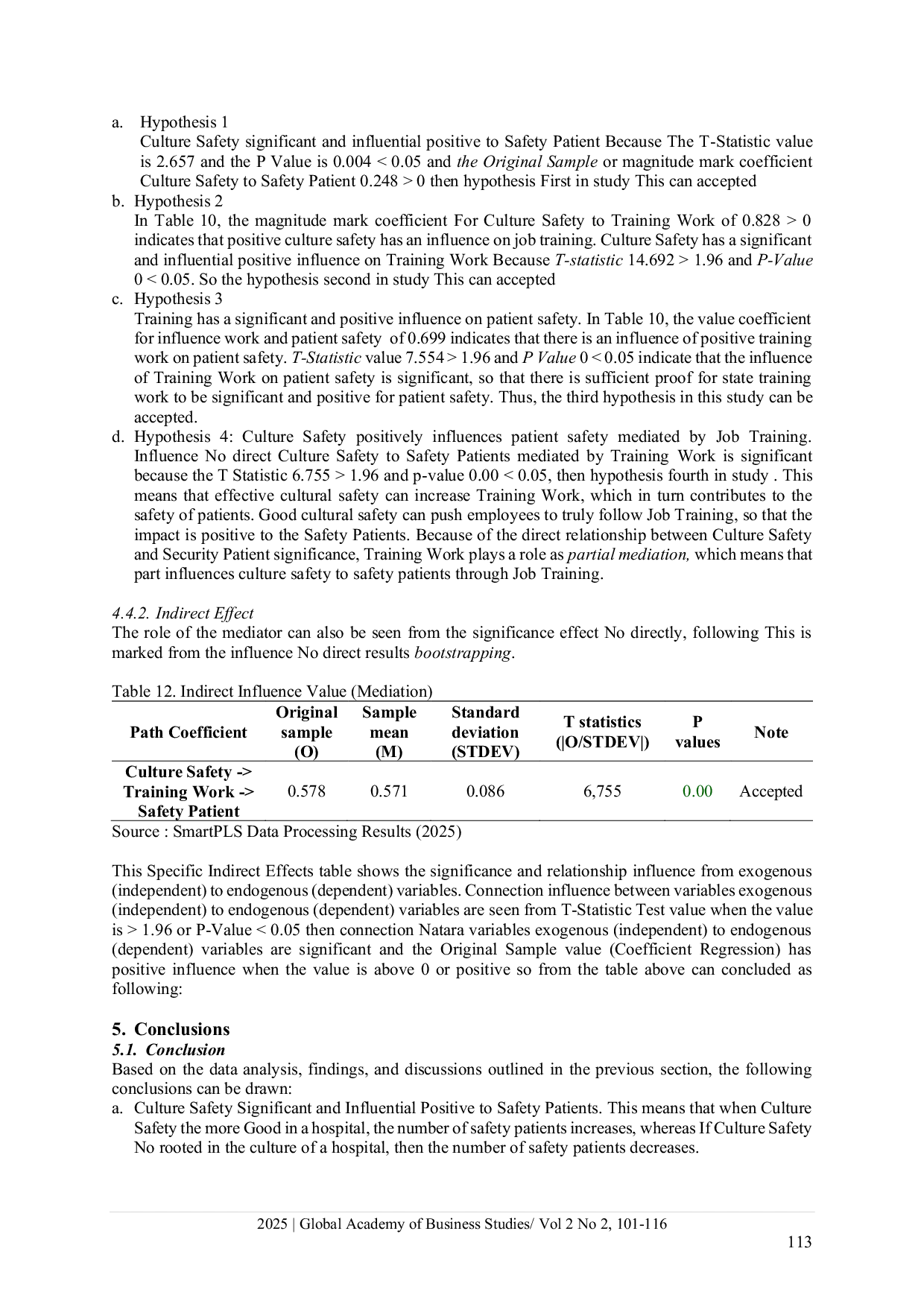
GOODWOODPUBGOODWOODPUB Data were collected using structured questionnaires and analyzed through the Structural Equation Model (SEM) using Smart PLS to examine both direct andData were collected using structured questionnaires and analyzed through the Structural Equation Model (SEM) using Smart PLS to examine both direct and

GOODWOODPUBGOODWOODPUB Hasil analisis mengungkapkan beberapa faktor tantangan dalam transformasi digital manajemen pengaduan pelayanan publik melalui Ombudsman Republik Indonesia.Hasil analisis mengungkapkan beberapa faktor tantangan dalam transformasi digital manajemen pengaduan pelayanan publik melalui Ombudsman Republik Indonesia.