USUUSU
LingPoet: Journal of Linguistics and Literary ResearchLingPoet: Journal of Linguistics and Literary ResearchPenelitian ini mengeksplorasi persepsi mahasiswa non-jurusan Bahasa Inggris terhadap penggunaan video YouTube sebagai sumber tambahan dalam pembelajaran keterampilan berbicara dan percakapan Bahasa Inggris. Penelitian ini menggunakan metode deskriptif kualitatif. Hasil analisis menunjukkan bahwa mahasiswa non-jurusan Bahasa Inggris umumnya menganggap YouTube sebagai alat yang menarik dan efektif untuk belajar Bahasa Inggris. Mereka menghargai fleksibilitas, kemudahan akses, serta pengalaman belajar yang realistis yang ditawarkan. YouTube sangat dihargai dalam membantu pemahaman topik-topik Bahasa Inggris dan percakapan, memberikan wawasan budaya, serta mendukung pelafalan dan intonasi. YouTube dipandang sebagai sumber belajar yang personal dan menyenangkan. YouTube dianggap efektif dalam memperkaya kosakata. Mahasiswa percaya bahwa platform ini membantu mereka mempelajari kata-kata baru, memahami penggunaan kata dalam konteks sosial, dan menerapkannya dalam percakapan nyata. Penjelasan yang jelas serta pengulangan frasa yang sering meningkatkan daya ingat dan rasa percaya diri. Dalam keterampilan berbicara, YouTube memberikan dampak yang signifikan. Platform ini meningkatkan pelafalan, membangun kepercayaan diri, dan membantu mahasiswa merasa lebih nyaman berbicara Bahasa Inggris, terutama dalam situasi santai. Mahasiswa juga mendapat manfaat dari paparan berbagai aksen dan contoh percakapan yang membantu meningkatkan kefasihan. Namun, mahasiswa menghadapi beberapa tantangan dalam menggunakan YouTube untuk belajar, seperti kesulitan memahami aksen atau kecepatan bicara, kualitas video/audio yang buruk, serta kesulitan mempertahankan fokus. Tantangan lainnya termasuk kesulitan memilih video yang tepat dan kurangnya penjelasan kosakata atau latihan berbicara yang interaktif. Mahasiswa menyarankan beberapa perbaikan, seperti penambahan subtitle, lebih banyak video tentang percakapan formal dan profesional, serta panduan dalam memilih video. Mereka juga merekomendasikan adanya kuis interaktif, visual, dan contoh percakapan yang lebih disesuaikan dengan kebutuhan belajar. Selain itu, mereka menyarankan agar video juga fokus pada koreksi kesalahan pelafalan dan menampilkan lebih banyak aksen yang beragam. Terakhir, mahasiswa mengusulkan adanya sesi latihan berbicara terarah untuk meningkatkan pembelajaran.
This study explores non-English speaking students perceptions of using YouTube as a supplementary resource for learning English speaking and conversation.Students perceive YouTube as an effective and enjoyable tool for learning English, appreciating its engaging nature and flexibility.They find that it enhances their understanding of English topics, provides realistic learning experiences, and supports personalized learning based on their interests.YouTube is particularly valued for its ability to offer content that can be accessed at any time, allowing students to learn at their own pace.YouTube is also seen as an effective tool for learning vocabulary and phrases.Students believe it helps them acquire new vocabulary, understand its usage in social contexts, and apply it in real-life conversations.The platform is praised for aiding retention, building confidence in using new words, and providing vocabulary related to specific topics.Additionally, it is highly regarded for its ability to support practical language use.The impact of YouTube on students speaking skills is significant, especially in casual and informal settings.Many students report improvements in pronunciation, boosted confidence, and increased comfort in speaking English.YouTube provides valuable conversation examples, exposes students to different accents, and improves pronunciation and intonation, motivating them to speak more and practice independently.However, students face challenges while learning through YouTube, such as difficulty understanding fast speech or different accents, poor video quality, and trouble finding appropriate content that matches their skill level.There is a perceived lack of structured content and direct speaking practice, as well as technical difficulties like unstable internet connections and distractions caused by poor sound or visual quality.These challenges highlight the need for better video selection, interactive features, and more reliable internet access.To improve the learning experience, students suggest adding subtitles or transcripts, offering more videos on formal conversations, and creating structured guides for selecting content.They recommend including interactive exercises, visuals to clarify vocabulary, and more diverse content.Additionally, students feel that exposing them to various English accents and providing guided speaking practice sessions would enhance their learning experience.Overall, YouTube is recognized as a valuable supplementary tool for learning English, though students identify several areas for improvement to make it a more effective resource for enhancing their speaking and conversational skills.
Based on the findings, several suggestions can be implemented to enhance YouTubes effectiveness as a supplementary resource for improving English speaking and conversation skills. Firstly, providing subtitles or transcripts in videos can greatly assist students in understanding conversations and learning vocabulary, especially for those struggling with accents or fast speech. Secondly, YouTube should offer a structured guide to help students select videos suitable for their language proficiency level, ensuring effective learning tailored to their needs and progress. Additionally, increasing content focused on formal and professional conversations, alongside everyday interactions, will better prepare students for academic or work contexts. Incorporating interactive features like quizzes or exercises after videos can actively engage students and assess their language understanding. The use of clear visuals and illustrations can enhance vocabulary comprehension. Exposing students to various English accents through videos is highly recommended to improve accent comprehension. Finally, structured speaking practice sessions that students can follow are essential for confident speaking practice. By implementing these suggestions, YouTube can become a more effective and flexible learning resource for non-English major students, enhancing their English speaking and conversation skills.
- USING DUBBING AND SUBTITLING METHODS THROUGH FILM IN MOTIVATING STUDENTS IN ENGLISH SPEAKING AND CONVERSATION... doi.org/10.17977/um006v7i22023p248-264USING DUBBING AND SUBTITLING METHODS THROUGH FILM IN MOTIVATING STUDENTS IN ENGLISH SPEAKING AND CONVERSATION doi 10 17977 um006v7i22023p248 264
- Using Efl Youtube Videos as Supplementary Resource for Teaching Vocabulary | Proceedings of the 5th International... dl.acm.org/doi/10.1145/3411681.3411682Using Efl Youtube Videos as Supplementary Resource for Teaching Vocabulary Proceedings of the 5th International dl acm doi 10 1145 3411681 3411682
- adjes. resource students speaking skills ahmad dahlan journal english studies adjes authors resti farikhah... doi.org/10.26555/adjes.v10i1.302adjes resource students speaking skills ahmad dahlan journal english studies adjes authors resti farikhah doi 10 26555 adjes v10i1 302
- THE USE OF YOUTUBE AS THE SOURCE OF SUPPLEMENTARY MATERIAL IN LEARNING NEWS WRITING | Practitioner Research.... e-journal.uum.edu.my/index.php/pr/en/article/view/8194THE USE OF YOUTUBE AS THE SOURCE OF SUPPLEMENTARY MATERIAL IN LEARNING NEWS WRITING Practitioner Research e journal uum edu my index php pr en article view 8194
- YouTube Video Playlist as Mathematics Supplementary Learning Material for Blended Learning - European... doi.org/10.30935/ejimed/12490YouTube Video Playlist as Mathematics Supplementary Learning Material for Blended Learning European doi 10 30935 ejimed 12490
| File size | 408.52 KB |
| Pages | 14 |
| DMCA | Report |
Related /

ISTAZISTAZ Indonesia memiliki beragam sumber daya alam yang melimpah, terutama sumber daya mineral. Kegiatan penambangan yang semakin masif dapat menyebabkan kerusakanIndonesia memiliki beragam sumber daya alam yang melimpah, terutama sumber daya mineral. Kegiatan penambangan yang semakin masif dapat menyebabkan kerusakan
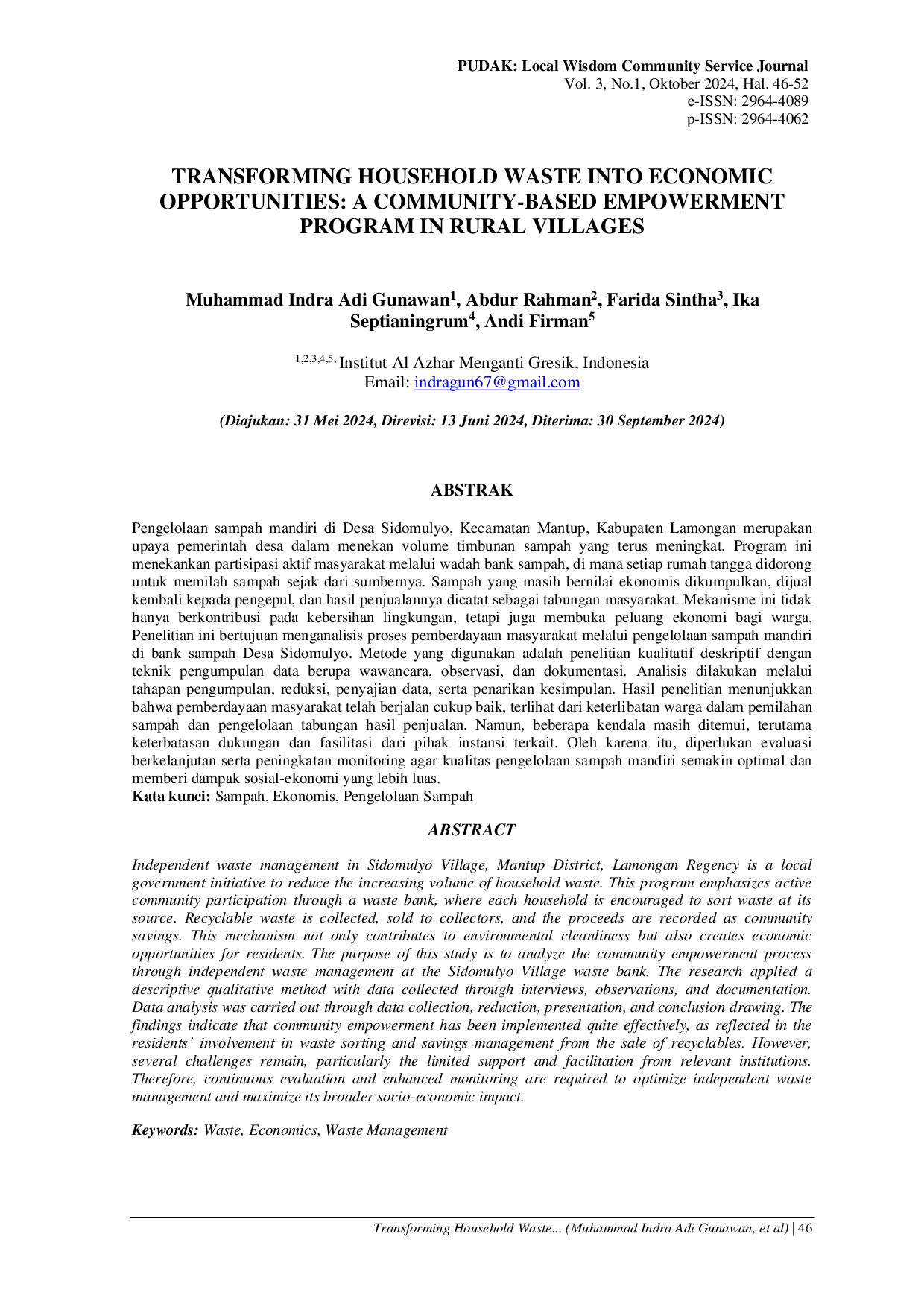
ISTAZISTAZ Sampah yang masih bernilai ekonomis dikumpulkan, dijual kembali kepada pengepul, dan hasil penjualannya dicatat sebagai tabungan masyarakat. MekanismeSampah yang masih bernilai ekonomis dikumpulkan, dijual kembali kepada pengepul, dan hasil penjualannya dicatat sebagai tabungan masyarakat. Mekanisme

STAITHAWALIBSTAITHAWALIB Hasil penelitian menunjukkan skor rata-rata 4,05, yang mengindikasikan keberhasilan penanaman nilai-nilai agama dan moral. Duduk saat makan (5,00) sangatHasil penelitian menunjukkan skor rata-rata 4,05, yang mengindikasikan keberhasilan penanaman nilai-nilai agama dan moral. Duduk saat makan (5,00) sangat

STAITHAWALIBSTAITHAWALIB Temuan ini menunjukkan bahwa anak-anak usia dini mulai menunjukkan keterampilan literasi digital dasar yang berkembang dengan baik, meskipun pengarahanTemuan ini menunjukkan bahwa anak-anak usia dini mulai menunjukkan keterampilan literasi digital dasar yang berkembang dengan baik, meskipun pengarahan

STAITHAWALIBSTAITHAWALIB Interkoneksi dari semua komponen BMC, seperti kemitraan dengan pemerintah desa dan pemimpin komunitas (kemitraan kunci) dan pendekatan personal dalam berinteraksiInterkoneksi dari semua komponen BMC, seperti kemitraan dengan pemerintah desa dan pemimpin komunitas (kemitraan kunci) dan pendekatan personal dalam berinteraksi

STAITHAWALIBSTAITHAWALIB Healthy gymnastics exercises, prayer movements, and ablution contribute to the development of balance, agility, physical strength, and coordination. ActivitiesHealthy gymnastics exercises, prayer movements, and ablution contribute to the development of balance, agility, physical strength, and coordination. Activities

STAITHAWALIBSTAITHAWALIB Several indicators, such as parental participation and interaction, were categorized as very high, although aspects of creativity and learning stimulationSeveral indicators, such as parental participation and interaction, were categorized as very high, although aspects of creativity and learning stimulation
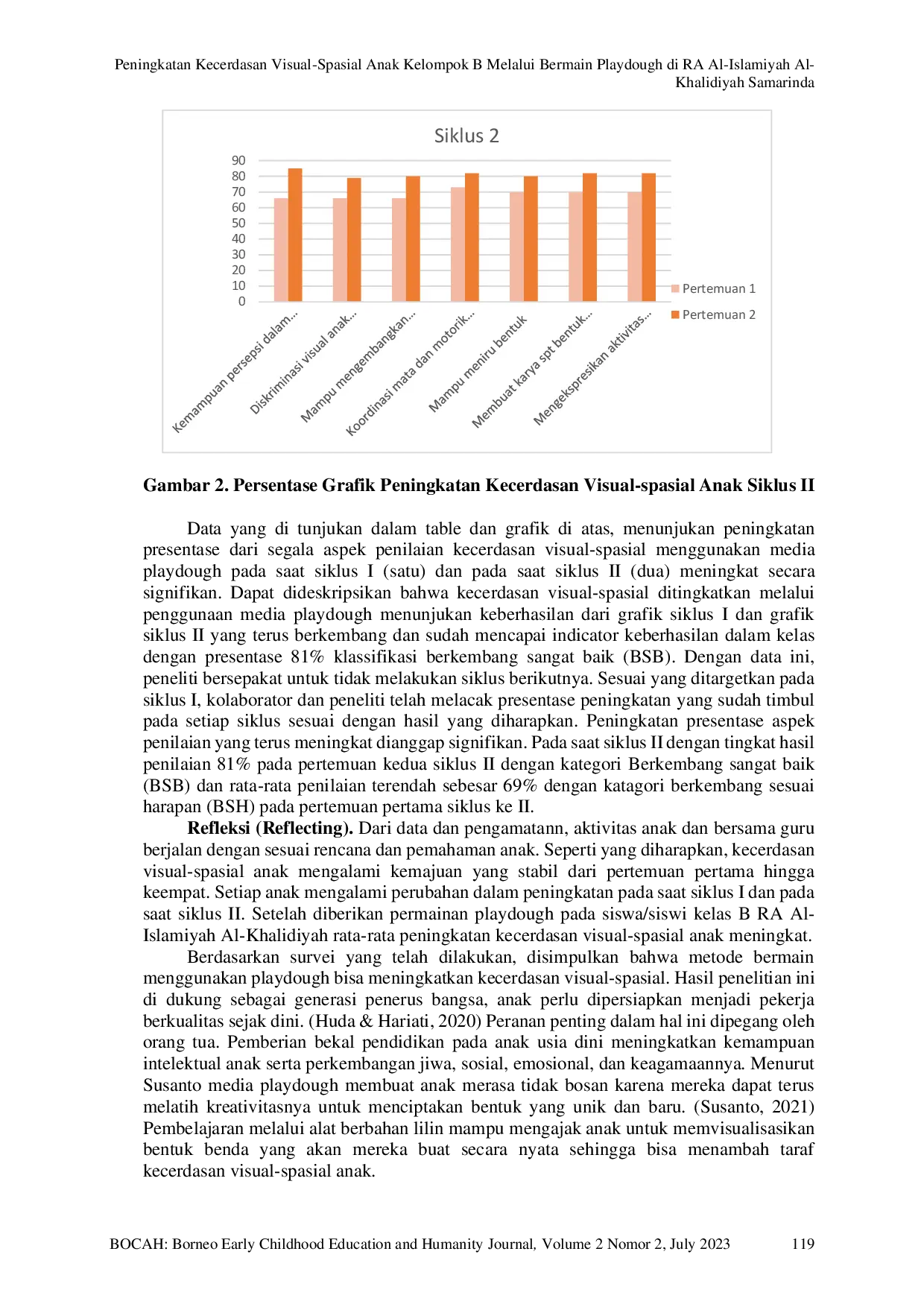
UINSIUINSI Penelitian menggunakan metode penelitian tindakan kelas (PTK) dengan teknik observasi, dokumentasi, dan wawancara pada 23 siswa (11 perempuan, 12 laki-laki)Penelitian menggunakan metode penelitian tindakan kelas (PTK) dengan teknik observasi, dokumentasi, dan wawancara pada 23 siswa (11 perempuan, 12 laki-laki)
Useful /
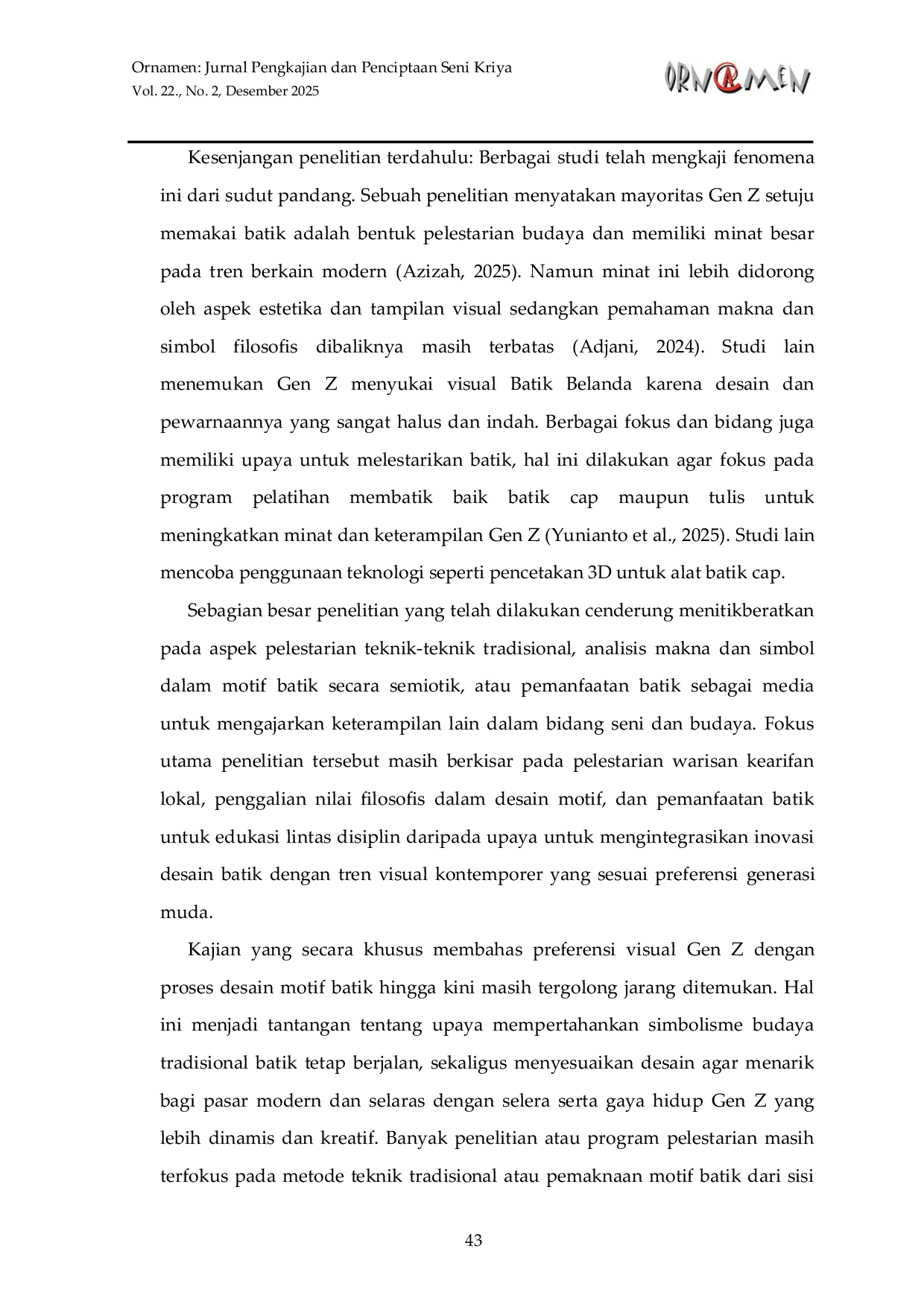
ISI SURAKARTAISI SURAKARTA Penelitian ini menunjukkan bahwa karya batik yang dihasilkan oleh remaja menampilkan perpaduan antara nilai budaya tradisional dengan ekspresi visual modernPenelitian ini menunjukkan bahwa karya batik yang dihasilkan oleh remaja menampilkan perpaduan antara nilai budaya tradisional dengan ekspresi visual modern
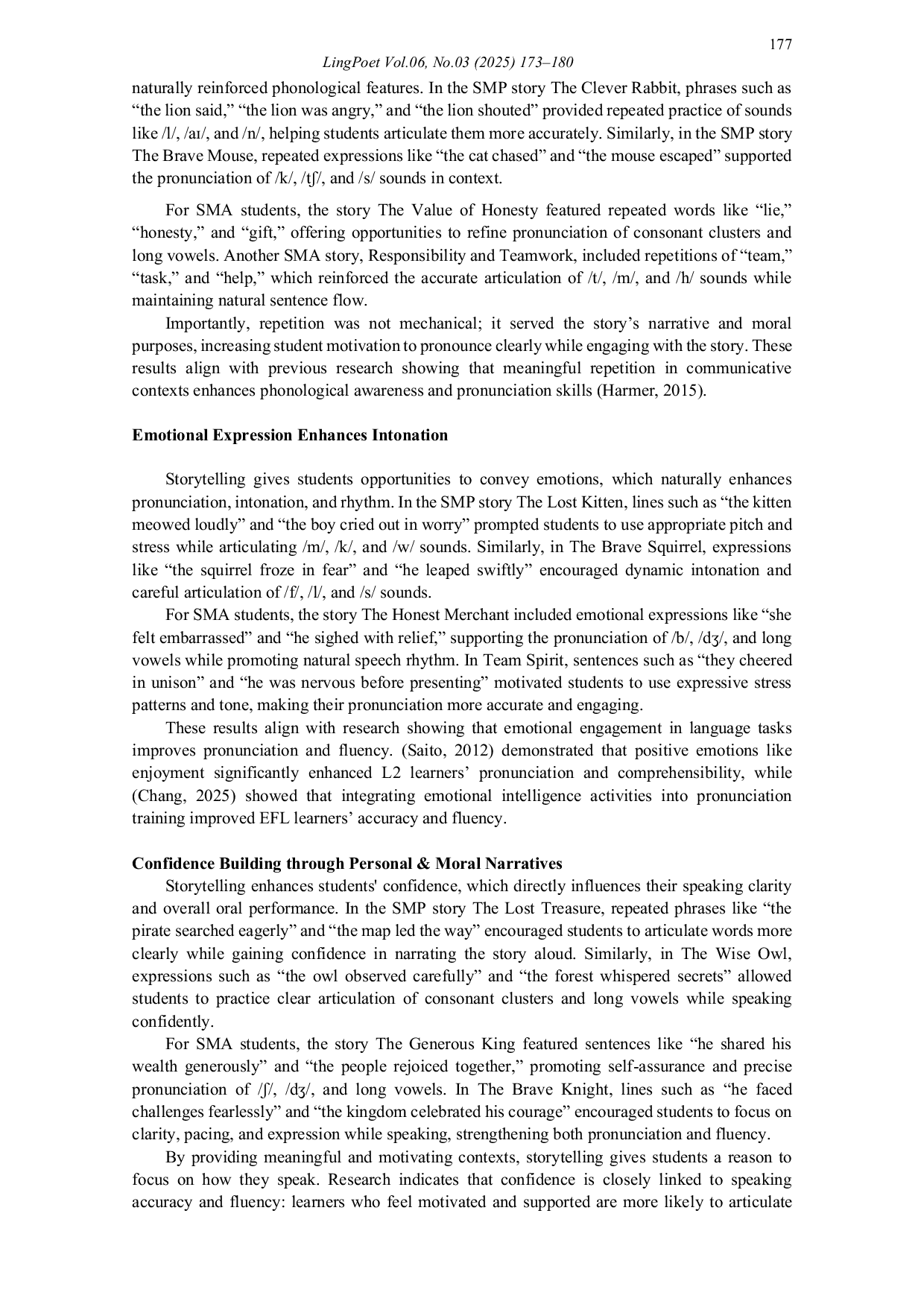
USUUSU Penerapan storytelling dalam pengajaran bahasa dapat meningkatkan kemahiran lisan, prosodi, dan efektivitas komunikatif siswa, sehingga membuat pembelajaranPenerapan storytelling dalam pengajaran bahasa dapat meningkatkan kemahiran lisan, prosodi, dan efektivitas komunikatif siswa, sehingga membuat pembelajaran
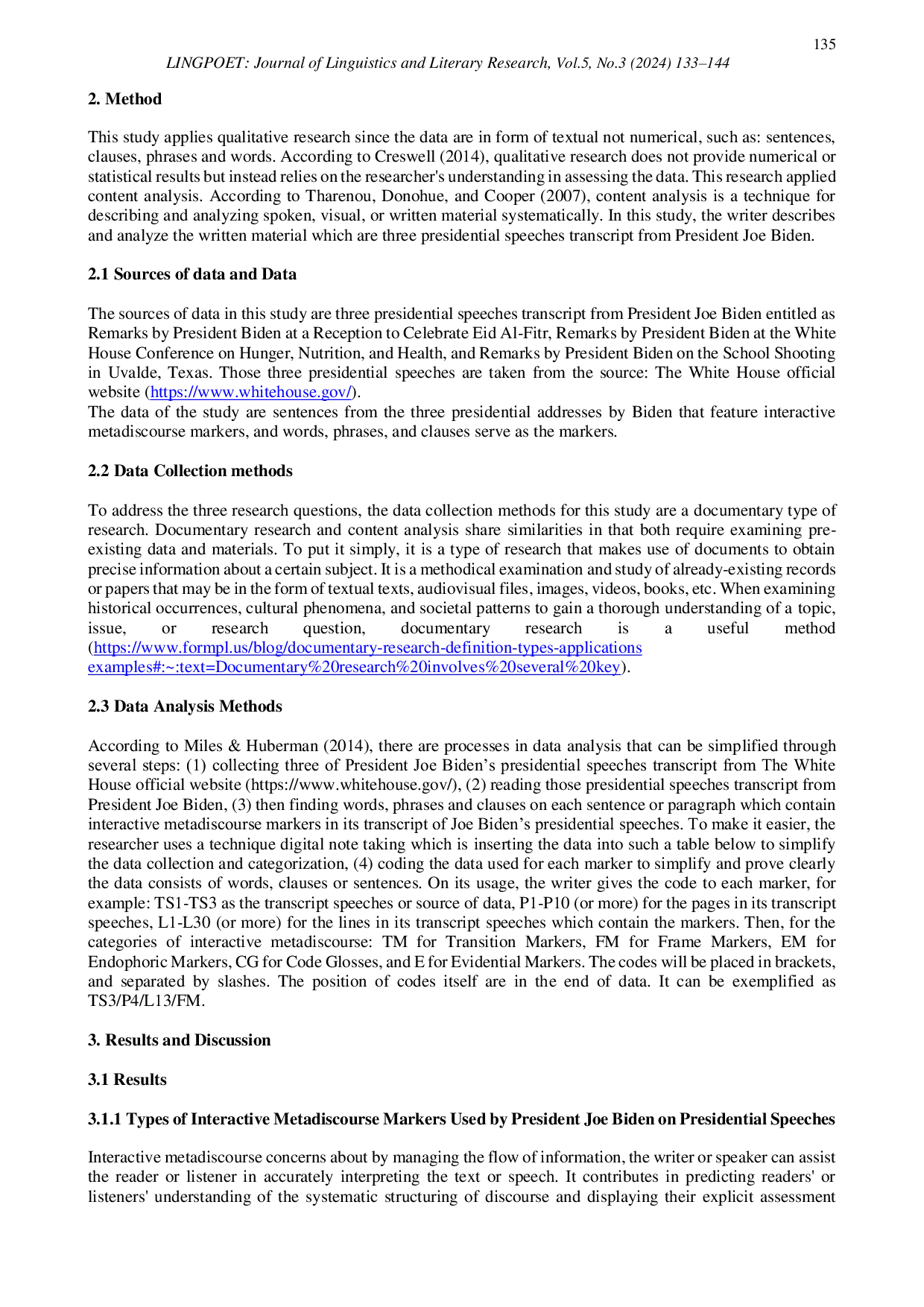
USUUSU Penulis juga menemukan bahwa penanda like dapat berfungsi sebagai penanda transisi, digunakan untuk membandingkan pernyataan. Selain itu, penanda ini jugaPenulis juga menemukan bahwa penanda like dapat berfungsi sebagai penanda transisi, digunakan untuk membandingkan pernyataan. Selain itu, penanda ini juga

FIKES UMWFIKES UMW Tingkat pengetahuan tentang hipertensi pada responden sangat penting dalam mempengaruhi pola hidup sehat. Lama kerja juga memiliki hubungan dengan kejadianTingkat pengetahuan tentang hipertensi pada responden sangat penting dalam mempengaruhi pola hidup sehat. Lama kerja juga memiliki hubungan dengan kejadian