EUREKAEUREKA
IJOLEH : International Journal of Education and HumanitiesIJOLEH : International Journal of Education and HumanitiesIn English as a Foreign Language (EFL) learning, intercultural studies often focus on international or classroom-based contexts; limited attention has been given to how intercultural development occurs within the family environment. Addressing this gap, the present study investigates how mindfulness, humility, and reflexivity shape intercultural growth in family-based EFL interaction in Indonesia. Using an ethnographic approach, research analyses naturally occurring conversations among four EFL students and their family members during home-based learning. The findings reveal three developmental orientations: attitude-based growth (Manda and Ansar), knowledge-based growth (Edwin), and skill-based growth (Fahmi), forming a continuum of intercultural development and transformation. The study proposes that family communication functions as an “at-home intercultural laboratory, where emotional intimacy, moral dialogue, and reflection foster ethical and relational understanding. These insights extend the intercultural communicative competence model and introduce the triadic framework of mindfulness, humility, and reflexivity.
This research examined the influence of mindfulness, humility, and reflexivity on intercultural development in family-based English as a Foreign Language interactions in Indonesia.The study demonstrated that intercultural development naturally occurs through everyday negotiation, empathy, and reflection within families.The findings revealed three developmental orientations, highlighting a continuum of intercultural competence characterized by the interconnectedness of awareness, understanding, and transformation.Ultimately, the study positions the family as a crucial environment for fostering intercultural growth, emphasizing the importance of emotional intimacy and ethical understanding.
Further research should explore how cultural values within Indonesian families specifically shape the development of intercultural competence, moving beyond general frameworks to understand nuanced local dynamics. Investigating the role of digital communication technologies in mediating intercultural interactions within families during and after the pandemic could reveal evolving patterns of learning and adaptation. Additionally, studies could examine the effectiveness of incorporating family-based intercultural learning activities into EFL curricula, assessing the impact on students attitudes, knowledge, and skills, and fostering a more holistic approach to intercultural education that recognizes the home as a vital learning environment. These investigations, building upon the current studys findings, will contribute to a more comprehensive understanding of intercultural development and inform more effective pedagogical practices.
- Intercultural training as paradigm juxtaposition, and the need to differentiate critical cross-cultural... journals.sagepub.com/doi/10.1177/14705958241287702Intercultural training as paradigm juxtaposition and the need to differentiate critical cross cultural journals sagepub doi 10 1177 14705958241287702
- Introduction: Boundary work in Muslim-Jewish encounters in urban Europe - Daniella Shaw, 2025. introduction... doi.org/10.1177/13675494241311107Introduction Boundary work in Muslim Jewish encounters in urban Europe Daniella Shaw 2025 introduction doi 10 1177 13675494241311107
- Mindfulness, Humility, and Reflexivity: Tracing Intercultural Growth in Family-Based EFL Interaction... doi.org/10.56314/ijoleh.v4i2.425Mindfulness Humility and Reflexivity Tracing Intercultural Growth in Family Based EFL Interaction doi 10 56314 ijoleh v4i2 425
| File size | 580.11 KB |
| Pages | 18 |
| DMCA | Report |
Related /

IAINTAKENGONIAINTAKENGON Selain itu, faktor utama yang mendorong anak memiliki karakter berkualitas adalah orang tua atau wali mereka. Upaya guru dalam menanamkan karakter berkualitasSelain itu, faktor utama yang mendorong anak memiliki karakter berkualitas adalah orang tua atau wali mereka. Upaya guru dalam menanamkan karakter berkualitas
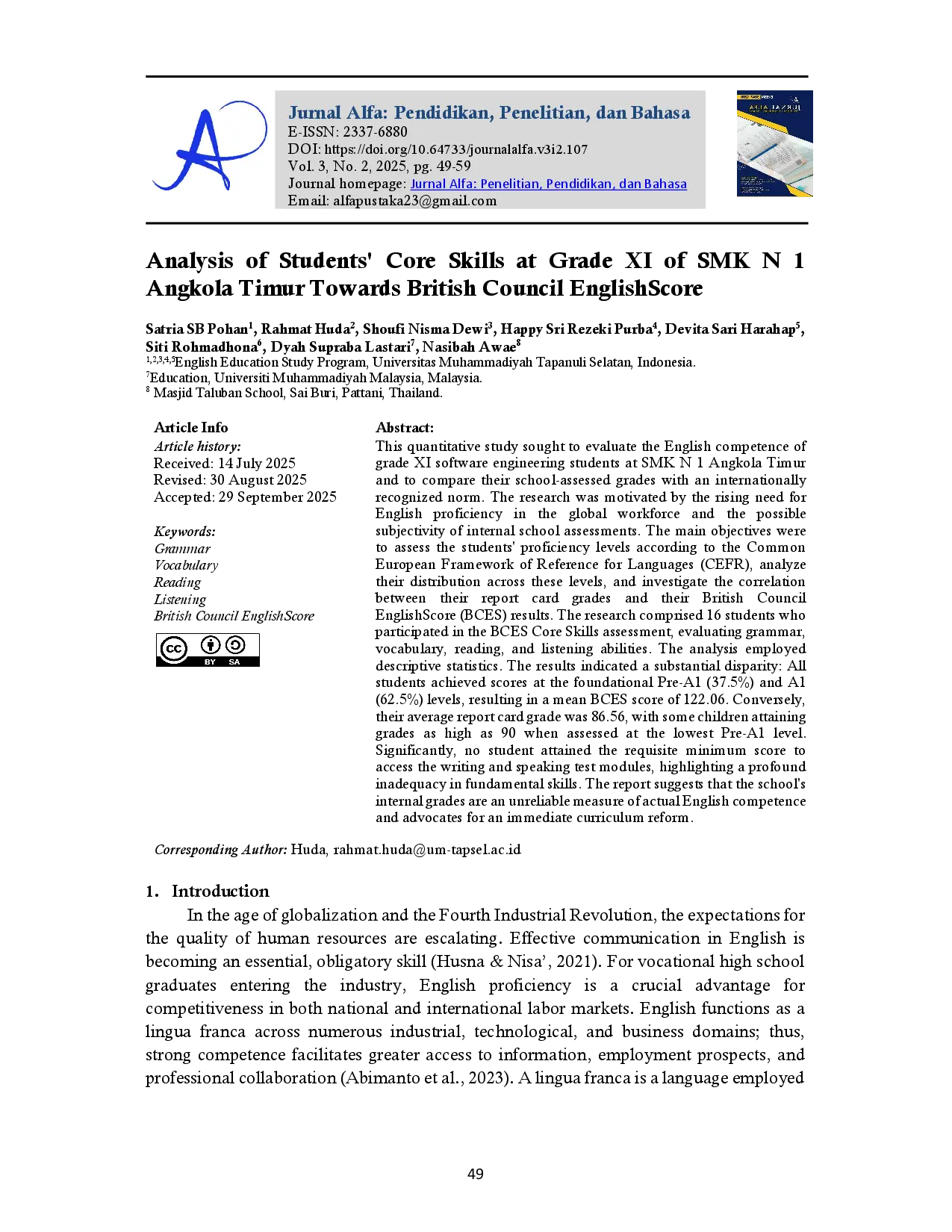
ALFA PUSTAKAALFA PUSTAKA Tidak ada siswa yang mencapai skor minimum untuk mengakses modul tes menulis dan berbicara, menandakan kelemahan fundamental yang mendalam. Laporan menyimpulkanTidak ada siswa yang mencapai skor minimum untuk mengakses modul tes menulis dan berbicara, menandakan kelemahan fundamental yang mendalam. Laporan menyimpulkan

HABIBURRAHMANHABIBURRAHMAN Keterampilan public speaking dalam Bahasa Inggris merupakan salah satu kompetensi esensial yang dibutuhkan oleh mahasiswa sebagai calon pemimpin di eraKeterampilan public speaking dalam Bahasa Inggris merupakan salah satu kompetensi esensial yang dibutuhkan oleh mahasiswa sebagai calon pemimpin di era
UMADAUMADA The implication of this study is the importance of strengthening the role of school library operators in effectively and consistently managing all sub-sectorsThe implication of this study is the importance of strengthening the role of school library operators in effectively and consistently managing all sub-sectors
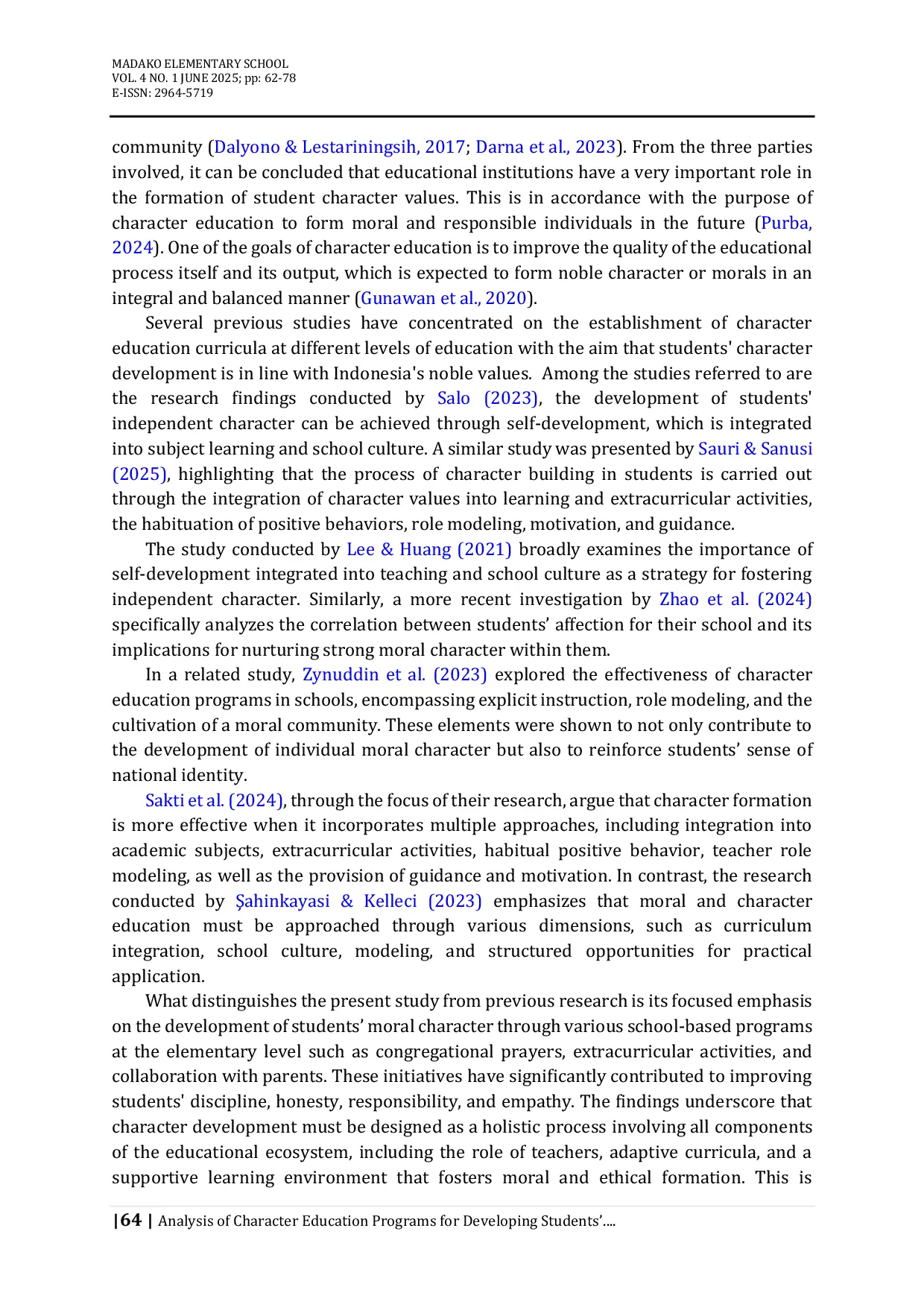
UMADAUMADA Temuan ini diharapkan dapat memberikan kontribusi untuk pengembangan model pendidikan karakter yang lebih praktis, sesuai dengan kondisi sosial budayaTemuan ini diharapkan dapat memberikan kontribusi untuk pengembangan model pendidikan karakter yang lebih praktis, sesuai dengan kondisi sosial budaya

UNIRAYAUNIRAYA Based on the conclusion above, the researcher hoped that this research gives benefit for all practice as follow. For students, the students who want toBased on the conclusion above, the researcher hoped that this research gives benefit for all practice as follow. For students, the students who want to
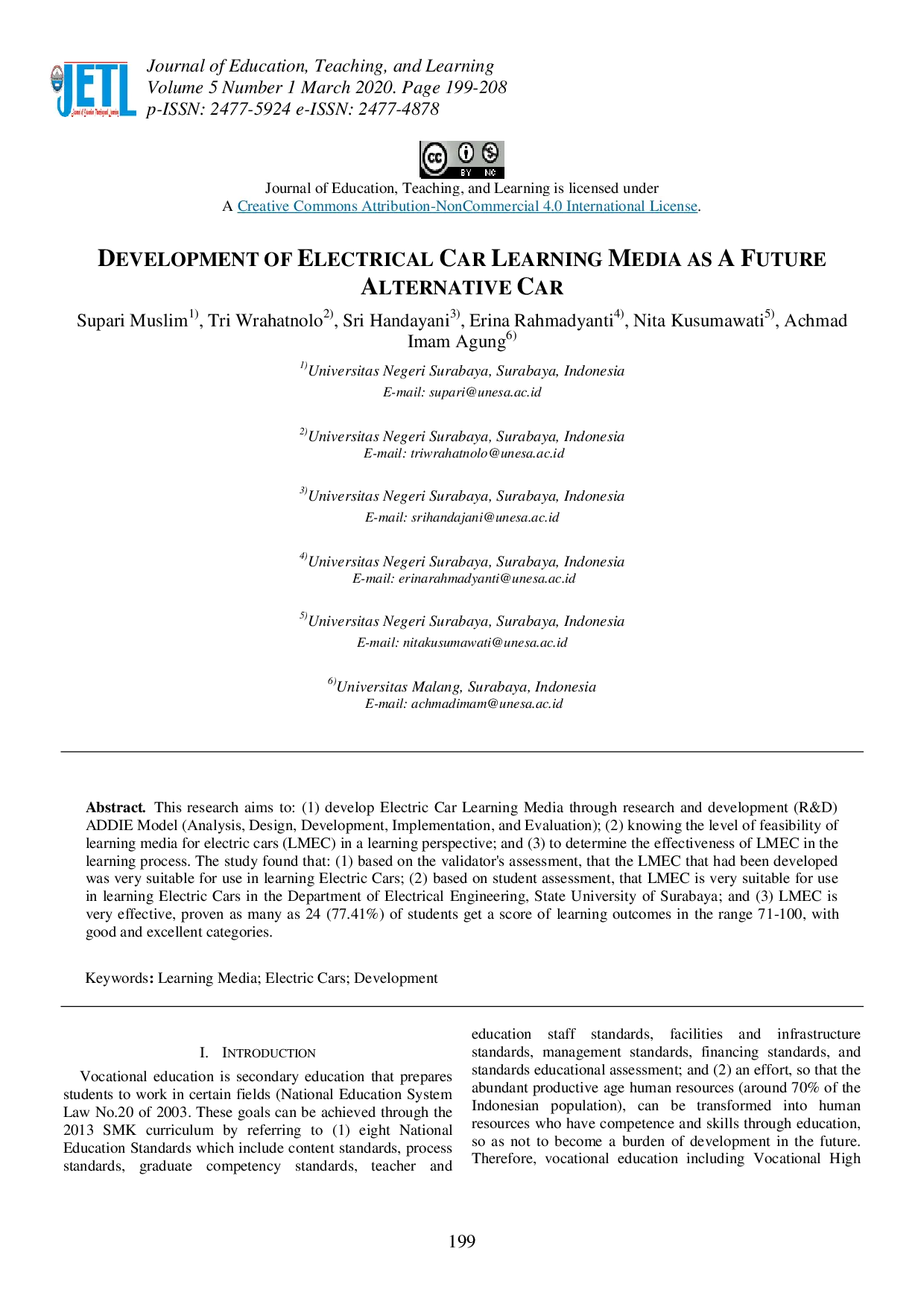
STKIP SINGKAWANGSTKIP SINGKAWANG Penelitian ini bertujuan: (1) mengembangkan Media Pembelajaran Mobil Listrik melalui penelitian dan pengembangan (R&D) model ADDIE (Analysis, Design, Development,Penelitian ini bertujuan: (1) mengembangkan Media Pembelajaran Mobil Listrik melalui penelitian dan pengembangan (R&D) model ADDIE (Analysis, Design, Development,
STKIP SINGKAWANGSTKIP SINGKAWANG Beton dicetak dengan rasio air-semen 0,5 dan diuji kuat tekan pada umur 7, 14, dan 28 hari. Hasil menunjukkan bahwa penggantian semen hingga 10% masihBeton dicetak dengan rasio air-semen 0,5 dan diuji kuat tekan pada umur 7, 14, dan 28 hari. Hasil menunjukkan bahwa penggantian semen hingga 10% masih
Useful /
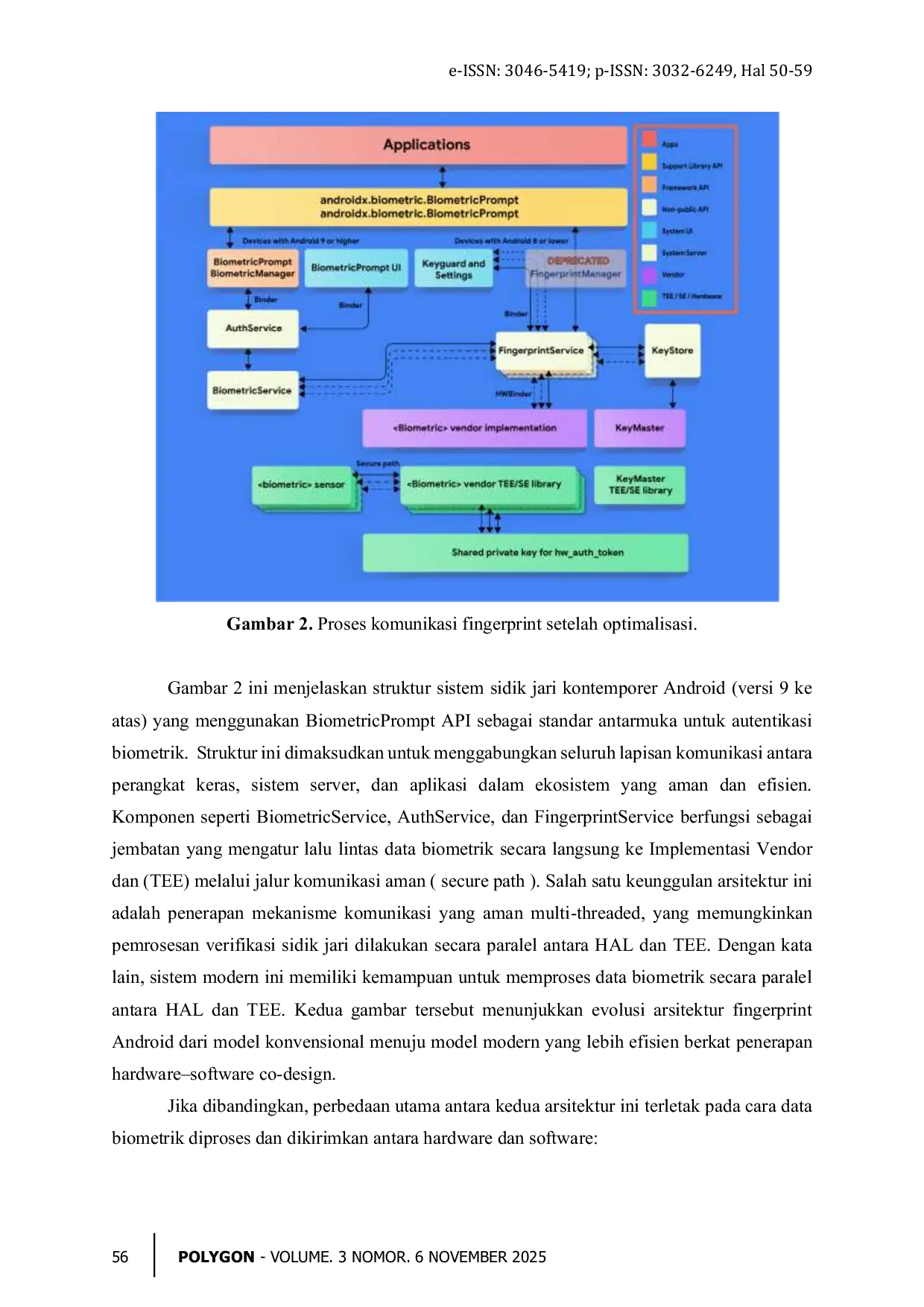
ARIMSIARIMSI Berdasarkan hasil pengujian, pendekatan ini berhasil meningkatkan efisiensi secara signifikan—waktu autentikasi berkurang hingga 35 % dan konsumsiBerdasarkan hasil pengujian, pendekatan ini berhasil meningkatkan efisiensi secara signifikan—waktu autentikasi berkurang hingga 35 % dan konsumsi

ARIMSIARIMSI Selain itu, sistem ini juga memungkinkan pemantauan perkembangan siswa selama mengikuti PKI serta mempermudah komunikasi antara pihak sekolah dan perusahaanSelain itu, sistem ini juga memungkinkan pemantauan perkembangan siswa selama mengikuti PKI serta mempermudah komunikasi antara pihak sekolah dan perusahaan

STKIP SINGKAWANGSTKIP SINGKAWANG Peningkatan kemampuan pemecahan masalah matematis siswa yang memperoleh model pembelajaran berbasis masalah lebih tinggi dibandingkan siswa yang memperolehPeningkatan kemampuan pemecahan masalah matematis siswa yang memperoleh model pembelajaran berbasis masalah lebih tinggi dibandingkan siswa yang memperoleh

STKIP SINGKAWANGSTKIP SINGKAWANG Diharapkan melalui bermain peran, anak-anak dapat mengarahkan aspirasi mereka dan mengendalikan diri sebagai dasar penguatan pengetahuan anti-korupsi.metodeDiharapkan melalui bermain peran, anak-anak dapat mengarahkan aspirasi mereka dan mengendalikan diri sebagai dasar penguatan pengetahuan anti-korupsi.metode