INDONESIAN EFL JOURNALINDONESIAN EFL JOURNAL
Indonesian Journal of EFL and LinguisticsIndonesian Journal of EFL and LinguisticsThis study examines the role of English teachers in Professional Learning Communities (PLCs) as they develop their Technological Pedagogical Content Knowledge (TPACK) within the context of cultural and religious norms in madrasahs in Semarang City, Indonesia. Using a qualitative ethnographic case study methodology, the data were collected through observations, questionnaires, and field notes to demonstrate teachers behavioural, emotional, and cognitive engagement. The study consisted of 50 in-service English teachers from thirty Islamic junior high schools serving varying educational backgrounds and professional learning experiences. The findings suggest, using Fredricks et al.s multidimensional framework on engagement, that the teachers were very engaged behaviourally when we measured their attendance, participation, and attempts to use technology in their classrooms. Emotionally, the teachers exhibited excitement, curiosity, key details, engagement, pride, and self-efficacy, which led them to feel connected to the PLC and motivated to experiment with different instructional practices. Cognitively, the teachers engaged in reflective practices, planning with goals, problem-solving, and pedagogically integrating technology with content. This study highlights that PLCs can be a formidable vehicle for collaborative professional growth, helping English teachers develop their technological teaching capacity and pedagogically innovate while maintaining their cultural and religious nuance. This study also highlights that TPACK reconstruction involves a process of continually engaging in multidimensional, ongoing interactions to be effectively reconstructed in a relevant context.
The study demonstrates high levels of behavioral, emotional, and cognitive engagement among English teachers in PLCs as they reconstruct their TPACK.This engagement is fostered by the collaborative environment of PLCs, which supports teachers in integrating technology, pedagogy, and content knowledge.The findings underscore the importance of PLCs as a valuable tool for teacher professional development and highlight the need for sustained support to ensure their effectiveness.
Further research should investigate the long-term impact of PLC participation on teachers classroom practices and student learning outcomes, moving beyond self-reported engagement to observable changes in instruction. Additionally, studies could explore how to effectively scale up successful PLC models to reach a wider range of teachers and schools, addressing logistical and resource challenges. Finally, research is needed to examine the role of school leadership in fostering a supportive environment for PLCs, including providing adequate time, resources, and recognition for teacher collaboration, and how this leadership impacts the sustainability and effectiveness of these communities in the Indonesian context.
- 0. transferring lghor.alzahra.ac.ir/article_4895.html0 transferring lghor alzahra ac ir article 4895 html
- Enhancing pre-service teachers’ TPACK through the integrating of community of practice and lesson... doi.org/10.11591/ijere.v13i6.29240Enhancing pre service teachersAo TPACK through the integrating of community of practice and lesson doi 10 11591 ijere v13i6 29240
| File size | 456.75 KB |
| Pages | 14 |
| DMCA | Report |
Related /

TEUNULEHJOURNALTEUNULEHJOURNAL 69%, especially when allocated to strategic sectors such as education, health, and infrastructure. In contrast, PEPA does not show a significant impact69%, especially when allocated to strategic sectors such as education, health, and infrastructure. In contrast, PEPA does not show a significant impact
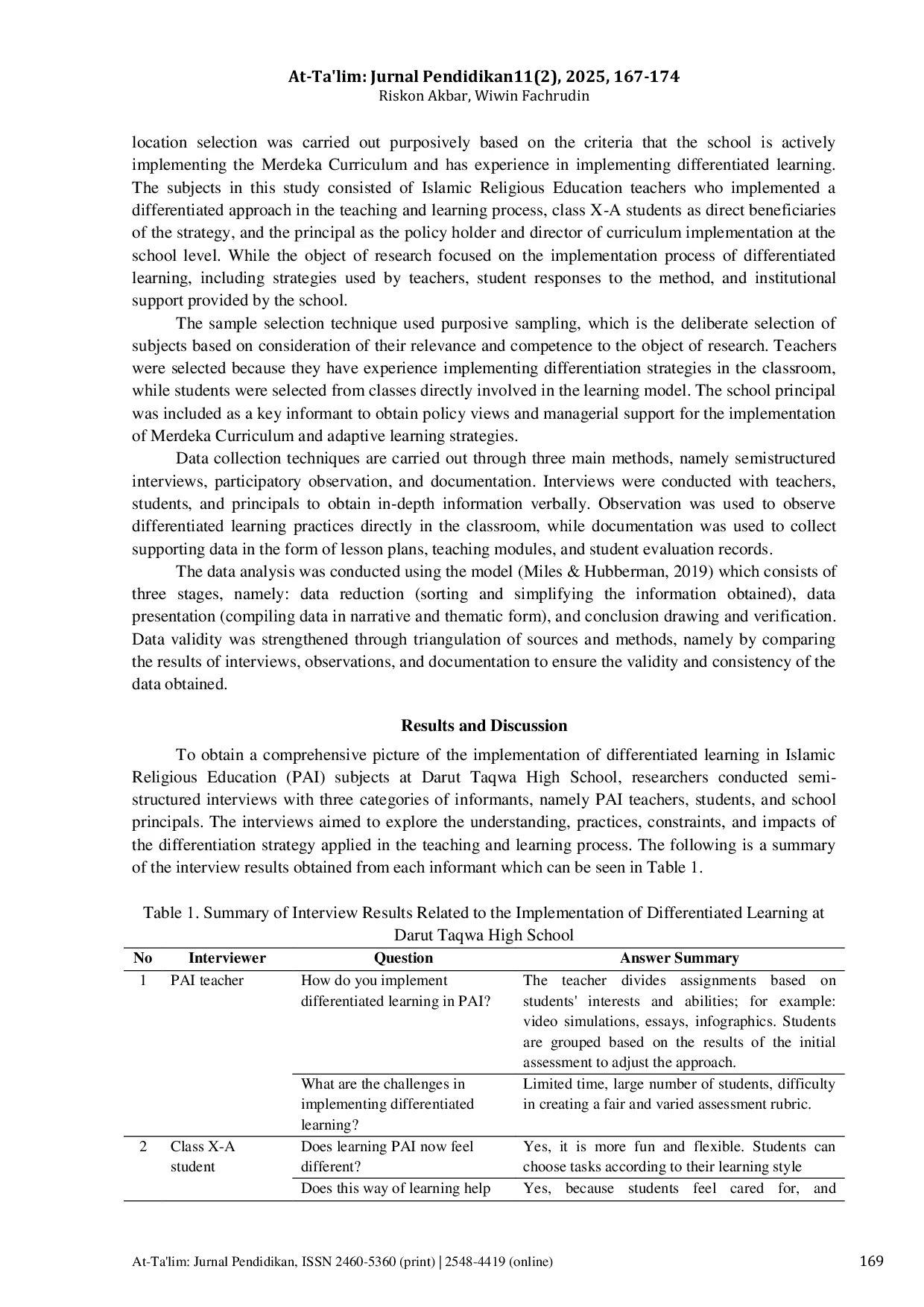
UNZAHUNZAH In conclusion, differentiated learning at SMA Darut Taqwa runs systemically and has a positive impact on students academic and non-academic development.In conclusion, differentiated learning at SMA Darut Taqwa runs systemically and has a positive impact on students academic and non-academic development.
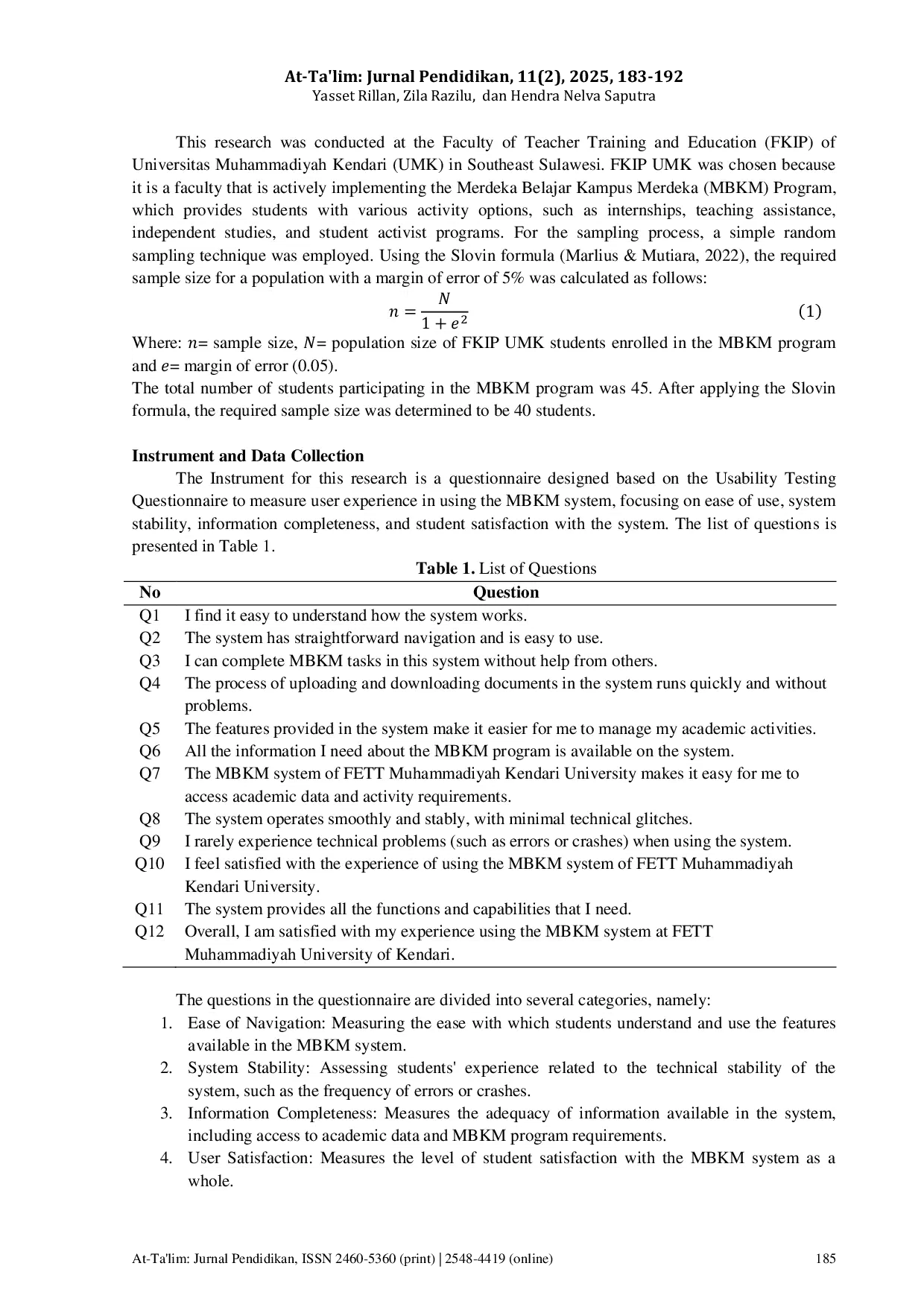
UNZAHUNZAH Namun, peningkatan pada beberapa aspek diharapkan dapat meningkatkan kualitas pengalaman pengguna. Berdasarkan analisis data survei pengguna terhadap SistemNamun, peningkatan pada beberapa aspek diharapkan dapat meningkatkan kualitas pengalaman pengguna. Berdasarkan analisis data survei pengguna terhadap Sistem

UNZAHUNZAH Suasana inilah yang akhirnya memberikan kenyamanan bagi para guru dalam mengerjakan tugasnya. Keberhasilan sebuah lembaga pendidikan tidak hanya berhubunganSuasana inilah yang akhirnya memberikan kenyamanan bagi para guru dalam mengerjakan tugasnya. Keberhasilan sebuah lembaga pendidikan tidak hanya berhubungan

UNZAHUNZAH Pembentukan karakter bagi setiap manusia adalah tugas yang harus dilakukan secara terus-menerus, baik melalui pembinaan, pembiasaan, dan hal-hal yang dapatPembentukan karakter bagi setiap manusia adalah tugas yang harus dilakukan secara terus-menerus, baik melalui pembinaan, pembiasaan, dan hal-hal yang dapat
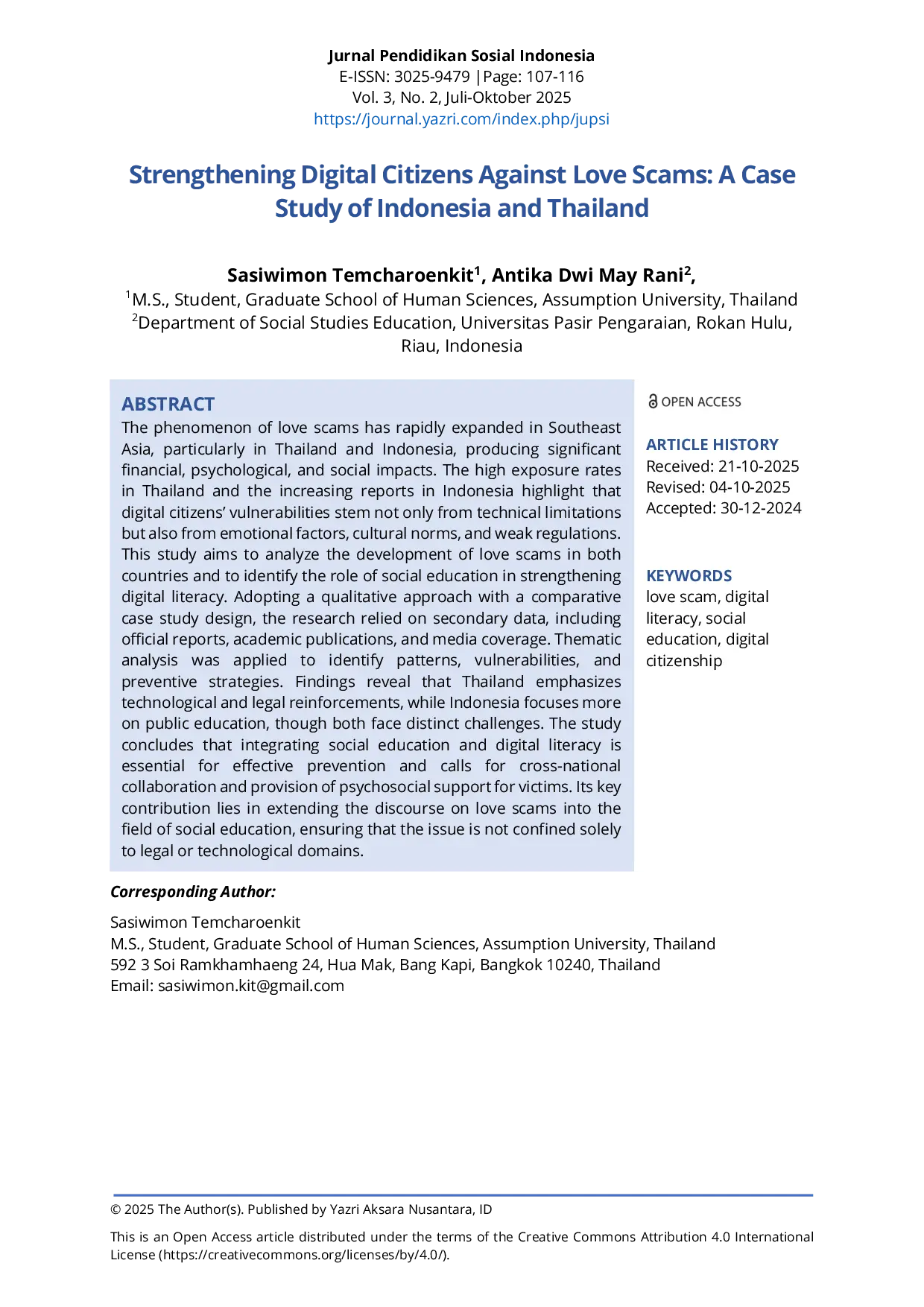
YAZRIYAZRI The study concludes that integrating social education and digital literacy is essential for effective prevention and calls for cross-national collaborationThe study concludes that integrating social education and digital literacy is essential for effective prevention and calls for cross-national collaboration

TEUNULEHJOURNALTEUNULEHJOURNAL Hasil menunjukkan bahwa pendidikan, terutama pendidikan vokasi dan pelatihan berbasis industri, memainkan peran penting dalam meningkatkan keterampilanHasil menunjukkan bahwa pendidikan, terutama pendidikan vokasi dan pelatihan berbasis industri, memainkan peran penting dalam meningkatkan keterampilan

ABULYATAMAABULYATAMA Dengan demikian, media ular tangga terbukti efektif sebagai alternatif metode pembelajaran yang inovatif dan menyenangkan, terutama dalam pembelajaranDengan demikian, media ular tangga terbukti efektif sebagai alternatif metode pembelajaran yang inovatif dan menyenangkan, terutama dalam pembelajaran
Useful /
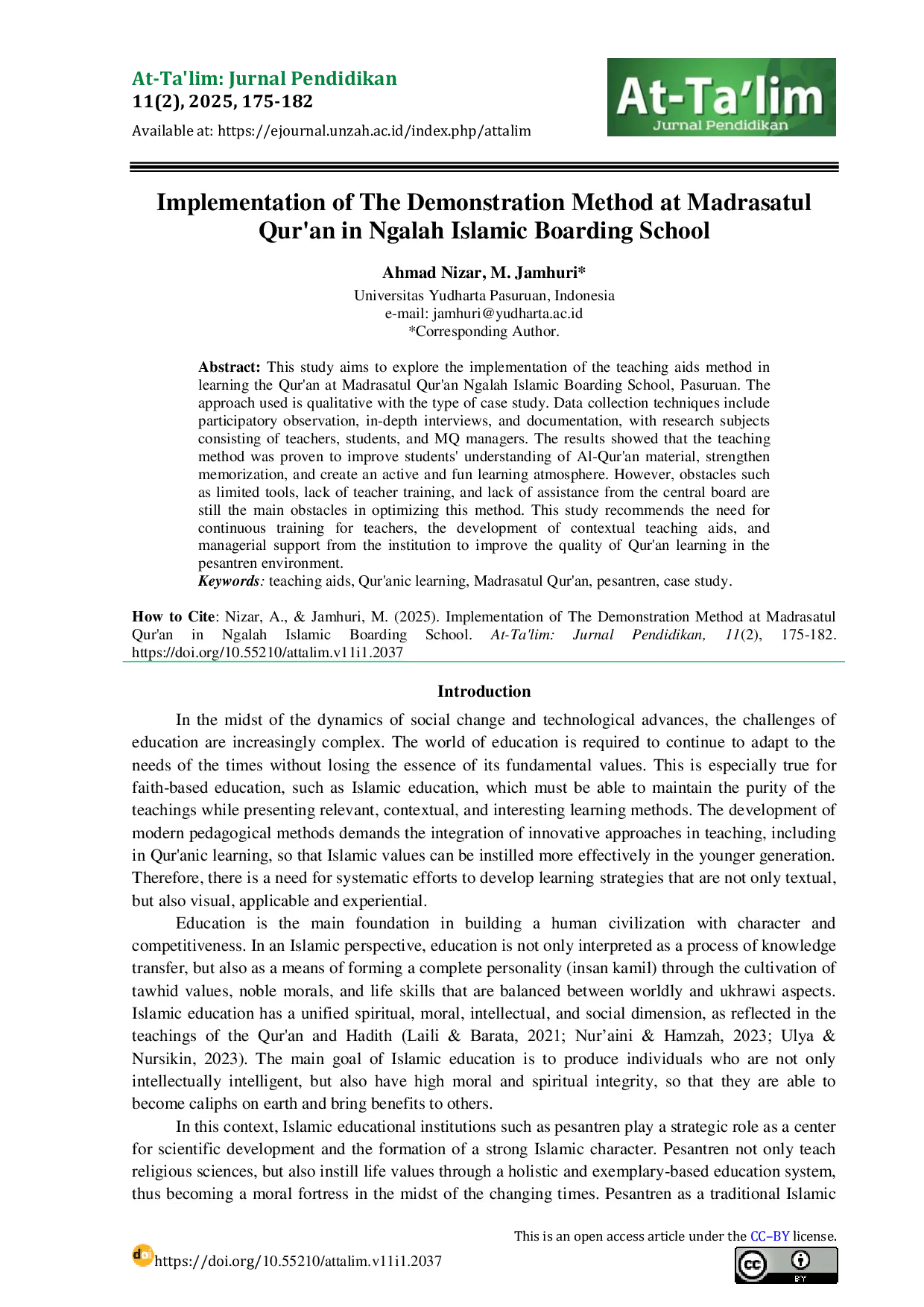
UNZAHUNZAH Berdasarkan hasil penelitian, dapat disimpulkan bahwa implementasi metode demonstrasi dalam pembelajaran Al-Quran di Madrasatul Quran Pondok PesantrenBerdasarkan hasil penelitian, dapat disimpulkan bahwa implementasi metode demonstrasi dalam pembelajaran Al-Quran di Madrasatul Quran Pondok Pesantren

UMSRAPPANGUMSRAPPANG Hasil penelitian menunjukkan bahwa tidak terdapat interaksi antara faktor pemasakan di dandang maupun di rice coocker serta faktor rasio beras dan airHasil penelitian menunjukkan bahwa tidak terdapat interaksi antara faktor pemasakan di dandang maupun di rice coocker serta faktor rasio beras dan air

UMSRAPPANGUMSRAPPANG Tujuan penelitian ini adalah mengetahui. Metode yang digunakan ialah studi literature mengenai beras merah. Berdasarkan studi literatur menunjukkan bahwaTujuan penelitian ini adalah mengetahui. Metode yang digunakan ialah studi literature mengenai beras merah. Berdasarkan studi literatur menunjukkan bahwa

UMSRAPPANGUMSRAPPANG Tingkat partisipasi yang tinggi dari mitra program memberikan dampak positif bagi pelaksanaan program, terlihat dari pelatihan dan pendampingan programTingkat partisipasi yang tinggi dari mitra program memberikan dampak positif bagi pelaksanaan program, terlihat dari pelatihan dan pendampingan program