UNISSULAUNISSULA
The 1st Proceeding International Conference And Call PaperThe 1st Proceeding International Conference And Call PaperOmnibus law is a method or concept of making regulations that combines several rules with different regulatory substance, into a large regulation that functions as a legal umbrella. The aim is to answer two things at once: legal efficiency and harmonization of the law. This paper examines the strengths and weaknesses of the omnibus law in Indonesia, highlighting its potential to overcome conflicting laws, uniform policies, and improve licensing management, while also addressing concerns about participatory drafting, environmental damage, and centralization of licensing.
The omnibus law in Indonesia offers potential benefits such as resolving legal conflicts, streamlining policies, and improving investment climates.However, concerns exist regarding the lack of public participation in drafting, potential environmental damage, and the centralization of licensing authority.A careful consideration of these strengths and weaknesses is crucial to ensure the omnibus law promotes justice and welfare for the Indonesian people.
Further research should focus on evaluating the actual impact of the omnibus law on environmental sustainability, regional autonomy, and labor rights. A comparative study with other countries that have implemented similar omnibus legislation could provide valuable insights. Additionally, research is needed to develop mechanisms for ensuring greater public participation and transparency in the legislative process, particularly when dealing with complex and potentially far-reaching reforms like the omnibus law. These studies should aim to identify best practices for balancing economic development with social and environmental protection, ultimately contributing to a more equitable and sustainable legal framework for Indonesia.
| File size | 789.83 KB |
| Pages | 24 |
| DMCA | Report |
Related /
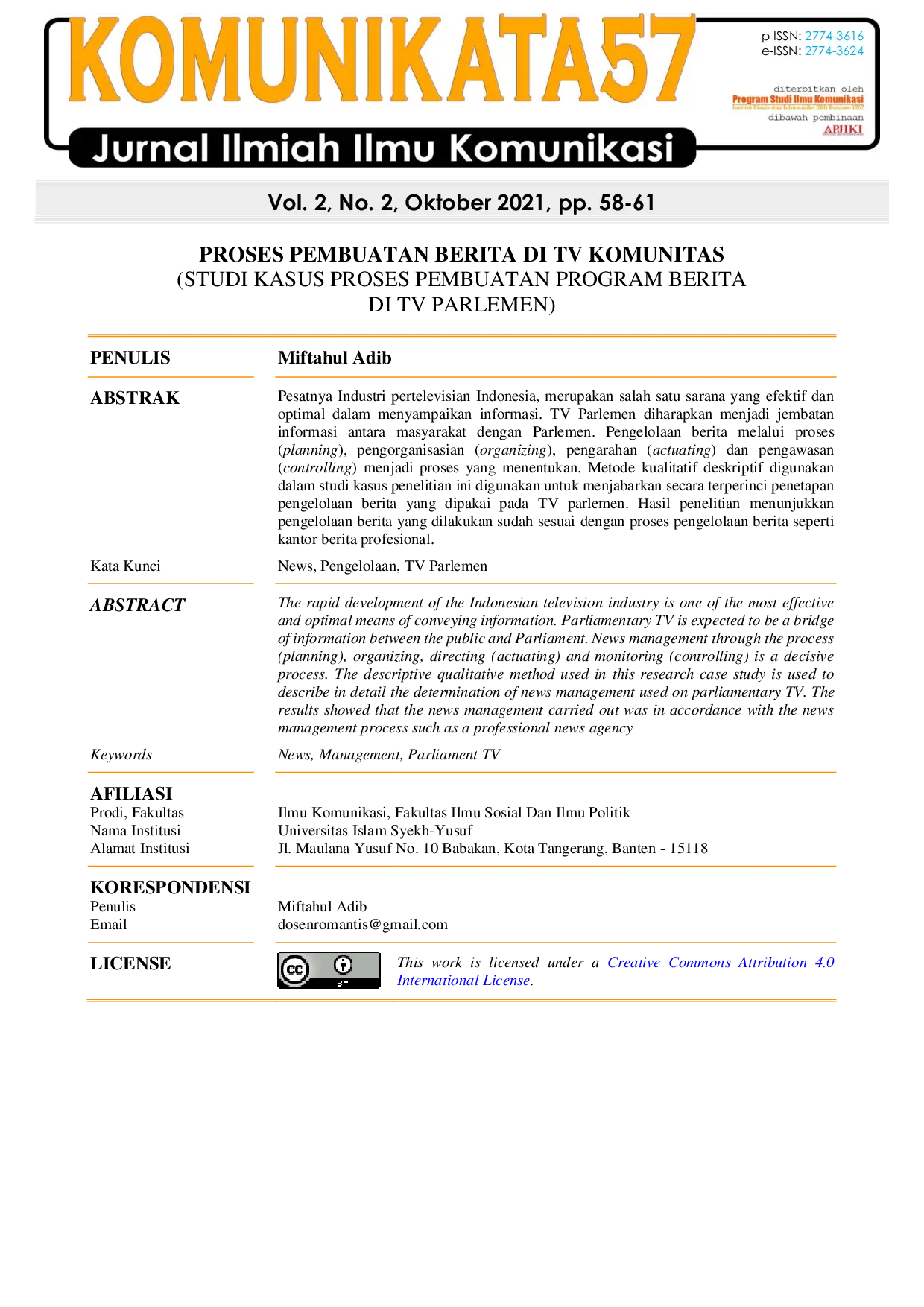
IBIK57IBIK57 TV Parlemen berfungsi sebagai televisi komunitas yang dikelola dengan proses manajemen berita standar.meskipun memiliki keterbatasan jangkauan siaran danTV Parlemen berfungsi sebagai televisi komunitas yang dikelola dengan proses manajemen berita standar.meskipun memiliki keterbatasan jangkauan siaran dan

IBIK57IBIK57 Namun, untuk penggunaan foto, mahasiswa justru lebih sedikit menggunakan foto diri asli pada media resmi dibandingkan pada media daring lainnya. MahasiswaNamun, untuk penggunaan foto, mahasiswa justru lebih sedikit menggunakan foto diri asli pada media resmi dibandingkan pada media daring lainnya. Mahasiswa

DINASTIREVDINASTIREV Integrasi budaya asing membawa norma dan praktik kerja yang berbeda, yang dapat menimbulkan benturan nilai dan merugikan pekerja lokal. Oleh karena itu,Integrasi budaya asing membawa norma dan praktik kerja yang berbeda, yang dapat menimbulkan benturan nilai dan merugikan pekerja lokal. Oleh karena itu,
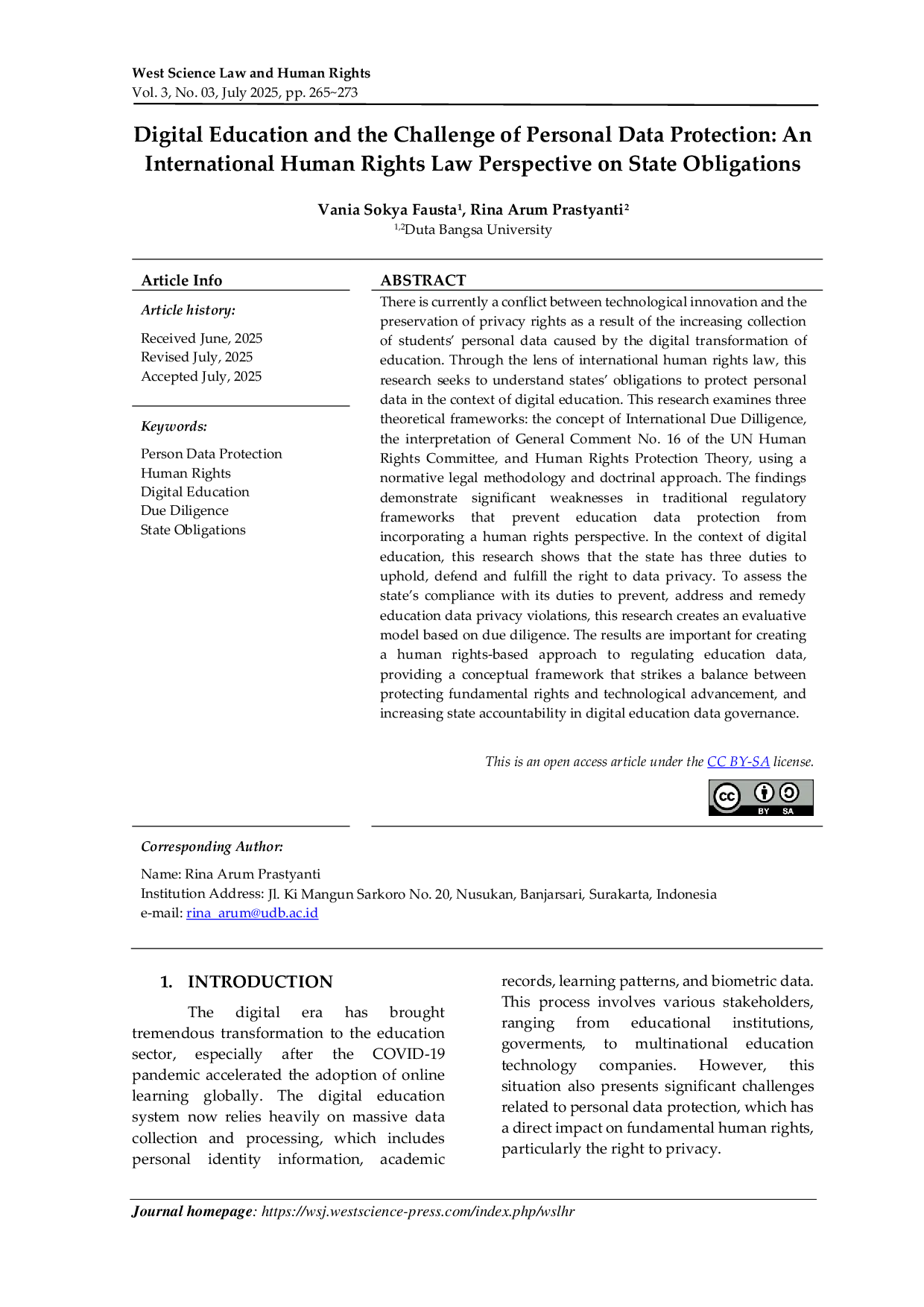
WESTSCIENCE PRESSWESTSCIENCE PRESS Penelitian ini berhasil membangun fondasi normatif yang komprehensif untuk regulasi perlindungan data di sektor pendidikan berdasarkan kerangka hukum hakPenelitian ini berhasil membangun fondasi normatif yang komprehensif untuk regulasi perlindungan data di sektor pendidikan berdasarkan kerangka hukum hak
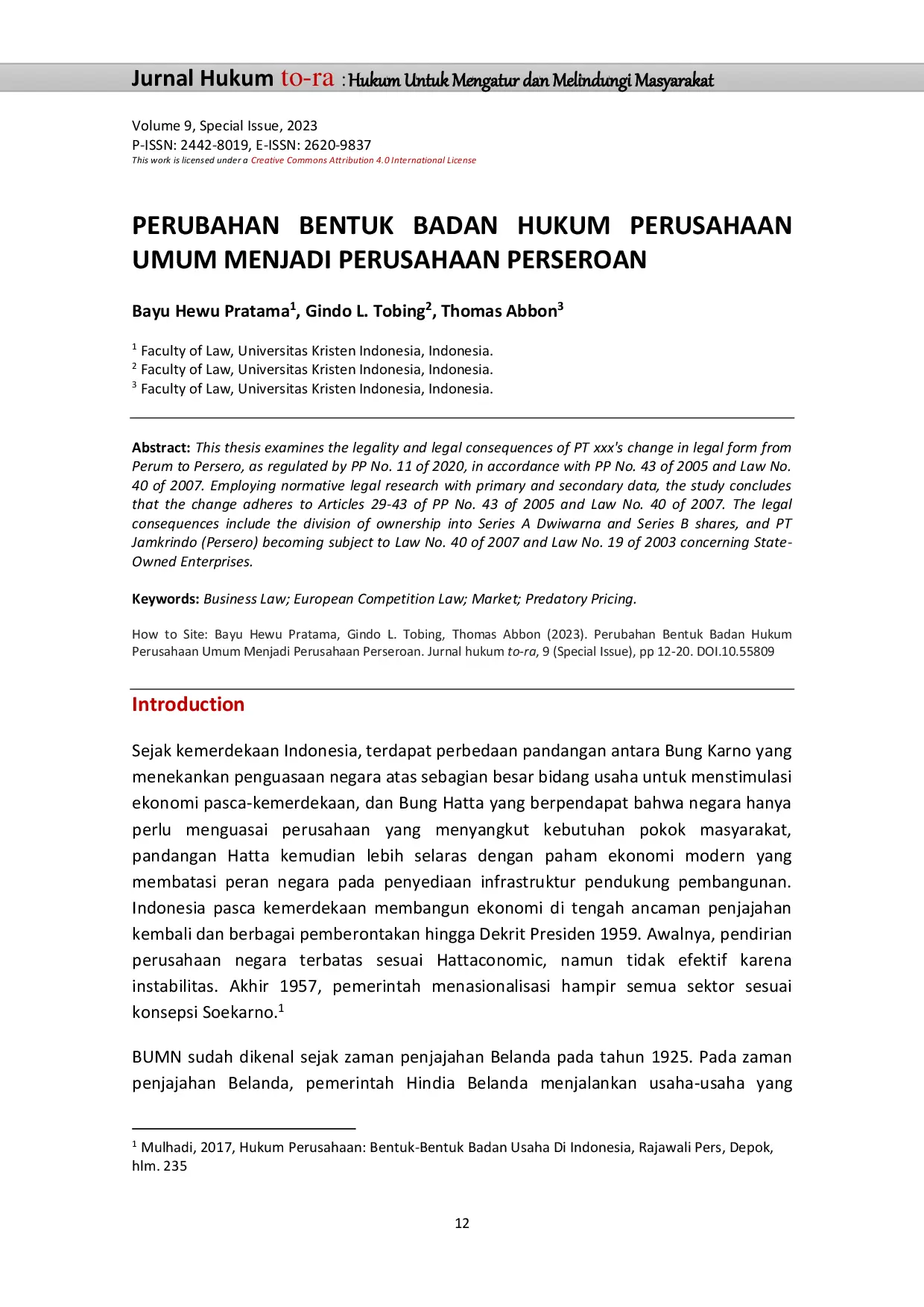
FHUKIFHUKI Akibat hukum perubahan ini adalah pembagian saham menjadi Seri A Dwiwarna dan Seri B, yang tunduk pada Undang‑Undang Perseroan Terbatas dan Undang‑UndangAkibat hukum perubahan ini adalah pembagian saham menjadi Seri A Dwiwarna dan Seri B, yang tunduk pada Undang‑Undang Perseroan Terbatas dan Undang‑Undang

UMMUMM Tantangan ini menunjukkan perlunya pemeriksaan menyeluruh tentang bagaimana distribusi otoritas regulasi antara pemerintah pusat dan daerah memengaruhiTantangan ini menunjukkan perlunya pemeriksaan menyeluruh tentang bagaimana distribusi otoritas regulasi antara pemerintah pusat dan daerah memengaruhi
UMMUMM Indonesia mengatur secara khusus persyaratan pendirian rumah ibadah dalam Peraturan Bersama Menteri Agama dan Menteri Dalam Negeri Nomor 8 dan 9 TahunIndonesia mengatur secara khusus persyaratan pendirian rumah ibadah dalam Peraturan Bersama Menteri Agama dan Menteri Dalam Negeri Nomor 8 dan 9 Tahun
UMMUMM Penelitian menggunakan metode yuridis normatif dengan pendekatan filosofis. Hasil penelitian menunjukkan bahwa proses pembuatan RUU Cipta Kerja cenderungPenelitian menggunakan metode yuridis normatif dengan pendekatan filosofis. Hasil penelitian menunjukkan bahwa proses pembuatan RUU Cipta Kerja cenderung
Useful /
SCADINDEPENDENTSCADINDEPENDENT Dalam makalah ini, kami menggunakan konsep religius-spiritual dari ajaran Islam sebagai contoh bagaimana keyakinan agama dapat ditanamkan dalam ESD bagiDalam makalah ini, kami menggunakan konsep religius-spiritual dari ajaran Islam sebagai contoh bagaimana keyakinan agama dapat ditanamkan dalam ESD bagi

SCADINDEPENDENTSCADINDEPENDENT Bahan ajar berbasis konteks dan kreativitas yang dikembangkan layak digunakan karena memiliki kelayakan tinggi pada aspek konten (90%), konteks dan kreativitasBahan ajar berbasis konteks dan kreativitas yang dikembangkan layak digunakan karena memiliki kelayakan tinggi pada aspek konten (90%), konteks dan kreativitas

SCADINDEPENDENTSCADINDEPENDENT Data dianalisis menggunakan regresi linier berganda untuk menguji hubungan antara gaya belajar dan nilai ujian semester. Hasil menunjukkan bahwa siswaData dianalisis menggunakan regresi linier berganda untuk menguji hubungan antara gaya belajar dan nilai ujian semester. Hasil menunjukkan bahwa siswa

WESTSCIENCE PRESSWESTSCIENCE PRESS Temuan menunjukkan bahwa sebagian besar hakim menafsirkan secara ketat validitas alat bukti, meskipun sebagian mengadopsi pendekatan progresif dengan menerimaTemuan menunjukkan bahwa sebagian besar hakim menafsirkan secara ketat validitas alat bukti, meskipun sebagian mengadopsi pendekatan progresif dengan menerima