SYEKH NURJATISYEKH NURJATI
Al Ibtida: Jurnal Pendidikan Guru MIAl Ibtida: Jurnal Pendidikan Guru MIThis study aims to analyze the needs for developing a semiotic-based Augmented Reality (AR) learning medium to enhance numeracy literacy among deaf students. A qualitative descriptive method was employed through open-ended questionnaires and interviews involving teachers at Sekolah Luar Biasa Negeri Branjangan, Jember Regency, Indonesia. The findings indicate that although 50% of teachers are familiar with AR technology, all participants expressed a strong need and enthusiasm for its implementation in numeracy instruction. Teachers perceived that the visual, interactive, and semiotic features of AR can transform abstract mathematical concepts into concrete and meaningful learning experiences that align with the visual learning strengths of deaf students. The study also revealed that color, animation, and three-dimensional visualization significantly enhance students attention and conceptual understanding. The integration of semiotic principles—icons, indices, and symbols—into AR design enables the representation of mathematical meaning through visual signs that are easily accessible and interpretable. This approach bridges the gap between symbolic understanding and experiential learning in mathematics. The findings highlight the significant potential of AR not only as a technological innovation but also as a semiotic learning environment that supports inclusive education for students with hearing impairments. Moreover, these results provide a theoretical and practical foundation for teacher training programs on the use of AR-based technology in special education contexts.
The study concludes that semiotic-based Augmented Reality (AR) holds substantial potential to enhance numeracy literacy among deaf learners by aligning instructional design with their dominant learning modalities.Teachers expressed strong enthusiasm toward the use of AR in the classroom, perceiving its visual, interactive, and semiotic features as effective in transforming abstract concepts into concrete learning experiences.The integration of semiotic principles, such as icons, indices, and symbols, was found to be crucial in representing mathematical meaning through accessible visual signs, ultimately supporting inclusive education for students with hearing impairments.
Further research should investigate the optimal design principles for semiotic-based AR media, specifically exploring how different visual representations and interactive elements impact deaf students comprehension of mathematical concepts. Additionally, studies are needed to evaluate the effectiveness of teacher training programs designed to equip educators with the skills to effectively integrate AR into their special education classrooms. Finally, future research could explore the potential of AR to facilitate collaborative learning experiences among deaf students, fostering peer support and knowledge sharing in numeracy instruction. These investigations should consider the diverse learning needs within the deaf student population and aim to create adaptable AR resources that promote equitable access to mathematical understanding, ultimately contributing to improved educational outcomes and greater inclusivity in mathematics education.
- Assessing Triangulation Across Methodologies, Methods, and Stakeholder Groups: The Joys, Woes, and Politics... doi.org/10.1177/1098214018804195Assessing Triangulation Across Methodologies Methods and Stakeholder Groups The Joys Woes and Politics doi 10 1177 1098214018804195
- SCHOOL LITERACY MOVEMENT ON READING LITERACY SKILLS IN ELEMENTARY SCHOOL STUDENTS | Visipena. school... ejournal.bbg.ac.id/visipena/article/view/3235SCHOOL LITERACY MOVEMENT ON READING LITERACY SKILLS IN ELEMENTARY SCHOOL STUDENTS Visipena school ejournal bbg ac visipena article view 3235
- The Science-Math Stories Based on Digital Learning: Digital Literacy Innovation in Increasing Ability... doi.org/10.3991/ijet.v16i09.22039The Science Math Stories Based on Digital Learning Digital Literacy Innovation in Increasing Ability doi 10 3991 ijet v16i09 22039
- The use of augmented reality to foster conceptual knowledge acquisition in STEM laboratory coursesâTheoretical... bera-journals.onlinelibrary.wiley.com/doi/10.1111/bjet.12900The use of augmented reality to foster conceptual knowledge acquisition in STEM laboratory coursesyAAAiTheoretical bera journals onlinelibrary wiley doi 10 1111 bjet 12900
| File size | 344.85 KB |
| Pages | 14 |
| DMCA | Report |
Related /
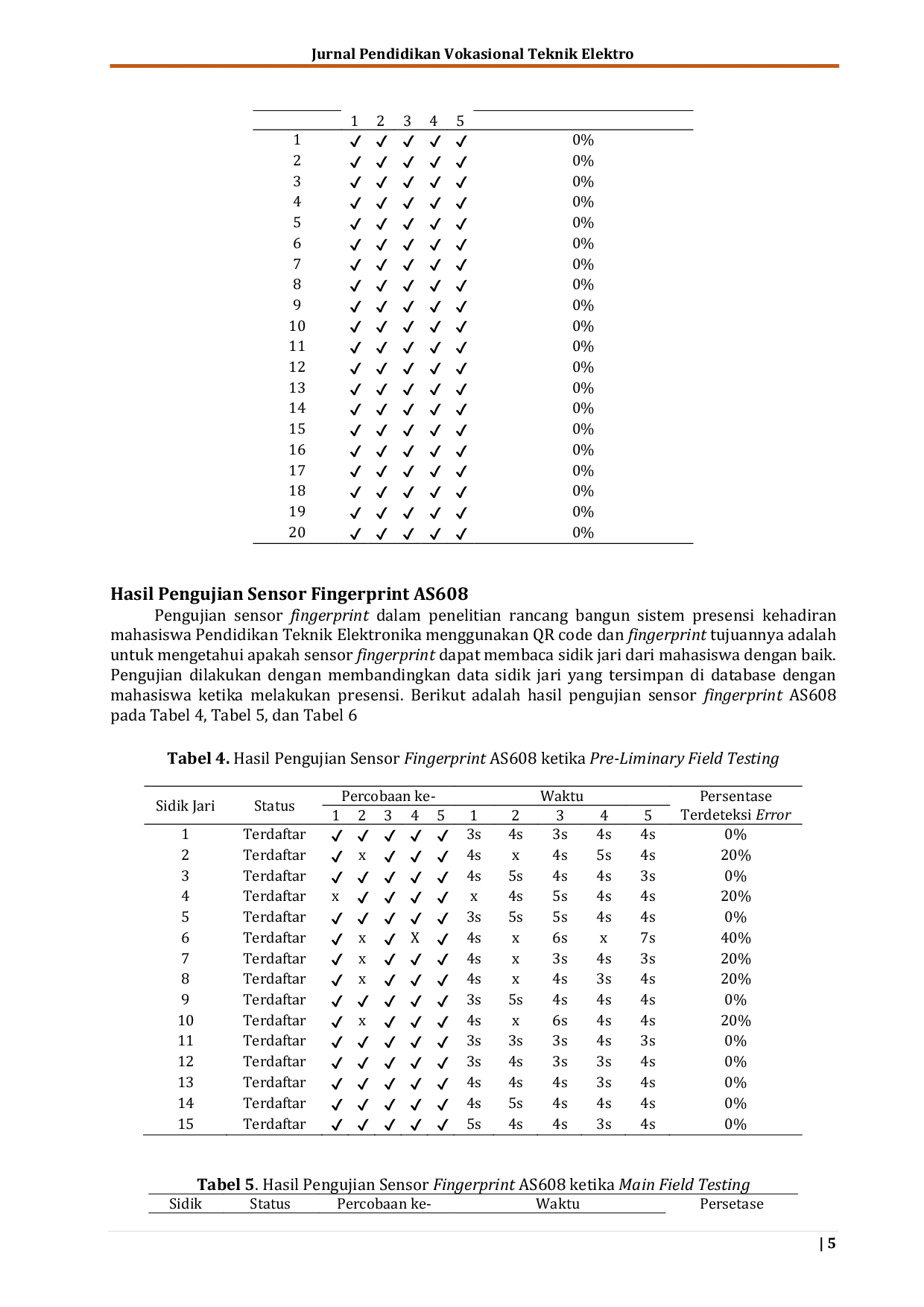
UNJUNJ Berdasarkan perumusan masalah penelitian dan dilaksanakannya penelitian sistem presensi kehadiran mahasiswa Pendidikan Teknik Elektronika menggunakan QRBerdasarkan perumusan masalah penelitian dan dilaksanakannya penelitian sistem presensi kehadiran mahasiswa Pendidikan Teknik Elektronika menggunakan QR

UIBUUIBU Data dianalisis menggunakan uji ANCOVA dengan SPSS versi 29. Hasil menunjukkan bahwa pembelajaran GrowLab berbasis AR memiliki efek signifikan terhadapData dianalisis menggunakan uji ANCOVA dengan SPSS versi 29. Hasil menunjukkan bahwa pembelajaran GrowLab berbasis AR memiliki efek signifikan terhadap

MASOEMUNIVERSITYMASOEMUNIVERSITY Modul ini disusun secara komprehensif kedalam lima bagian: (1) Pendahuluan AR dan Unity, (2) Petunjuk komprehensif cara mengunduh Unity, (3) Petunjuk terperinciModul ini disusun secara komprehensif kedalam lima bagian: (1) Pendahuluan AR dan Unity, (2) Petunjuk komprehensif cara mengunduh Unity, (3) Petunjuk terperinci
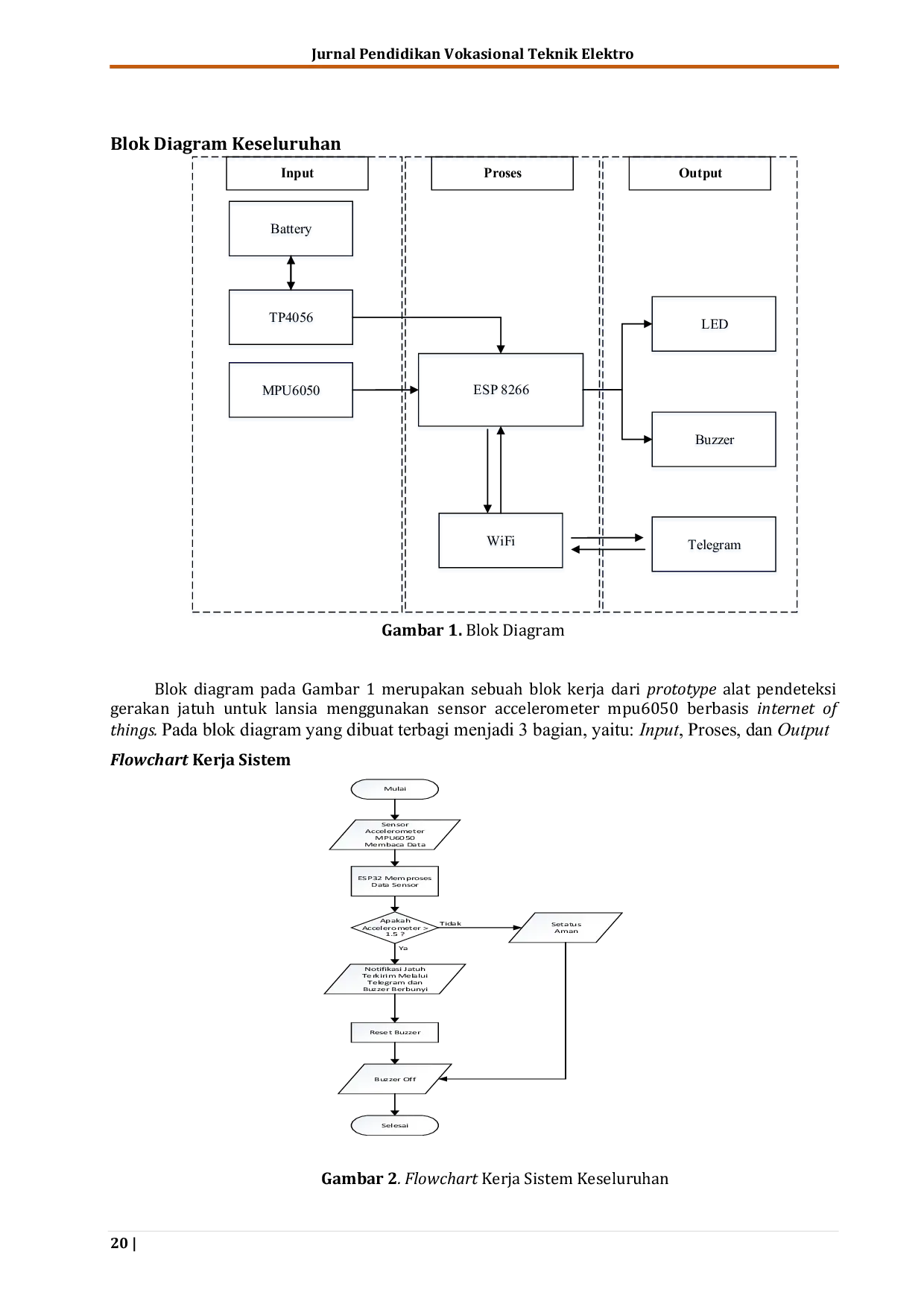
UNJUNJ 3g dan sudut rotasi > 75°/s digunakan sebagai indikator jatuh. Gerakan normal seperti berdiri, duduk, dan tidur tidak memicu alarm, menunjukkan tingkat3g dan sudut rotasi > 75°/s digunakan sebagai indikator jatuh. Gerakan normal seperti berdiri, duduk, dan tidur tidak memicu alarm, menunjukkan tingkat
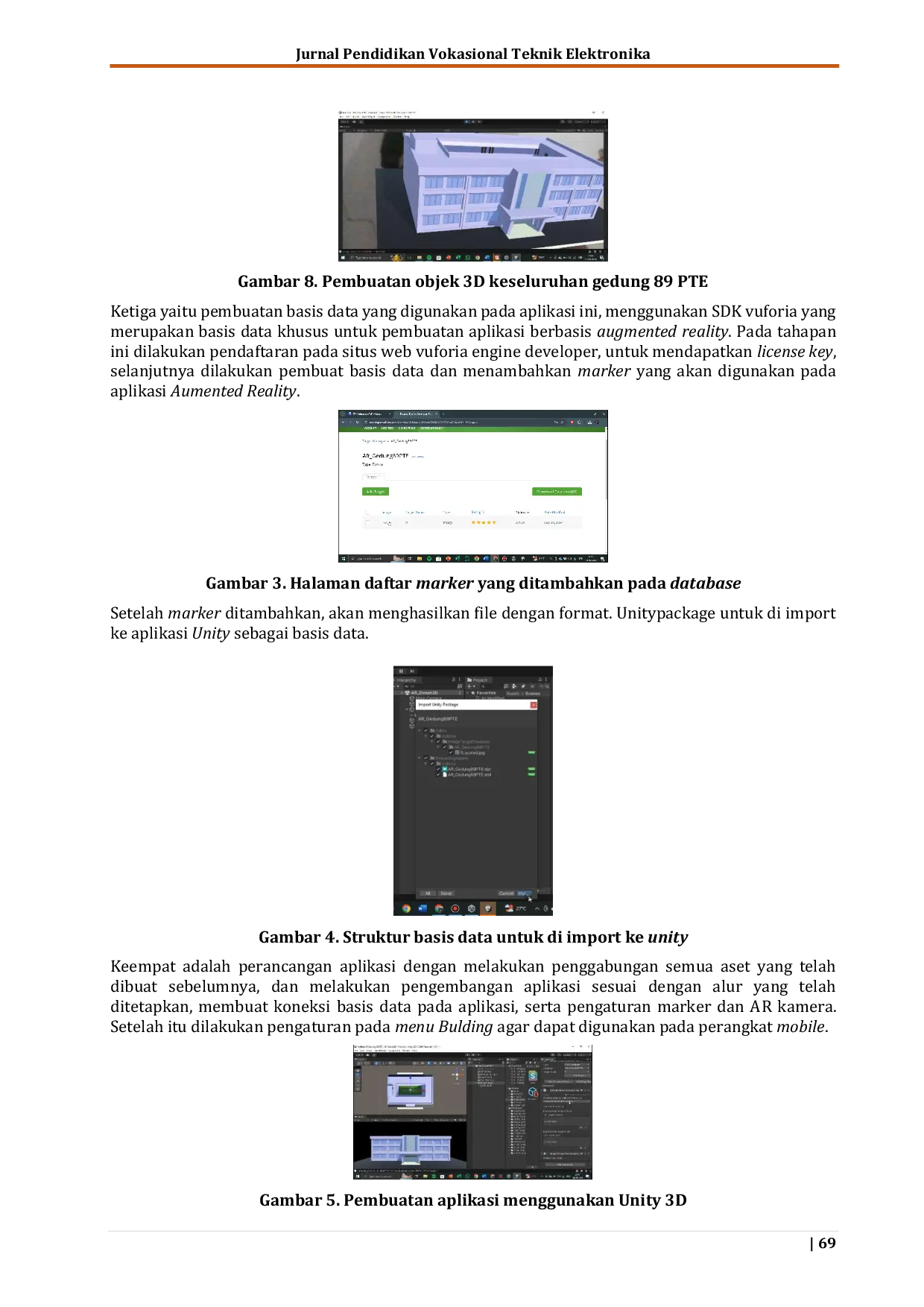
UNJUNJ Tujuan penelitian ini adalah untuk mengembangkan media berbasis android informasi gedung menggunakan teknologi Augmented Reality dengan metode marker-basedTujuan penelitian ini adalah untuk mengembangkan media berbasis android informasi gedung menggunakan teknologi Augmented Reality dengan metode marker-based
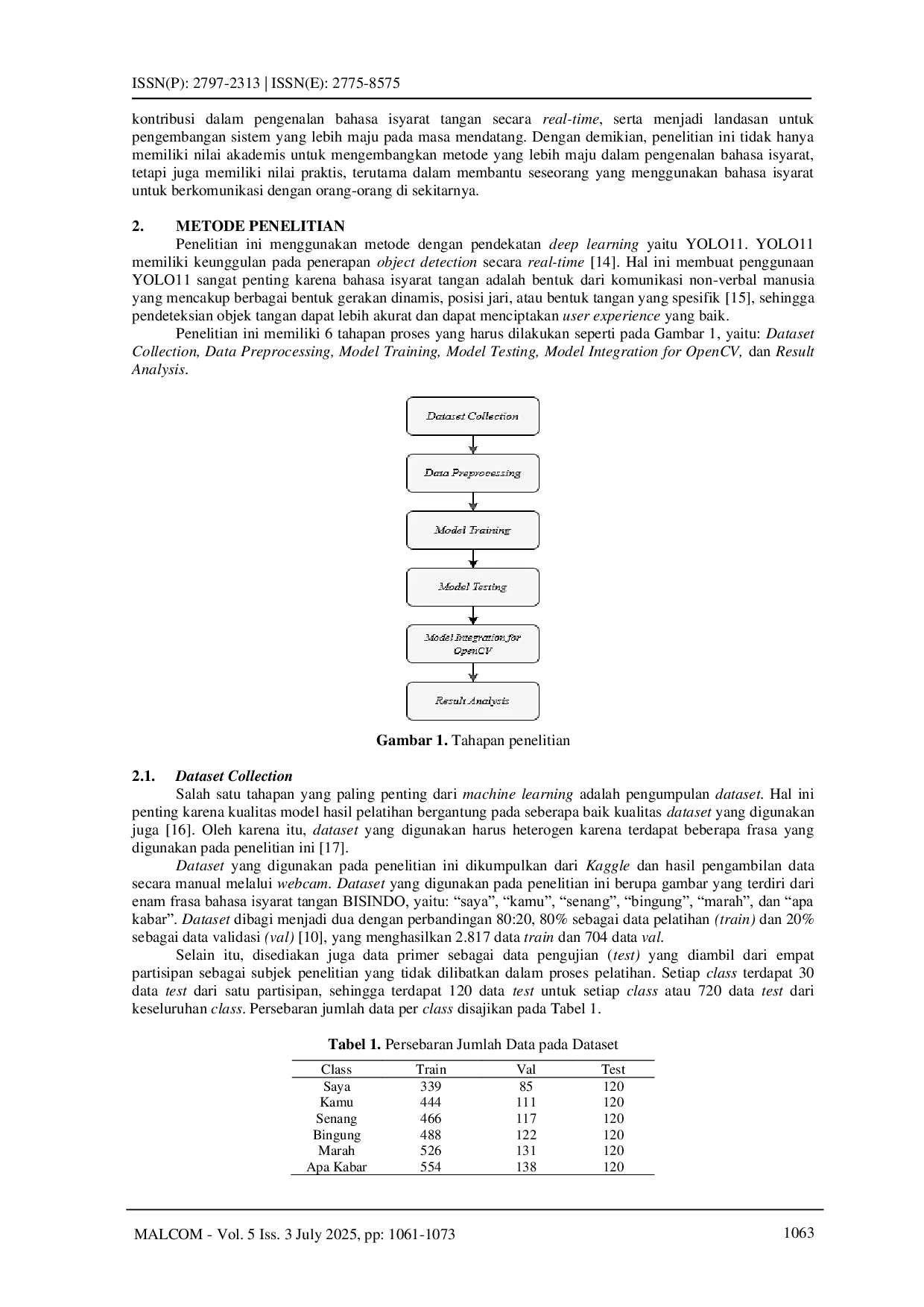
IRPIIRPI Model ini dilatih menggunakan lebih dari 3. 000 gambar yang mewakili enam class frasa BISINDO: “saya, “kamu, “senang, “bingung, “marah, dan “apaModel ini dilatih menggunakan lebih dari 3. 000 gambar yang mewakili enam class frasa BISINDO: “saya, “kamu, “senang, “bingung, “marah, dan “apa
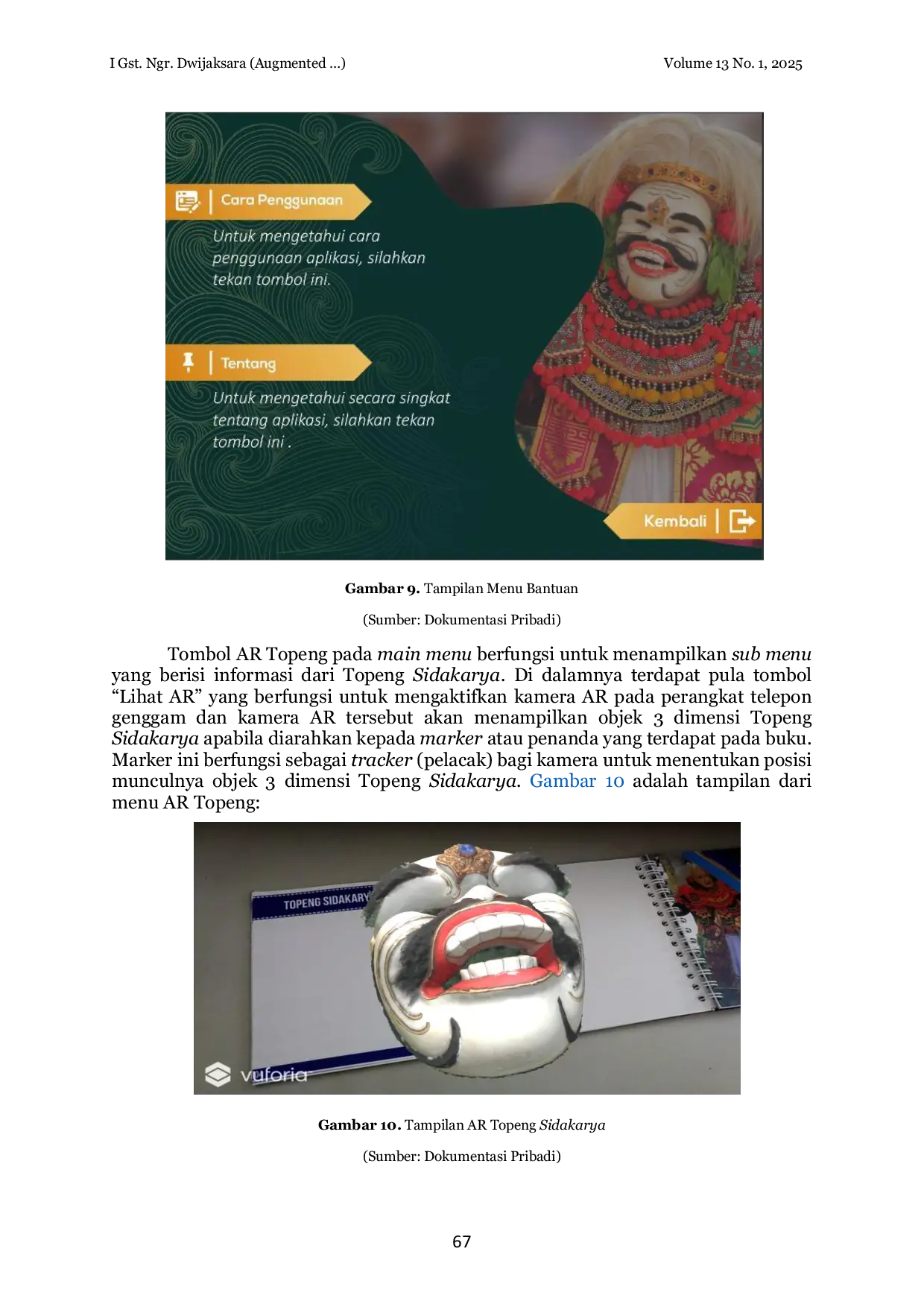
ISI DPSISI DPS Meskipun dikenal luas di Bali, masih banyak hal yang belum diketahui tentang Topeng Sidakarya. Hal ini karena sifatnya yang sakral, di mana pementasannyaMeskipun dikenal luas di Bali, masih banyak hal yang belum diketahui tentang Topeng Sidakarya. Hal ini karena sifatnya yang sakral, di mana pementasannya
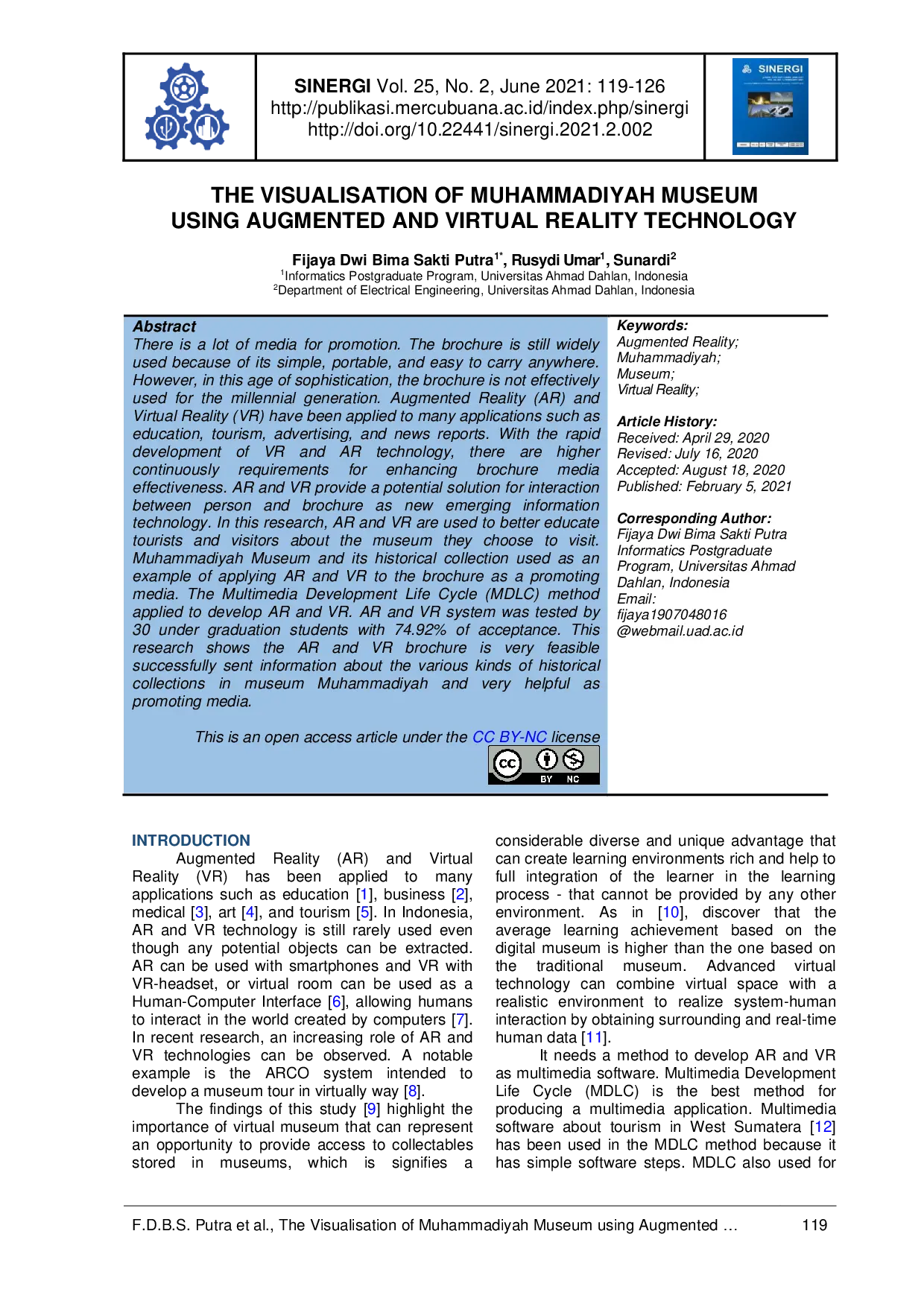
UMBUMB The application was tested using the Black Box Test, Compatibility Test, Marker Detection Test, and SUS with a successful or feasibility rate of 100%,The application was tested using the Black Box Test, Compatibility Test, Marker Detection Test, and SUS with a successful or feasibility rate of 100%,
Useful /
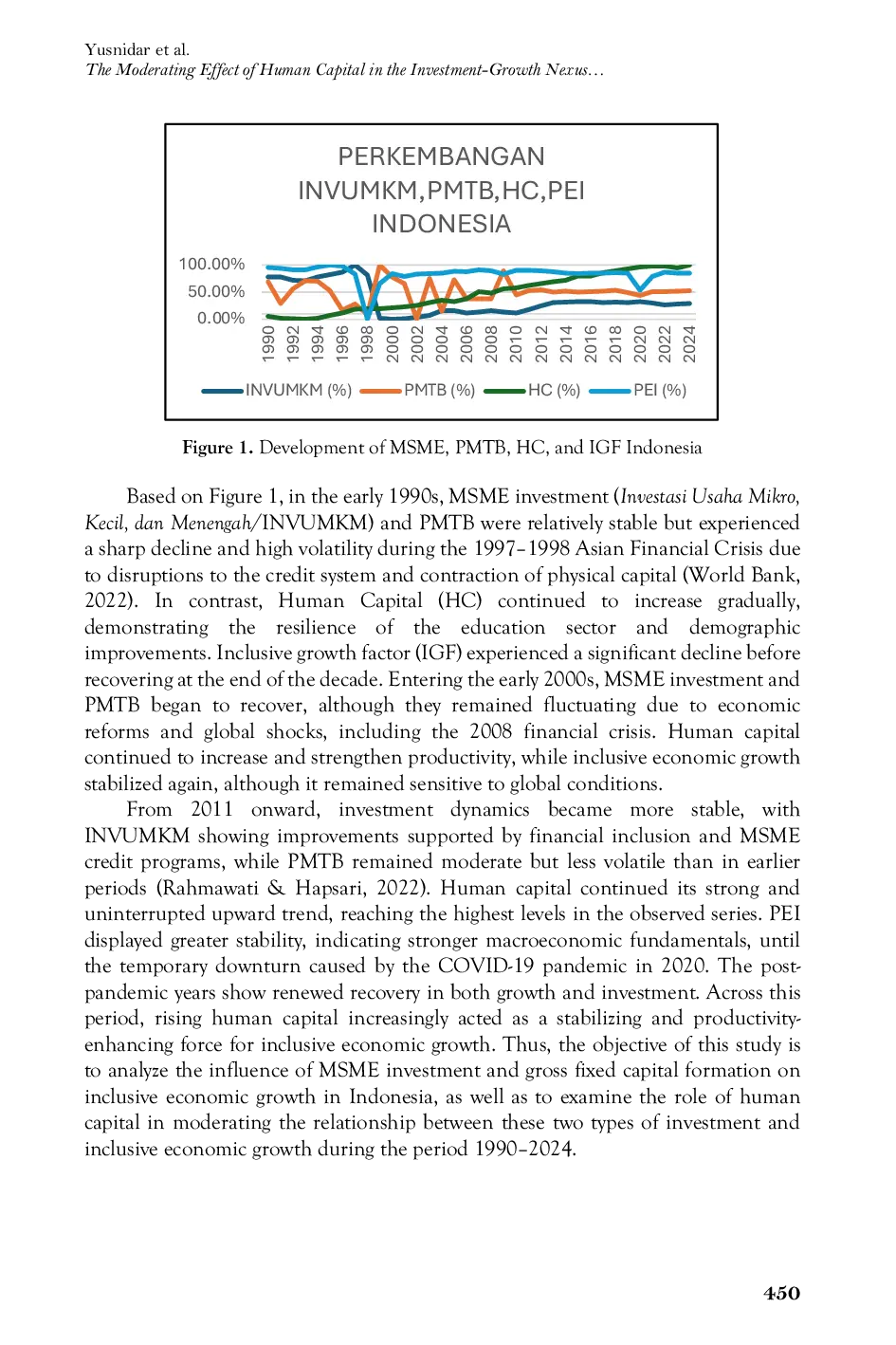
LIFESCIFILIFESCIFI Hasil penelitian menunjukkan bahwa investasi UMKM dan modal manusia memiliki dampak positif yang signifikan terhadap pertumbuhan ekonomi inklusif, sedangkanHasil penelitian menunjukkan bahwa investasi UMKM dan modal manusia memiliki dampak positif yang signifikan terhadap pertumbuhan ekonomi inklusif, sedangkan

IKIPWIDYADARMASURABAYAIKIPWIDYADARMASURABAYA Hal ini tampak perolehan nilai r hitung menunjukkan lebih tinggi atau lebih kuat dari r tabel. Dampak antara variabel XY nilai r hitung r = 0,458 menunjukkanHal ini tampak perolehan nilai r hitung menunjukkan lebih tinggi atau lebih kuat dari r tabel. Dampak antara variabel XY nilai r hitung r = 0,458 menunjukkan
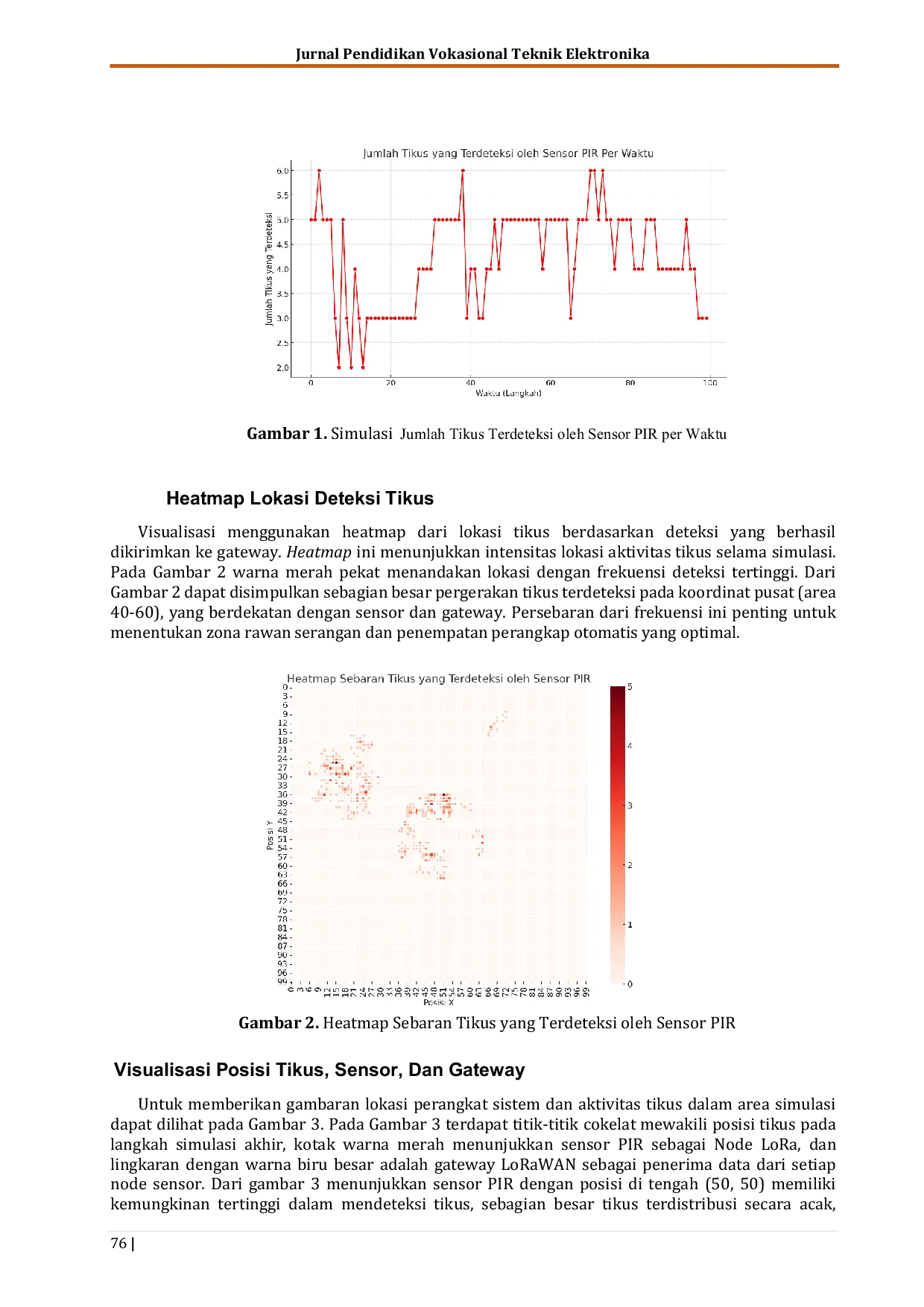
UNJUNJ Penelitian ini membahas simulasi sistem kontrol berbasis Internet of Things (IoT) untuk monitoring dan pengusiran hama tikus di lahan pertanian. MetodePenelitian ini membahas simulasi sistem kontrol berbasis Internet of Things (IoT) untuk monitoring dan pengusiran hama tikus di lahan pertanian. Metode
UINMADURAUINMADURA Sampel dari penelitian ini merupakan karyawan PT. Nada Surya Tunggal sebanyak 110 karyawan. Dari analisis data yang telah dilakukan menunjukkan bahwa:Sampel dari penelitian ini merupakan karyawan PT. Nada Surya Tunggal sebanyak 110 karyawan. Dari analisis data yang telah dilakukan menunjukkan bahwa: