MANDALANURSAMANDALANURSA
JISIP (Jurnal Ilmu Sosial dan Pendidikan)JISIP (Jurnal Ilmu Sosial dan Pendidikan)This study explores how social media contributes to second language acquisition (SLA), focusing on sixth-semester English education students at FBMB UNDIKMA. Using a mixed-methods approach, the research gathered data through surveys and interviews to understand how students interact with English-language content on platforms like YouTube, Instagram, and TikTok. The quantitative results showed a clear connection between how often students used social media and how much they felt their vocabulary and grammar had improved. Meanwhile, the qualitative findings painted a richer picture: students often picked up new vocabulary by accident, became more attuned to grammar use, and felt more motivated to engage with the language. These findings are consistent with well-established SLA theories, such as Krashens Input Hypothesis and Schmidts Noticing Hypothesis, which emphasize the value of exposure and awareness in language learning. Overall, the study suggests that social media, while informal, can effectively complement classroom learning—especially when teachers recognize and incorporate students existing digital habits into their teaching practices.
The study demonstrates that social media serves as a significant source of linguistic input for English education students at FBMB UNDIKMA, contributing to vocabulary acquisition and grammatical awareness.Students reported incidental learning and increased motivation through engagement with authentic English content on platforms like YouTube, Instagram, and TikTok.These findings align with established SLA theories, highlighting the importance of comprehensible input and learner autonomy in language development.
Future research could investigate the specific types of social media content that are most effective for language learning, considering factors like content format, topic, and creator style. Furthermore, studies could explore how teachers can effectively integrate social media into their curricula, developing pedagogical strategies that leverage students existing digital habits and promote critical digital literacy. Finally, longitudinal studies are needed to track the long-term impact of social media use on language proficiency and to examine how these effects vary across different learner populations and contexts, providing a more comprehensive understanding of the role of informal digital learning in second language acquisition. These investigations should aim to provide practical guidance for educators and policymakers seeking to harness the potential of social media to enhance language learning outcomes.
| File size | 255.45 KB |
| Pages | 7 |
| DMCA | Report |
Related /

MANDALANURSAMANDALANURSA Instrumen pengumpulan data meliputi wawancara analisis kebutuhan guru, yang mencakup kurikulum dan sumber belajar, serta kuesioner analisis kebutuhan siswa.Instrumen pengumpulan data meliputi wawancara analisis kebutuhan guru, yang mencakup kurikulum dan sumber belajar, serta kuesioner analisis kebutuhan siswa.

MANDALANURSAMANDALANURSA Biaya operasional yang rendah (utama energi surya gratis) lebih menekankan keberlanjutan dan potensi penggunaan jangka panjangnya. Distiler dengan modulBiaya operasional yang rendah (utama energi surya gratis) lebih menekankan keberlanjutan dan potensi penggunaan jangka panjangnya. Distiler dengan modul

MANDALANURSAMANDALANURSA 9 dan X. 10. Hasil menunjukkan bahwa Project Based Learning secara signifikan lebih efektif daripada metode konvensional dalam memperkuat Profil Pelajar9 dan X. 10. Hasil menunjukkan bahwa Project Based Learning secara signifikan lebih efektif daripada metode konvensional dalam memperkuat Profil Pelajar

MANDALANURSAMANDALANURSA Simbol ini berbicara tentang lima poin penting, yaitu kewaspadaan, kemampuan menghadapi masalah, kemampuan bertahan, kemampuan menghindari masalah, danSimbol ini berbicara tentang lima poin penting, yaitu kewaspadaan, kemampuan menghadapi masalah, kemampuan bertahan, kemampuan menghindari masalah, dan

MANDALANURSAMANDALANURSA Penelitian ini bertujuan untuk menganalisis efektivitas model Project-Based Learning (PjBL) dalam meningkatkan hasil belajar, minat belajar, dan implementasiPenelitian ini bertujuan untuk menganalisis efektivitas model Project-Based Learning (PjBL) dalam meningkatkan hasil belajar, minat belajar, dan implementasi

MANDALANURSAMANDALANURSA Beberapa mahasiswa (32%) mengalami kesulitan teknis seperti konektivitas internet yang buruk dan akses terbatas ke perangkat digital, yang menghambat partisipasiBeberapa mahasiswa (32%) mengalami kesulitan teknis seperti konektivitas internet yang buruk dan akses terbatas ke perangkat digital, yang menghambat partisipasi
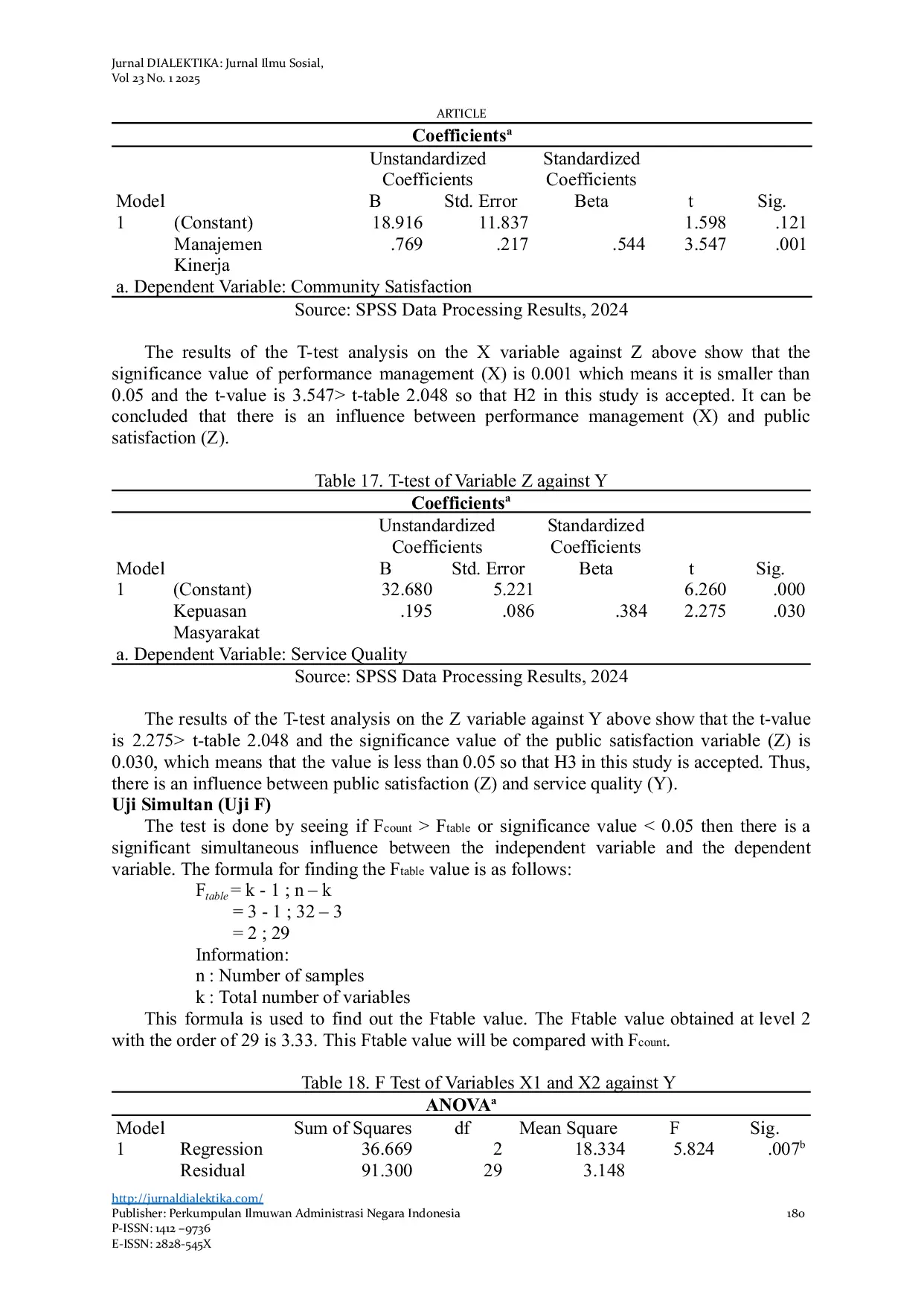
JURNALDIALEKTIKAJURNALDIALEKTIKA Penelitian dilakukan di Dinas Kependudukan dan Pencatatan Sipil Kabupaten Deli Serdang. Populasi penelitian ini adalah pegawai Dinas Kependudukan dan PencatatanPenelitian dilakukan di Dinas Kependudukan dan Pencatatan Sipil Kabupaten Deli Serdang. Populasi penelitian ini adalah pegawai Dinas Kependudukan dan Pencatatan

UNTAGUNTAG Penerapan e-retribusi di Pasar Jerakah juga menunjukkan hasil serupa, dengan nilai CCER yang menurun dan nilai CPI yang meningkat dari tahun 2018 ke 2020,Penerapan e-retribusi di Pasar Jerakah juga menunjukkan hasil serupa, dengan nilai CCER yang menurun dan nilai CPI yang meningkat dari tahun 2018 ke 2020,
Useful /

JIEMAPJIEMAP Penelitian ini menegaskan perlunya peningkatan literasi perpajakan, penguatan kelembagaan, dan konsistensi penegakan aturan agar pajak restoran dapat berperanPenelitian ini menegaskan perlunya peningkatan literasi perpajakan, penguatan kelembagaan, dan konsistensi penegakan aturan agar pajak restoran dapat berperan

MANDALANURSAMANDALANURSA Penelitian ini bertujuan untuk menentukan bagaimana sistem pendidikan era digital di kantor dinas pendidikan kabupaten Bandung Barat melalui studi tataPenelitian ini bertujuan untuk menentukan bagaimana sistem pendidikan era digital di kantor dinas pendidikan kabupaten Bandung Barat melalui studi tata
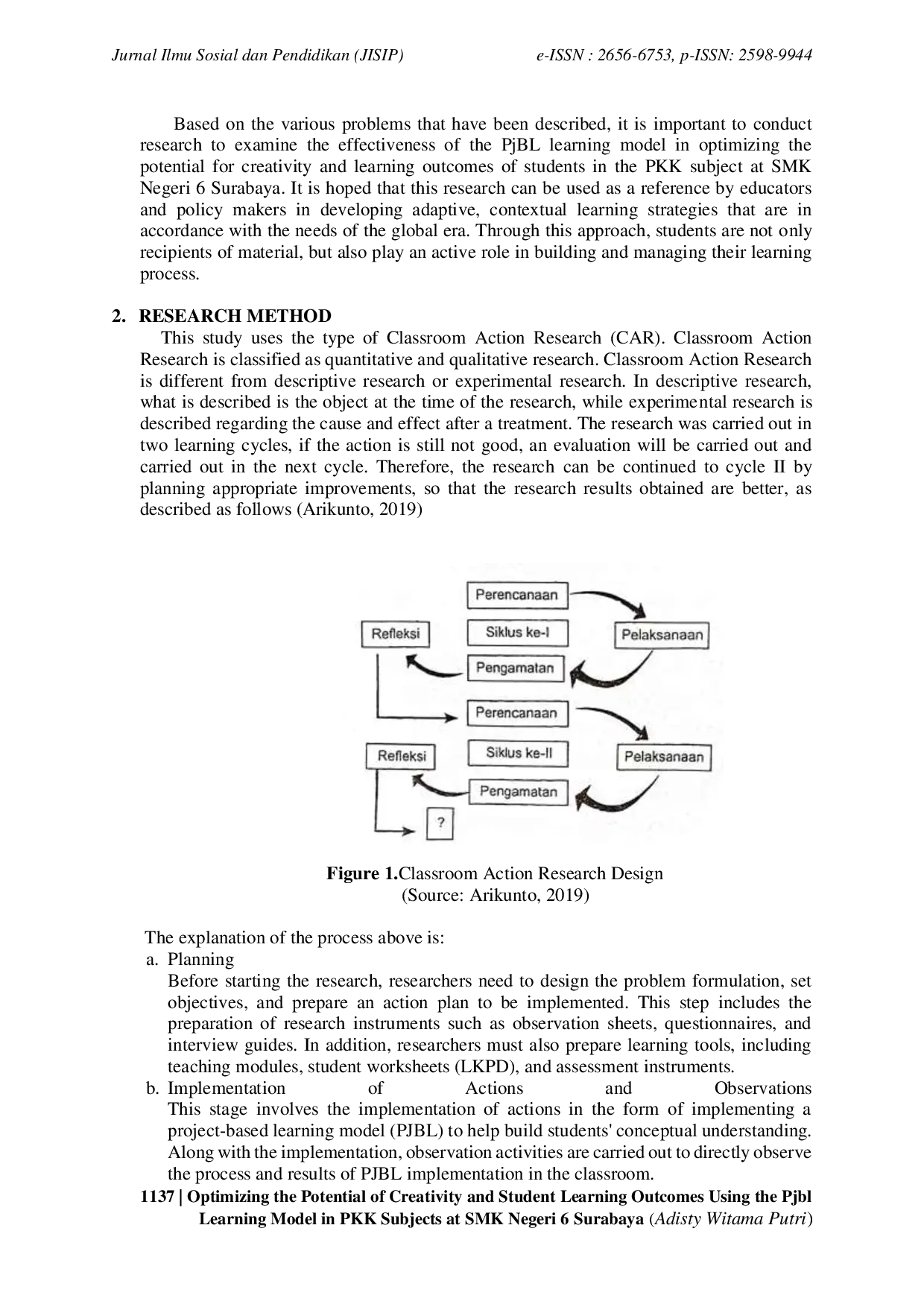
MANDALANURSAMANDALANURSA Penelitian ini dilakukan untuk menganalisis optimasi potensi kreativitas dan hasil belajar siswa pada mata pelajaran PKK. Metode yang digunakan adalahPenelitian ini dilakukan untuk menganalisis optimasi potensi kreativitas dan hasil belajar siswa pada mata pelajaran PKK. Metode yang digunakan adalah

MANDALANURSAMANDALANURSA Implementasi konsep Smart City di Kota Bandung masih menghadapi berbagai hambatan, seperti komunikasi yang tidak merata, sumber daya yang tidak mencukupi,Implementasi konsep Smart City di Kota Bandung masih menghadapi berbagai hambatan, seperti komunikasi yang tidak merata, sumber daya yang tidak mencukupi,