ASIAASIA
Jurnal Pengabdian MasyarakatJurnal Pengabdian MasyarakatThis community service aimed to address the low proficiency in Quranic reading among students at NU Palangka Raya Middle School, particularly their inability to recognize and pronounce hijaiyah letters correctly. The study focused on improving Al-Quran literacy by facilitating effective learning of the hijaiyah alphabet using the Tilawati method, which is essential for proper tajwid application. A Participatory Action Research (PAR) approach was employed, involving five stages: problem identification, joint planning, implementation, evaluation, and follow-up. The intervention targeted Class IX students during PAI (Islamic Religious Education) lessons and utilized the Tilawati method with the rost tone to teach hijaiyah letters through rhythmic and engaging recitation techniques. The program significantly increased student enthusiasm and participation, leading to improved recognition and pronunciation of hijaiyah letters. Teachers observed enhanced engagement and retention, indicating that the Tilawati method can be effectively integrated into regular classroom instruction to make Quranic learning more enjoyable and accessible.
The implementation of the Tilawati method through a collaborative PAR framework successfully improved students foundational Quranic reading skills.This approach not only strengthened religious education but also provided a replicable model for enhancing Al-Quran literacy in similar educational contexts.The program fostered a positive attitude toward Al-Quran literacy and increased student enthusiasm, demonstrating the effectiveness of combining pedagogical innovation with community-based learning.
Further research should investigate the long-term effects of the Tilawati method on students Quranic literacy and religious engagement. Additionally, exploring the potential of integrating digital tools and platforms into the Tilawati learning process could broaden its reach and accessibility, particularly for students in remote areas. Finally, a comparative study examining the effectiveness of the Tilawati method alongside other established Quranic literacy approaches, such as Ummi or Iqra, would provide valuable insights for optimizing pedagogical strategies and tailoring interventions to diverse learning needs. These investigations should consider the role of parental involvement and community support in sustaining improvements in Al-Quran literacy, ultimately contributing to a more holistic and impactful approach to religious education in Indonesia. This will help to create a more comprehensive understanding of how to best support students in their journey to becoming proficient and engaged readers of the Quran, fostering a deeper connection with their faith and culture.
- Pengenalan Huruf Hijaiyah Menggunakan Nyanyian Dalam Metode Tilawati PAUD Di Taam Nurul Barokah Cisayong... doi.org/10.30587/jieec.v6i2.7249Pengenalan Huruf Hijaiyah Menggunakan Nyanyian Dalam Metode Tilawati PAUD Di Taam Nurul Barokah Cisayong doi 10 30587 jieec v6i2 7249
- Pendampingan Metode Tilawati dalam Melafazkan Huruf Hijaiyah untuk Meningkatkan Kemampuan Membaca Al-Qur’an... ejurnal.iainpare.ac.id/index.php/makkareso/article/view/7529Pendampingan Metode Tilawati dalam Melafazkan Huruf Hijaiyah untuk Meningkatkan Kemampuan Membaca Al QurAoan ejurnal iainpare ac index php makkareso article view 7529
| File size | 296.85 KB |
| Pages | 7 |
| DMCA | Report |
Related /
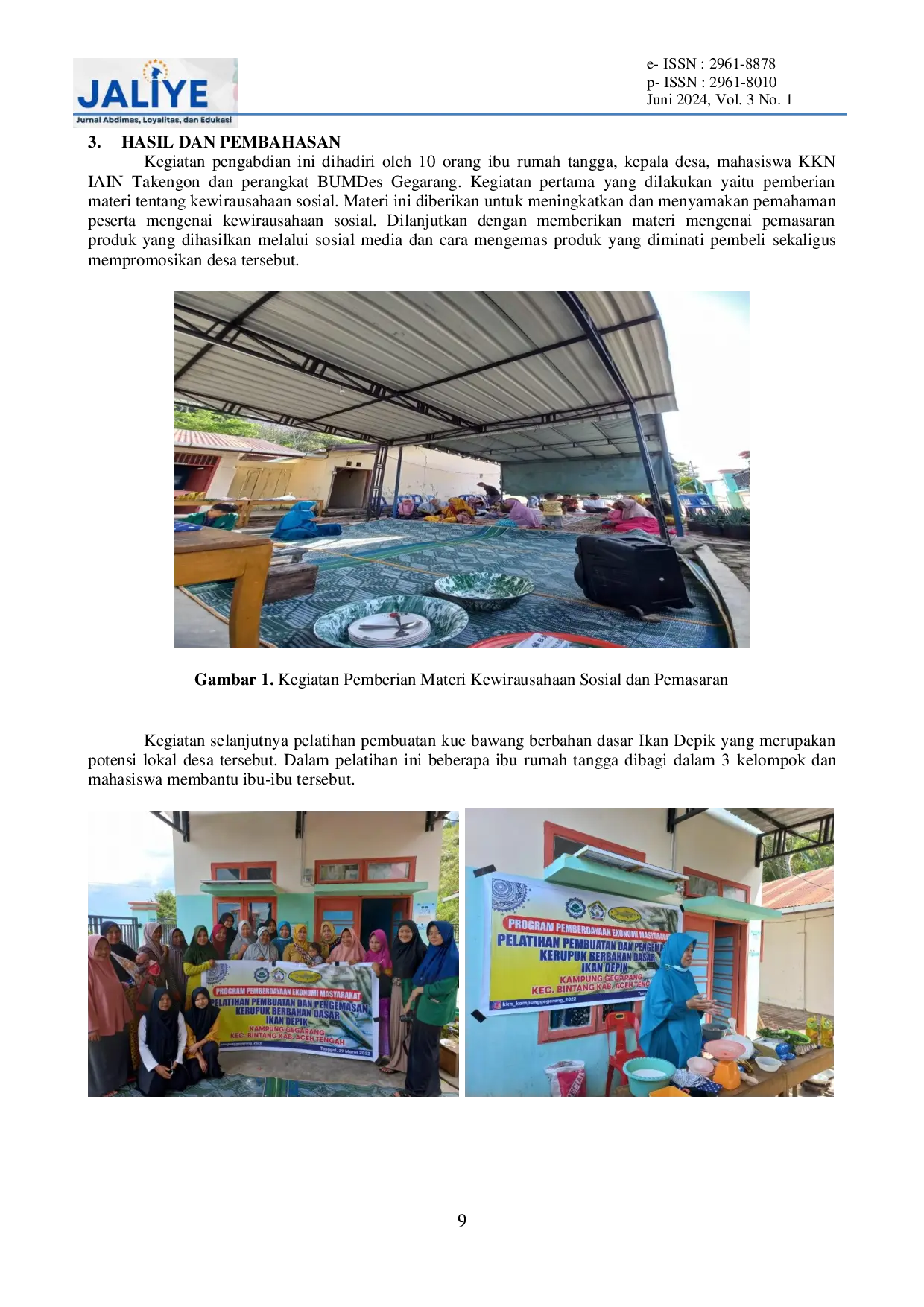
UNIVAUNIVA Hasil dari kegiatan pengabdian ini menunjukkan bahwa (1) peserta memiliki pemahaman tentang kewirausahaan sosial dan pemasaran, (2) peserta berhasil menerapkanHasil dari kegiatan pengabdian ini menunjukkan bahwa (1) peserta memiliki pemahaman tentang kewirausahaan sosial dan pemasaran, (2) peserta berhasil menerapkan

UNIVAUNIVA Pengabdian kepada masyarakat ini berjudul Pesantren Kilat Ramadhan Remaja Mesjid Gabungan 7 Desa (Amburidi, Rih Tengah, T. Marahe, Ujung Deleng, LiangPengabdian kepada masyarakat ini berjudul Pesantren Kilat Ramadhan Remaja Mesjid Gabungan 7 Desa (Amburidi, Rih Tengah, T. Marahe, Ujung Deleng, Liang

USNIUSNI Dengan adanya aplikasi ini, diharapkan dapat membantu menjembatani komunikasi antara penyandang disabilitas dengan masyarakat umum melalui teknologi yangDengan adanya aplikasi ini, diharapkan dapat membantu menjembatani komunikasi antara penyandang disabilitas dengan masyarakat umum melalui teknologi yang
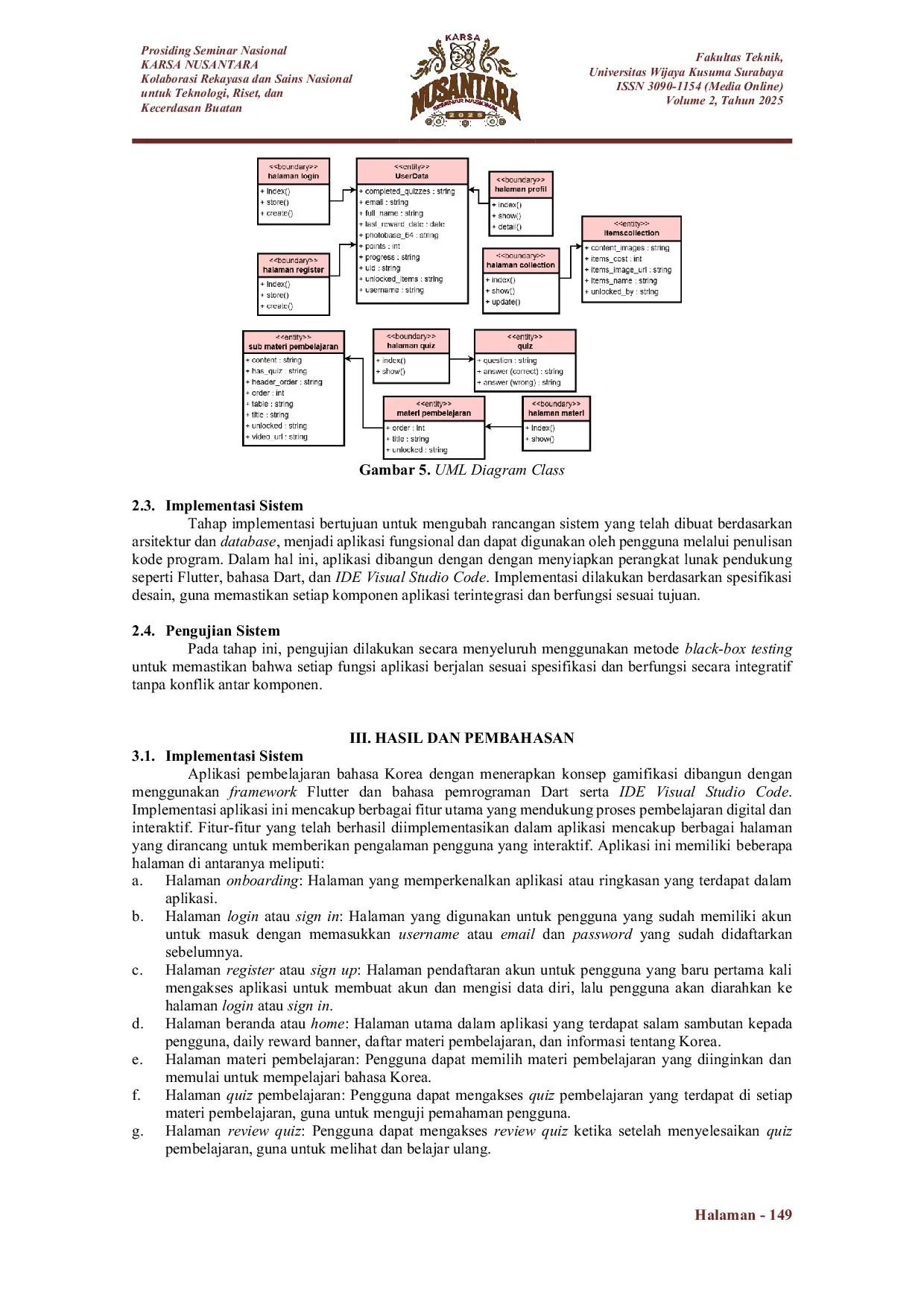
UWKSUWKS Namun, metode pembelajaran konvensional sering dianggap kurang menarik dan kurang fleksibel, sementara media pembelajaran online cenderung terbatas padaNamun, metode pembelajaran konvensional sering dianggap kurang menarik dan kurang fleksibel, sementara media pembelajaran online cenderung terbatas pada
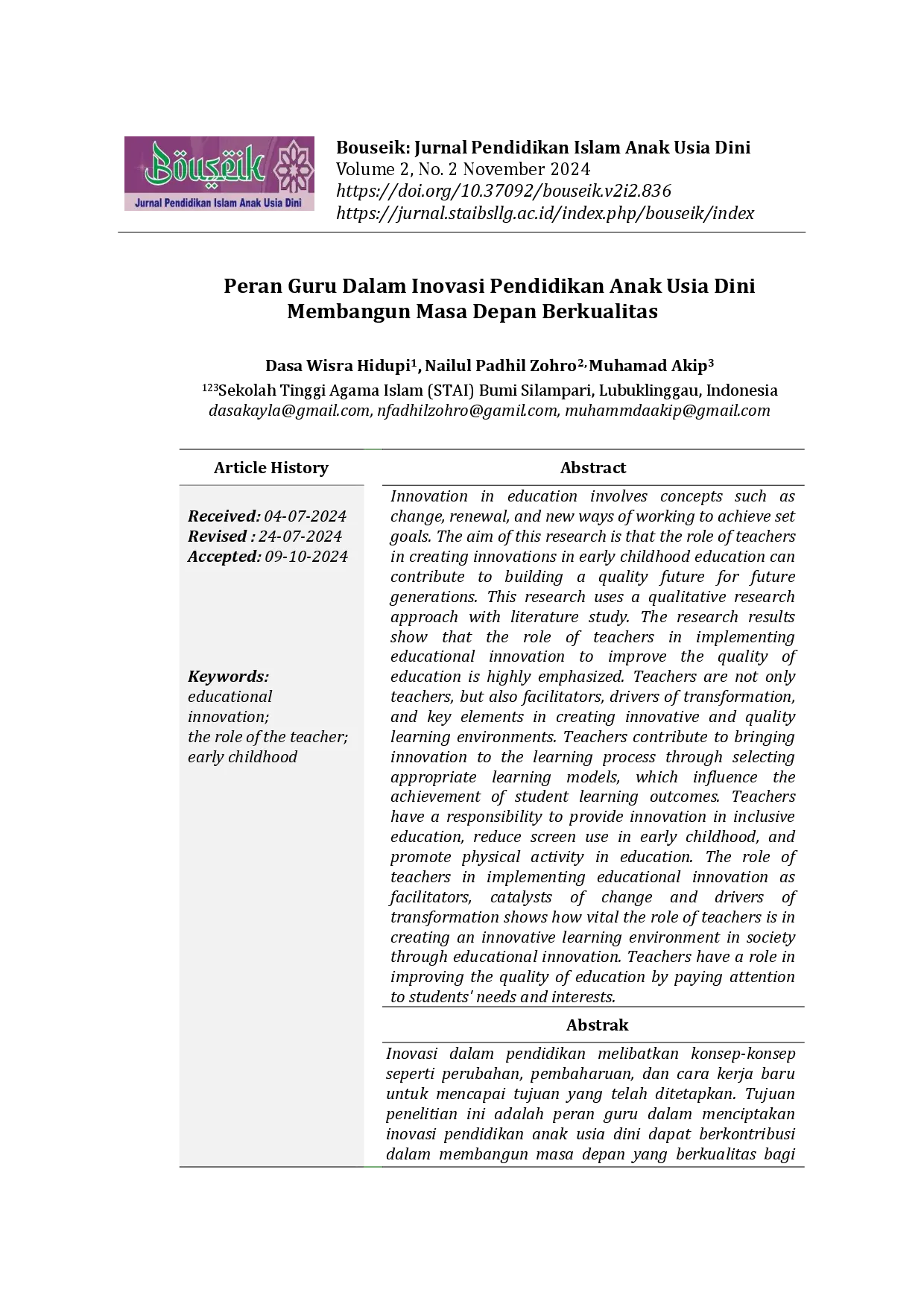
STAIBSLLGSTAIBSLLG Peran guru mencapai kesuksesan sebuah lembaga pendidikan sangat penting dan beragam, termasuk sebagai pendidik, fasilitator, motivator, penasehat, danPeran guru mencapai kesuksesan sebuah lembaga pendidikan sangat penting dan beragam, termasuk sebagai pendidik, fasilitator, motivator, penasehat, dan

UNIVAUNIVA Metode pelaksanaan meliputi penyampaian materi, diskusi, dan evaluasi keberhasilan kegiatan. Hasilnya menunjukkan bahwa pendampingan belajar bahasa InggrisMetode pelaksanaan meliputi penyampaian materi, diskusi, dan evaluasi keberhasilan kegiatan. Hasilnya menunjukkan bahwa pendampingan belajar bahasa Inggris

UNIVAUNIVA Data dianalisis menggunakan metode k-means clustering menggunakan aplikasi XLSTAT. Pelatihan pengklasteran dengan menggunakan metode k-means diharapkanData dianalisis menggunakan metode k-means clustering menggunakan aplikasi XLSTAT. Pelatihan pengklasteran dengan menggunakan metode k-means diharapkan
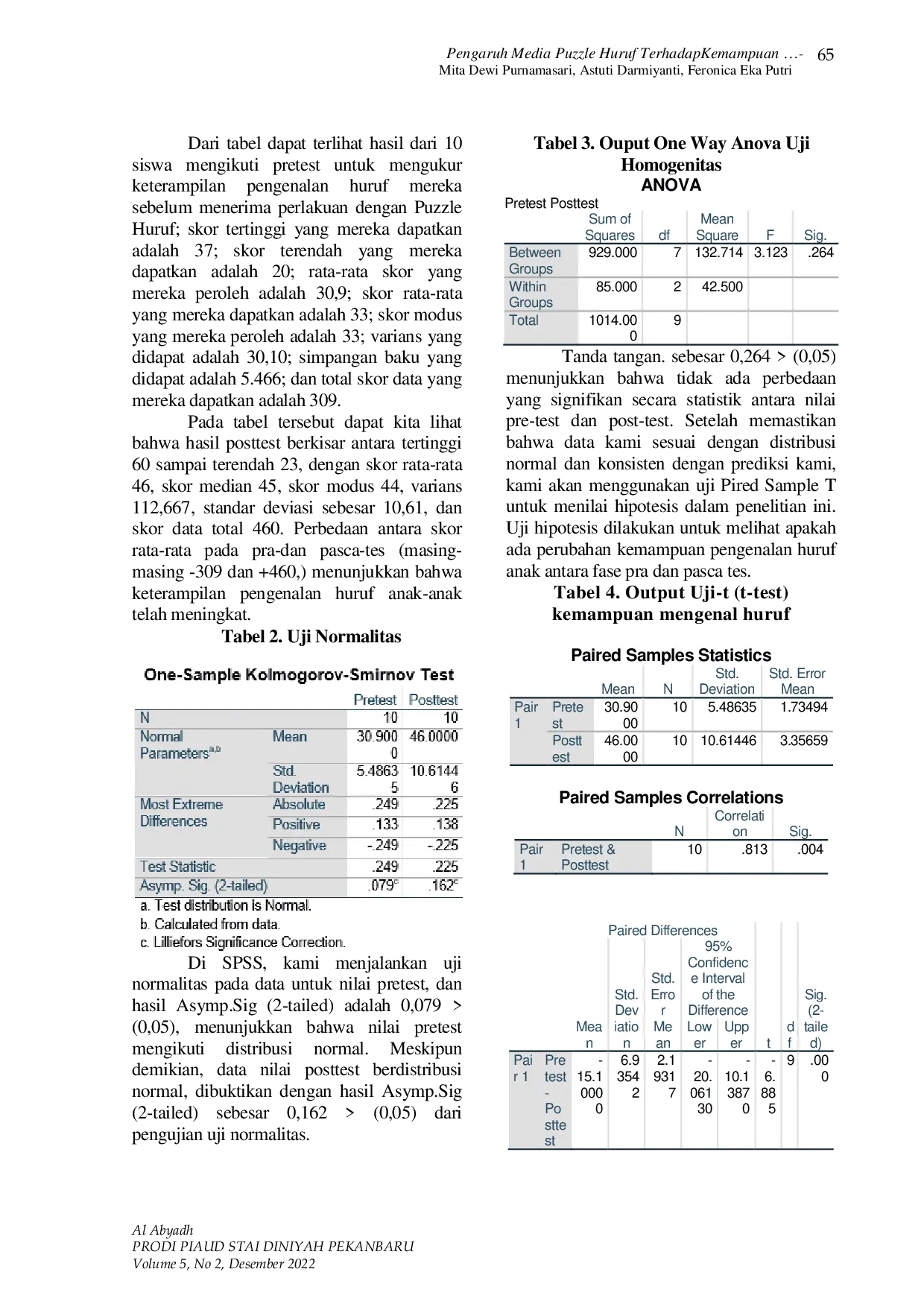
DINIYAHDINIYAH Hal ini dibuktikan dengan hasil uji-t yang menunjukkan perbedaan rata-rata yang signifikan antara pretest dan posttest. Dengan demikian, penggunaan mediaHal ini dibuktikan dengan hasil uji-t yang menunjukkan perbedaan rata-rata yang signifikan antara pretest dan posttest. Dengan demikian, penggunaan media
Useful /
UWKSUWKS Penelitian ini bertujuan untuk mengembangkan sistem Pencarian Makna kata dalam tafsir Al-Quran digital dengan menerapkan pendekatan analisis semantik.Penelitian ini bertujuan untuk mengembangkan sistem Pencarian Makna kata dalam tafsir Al-Quran digital dengan menerapkan pendekatan analisis semantik.
UWKSUWKS Penelitian ini berhasil merancang sistem informasi manajemen laundry berbasis web yang terintegrasi dengan fitur pelacakan status cucian, notifikasi otomatisPenelitian ini berhasil merancang sistem informasi manajemen laundry berbasis web yang terintegrasi dengan fitur pelacakan status cucian, notifikasi otomatis
UWKSUWKS Selain itu, pendekatan federated learning juga menunjukkan potensi besar untuk mengatasi masalah terkait privasi data dan skalabilitas, memungkinkan pelatihanSelain itu, pendekatan federated learning juga menunjukkan potensi besar untuk mengatasi masalah terkait privasi data dan skalabilitas, memungkinkan pelatihan
PROSPECTPUBLISHINGPROSPECTPUBLISHING Dampak perubahan iklim, seperti kenaikan suhu ekstrem dan cuaca yang tidak stabil, memengaruhi sektor pertanian yang menjadi sumber mata pencaharian utama.Dampak perubahan iklim, seperti kenaikan suhu ekstrem dan cuaca yang tidak stabil, memengaruhi sektor pertanian yang menjadi sumber mata pencaharian utama.