STT KADESISTT KADESI
Jurnal Pendidikan Agama Kristen (JUPAK)Jurnal Pendidikan Agama Kristen (JUPAK)This study examines the application of constructivist pedagogy within Christian Religious Education at Sekolah Tinggi Teologi Paulus Jakarta. Constructivism, rooted in the work of Jean Piaget and Lev Vygotsky, posits that knowledge is actively built by learners through experience, reflection, and social interaction rather than passively transferred from instructors. In theological education, this shift reframes lecturers as facilitators who scaffold students personal and communal engagement with Scripture and Christian doctrine. Employing a qualitative descriptive design that integrates literature review, non-participant observation, and semi-structured interviews with lecturers and students, the study finds that constructivist practices at STT Paulus Jakarta promote higher-order thinking, contextual biblical interpretation, and collaborative learning. Notwithstanding these benefits, challenges persist in lecturer readiness, student self-regulation, and resource availability. The paper argues that constructivism is both relevant and effective for Christian education, provided it is supported by institutional commitment to professional development and pedagogical innovation.
The application of the constructivist method in Christian Religious Education (CRE) at Paulus Theological Seminary Jakarta is not merely a pedagogical strategy but a paradigm shift that transforms learning from a monological tradition into a dialogical one.This paradigm emphasizes that theological knowledge and Christian faith are not only transmitted through lectures but are actively constructed through reflection, dialogue, ministry experience, and communal interaction.Ultimately, this study is expected to contribute significantly to the development of Christian education theory and practice in Indonesia.
Berdasarkan penelitian ini, terdapat beberapa saran penelitian lanjutan yang dapat dikembangkan. Pertama, perlu dilakukan studi komparatif mengenai implementasi konstruktivisme di seminari-seminari Kristen lainnya di Indonesia untuk mengidentifikasi praktik terbaik dan tantangan yang dihadapi. Kedua, penelitian lebih mendalam mengenai dampak konstruktivisme terhadap spiritualitas mahasiswa akan memberikan pemahaman yang lebih komprehensif tentang bagaimana pendekatan pembelajaran ini memengaruhi perkembangan iman dan karakter. Ketiga, eksplorasi integrasi teknologi digital dalam pendidikan agama Kristen secara konstruktivis dapat membuka peluang inovasi pembelajaran yang lebih menarik dan relevan dengan kebutuhan mahasiswa di era digital. Dengan demikian, diharapkan pendidikan teologi dapat terus beradaptasi dan menghasilkan lulusan yang tidak hanya kompeten secara akademis, tetapi juga memiliki komitmen yang kuat terhadap pelayanan dan transformasi sosial.
| File size | 751.47 KB |
| Pages | 12 |
| DMCA | Report |
Related /

STIT BUNTETPESANTRENSTIT BUNTETPESANTREN Dalam proses pembelajaran di SMK PUI Cikijing, guru-guru PAI sudah menerapkan keterampilan-keterampilan dasar mengajar dengan baik, namun dalam aspek keterampilanDalam proses pembelajaran di SMK PUI Cikijing, guru-guru PAI sudah menerapkan keterampilan-keterampilan dasar mengajar dengan baik, namun dalam aspek keterampilan

UM SURABAYAUM SURABAYA Hasil dari studi literatur diperoleh bahwa teori Piaget yang diterapkan dalam pembelajaran matematika pada materi operasi penjumlahan dengan menggunakanHasil dari studi literatur diperoleh bahwa teori Piaget yang diterapkan dalam pembelajaran matematika pada materi operasi penjumlahan dengan menggunakan

UNWUNW Penelitian ini menyimpulkan bahwa pembelajaran yang disesuaikan dengan gaya belajar dan karakteristik jenis kelamin dapat meningkatkan pemahaman kemampuanPenelitian ini menyimpulkan bahwa pembelajaran yang disesuaikan dengan gaya belajar dan karakteristik jenis kelamin dapat meningkatkan pemahaman kemampuan

PSPINDONESIAPSPINDONESIA Keseluruhan teladan tersebut menegaskan relevansi strategi teologi Paulus bagi pemimpin Kristen masa kini, yakni membangun kepemimpinan yang berintegritas,Keseluruhan teladan tersebut menegaskan relevansi strategi teologi Paulus bagi pemimpin Kristen masa kini, yakni membangun kepemimpinan yang berintegritas,
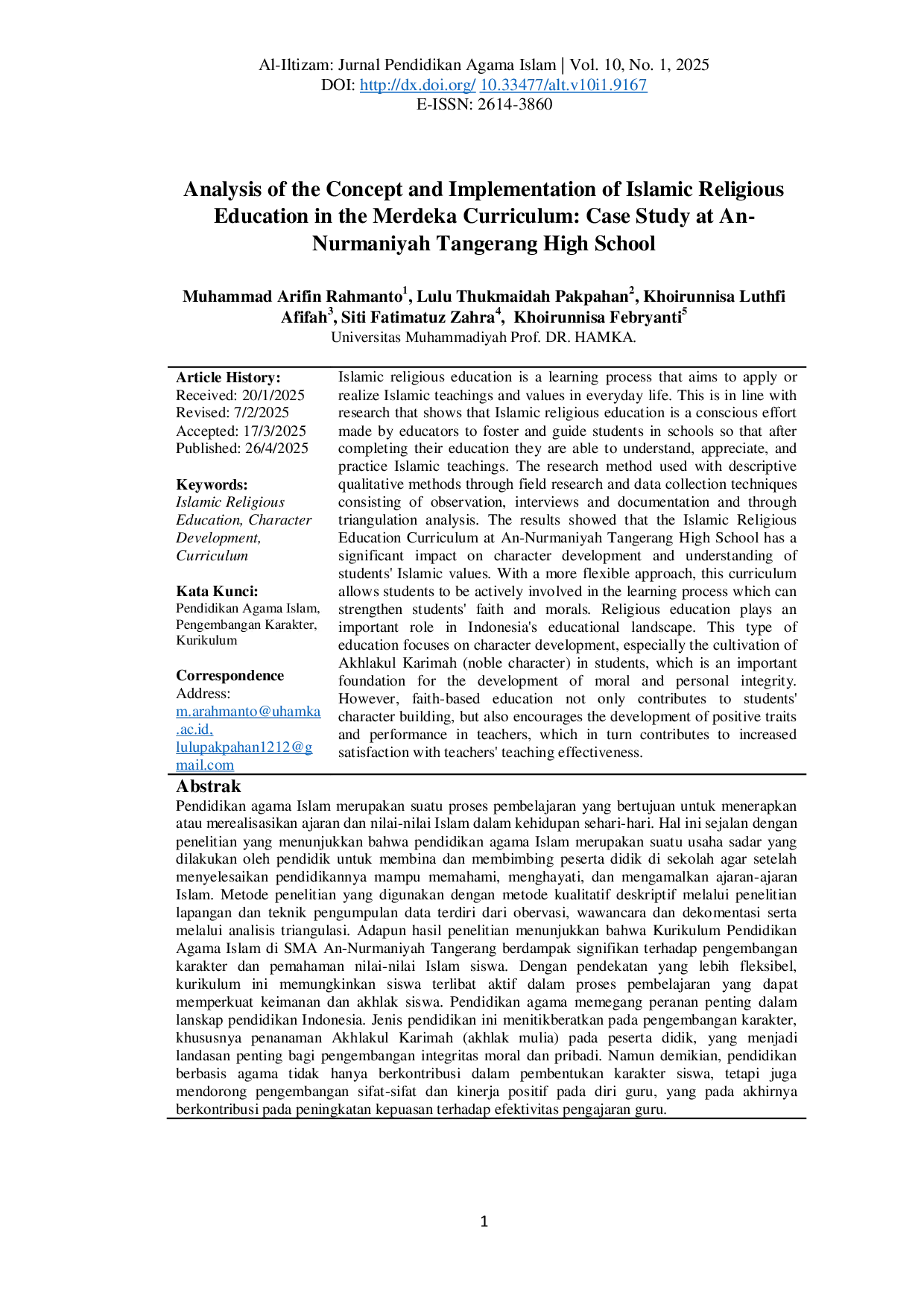
IAINAMBONIAINAMBON Dengan pendekatan yang lebih fleksibel, kurikulum ini memungkinkan siswa terlibat aktif dalam proses pembelajaran yang dapat memperkuat keimanan dan akhlakDengan pendekatan yang lebih fleksibel, kurikulum ini memungkinkan siswa terlibat aktif dalam proses pembelajaran yang dapat memperkuat keimanan dan akhlak
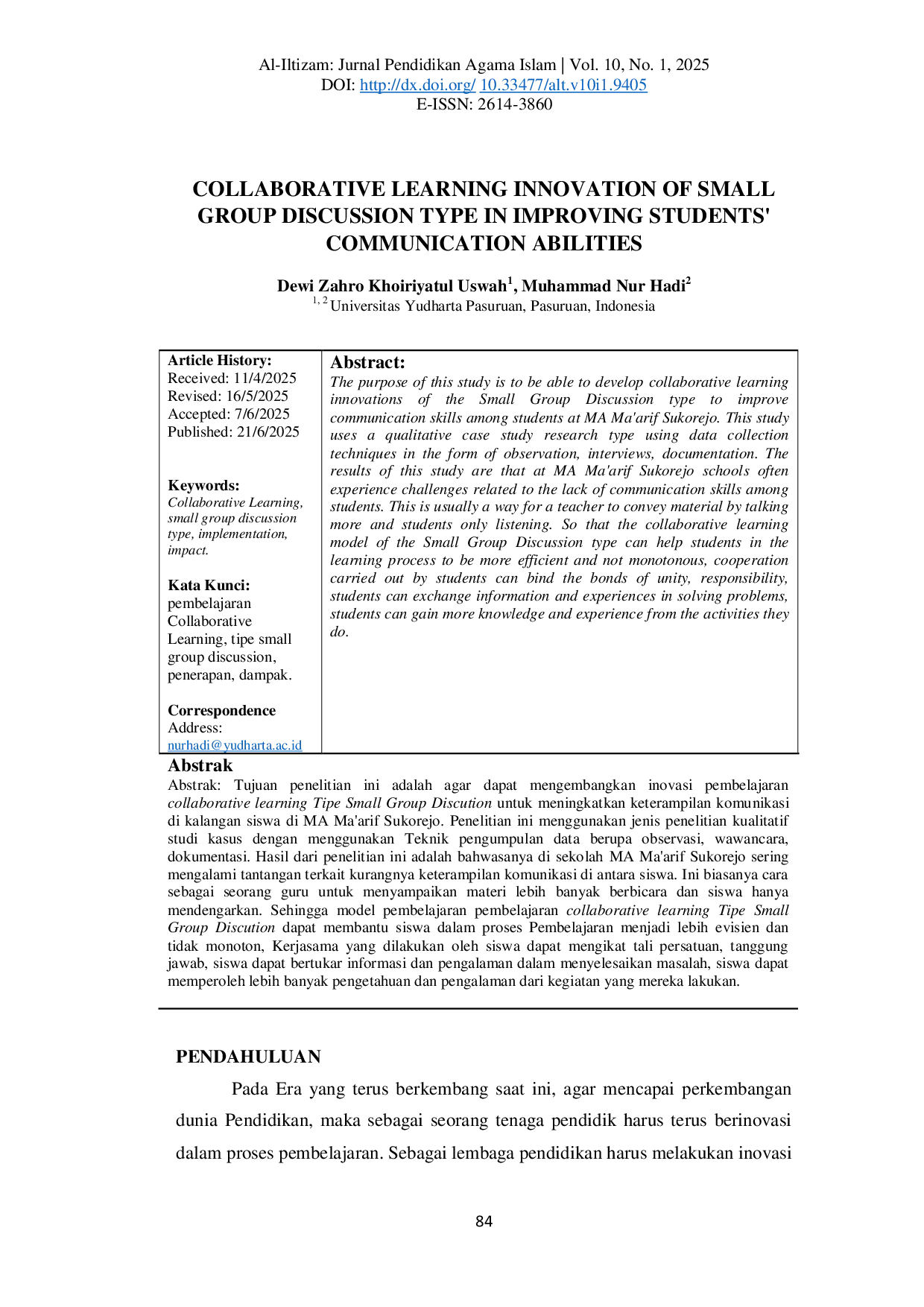
IAINAMBONIAINAMBON Penelitian ini menunjukkan bahwa penerapan model collaborative learning tipe small group discussion dalam pembelajaran dapat meningkatkan keterampilanPenelitian ini menunjukkan bahwa penerapan model collaborative learning tipe small group discussion dalam pembelajaran dapat meningkatkan keterampilan

IAIN MADURAIAIN MADURA This research explores the alignment and divergence of the principles of Mapalus with legal and ethical Islamic frameworks, contributing to integratingThis research explores the alignment and divergence of the principles of Mapalus with legal and ethical Islamic frameworks, contributing to integrating
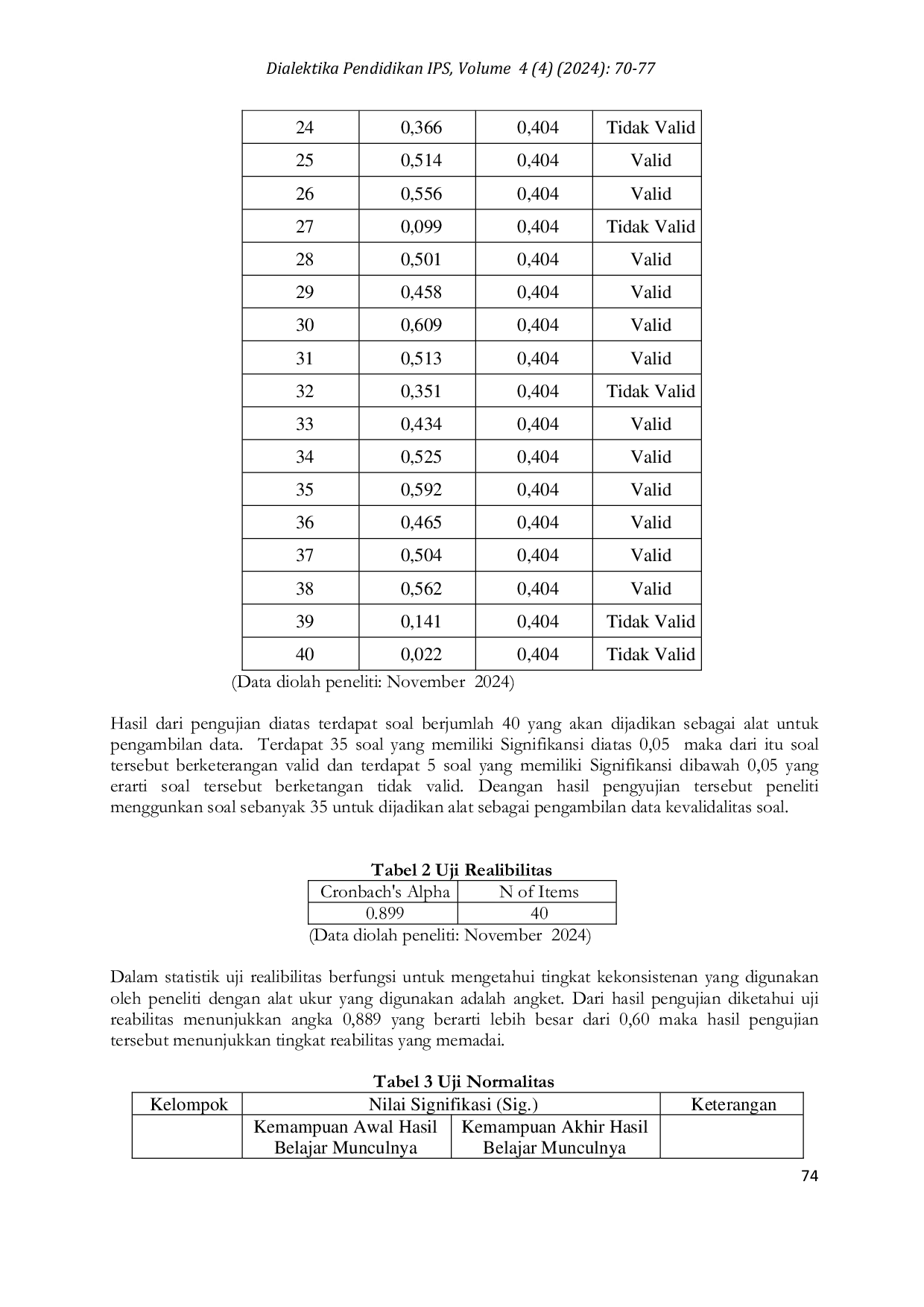
UNESAUNESA Penelitian ini menyimpulkan bahwa penerapan model pembelajaran ex-situ (problem based learning) dengan kemampuan literasi baca tulis memberikan hasil yangPenelitian ini menyimpulkan bahwa penerapan model pembelajaran ex-situ (problem based learning) dengan kemampuan literasi baca tulis memberikan hasil yang
Useful /
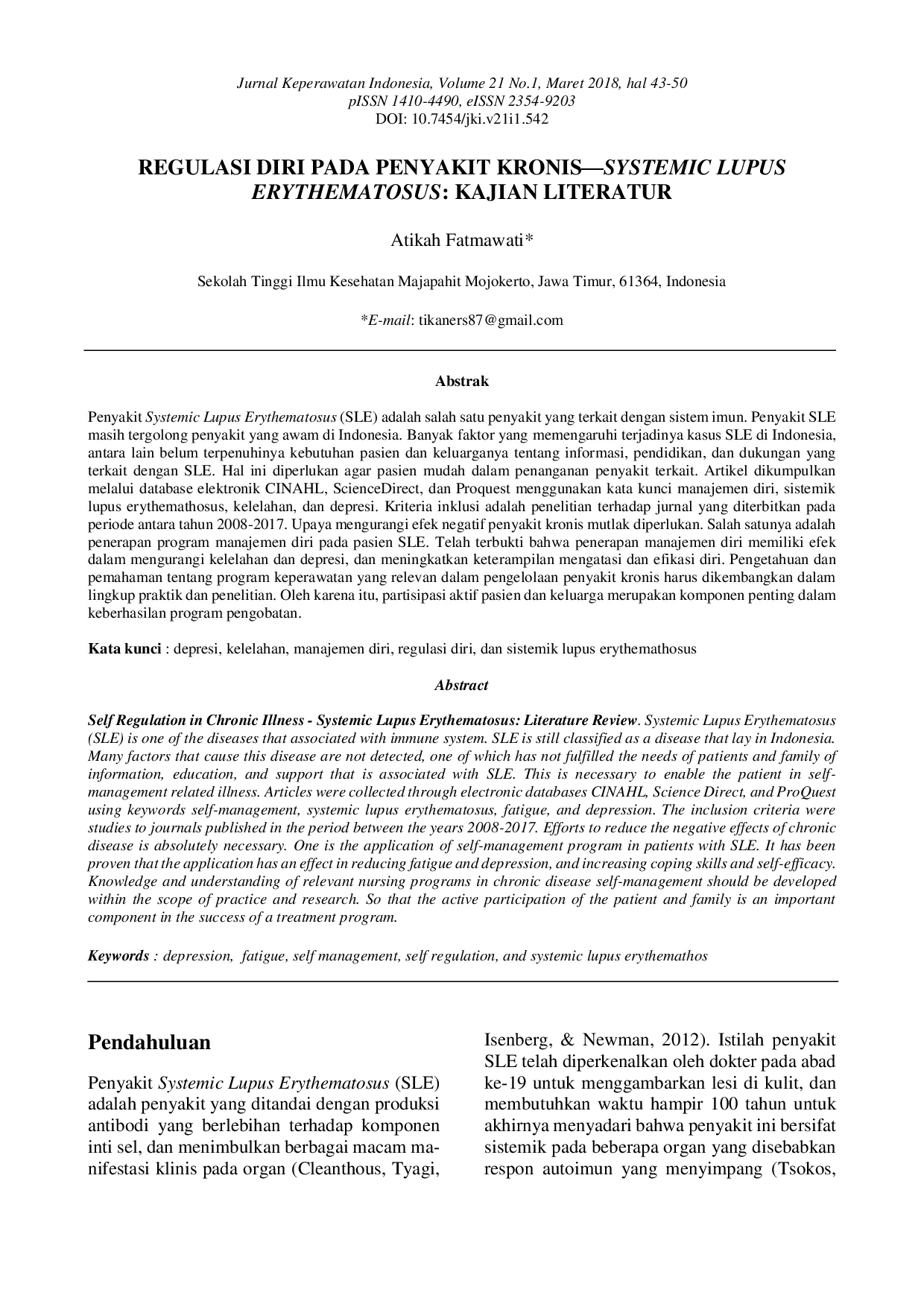
CERICCERIC Pengetahuan dan pemahaman tentang program keperawatan yang relevan dalam pengelolaan penyakit kronis harus dikembangkan dalam lingkup praktik dan penelitian.Pengetahuan dan pemahaman tentang program keperawatan yang relevan dalam pengelolaan penyakit kronis harus dikembangkan dalam lingkup praktik dan penelitian.

IAIN MADURAIAIN MADURA Hal ini terutama karena, dari perspektif Weber, pemahaman seseorang akan memengaruhi tindakan sosialnya secara rasional. Pemahaman moderat tentang hukumHal ini terutama karena, dari perspektif Weber, pemahaman seseorang akan memengaruhi tindakan sosialnya secara rasional. Pemahaman moderat tentang hukum

STIT BUNTETPESANTRENSTIT BUNTETPESANTREN Menggaris bawahi tentang pentingnya profesionalitas guru melalui capaian kompetensi yang harus dimiliki oleh seorang guru dalam menjalankan tugas nya sebagaiMenggaris bawahi tentang pentingnya profesionalitas guru melalui capaian kompetensi yang harus dimiliki oleh seorang guru dalam menjalankan tugas nya sebagai

CERICCERIC Desain penilitian quasi eksperiment pre-post test with control group dengan 96 sampel secara purposive sampling, 48 kelompok intervensi dan 48 kelompokDesain penilitian quasi eksperiment pre-post test with control group dengan 96 sampel secara purposive sampling, 48 kelompok intervensi dan 48 kelompok