SERAMBI MEKKAHSERAMBI MEKKAH
Proceedings of International Conference on Multidiciplinary ResearchProceedings of International Conference on Multidiciplinary ResearchThis study investigates the most difficult parts in listening comprehension test faced by undergraduate students from Universitas Teuku Umar. The subject was 30 students who have taken the TOEFL test more than three times. The study used descriptive qualitative research. The data were taken from students TOEFL score and interview. This study focused on 13 aspects of short dialogues (synonym, similar sound, Who, What and Where, Passive, Negative Expression, Double Negative, Negative with Comparative, “Almost Negative, Expression of Surprise, Expression of Agreement, Uncertainty and Suggestion, Wishes and Untrue Condition, Idiomatic Expression) which adopted from Longman Complete Course for the TOEFL Test. The result found that the most difficult aspects in listening comprehension of short dialogue test were similar sound, uncertainty and suggestion, idiom words, and synonym. It was revealed that the most difficult aspect in listening Part A (short dialogue) is similar sound that was proven from students incorrect answer (97%), only 3% of them answered correctly, followed by Uncertainty and Suggestion (94%) and idiom words (94%), only 2% of students answered correctly from each of the aspect, and synonym (90%), 3% of them chose the right answers. The result of interview found that most of them got unfamiliar with the sound, lack of practice and low motivation in learning a foreign language. It can be stated that the most difficult aspect in listening short dialogue is similar sound and the factors that cause them hard to answer short dialogue part come from external (unfamiliar sound) and internal problems (lack of practice and low motivation).
The study concludes that the most challenging aspects in the short dialogue section of the TOEFL listening comprehension test are similar sounds, uncertainty and suggestion, idiom words, and synonyms.Students difficulties are primarily attributed to unfamiliarity with pronunciation, insufficient practice, and a lack of motivation.These findings highlight the need for targeted instruction and practice to address these specific challenges and improve students performance in this section of the TOEFL.
Based on the findings, future research should explore the effectiveness of incorporating focused pronunciation training, particularly on minimal pairs and common sound confusions, into TOEFL preparation courses. Furthermore, studies could investigate the impact of utilizing authentic listening materials, such as podcasts or news broadcasts, to enhance students exposure to diverse accents and speaking styles. Finally, research is needed to determine the optimal strategies for boosting student motivation and self-efficacy in listening comprehension, potentially through the implementation of gamified learning activities or personalized feedback mechanisms. These investigations will contribute to a more comprehensive understanding of the challenges faced by EFL students in TOEFL listening comprehension and inform the development of more effective pedagogical approaches. Addressing these areas could significantly improve students ability to navigate the complexities of the listening section and achieve their desired scores, ultimately fostering greater confidence and success in their academic pursuits. The research should also consider the role of individual learning styles and preferences in tailoring listening comprehension instruction to maximize student engagement and learning outcomes. A deeper understanding of these factors will enable educators to create more inclusive and effective learning environments for all students.
| File size | 204.92 KB |
| Pages | 8 |
| DMCA | Report |
Related /
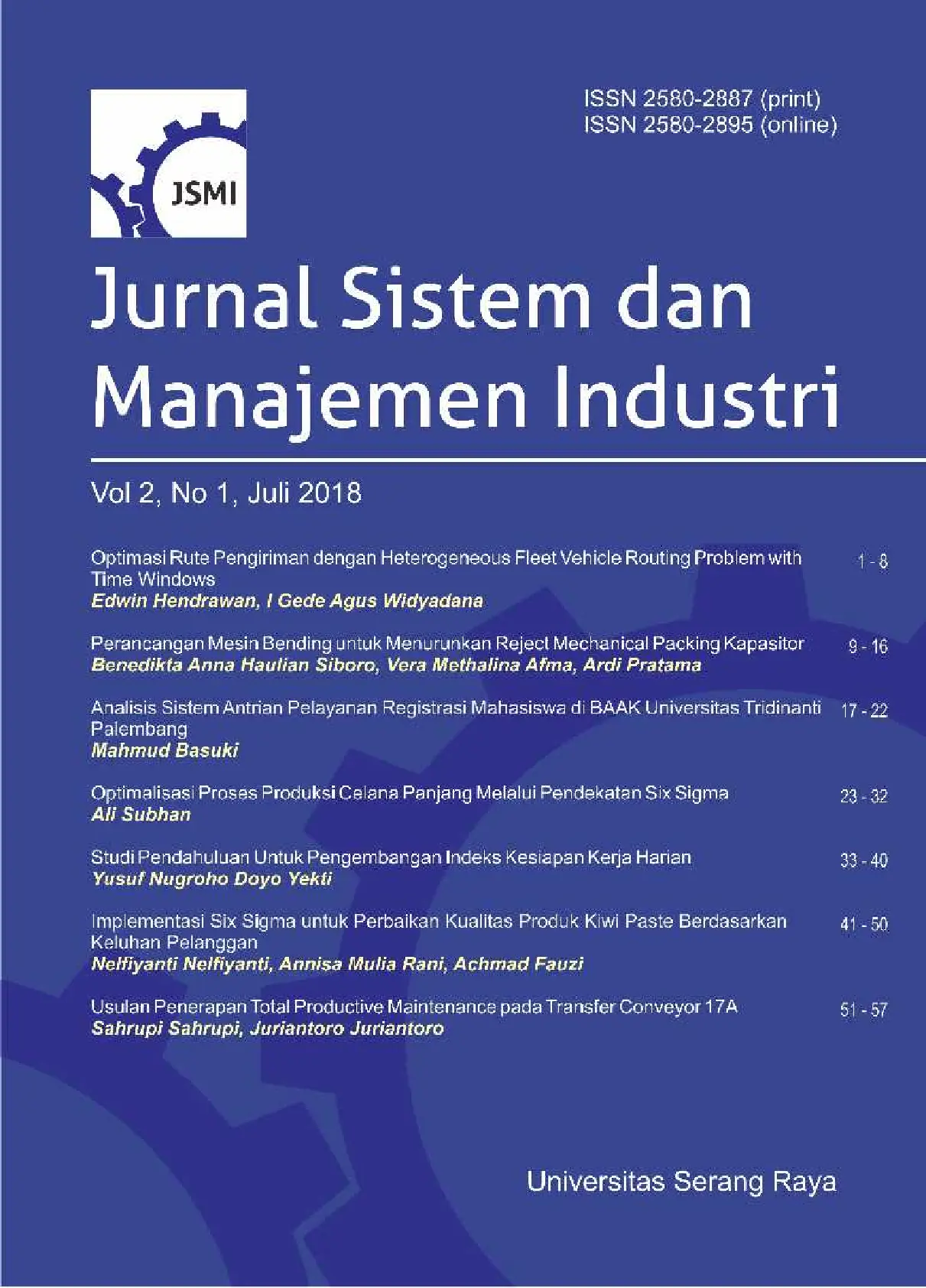
LPPMUNSERALPPMUNSERA Ruang lingkup ilmu mencakup Penelitian Operasional, Sistem Manufaktur, Manajemen Industri, Ergonomi dan Sistem Kerja, Logistik dan Manajemen Rantai Pasokan,Ruang lingkup ilmu mencakup Penelitian Operasional, Sistem Manufaktur, Manajemen Industri, Ergonomi dan Sistem Kerja, Logistik dan Manajemen Rantai Pasokan,

LPPMUNSERALPPMUNSERA Penelitian ini bertujuan untuk membuat model penentuan rute dengan biaya minimum dengan mempertimbangkan waktu tempuh dan kapasitas kendaraan. Model yangPenelitian ini bertujuan untuk membuat model penentuan rute dengan biaya minimum dengan mempertimbangkan waktu tempuh dan kapasitas kendaraan. Model yang

UNISAPUNISAP Penerapan model pembelajaran Problem Based Learning (PBL) terbukti efektif dalam meningkatkan hasil belajar Bahasa Indonesia pada siswa kelas V SDN I Pasalakan.Penerapan model pembelajaran Problem Based Learning (PBL) terbukti efektif dalam meningkatkan hasil belajar Bahasa Indonesia pada siswa kelas V SDN I Pasalakan.

UnwahasUnwahas 75%. The study concluded that one out of three herbal medicine samples marketed in the Magelang area, Central Java, tested positive for sildenafil citrate75%. The study concluded that one out of three herbal medicine samples marketed in the Magelang area, Central Java, tested positive for sildenafil citrate

HARPRESSIDHARPRESSID Penelitian ini bertujuan untuk menilai tingkat kepercayaan diri mahasiswa Bahasa Inggris sebagai Bahasa Asing (EFL) dalam kaitannya dengan kinerja berbicaraPenelitian ini bertujuan untuk menilai tingkat kepercayaan diri mahasiswa Bahasa Inggris sebagai Bahasa Asing (EFL) dalam kaitannya dengan kinerja berbicara
UNIBUNIB The paired samples t-test and independent samples t-test were utilized for data analysis. The outcomes are interactive multimedia using Moodle and ThingLink,The paired samples t-test and independent samples t-test were utilized for data analysis. The outcomes are interactive multimedia using Moodle and ThingLink,

ELTAORGANIZATIONELTAORGANIZATION Artikel ini juga menjelaskan penggunaan permainan edukatif berbasis Android sebagai salah satu inovasi pengajaran yang menyenangkan guna mendukung guruArtikel ini juga menjelaskan penggunaan permainan edukatif berbasis Android sebagai salah satu inovasi pengajaran yang menyenangkan guna mendukung guru

CENDEKIA UTAMA KUDUSCENDEKIA UTAMA KUDUS Penelitian ini dilakukan secara deskriptif observasional dengan pengambilan data secara prospektif. Subyek penelitian adalah pasien rawat jalan DM tipePenelitian ini dilakukan secara deskriptif observasional dengan pengambilan data secara prospektif. Subyek penelitian adalah pasien rawat jalan DM tipe
Useful /

HARPRESSIDHARPRESSID Hasil ini menunjukkan perbaikan yang signifikan dalam pemahaman bacaan siswa melalui penggunaan buku bacaan digital. Oleh karena itu, media ini dapat dianggapHasil ini menunjukkan perbaikan yang signifikan dalam pemahaman bacaan siswa melalui penggunaan buku bacaan digital. Oleh karena itu, media ini dapat dianggap

HARPRESSIDHARPRESSID Temuan ini menekankan pentingnya kesejahteraan mental sebagai penentu kesuksesan akademik, khususnya dalam mempertahankan motivasi dalam belajar bahasa.Temuan ini menekankan pentingnya kesejahteraan mental sebagai penentu kesuksesan akademik, khususnya dalam mempertahankan motivasi dalam belajar bahasa.

UnwahasUnwahas Interaksi paling umum terjadi antara obat kemoterapi dan obat pendukung (46,47%). Manajemen rekomendasi untuk interaksi obat potensial pada pasien kankerInteraksi paling umum terjadi antara obat kemoterapi dan obat pendukung (46,47%). Manajemen rekomendasi untuk interaksi obat potensial pada pasien kanker

UnwahasUnwahas Pasien tanpa riwayat kemoterapi sebelumnya memiliki odds 0,3 hingga 8,8 kali lebih tinggi untuk mengalami ensefalopati dibandingkan dengan pasien yangPasien tanpa riwayat kemoterapi sebelumnya memiliki odds 0,3 hingga 8,8 kali lebih tinggi untuk mengalami ensefalopati dibandingkan dengan pasien yang