UINSAIDUINSAID
Transformatif: Jurnal Pengabdian MasyarakatTransformatif: Jurnal Pengabdian MasyarakatThe rapid digitalization of Micro, Small, and Medium Enterprises (MSMEs) has increased exposure to cyber threats, while limited cybersecurity literacy remains a major challenge for business sustainability. This community service program developed and evaluated a contextual cybersecurity mentoring model designed to strengthen digital security awareness and practices among MSME owners in Lhokseumawe, Indonesia. Using a Participatory Action Research (PAR) approach, the program integrated needs assessment, cybersecurity education, hands-on training, and continuous mentoring tailored to the actual cyber risks faced by MSMEs. The results demonstrated a significant improvement in participants cybersecurity literacy, with mean scores increasing from 41.45 before the intervention to 93.25 afterward (p < 0.001). The findings demonstrate that an adaptive, participatory, and locally contextualized mentoring model is an effective strategy for improving cybersecurity literacy among MSMEs. This model provides a scalable framework for supporting secure digital transformation and can be replicated in MSME empowerment initiatives across other regions.
The research findings indicate that strengthening cybersecurity literacy must be viewed as an integral part of SME digital transformation strategies, not merely as additional training on technology use.Digital transformation that is not balanced with enhanced cybersecurity capabilities has the potential to create new vulnerabilities that could threaten business sustainability.Therefore, the success of SME digitalization is not only measured by the level of digital technology adoption but also by business owners ability to manage risks, protect digital assets, maintain customer trust, and ensure operational continuity when facing cyber threats.The findings also show that a mentoring model based on Participatory Action Research (PAR) can bring about changes that are not only cognitive in nature but also address behavioral and cultural aspects of digital security.These changes are reflected in participants increased awareness of the need to independently implement digital security practices, such as using two-factor authentication, managing passwords more securely, verifying digital transactions, regularly backing up business data, and exercising caution when responding to suspicious messages or links.These behavioral changes are a key indicator that the mentoring process has successfully established the foundation of a cybersecurity culture, a crucial element in strengthening the digital resilience of MSMEs.
To address the challenges and limitations identified in the study, future research should employ longitudinal designs involving more diverse SME populations across different regions to evaluate the persistence of cybersecurity practices over time. Further research should also investigate the relationship between cybersecurity literacy, digital resilience, and organizational performance while exploring collaborative governance models that integrate government agencies, universities, business support institutions, financial organizations, and digital service providers. Additionally, the development of a cybersecurity learning community within the Rumah BUMN environment can serve as a platform for sharing experiences, consultations, and updates on the latest cyber threats. This community can provide ongoing support and guidance to MSME operators, ensuring that they stay informed about evolving cyber threats and best practices. Furthermore, the study recommends that cybersecurity literacy mentoring should be conducted periodically to keep participants updated on the ever-changing landscape of cybercrime. This continuous learning approach will help MSME operators adapt to new threats and maintain their digital security practices. Finally, the study emphasizes the importance of multi-stakeholder collaboration in strengthening cybersecurity literacy. Higher education institutions, Rumah BUMN, local governments, and MSME actors should work together to create an adaptive learning ecosystem, ensuring that capacity-building efforts are sustained and evolve into a continuous learning process.
- [2309.17186] Unaware, Unfunded and Uneducated: A Systematic Review of SME Cybersecurity. unaware unfunded... doi.org/10.48550/arXiv.2309.171862309 17186 Unaware Unfunded and Uneducated A Systematic Review of SME Cybersecurity unaware unfunded doi 10 48550 arXiv 2309 17186
- PELATIHAN DAN PENDAMPINGAN ANALISIS DATA PENELITIAN BIDANG PENDIDIKAN DENGAN SPSS UNTUK SIVITAS AKADEMIKA... jurnal.ppi.ac.id/JPM/en/article/view/315PELATIHAN DAN PENDAMPINGAN ANALISIS DATA PENELITIAN BIDANG PENDIDIKAN DENGAN SPSS UNTUK SIVITAS AKADEMIKA jurnal ppi ac JPM en article view 315
- Inclusive Cybersecurity Literacy in Cybercrime Prevention Among MSME Operators in Lhokseumawe | Transformatif:... ejournal.uinsaid.ac.id/transformatif/article/view/15590Inclusive Cybersecurity Literacy in Cybercrime Prevention Among MSME Operators in Lhokseumawe Transformatif ejournal uinsaid ac transformatif article view 15590
- One moment, please.... one moment please wait request verified doi.org/10.59407/jpki2.v3i4.2574One moment please one moment please wait request verified doi 10 59407 jpki2 v3i4 2574
| File size | 925.2 KB |
| Pages | 32 |
| DMCA | Report |
Related /

LIFESCIFILIFESCIFI Ulasan ini bertujuan untuk menganalisis mekanisme pengaruh WLB pada keterlibatan karyawan dan menganalisis mekanisme pengaruh WLB pada kinerja karyawan.Ulasan ini bertujuan untuk menganalisis mekanisme pengaruh WLB pada keterlibatan karyawan dan menganalisis mekanisme pengaruh WLB pada kinerja karyawan.
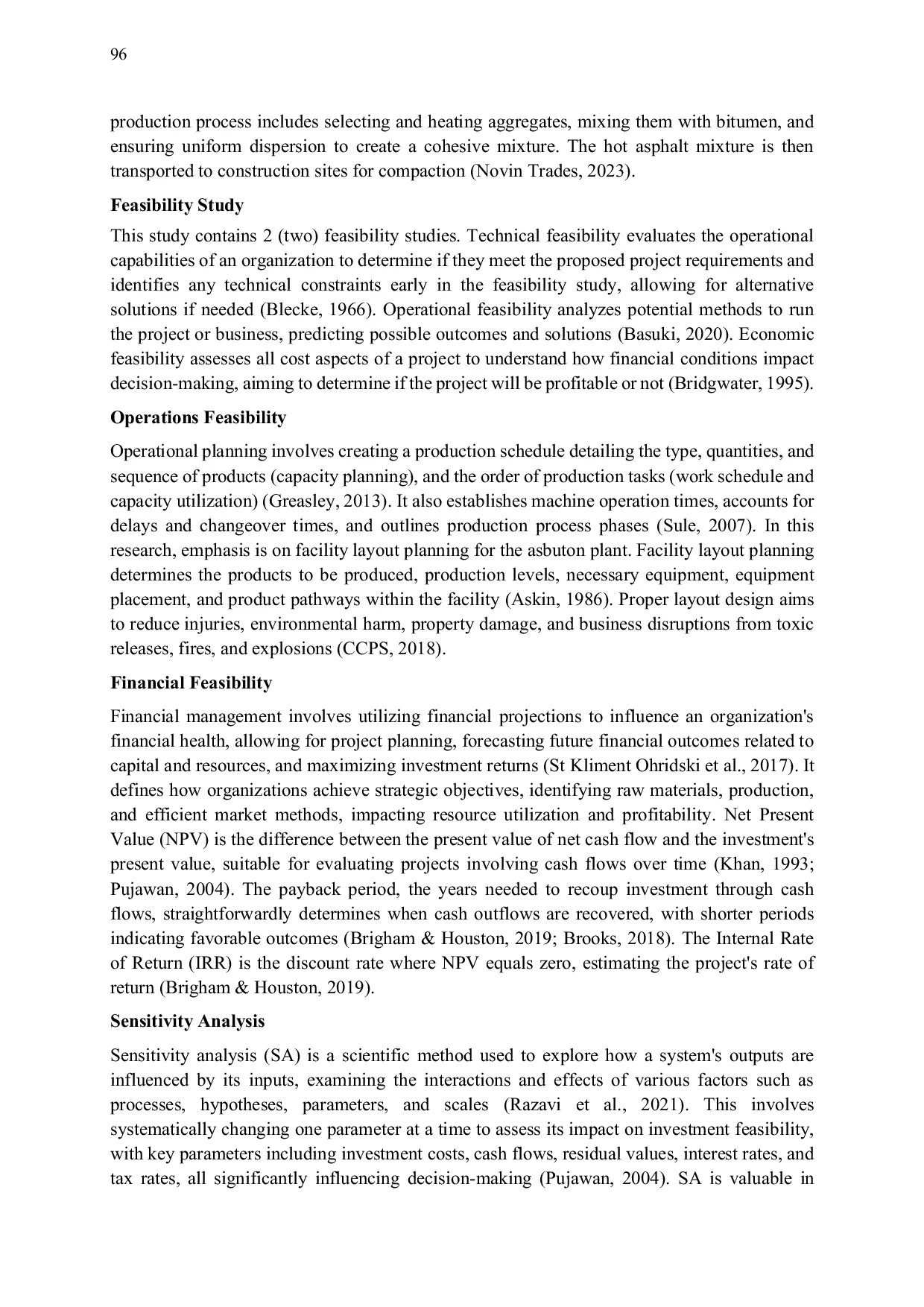
ITSITS Pemilihan lokasi operasional, penentuan kapasitas pabrik, perencanaan tata letak fasilitas, dan evaluasi proses produksi dilakukan. Kelayakan keuanganPemilihan lokasi operasional, penentuan kapasitas pabrik, perencanaan tata letak fasilitas, dan evaluasi proses produksi dilakukan. Kelayakan keuangan

LIFESCIFILIFESCIFI Sebagai solusi, studi ini memperkenalkan kerangka EESG yang menambahkan dimensi ekonomi ke dalam ESG, serta merekomendasikan kebijakan inovatif untuk menyeimbangkanSebagai solusi, studi ini memperkenalkan kerangka EESG yang menambahkan dimensi ekonomi ke dalam ESG, serta merekomendasikan kebijakan inovatif untuk menyeimbangkan

LIFESCIFILIFESCIFI Penelitian ini mengisi kesenjangan penelitian sebelumnya yang lebih fokus pada mahasiswa dan belum menyentuh konteks budaya dan pengalaman kerja GenerasiPenelitian ini mengisi kesenjangan penelitian sebelumnya yang lebih fokus pada mahasiswa dan belum menyentuh konteks budaya dan pengalaman kerja Generasi

LIFESCIFILIFESCIFI Kinerja karyawan adalah elemen krusial dalam mencapai tujuan organisasi dan dipengaruhi oleh berbagai faktor psikologis dan sosial. Kepuasan kerja mendorongKinerja karyawan adalah elemen krusial dalam mencapai tujuan organisasi dan dipengaruhi oleh berbagai faktor psikologis dan sosial. Kepuasan kerja mendorong

LIFESCIFILIFESCIFI Pertumbuhan pesat kendaraan listrik (EV) di Indonesia menunjukkan meningkatnya kepedulian masyarakat Indonesia terhadap isu lingkungan. Penelitian iniPertumbuhan pesat kendaraan listrik (EV) di Indonesia menunjukkan meningkatnya kepedulian masyarakat Indonesia terhadap isu lingkungan. Penelitian ini

LIFESCIFILIFESCIFI Wanita, orang tua tunggal, dan mereka yang memiliki beban peran domestik yang signifikan umumnya menghadapi tantangan yang lebih kompleks dalam integrasiWanita, orang tua tunggal, dan mereka yang memiliki beban peran domestik yang signifikan umumnya menghadapi tantangan yang lebih kompleks dalam integrasi

LIFESCIFILIFESCIFI Temuan menunjukkan bahwa kepercayaan pada reputasi dan integritas lembaga keuangan, kemudahan akses ke layanan perbankan fisik maupun digital, serta kolaborasiTemuan menunjukkan bahwa kepercayaan pada reputasi dan integritas lembaga keuangan, kemudahan akses ke layanan perbankan fisik maupun digital, serta kolaborasi
Useful /

UTPUTP Hasil penelitian menunjukkan adanya hubungan positif yang signifikan antara penggunaan strategi menyimak dan kemahiran menyimak. Namun, daya prediksi yangHasil penelitian menunjukkan adanya hubungan positif yang signifikan antara penggunaan strategi menyimak dan kemahiran menyimak. Namun, daya prediksi yang

UNISKAUNISKA Namun, meskipun signifikansinya sangat besar, optimalisasi penerimaan pajak masih menghadapi tantangan fundamental yang persisten. Masalah utama yang seringNamun, meskipun signifikansinya sangat besar, optimalisasi penerimaan pajak masih menghadapi tantangan fundamental yang persisten. Masalah utama yang sering
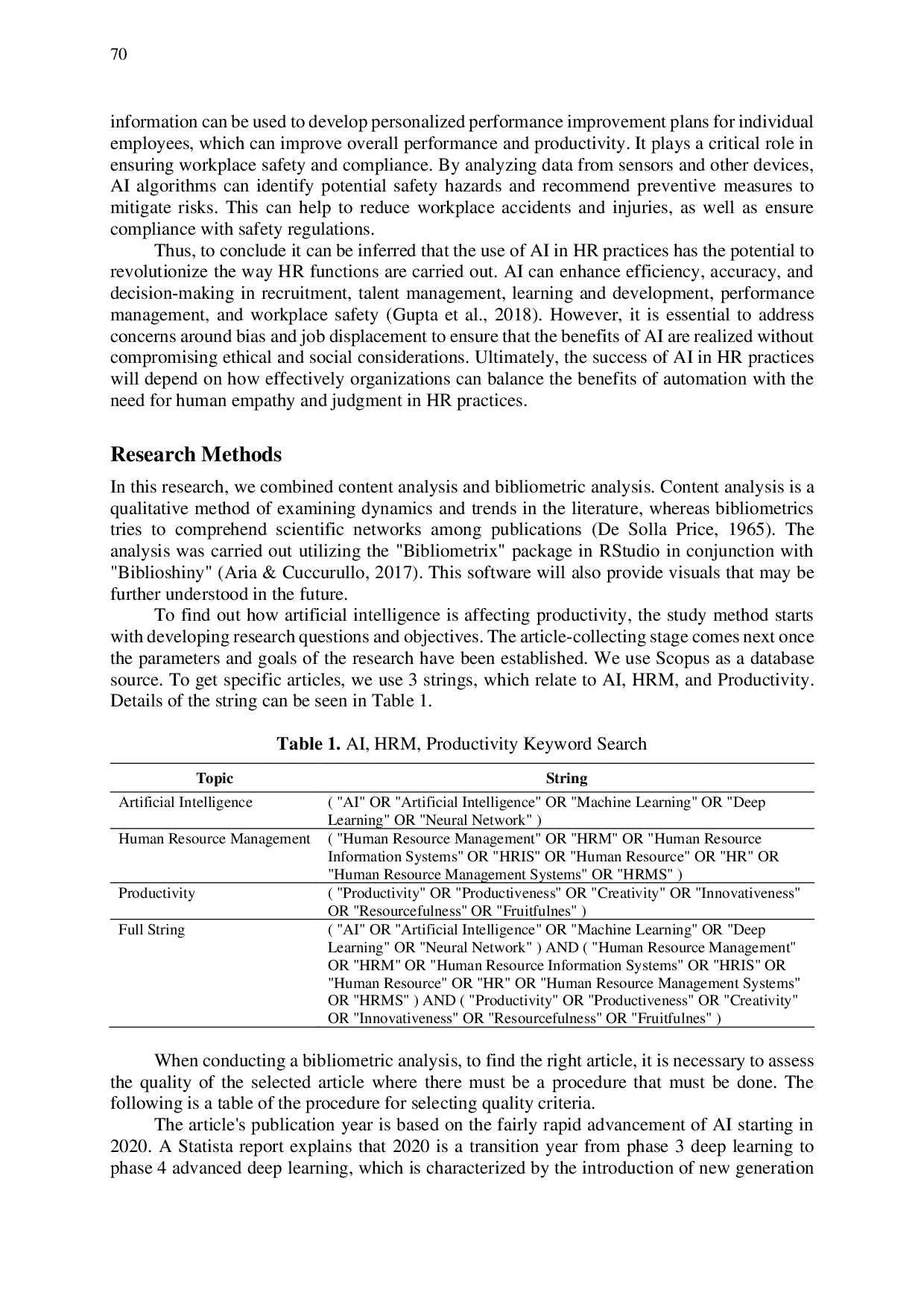
ITSITS Tujuan penelitian ini adalah untuk menunjukkan tren penelitian di bidang implementasi AI di bidang sumber daya manusia dan hubungannya dengan produktivitasTujuan penelitian ini adalah untuk menunjukkan tren penelitian di bidang implementasi AI di bidang sumber daya manusia dan hubungannya dengan produktivitas

UMKUMK Kegiatan ekstrakurikuler terpadu berperan penting dengan mengintegrasikan pengetahuan, perasaan, dan tindakan moral, sehingga menciptakan lingkungan belajarKegiatan ekstrakurikuler terpadu berperan penting dengan mengintegrasikan pengetahuan, perasaan, dan tindakan moral, sehingga menciptakan lingkungan belajar