IPDNIPDN
TRANSFORMASI: Jurnal Manajemen PemerintahanTRANSFORMASI: Jurnal Manajemen PemerintahanKeamanan logistik pemilu merupakan prasyarat penting bagi terjaganya integritas elektoral, terutama dalam pemilu serentak yang melibatkan proses distribusi, penyimpanan, pemungutan suara, dan rekapitulasi yang kompleks. Studi ini menganalisis tata kelola kolaboratif antar pemangku kepentingan dalam memperkuat keamanan rantai pasok logistik Pemilu 2024 di Kota Jambi. Penelitian ini menggunakan pendekatan studi kasus kualitatif dengan teknik pengumpulan data melalui wawancara semi-terstruktur, studi dokumen, observasi lapangan pada gudang logistik Paal Merah dan lokasi pleno rekapitulasi, serta analisis konten media daring. Kerangka Collaborative Governance digunakan untuk menganalisis dua fase kritis, yaitu fase pra-distribusi logistik dan fase pasca-distribusi logistik. Temuan penelitian menunjukkan adanya pola kolaborasi ganda. Pada fase pra-distribusi, kolaborasi belum berjalan efektif pada tingkat strategis-preventif, sebagaimana terlihat dari penggunaan fasilitas gudang logistik di Paal Merah yang belum memenuhi standar ideal, seperti konstruksi berbahan seng, akses jalan yang terbatas, dan penggunaan ruang semi-terbuka untuk penyimpanan logistik. Kondisi ini menunjukkan lemahya penilaian risiko bersama dan terbatasnya alokasi aset strategis oleh Pemerintah Kota Jambi. Akibatnya, polisi (Polri) dan angkatan bersenjata (TNI) harus mengerahkan sumber daya operasional yang tidak proporsional untuk mengimbangi kerentanan infrastruktur ini. Sebaliknya, kolaborasi pasca-distribusi sangat efektif; aparat keamanan berhasil mengamankan tempat pemungutan suara dan mengelola rekapitulasi tingkat distrik yang berkepanjangan—berkisar antara 10 hingga 15 hari di Alam Barajo, Kota Baru, dan Paal Merah—mencegah eskalasi fisik meskipun terjadi perselisihan prosedural yang sengit. Studi ini menyimpulkan bahwa lemahnya kolaborasi strategis dalam perencanaan logistik menimbulkan beban kompensasi operasional yang besar pada tahap pelaksanaan.
This study concludes that collaborative governance in securing election logistics for the 2024 Election in Jambi City produced a dual pattern.In the pre-distribution phase, collaboration failed to operate effectively at the strategic-preventive level, while in the post-distribution phase, collaboration became more effective at the operational-reactive level.This contrast shows that the effectiveness of election logistics security depends not only on the presence of multiple actors, but also on their ability to identify risks early, share responsibilities, and make preventive decisions collectively.Thus, collaborative governance in election logistics should not only be evaluated from the absence of major security incidents, but also from the capacity of institutions to prevent vulnerabilities before they become operational risks.
Based on the findings, this study recommends several institutional improvements to strengthen collaborative governance in election logistics security, particularly in the pre-distribution and post-distribution phases. First, the Jambi City General Elections Commission, the Jambi City Government, the Election Supervisory Agency, the Police, and the Armed Forces should institutionalize a joint risk assessment mechanism specifically for election logistics security. This mechanism should be conducted before warehouse determination and logistics distribution, so that warehouse infrastructure risks can be framed as a collective security issue rather than merely an operational problem of the election organizer. Second, the Jambi City Government should develop an inventory of strategic public assets that can be temporarily used as election logistics facilities when existing options are inadequate. This asset inventory should consider minimum standards of accessibility, physical security, weather protection, and emergency response capacity before logistics are stored. Third, the Election Supervisory Agency should expand its oversight from procedural compliance to include the feasibility, accessibility, and infrastructure of logistics. This expanded oversight would allow supervisory recommendations to address not only the quantity, sealing, and documentation of logistics, but also the physical conditions that may affect logistics integrity. In the post-distribution phase, the General Elections Commission and the Election Supervisory Agency should strengthen faster and more transparent dispute-resolution procedures at the district level. At the same time, the Police and Armed Forces should maintain their role in preventing disputes from escalating into physical conflict, while ensuring that security measures do not interfere with electoral deliberation.
- A Collaborative Interagency Governance in Securing Election Logistics for the 2024 Election in Jambi... doi.org/10.33701/jtp.v18i1.5714A Collaborative Interagency Governance in Securing Election Logistics for the 2024 Election in Jambi doi 10 33701 jtp v18i1 5714
- DOI Name 10.3266 Values. doi name values index type timestamp data hs admin 30z handle na create hdl... doi.org/10.3266DOI Name 10 3266 Values doi name values index type timestamp data hs admin 30z handle na create hdl doi 10 3266
| File size | 560.87 KB |
| Pages | 17 |
| DMCA | Report |
Related /

PHARMACONMWPHARMACONMW Konsentrasi minyak atsiri apel merah yang digunakan mempengaruhi populasi nanopartikel yang terbentuk. Ketika konsentrasi minyak atsiri yang digunakanKonsentrasi minyak atsiri apel merah yang digunakan mempengaruhi populasi nanopartikel yang terbentuk. Ketika konsentrasi minyak atsiri yang digunakan
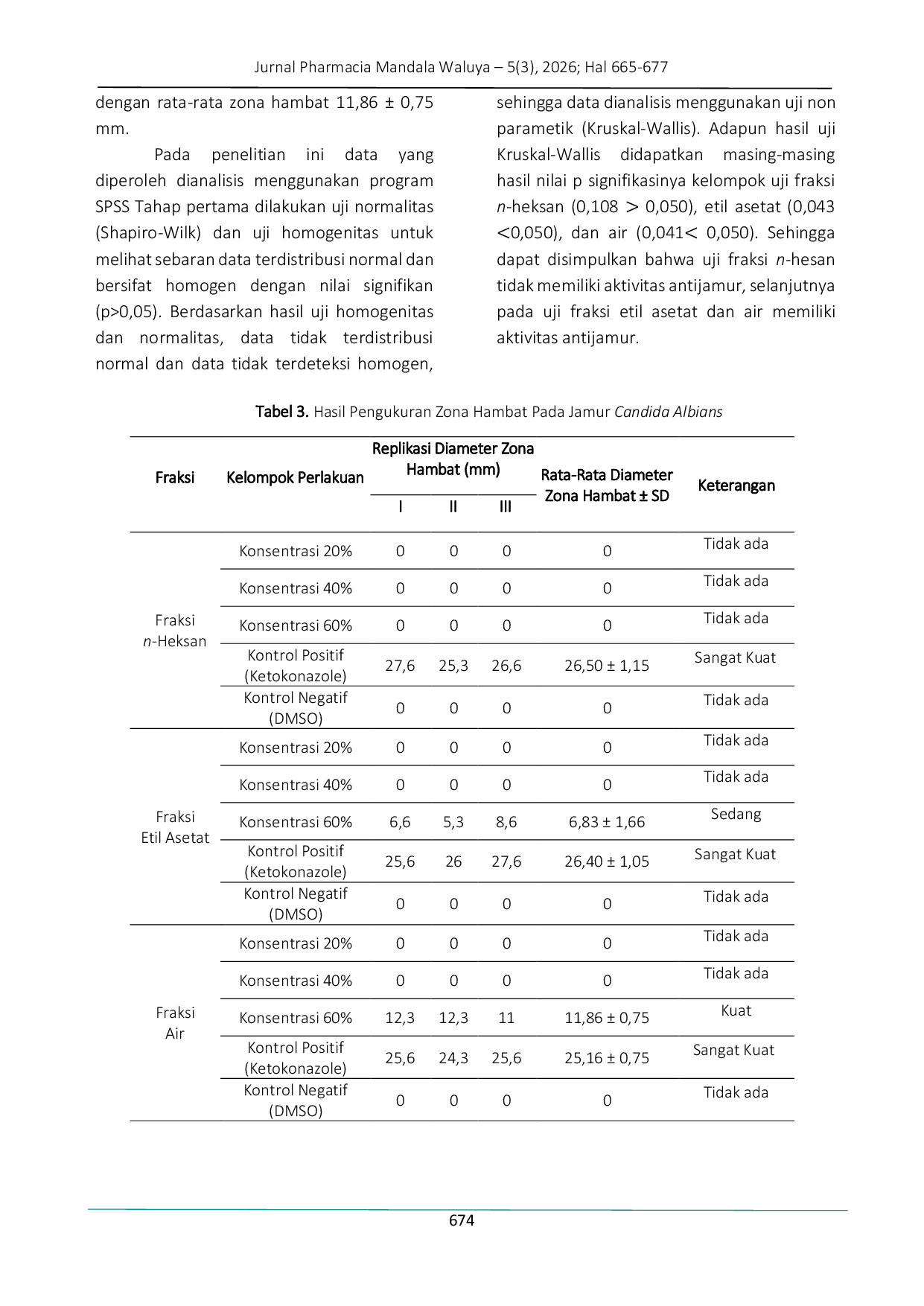
PHARMACONMWPHARMACONMW Fraksi uji digunakan pada konsentrasi 20%, 40%, dan 60%. Data dianalisis menggunakan uji Kruskal-Wallis dan Mann-Whitney. Hasil menunjukkan bahwa fraksiFraksi uji digunakan pada konsentrasi 20%, 40%, dan 60%. Data dianalisis menggunakan uji Kruskal-Wallis dan Mann-Whitney. Hasil menunjukkan bahwa fraksi
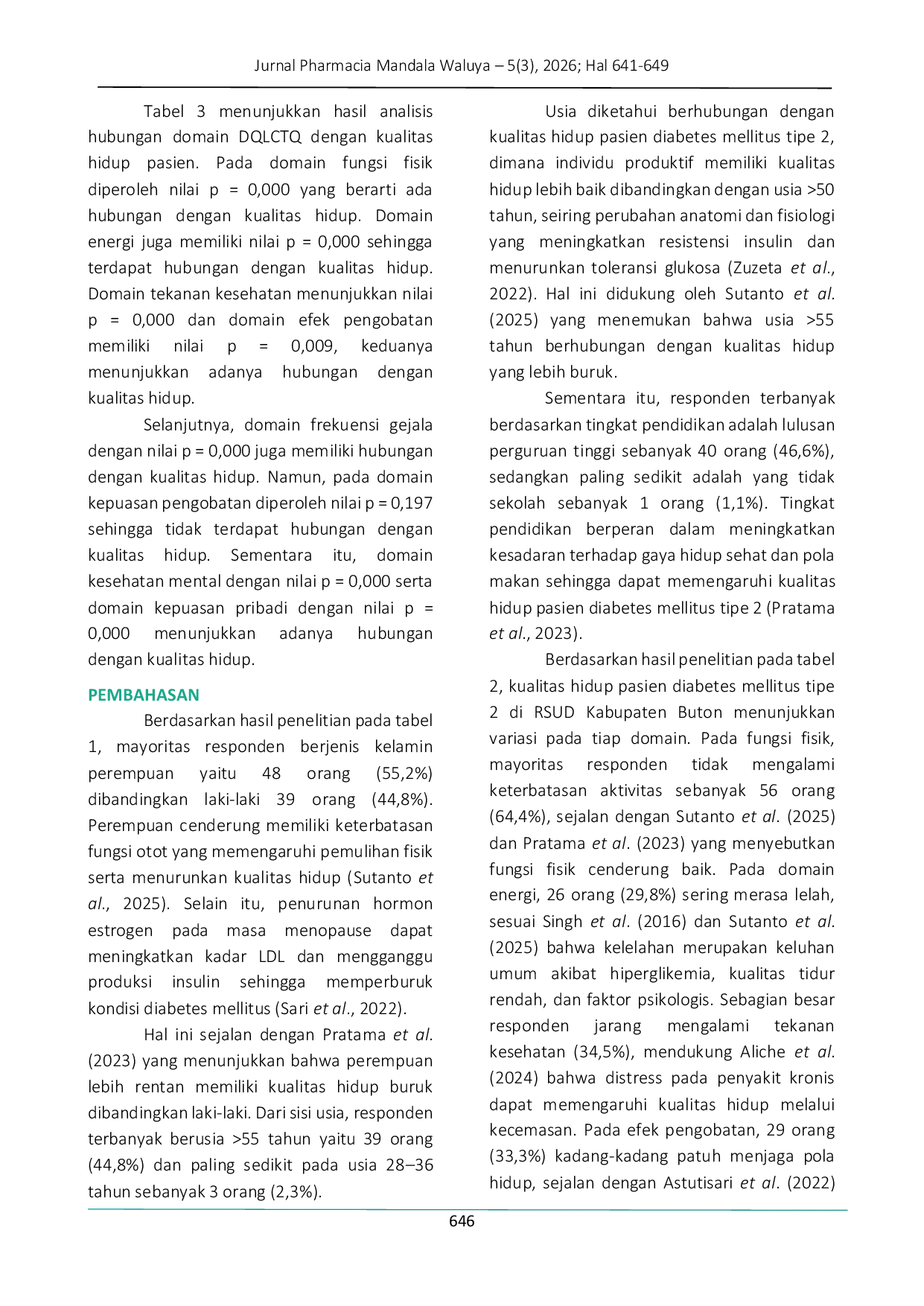
PHARMACONMWPHARMACONMW Penelitiian ini merupakan penelitian kuantitatif dengan desain deskriptif. Data dikumpulkan menggunakan kuesioner Diabetes Quality Of Life Clinical TrialPenelitiian ini merupakan penelitian kuantitatif dengan desain deskriptif. Data dikumpulkan menggunakan kuesioner Diabetes Quality Of Life Clinical Trial
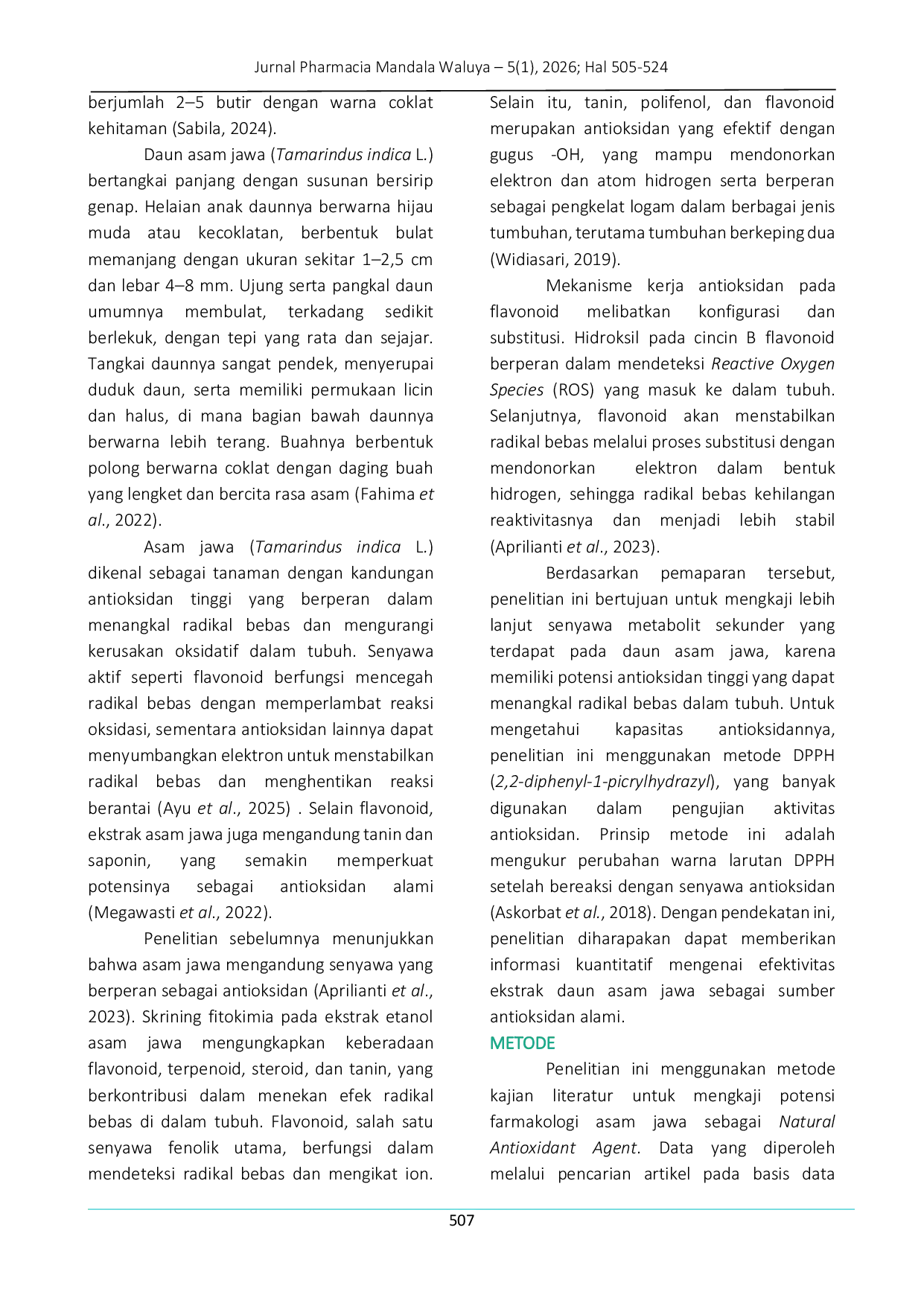
PHARMACONMWPHARMACONMW Berbagai bagian tanaman, seperti daun, kulit buah, dan biji, mengandung senyawa aktif seperti flavonoid dan tanin yang berperan dalam menangkal radikalBerbagai bagian tanaman, seperti daun, kulit buah, dan biji, mengandung senyawa aktif seperti flavonoid dan tanin yang berperan dalam menangkal radikal
PHARMACONMWPHARMACONMW Perbandingan ekstrak etanol dan infusa berdasarkan uji T tidak menunjukkan perbedaan signifikan.meski demikian, secara deskriptif ekstrak etanol lebihPerbandingan ekstrak etanol dan infusa berdasarkan uji T tidak menunjukkan perbedaan signifikan.meski demikian, secara deskriptif ekstrak etanol lebih
KEMENDAGRIKEMENDAGRI Surakarta has great potential to become a model for a smart city based on culture and sustainable citizen participation. Penelitian ini menegaskan bahwaSurakarta has great potential to become a model for a smart city based on culture and sustainable citizen participation. Penelitian ini menegaskan bahwa
JOURNALKEBERLANJUTANJOURNALKEBERLANJUTAN Disiplin kerja karyawan berpengaruh signifikan terhadap kualitas kinerja, di mana perilaku disiplin seperti tepat waktu, mematuhi peraturan, dan menyelesaikanDisiplin kerja karyawan berpengaruh signifikan terhadap kualitas kinerja, di mana perilaku disiplin seperti tepat waktu, mematuhi peraturan, dan menyelesaikan
JOURNALKEBERLANJUTANJOURNALKEBERLANJUTAN Brand Awareness memiliki pengaruh positif dan signifikan secara parsial terhadap keputusan pembelian produk Mixue Ice Cream & Tea di Kota Bandung melaluiBrand Awareness memiliki pengaruh positif dan signifikan secara parsial terhadap keputusan pembelian produk Mixue Ice Cream & Tea di Kota Bandung melalui
Useful /
PHARMACONMWPHARMACONMW Hasil skrining fitokimia menunjukkan bahwa ekstrak sebelum bleaching mengandung alkaloid, flavonoid, saponin, dan tanin, sedangkan setelah bleaching terjadiHasil skrining fitokimia menunjukkan bahwa ekstrak sebelum bleaching mengandung alkaloid, flavonoid, saponin, dan tanin, sedangkan setelah bleaching terjadi

STTPBSTTPB Artikel ini mengembangkan kerangka teologis participatio in mysterion untuk memahami manajemen pendidikan Kristiani sebagai perpanjangan oikonomia theou,Artikel ini mengembangkan kerangka teologis participatio in mysterion untuk memahami manajemen pendidikan Kristiani sebagai perpanjangan oikonomia theou,

STTPBSTTPB Rekonstruksi ini membuka kemungkinan terbentuknya ekosistem pembelajaran yang lebih organik, di mana liturgi, relasi, pelayanan, dan pergumulan hidup bukanRekonstruksi ini membuka kemungkinan terbentuknya ekosistem pembelajaran yang lebih organik, di mana liturgi, relasi, pelayanan, dan pergumulan hidup bukan
STTPBSTTPB Melalui eksegesis historis-kritis terhadap Mazmur 133, analisis antropologis-teologis terhadap konsep rukun, dan metodologi teologi komparatif yang menempatkanMelalui eksegesis historis-kritis terhadap Mazmur 133, analisis antropologis-teologis terhadap konsep rukun, dan metodologi teologi komparatif yang menempatkan