UNIVET BANTARAUNIVET BANTARA
Absis: Mathematics Education JournalAbsis: Mathematics Education JournalThis research aims to develop a PISA-Like mathematical literacy test based on Yogyakarta socio-culture that is valid, practical and effective. The research method used is Research and Development (R&D) with the Plomp development model. The subjects of this study were 18 students of class VIII of SMP Teladan Yogyakarta. The instruments used included validation sheets, teacher response questionnaires, student response questionnaires, and test instruments. The results of the study showed: (1) the expert validation results obtained a V-Aiken value of 0.75 with a fairly valid category, (2) There were 7 valid and reliable questions, (3) The teachers response was very good with a score of 50.67, (4) Student responses to test questions obtained 78% of students obtained a score of 38.1 with a good to excellent category, and (5) 72% of students obtained a mathematical literacy test score with a sufficient to good category. Based on the overall data analysis, it can be concluded that the development of a mathematical literacy test instrument based on PISA-Like with the socio-cultural context of Yogyakarta is declared valid, practical, and effective for measuring the mathematical literacy of class VIII students of SMP Teladan Yogyakarta at the prediction level 3.
The research successfully developed a PISA-Like mathematical literacy test instrument grounded in the Yogyakarta cultural context, deemed valid, practical, and effective.The expert validation yielded an average V-Aiken score of 0.75, indicating fair validity, with seven questions confirmed as both valid and reliable.Teacher responses were highly positive, and 72% of students achieved satisfactory scores on the test.However, students mathematical literacy skills were primarily demonstrated at prediction level 3.
Future research should explore the effectiveness of implementing this PISA-Like test in diverse educational settings across Yogyakarta, investigating whether the socio-cultural context enhances student engagement and performance compared to traditional assessments. Furthermore, studies could focus on developing more challenging questions that push students beyond prediction level 3, potentially incorporating real-world problem-solving scenarios deeply rooted in Yogyakartas cultural heritage. Finally, research is needed to investigate the impact of teacher training on effectively utilizing and interpreting the results of this culturally-relevant assessment to inform instructional practices and improve mathematical literacy skills among students, ultimately contributing to a more contextually-grounded and effective mathematics education system.
- The Development of Electronic Flash Worksheet Based on Adobe Flash Cs6 on Fraction Numbers in the Seventh... iopscience.iop.org/article/10.1088/1742-6596/1155/1/012019The Development of Electronic Flash Worksheet Based on Adobe Flash Cs6 on Fraction Numbers in the Seventh iopscience iop article 10 1088 1742 6596 1155 1 012019
- Development Of The PISA-Like Mathematics Literacy Test Based On Yogyakarta Socio-Culture | Absis: Mathematics... doi.org/10.32585/absis.v6i2.5478Development Of The PISA Like Mathematics Literacy Test Based On Yogyakarta Socio Culture Absis Mathematics doi 10 32585 absis v6i2 5478
| File size | 677.55 KB |
| Pages | 13 |
| DMCA | Report |
Related /

PUSKOMCERIAPUSKOMCERIA The most prominent finding is that self-efficacy has a more dominant contribution compared to brand image. This indicates that psychological readinessThe most prominent finding is that self-efficacy has a more dominant contribution compared to brand image. This indicates that psychological readiness

STIEPEMUDASTIEPEMUDA In an increasingly competitive market environment, price and product innovation are key determinants that significantly affect consumer preferences andIn an increasingly competitive market environment, price and product innovation are key determinants that significantly affect consumer preferences and

STIEPEMUDASTIEPEMUDA Based on the research results, financial literacy has a positive but insignificant effect on consumer behavior. Financial literacy has a positive and significantBased on the research results, financial literacy has a positive but insignificant effect on consumer behavior. Financial literacy has a positive and significant
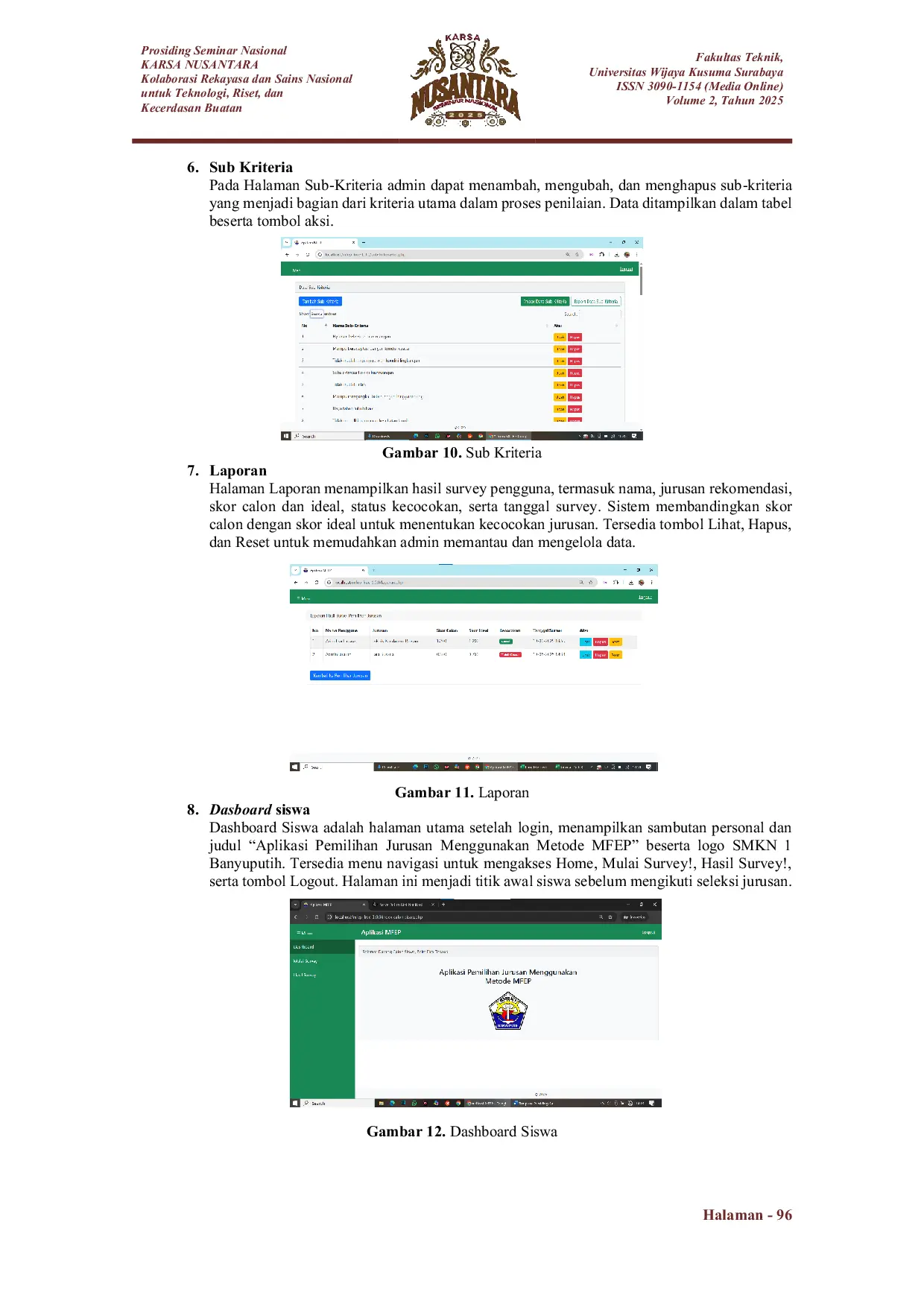
UWKSUWKS Untuk itu, diterapkan metode Multi Factor Evaluation Process (MFEP) sebagai sistem pendukung keputusan dalam seleksi kompetensi keahlian. Metode ini mengevaluasiUntuk itu, diterapkan metode Multi Factor Evaluation Process (MFEP) sebagai sistem pendukung keputusan dalam seleksi kompetensi keahlian. Metode ini mengevaluasi
SINOMICSJOURNALSINOMICSJOURNAL The implementation of artificial intelligence (AI) in financial crisis early warning systems offers significant advantages through big data analysis capabilities,The implementation of artificial intelligence (AI) in financial crisis early warning systems offers significant advantages through big data analysis capabilities,

IAIN KEDIRIIAIN KEDIRI Students and teachers need for familiarity with the fusion of technology-based and differentiated lesson planning contributes to challenges for recentStudents and teachers need for familiarity with the fusion of technology-based and differentiated lesson planning contributes to challenges for recent
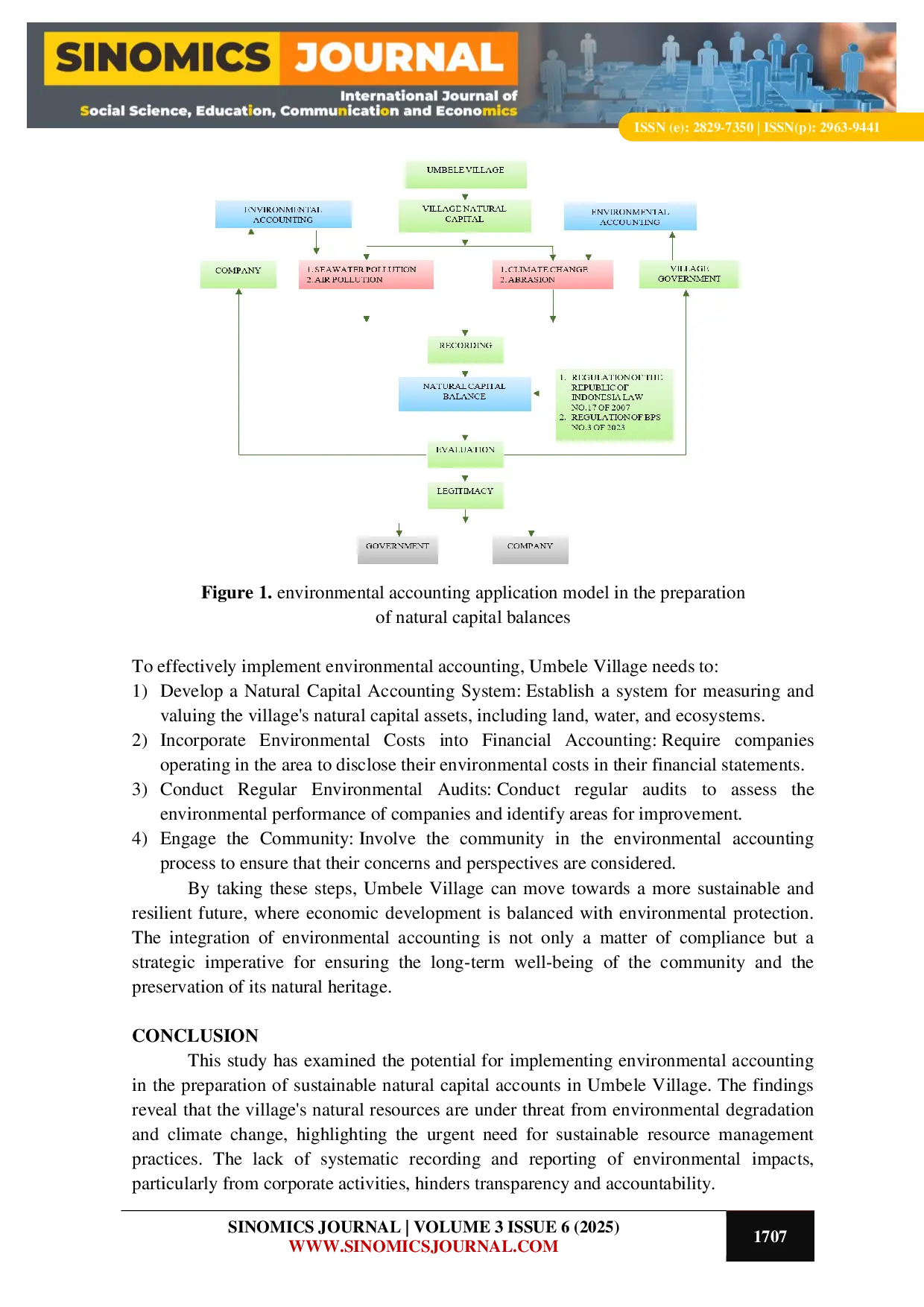
SINOMICSJOURNALSINOMICSJOURNAL Uncontrolled exploitation, environmental neglect, and inadequate structured recording pose significant threats to the sustainability of natural capitalUncontrolled exploitation, environmental neglect, and inadequate structured recording pose significant threats to the sustainability of natural capital
SINOMICSJOURNALSINOMICSJOURNAL 93 mg/L and pond 2 was 4. 72-5. 99 mg/L, temperature in pond 1 was 27.15-31.40°C with a brightness of 43 cm and pond 2 ranged from 27.50-29.85°C with93 mg/L and pond 2 was 4. 72-5. 99 mg/L, temperature in pond 1 was 27.15-31.40°C with a brightness of 43 cm and pond 2 ranged from 27.50-29.85°C with
Useful /
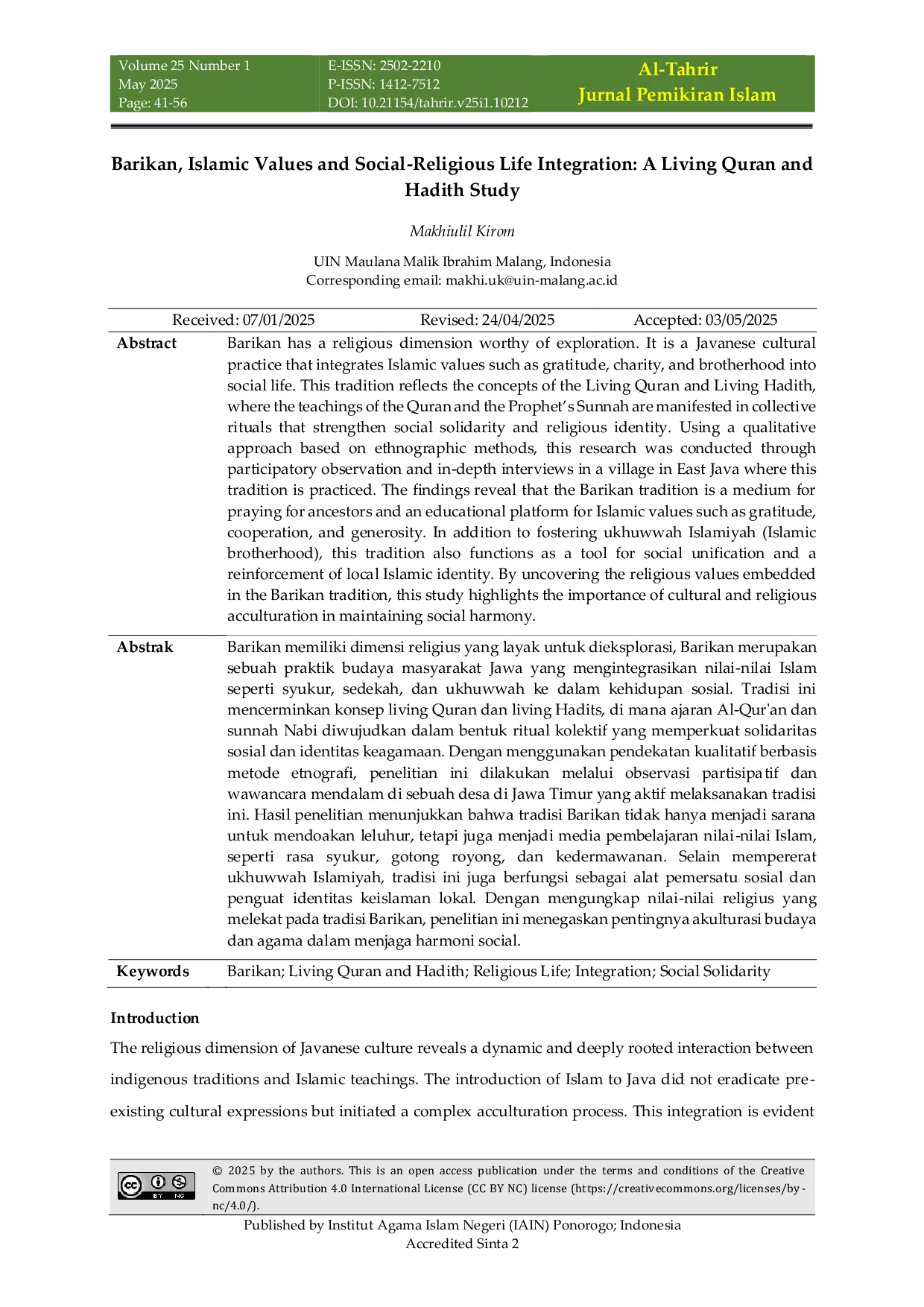
IAIN PONOROGOIAIN PONOROGO Dengan menggunakan pendekatan kualitatif berbasis metode etnografi, penelitian ini dilakukan melalui observasi partisipatif dan wawancara mendalam di sebuahDengan menggunakan pendekatan kualitatif berbasis metode etnografi, penelitian ini dilakukan melalui observasi partisipatif dan wawancara mendalam di sebuah

IAIN KEDIRIIAIN KEDIRI Keberhasilan belajar bahasa Inggris menjadi hal penting bagi mahasiswa Indonesia. Penelitian ini mengukur dampak program persiapan TOEFL terhadap kemampuanKeberhasilan belajar bahasa Inggris menjadi hal penting bagi mahasiswa Indonesia. Penelitian ini mengukur dampak program persiapan TOEFL terhadap kemampuan

IAIN KEDIRIIAIN KEDIRI Age significantly influences teachers readiness, with younger teachers exhibiting higher levels of preparedness. However, gender does not significantlyAge significantly influences teachers readiness, with younger teachers exhibiting higher levels of preparedness. However, gender does not significantly

UNITY ACADEMYUNITY ACADEMY Pada perkembangan teknologi saat ini, informasi (pesan) merupakan suatu kebutuhan pokok bagi masyarakat. Maka dari itu keamanan dari sebuah informasi sangatlahPada perkembangan teknologi saat ini, informasi (pesan) merupakan suatu kebutuhan pokok bagi masyarakat. Maka dari itu keamanan dari sebuah informasi sangatlah