ITBMITBM
Indonesian Journal of Coastal and Marine StudiesIndonesian Journal of Coastal and Marine StudiesSquid is a popular marine fishery commodity, leading to increased demand and substantial domestic production. This study aims to determine the composition, size distribution, and productivity of catches using different attractor colors. Sampling was conducted in the Makassar Strait with 12 repetitions of three attractor treatments. This quantitative research employed a capture experiment method, with data analyzed descriptively based on attractor color. Results showed that the catch composition consisted of 149 fish: 16.11% caught with white attractors, 32.21% with black attractors, and 51.68% with blue attractors. Weight distribution revealed the highest results with blue attractors (15-95 g, 46.62 ± 21.93 g), while length distribution showed the highest results with black attractors (7.5-20 cm, 10.33 ± 2.34 cm). The squid caught were predominantly medium-sized.
The study concluded that the composition of squid catches varied significantly with attractor color, with blue attractors yielding the highest proportion of catches.Weight distribution differed across colors, with blue attractors resulting in the heaviest squid, while black attractors yielded the longest squid.The productivity of squid fishing was highest with blue attractors, indicating their superior effectiveness in attracting squid.
Further research should investigate the optimal placement depth and spacing of attractors to maximize their effectiveness in attracting squid, considering the specific bathymetry and current patterns of the Makassar Strait. Additionally, studies could explore the long-term impact of attractor use on squid population dynamics and the broader marine ecosystem, including potential effects on other species and habitat structure. Finally, research is needed to assess the economic viability of implementing attractor technology on a larger scale, considering the costs of construction, maintenance, and potential benefits to local fishing communities, and to determine the most cost-effective and sustainable materials for attractor construction, balancing durability with environmental impact. These investigations will contribute to a more comprehensive understanding of attractor technology and its potential for sustainable fisheries management in the region.
| File size | 335.95 KB |
| Pages | 9 |
| DMCA | Report |
Related /
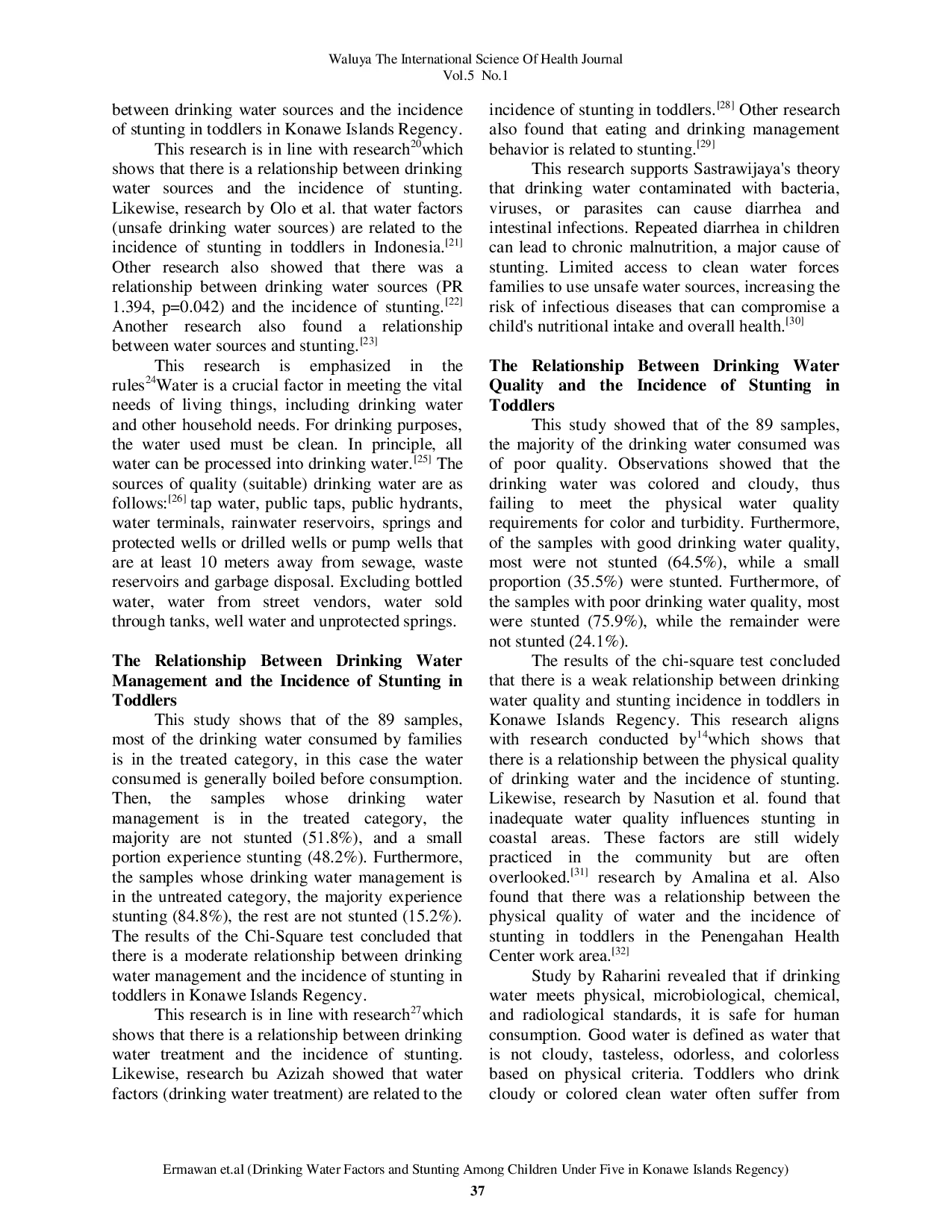
UMWUMW The Chi-Square test results showed a significant relationship between drinking water sources and stunting (p=0. 000), drinking water treatment and stuntingThe Chi-Square test results showed a significant relationship between drinking water sources and stunting (p=0. 000), drinking water treatment and stunting

UTUUTU Chromium VI (Cr6 ) is a particularly harmful heavy metal due to its persistence in the body and its toxic effects on both humans and aquatic organisms.Chromium VI (Cr6 ) is a particularly harmful heavy metal due to its persistence in the body and its toxic effects on both humans and aquatic organisms.

UGMUGM The variables observed were the wafers physical quality and Isa Browns performance. Different adhesives in the manufacture of wafers produced no significantThe variables observed were the wafers physical quality and Isa Browns performance. Different adhesives in the manufacture of wafers produced no significant
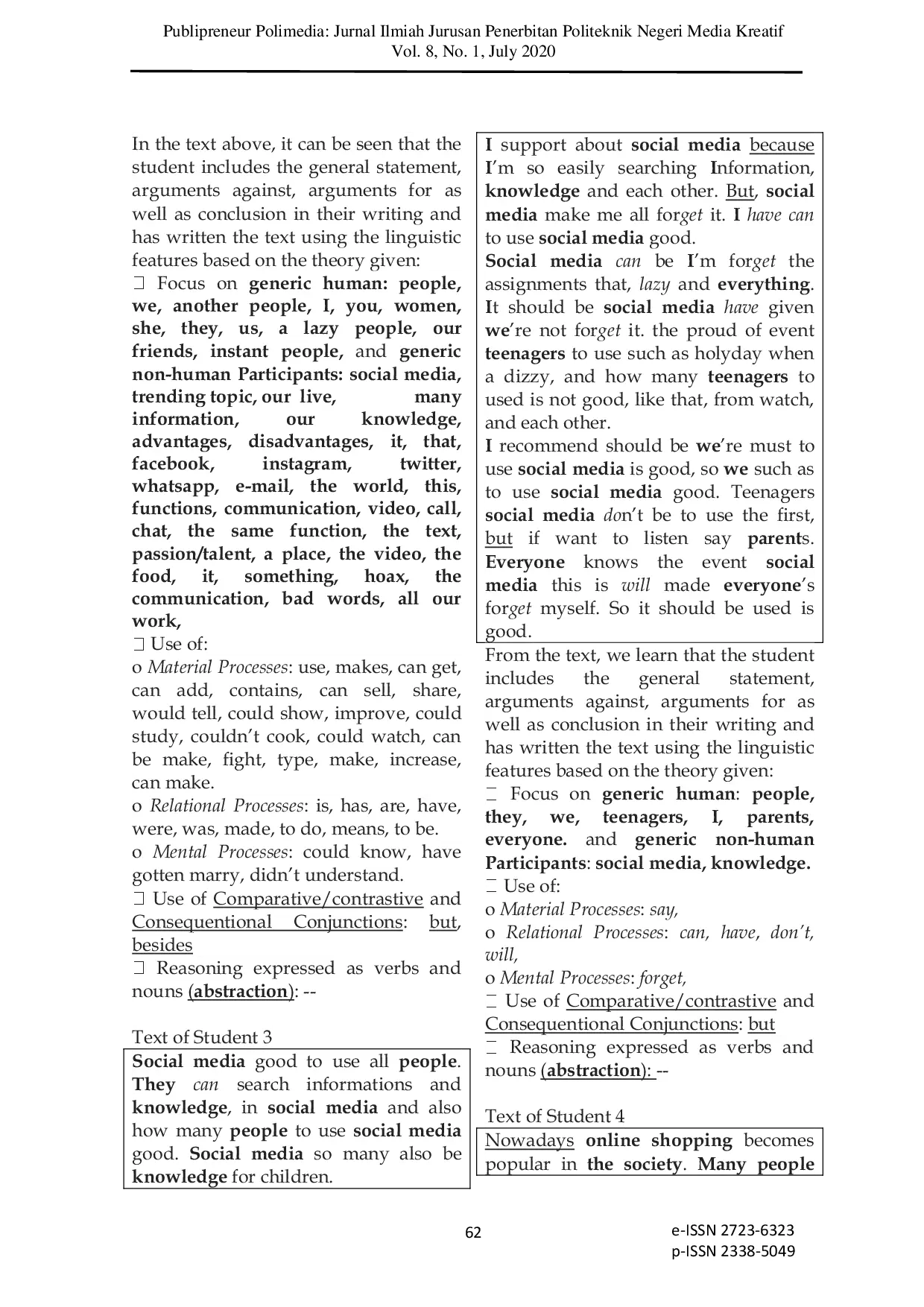
POLIMEDIAPOLIMEDIA Semua mahasiswa mengikuti aturan penulisan struktur generik, termasuk argumen pendukung, argumen penentang, serta kesimpulan atau rekomendasi. MahasiswaSemua mahasiswa mengikuti aturan penulisan struktur generik, termasuk argumen pendukung, argumen penentang, serta kesimpulan atau rekomendasi. Mahasiswa
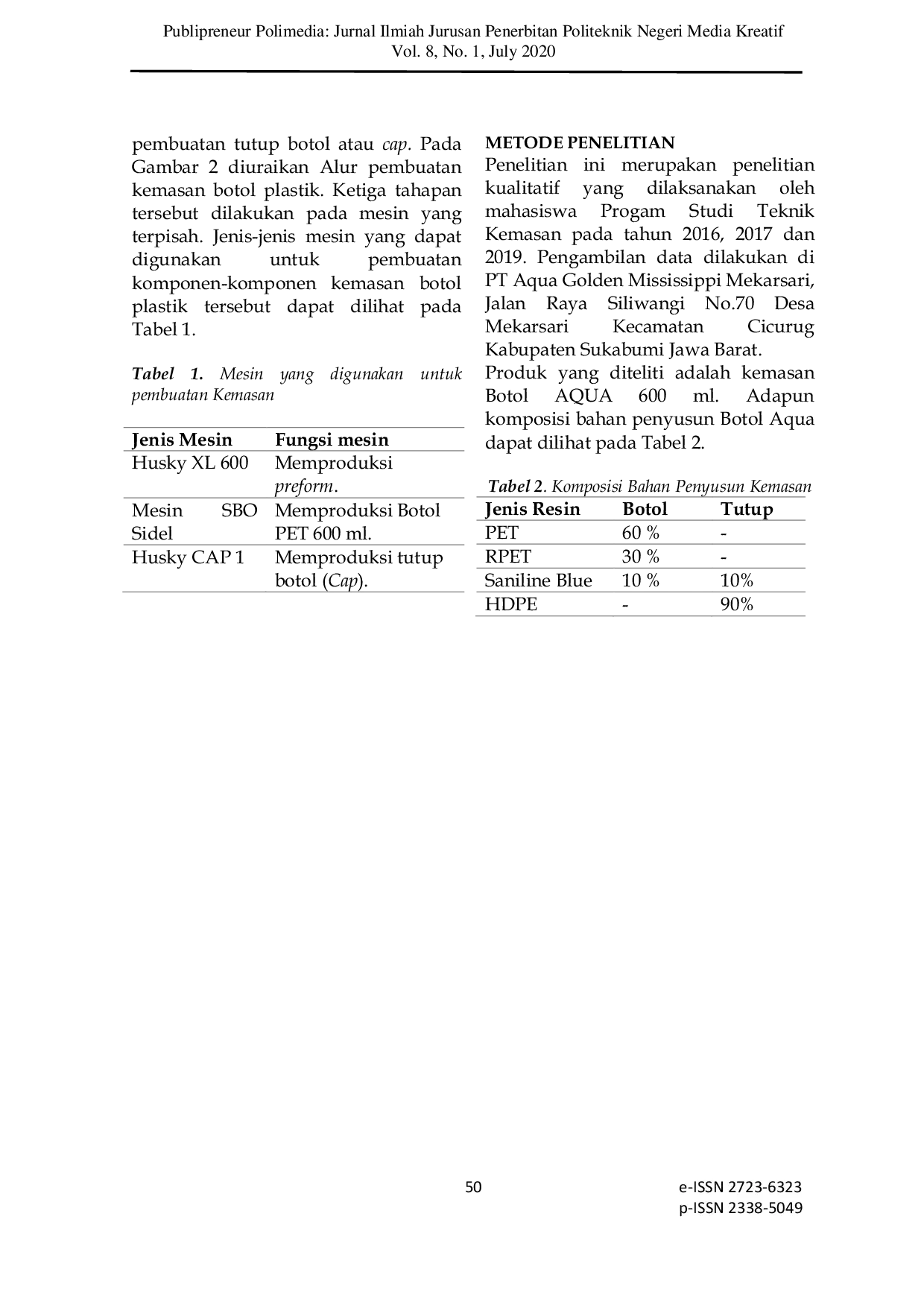
POLIMEDIAPOLIMEDIA Pada tahap pembuatan botol utuh meliputi, off center base, gagal blowing, timbul gelang, rough parting line. Terakhir adalah cacat pada proses pembuatanPada tahap pembuatan botol utuh meliputi, off center base, gagal blowing, timbul gelang, rough parting line. Terakhir adalah cacat pada proses pembuatan

POLIMEDIAPOLIMEDIA Film ini menggambarkan bagaimana aksi terorisme mengambil korban dari pihak kepolisian dan masyarakat umum. Pada akhirnya film ini menampilkan aksi-aksiFilm ini menggambarkan bagaimana aksi terorisme mengambil korban dari pihak kepolisian dan masyarakat umum. Pada akhirnya film ini menampilkan aksi-aksi
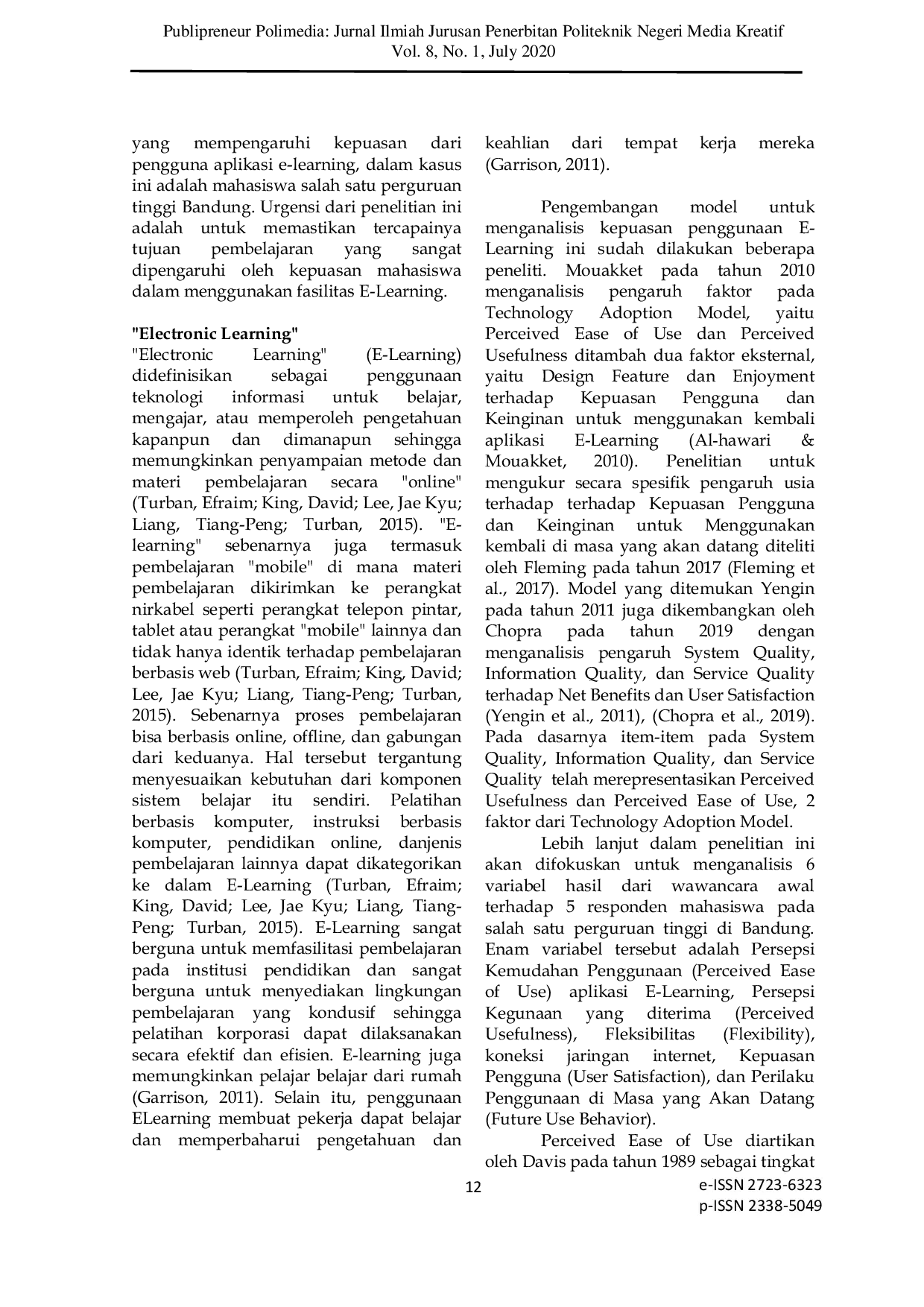
POLIMEDIAPOLIMEDIA Oleh karena itu, dirasa penting untuk mengevaluasi proses pembelajaran lewat fasilitas e-learning ini sehingga peserta ajar bisa merasa puas dan tujuanOleh karena itu, dirasa penting untuk mengevaluasi proses pembelajaran lewat fasilitas e-learning ini sehingga peserta ajar bisa merasa puas dan tujuan
POLIMEDIAPOLIMEDIA Cardstock and buffalo paper have almost the same water absorption value and are higher than HVS paper and match. The absorption speed which is almost theCardstock and buffalo paper have almost the same water absorption value and are higher than HVS paper and match. The absorption speed which is almost the
Useful /
ITBMITBM Galur liar memberikan adaptasi lingkungan dan ketahanan penyakit yang lebih besar, sementara galur terpilih biasanya menawarkan pertumbuhan yang lebihGalur liar memberikan adaptasi lingkungan dan ketahanan penyakit yang lebih besar, sementara galur terpilih biasanya menawarkan pertumbuhan yang lebih

UTUUTU Dari hasil penelitian, terungkap adanya hubungan signifikan antara pengetahuan orang tua, kebiasaan merokok keluarga, pemberian ASI eksklusif, dan statusDari hasil penelitian, terungkap adanya hubungan signifikan antara pengetahuan orang tua, kebiasaan merokok keluarga, pemberian ASI eksklusif, dan status

LITERASISAINSLITERASISAINS Program sosialisasi dan pembuatan sumur resapan berhasil meningkatkan kesadaran dan partisipasi warga dalam mitigasi banjir. Keberhasilan ini tercerminProgram sosialisasi dan pembuatan sumur resapan berhasil meningkatkan kesadaran dan partisipasi warga dalam mitigasi banjir. Keberhasilan ini tercermin

APPERTANIAPPERTANI Penelitian ini membuktikan bahwa batu jilat multi-nutrisi yang dibuat dari bahan pakan lokal dapat meningkatkan asupan pakan pada domba kerdil Afrika.Penelitian ini membuktikan bahwa batu jilat multi-nutrisi yang dibuat dari bahan pakan lokal dapat meningkatkan asupan pakan pada domba kerdil Afrika.