ITBMITBM
Indonesian Journal of Coastal and Marine StudiesIndonesian Journal of Coastal and Marine StudiesThe total bacteria and viruses in sea worms as vannamei shrimp mother feed are greatly influenced by the ozonization treatment in worms. The purpose of this study is to determine the effect of ozonation on the number of vibrio bacteria and viruses in sea worms. This research was carried out at the CV Laboratory. Source Bangka Hatchery, Mapur Village, Riau Silip District, Bangka Regency, Bangka Belitung Province. The research method used is mixed methods with experimental testing procedures designed with a Complete Acal Design (RAL) with 4 treatments with 3 replicas each which aims to determine the effect of ozonation on the number of vibrio bacteria and viruses in sea worms. The results showed that ozonization treatment had a significant influence on the microbiological quality of sea worms, especially in terms of total Vibrio bacteria and the level of viral contamination. The ozonization treatment has been proven to be able to reduce the total number of Vibrio bacteria present in the body of sea worms. Vibrio bacteria are a group of microorganisms that are often associated with the risk of disease in humans and aquatic animals. This decrease in the number of bacteria shows that ozone can be an effective antimicrobial agent in suppressing the growth and spread of pathogenic bacteria. In addition, ozonization also affects the level of viral contamination in sea worms. Ozone is known as a powerful oxidizer that can damage the structure of proteins and nucleic acids in viruses, thereby reducing the viability and infectivity level of viruses contained in sea worm tissues. The results showed a marked difference between the control group and the ozonized treatment group, where the treatment group showed significantly lower levels of virus contamination.
Ozonization treatment significantly influences the microbiological quality of sea worms, particularly regarding total Vibrio bacteria and viral contamination levels.The treatment effectively reduces the total number of Vibrio bacteria in sea worms, which are often linked to disease risks in humans and aquatic animals.Furthermore, ozonization impacts viral contamination by damaging viral protein and nucleic acid structures, decreasing their viability and infectivity.
Future research should investigate the optimal ozone concentration and exposure time for sea worm treatment to maximize antimicrobial effects while preserving nutritional value. Further studies are needed to explore the long-term impact of ozonated sea worm consumption on the immune response and disease resistance of vannamei shrimp larvae and adults. Additionally, research could focus on developing a cost-effective and scalable ozonation system suitable for implementation in small-scale shrimp hatcheries, considering factors like energy consumption and maintenance requirements. These investigations will contribute to refining biosecurity protocols and promoting sustainable shrimp aquaculture practices by enhancing feed safety and reducing reliance on antibiotics, ultimately supporting the growth of a competitive and resilient national shrimp production sector. The exploration of combining ozonation with other biosecurity measures, such as probiotic supplementation, could also be a promising avenue for synergistic effects in improving shrimp health and reducing disease outbreaks.
| File size | 247.3 KB |
| Pages | 7 |
| DMCA | Report |
Related /
JOURNALMPCIJOURNALMPCI The experimental design used a post-test only with five groups: normal control, positive control (diabetes metformin 45 mg/kgBW), negative control (diabetesThe experimental design used a post-test only with five groups: normal control, positive control (diabetes metformin 45 mg/kgBW), negative control (diabetes

ITBMITBM This finding suggests its potential as a natural and environmentally friendly material for preventing bacterial diseases, specifically vibriosis, in shrimpThis finding suggests its potential as a natural and environmentally friendly material for preventing bacterial diseases, specifically vibriosis, in shrimp
POLTEKKESGORONTALOPOLTEKKESGORONTALO Audio-visual media is an appropriate medium for providing education because it provides good visualization, facilitating the development of knowledge.Audio-visual media is an appropriate medium for providing education because it provides good visualization, facilitating the development of knowledge.

PUBMEDIAPUBMEDIA Penelitian ini mengkaji peningkatan sifat mekanik piston ring bekas melalui perlakuan panas yang strategis. Penelitian difokuskan pada optimalisasi parameterPenelitian ini mengkaji peningkatan sifat mekanik piston ring bekas melalui perlakuan panas yang strategis. Penelitian difokuskan pada optimalisasi parameter
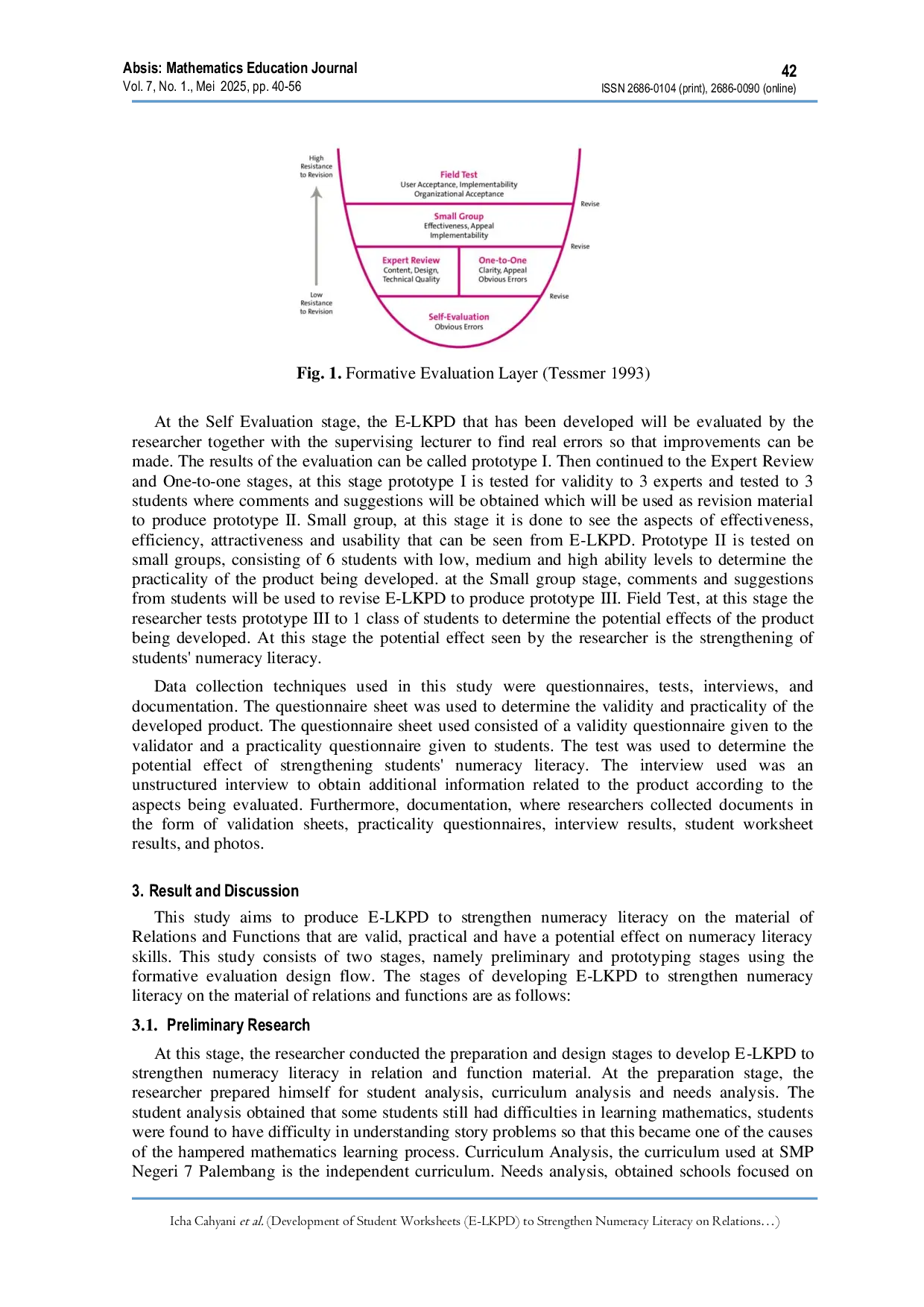
UNIVET BANTARAUNIVET BANTARA Practicality data was obtained through interviews and practicality questionnaire which were analyzed qualitatively and quantitatively at the one-to-one,Practicality data was obtained through interviews and practicality questionnaire which were analyzed qualitatively and quantitatively at the one-to-one,
UNPABUNPAB Pada tahap pendahuluan, materi dianalisis dan flowchart dibuat untuk menentukan urutan materi yang ditampilkan. Tahap prototyping menggunakan alur evaluasiPada tahap pendahuluan, materi dianalisis dan flowchart dibuat untuk menentukan urutan materi yang ditampilkan. Tahap prototyping menggunakan alur evaluasi

UNIVET BANTARAUNIVET BANTARA The data obtained showed that the performance of different eggs for each treatment sample had a significant effect on feed consumption, hen day production,The data obtained showed that the performance of different eggs for each treatment sample had a significant effect on feed consumption, hen day production,

CBIORECBIORE All the results would assist further understanding of thermal decomposition and thermo-chemical application for bio-fuels and bio-chemicals of fir woodAll the results would assist further understanding of thermal decomposition and thermo-chemical application for bio-fuels and bio-chemicals of fir wood
Useful /
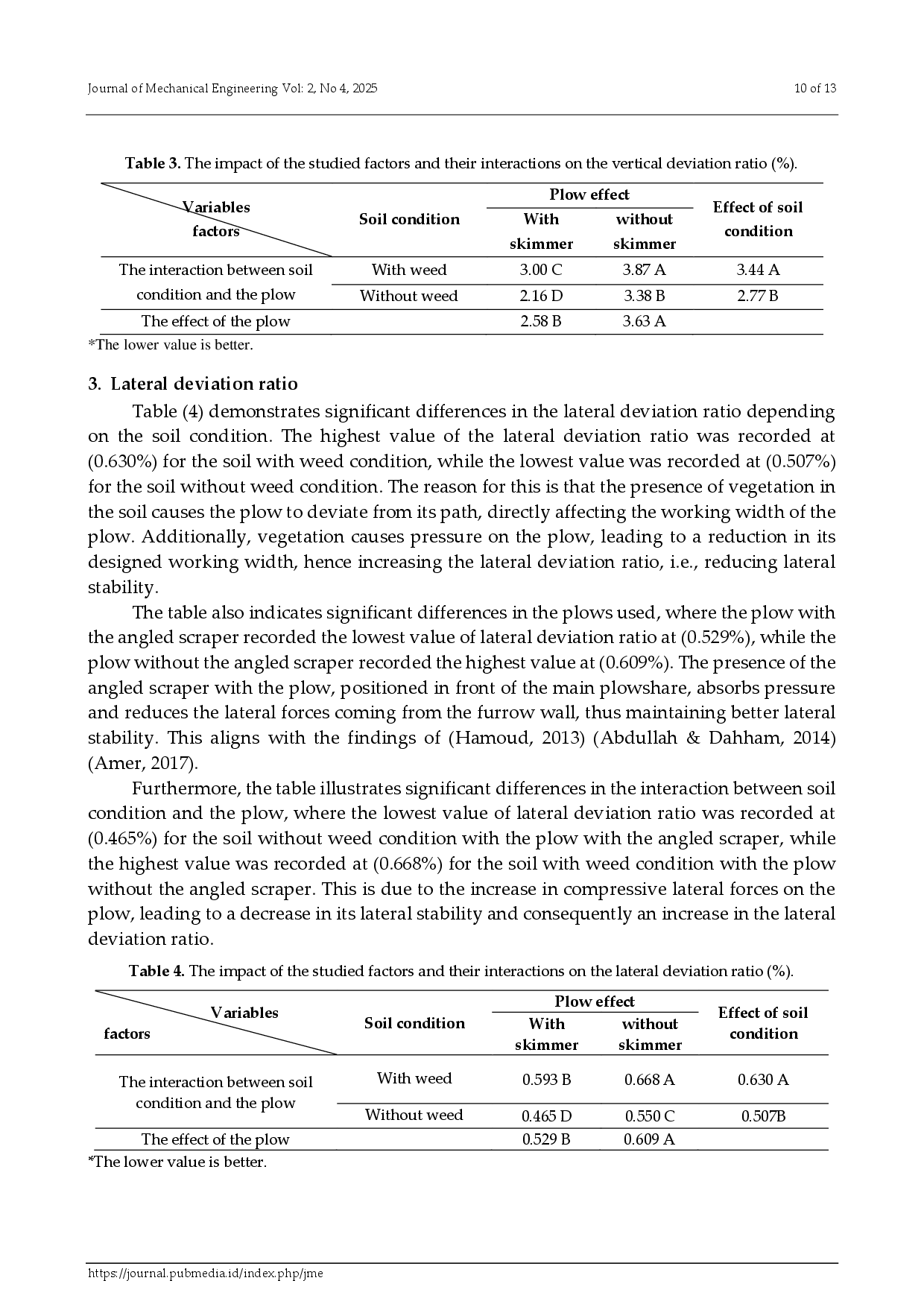
PUBMEDIAPUBMEDIA Penelitian dilakukan dalam dua tahap: tahap pertama meliputi penetapan dimensi dan ukuran scraper angular serta pembuatan fisiknya. Tahap kedua meliputiPenelitian dilakukan dalam dua tahap: tahap pertama meliputi penetapan dimensi dan ukuran scraper angular serta pembuatan fisiknya. Tahap kedua meliputi

UNWAHAUNWAHA Persentase nilai validasi ahli materi dan ahli media mencapai 92,2%, menunjukkan respon positif dan kualitas media yang valid. Pengembangan media mobilePersentase nilai validasi ahli materi dan ahli media mencapai 92,2%, menunjukkan respon positif dan kualitas media yang valid. Pengembangan media mobile

UNPABUNPAB Dalam makalah ini digunakan Runge Kutta Metode urutan ke-4 dengan bantuan perangkat lunak Matlab. Dari hasil perhitungan dan analisis kestabilan sistemDalam makalah ini digunakan Runge Kutta Metode urutan ke-4 dengan bantuan perangkat lunak Matlab. Dari hasil perhitungan dan analisis kestabilan sistem
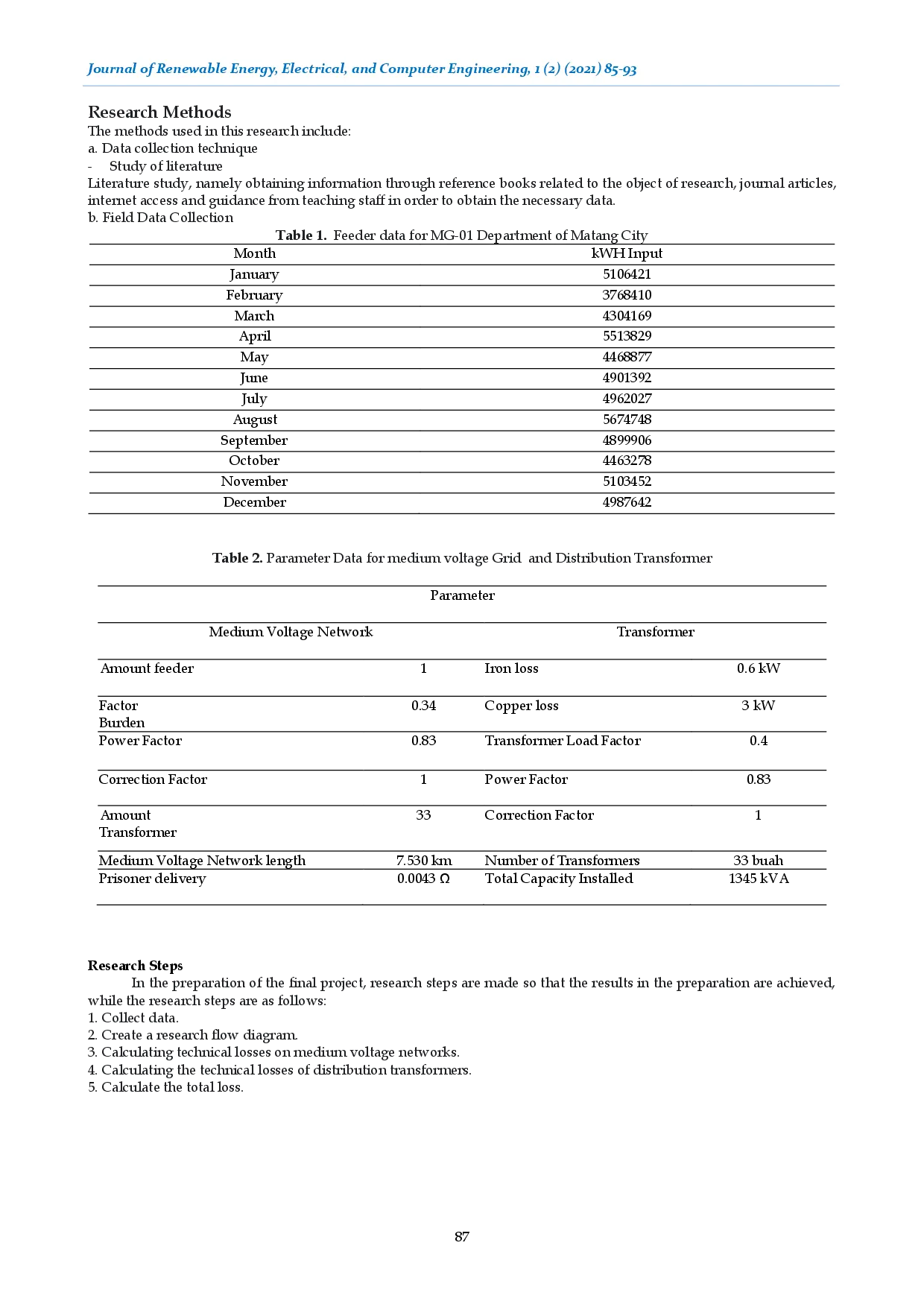
UNIMALUNIMAL Komposisi rata‑rata kehilangan teknis tahun 2019 terdiri dari kehilangan jaringan tegangan menengah sebesar 16 662,08 kWh atau 0,02 % dan kehilanganKomposisi rata‑rata kehilangan teknis tahun 2019 terdiri dari kehilangan jaringan tegangan menengah sebesar 16 662,08 kWh atau 0,02 % dan kehilangan