DINUSDINUS
JAKA (Jurnal Akuntansi, Keuangan, dan Auditing)JAKA (Jurnal Akuntansi, Keuangan, dan Auditing)This study highlights the increasing cases of QRIS phishing targeting Generation Z through social media using various social engineering techniques. The research analyzes the influence of understanding internal controls, risk awareness, and self-efficacy on the effectiveness of QRIS phishing prevention. A quantitative approach was employed with a population of 10,951 active students at Dian Nuswantoro University and a sample of 408 respondents selected through purposive sampling based on their experience conducting QRIS transactions. Data were analyzed using multiple linear regression with SPSS. The results show that understanding internal controls, risk awareness, and self-efficacy have positive and significant effects on QRIS phishing prevention, both simultaneously and partially. Among the three variables, understanding internal controls is the most dominant factor. These findings underscore the importance of strengthening cybersecurity literacy to promote safer digital payment behavior among Generation Z.
The study demonstrates that understanding internal controls, risk awareness, and self-efficacy significantly influence the prevention of QRIS phishing among Generation Z.Understanding of internal controls emerged as the most dominant factor in mitigating this threat.These findings emphasize the critical role of enhancing cybersecurity literacy and promoting secure digital payment practices within this demographic.
Further research should investigate the effectiveness of tailored cybersecurity training programs specifically designed for Generation Z, focusing on practical skills for identifying and avoiding QRIS phishing attempts. Additionally, studies could explore the role of financial institutions and regulatory bodies in developing and implementing more robust security measures and consumer protection policies related to QRIS transactions. Finally, future research could examine the influence of social and cultural factors on QRIS phishing vulnerability among Generation Z, considering variations in digital literacy and risk perception across different socioeconomic groups and regions within Indonesia. These investigations will contribute to a more comprehensive understanding of the challenges and opportunities in safeguarding digital payment ecosystems and fostering responsible financial behavior among young adults.
- Becoming a Cashless Society: The Role of QRIS from the Z-Generation Student's Perspective | JASF:... jasf.upnjatim.ac.id/index.php/jasf/article/view/404Becoming a Cashless Society The Role of QRIS from the Z Generation Students Perspective JASF jasf upnjatim ac index php jasf article view 404
- LEGAL PROBLEMS FOR QUICK RESPONSE CODE INDONESIAN STANDARD (QRIS) USERS IN ONLINE PAYMENT TRANSACTIONS... Doi.Org/10.61397/Ays.V2i1.183LEGAL PROBLEMS FOR QUICK RESPONSE CODE INDONESIAN STANDARD QRIS USERS IN ONLINE PAYMENT TRANSACTIONS Doi Org 10 61397 Ays V2i1 183
- The Influence of Internal Control and Individual Morality on Fraud Prevention in Industrial Garment Company... Doi.Org/10.30741/Assets.V9i1.1446The Influence of Internal Control and Individual Morality on Fraud Prevention in Industrial Garment Company Doi Org 10 30741 Assets V9i1 1446
| File size | 372.72 KB |
| Pages | 15 |
| DMCA | Report |
Related /

ONERESEARCHONERESEARCH COOL-IT has two components where some indicators are still not yet fulfilled. First, the organizational indicators show that the commitment to competencyCOOL-IT has two components where some indicators are still not yet fulfilled. First, the organizational indicators show that the commitment to competency
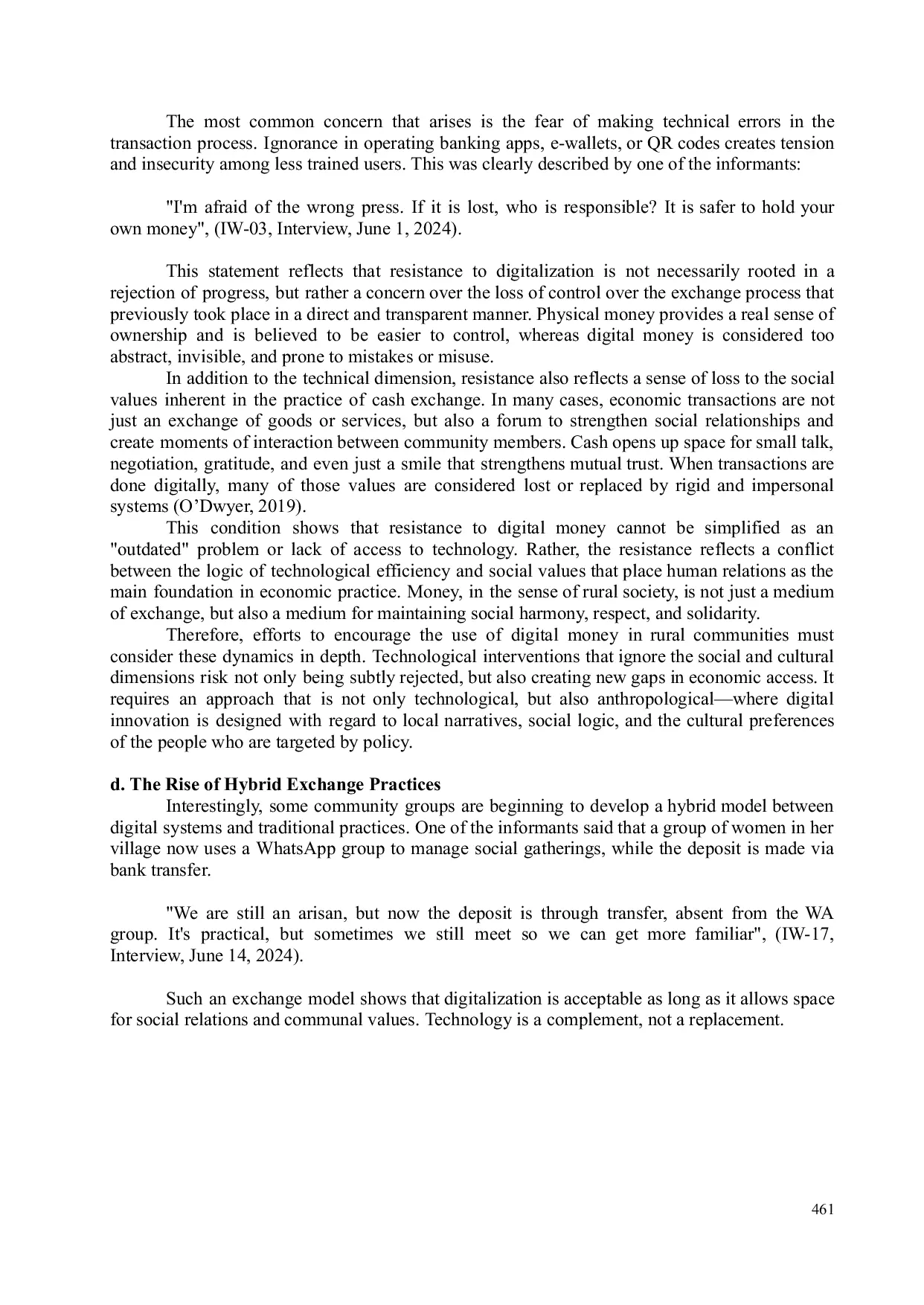
INTERNATIONALPUBLISHERINTERNATIONALPUBLISHER Proses digitalisasi keuangan yang terjadi di masyarakat desa tidak selalu menghilangkan atau mengganti nilai ekonomi yang telah lama berakar dalam strukturProses digitalisasi keuangan yang terjadi di masyarakat desa tidak selalu menghilangkan atau mengganti nilai ekonomi yang telah lama berakar dalam struktur

UMPARUMPAR Studi ini menyelidiki dampak orientasi kewirausahaan terhadap kinerja pemasaran UMKM street food dengan inovasi produk sebagai perantara. Data dikumpulkanStudi ini menyelidiki dampak orientasi kewirausahaan terhadap kinerja pemasaran UMKM street food dengan inovasi produk sebagai perantara. Data dikumpulkan

ASIAASIA The research findings indicate that good governance practices positively contribute to improved financial report quality, and the utilization of the RegionalThe research findings indicate that good governance practices positively contribute to improved financial report quality, and the utilization of the Regional

STIE AASSTIE AAS Secara keseluruhan, sistem pengendalian internal kas perusahaan tergolong baik dan mendukung integritas keuangan perusahaan. Prosedur penerimaan kas diSecara keseluruhan, sistem pengendalian internal kas perusahaan tergolong baik dan mendukung integritas keuangan perusahaan. Prosedur penerimaan kas di

STPI PAJAKSTPI PAJAK Data diperoleh dari penyebaran kuesioner kepada Aparatur Pemerintah Desa Baranangsiang Bandung Barat Jawa Barat. Penelitian ini menggunakan teknik pengumpulanData diperoleh dari penyebaran kuesioner kepada Aparatur Pemerintah Desa Baranangsiang Bandung Barat Jawa Barat. Penelitian ini menggunakan teknik pengumpulan

UAJMUAJM SPI tersebut berkontribusi pada tata kelola pemerintahan yang baik dengan transparansi dan akuntabilitas tinggi, meskipun partisipasi masih sedang danSPI tersebut berkontribusi pada tata kelola pemerintahan yang baik dengan transparansi dan akuntabilitas tinggi, meskipun partisipasi masih sedang dan

STIEMULIA SINGKAWANGSTIEMULIA SINGKAWANG Penelitian ini menggunakan bentuk penelitian deskriptif dalam bentuk studi kasus pada Mie Asin Cap Bunga Singkawang. Data yang diperoleh melalui wawancara,Penelitian ini menggunakan bentuk penelitian deskriptif dalam bentuk studi kasus pada Mie Asin Cap Bunga Singkawang. Data yang diperoleh melalui wawancara,
Useful /
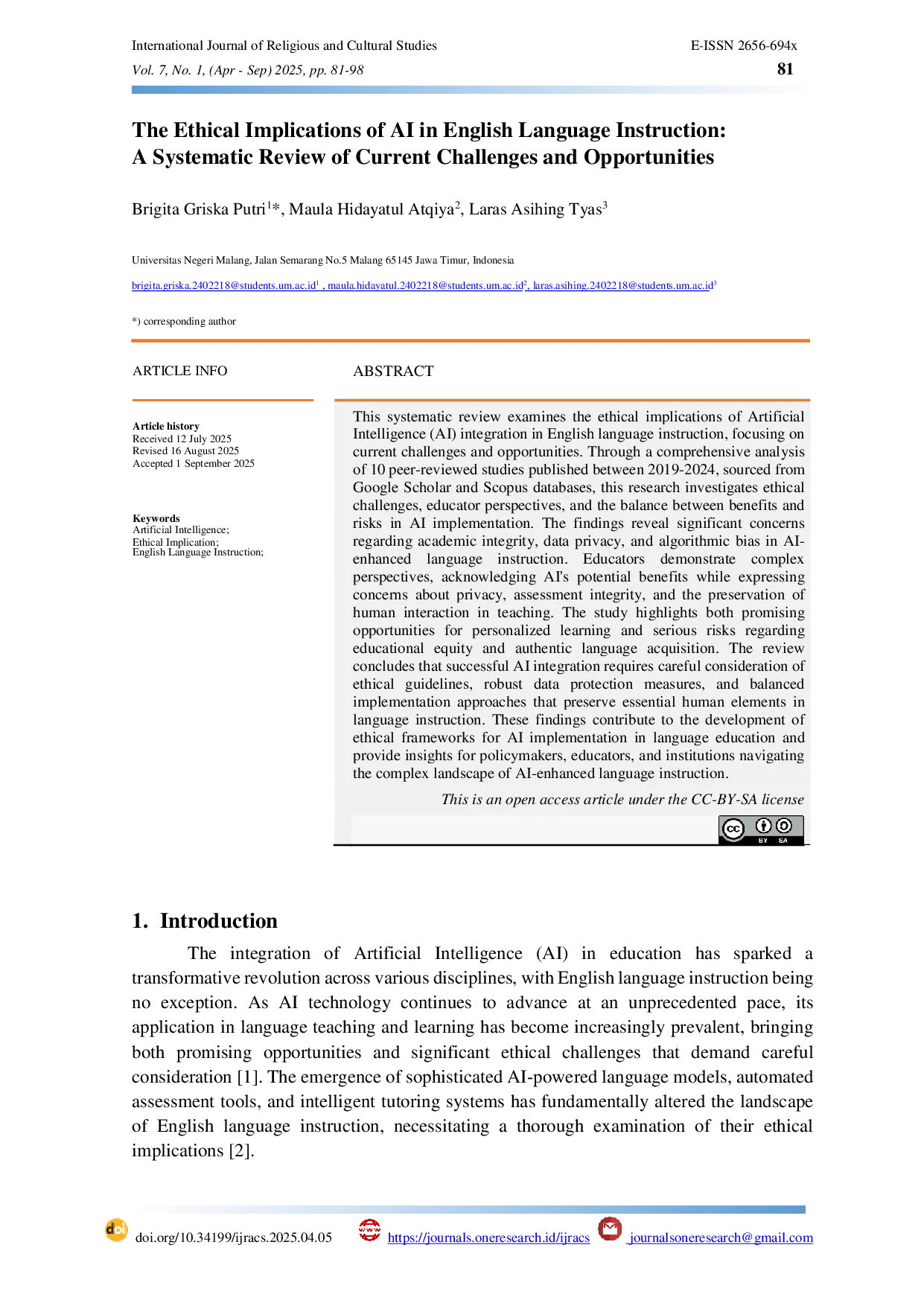
ONERESEARCHONERESEARCH Temuan ini berkontribusi pada pengembangan kerangka kerja etika untuk penerapan AI dalam pendidikan bahasa dan memberikan wawasan bagi pembuat kebijakan,Temuan ini berkontribusi pada pengembangan kerangka kerja etika untuk penerapan AI dalam pendidikan bahasa dan memberikan wawasan bagi pembuat kebijakan,
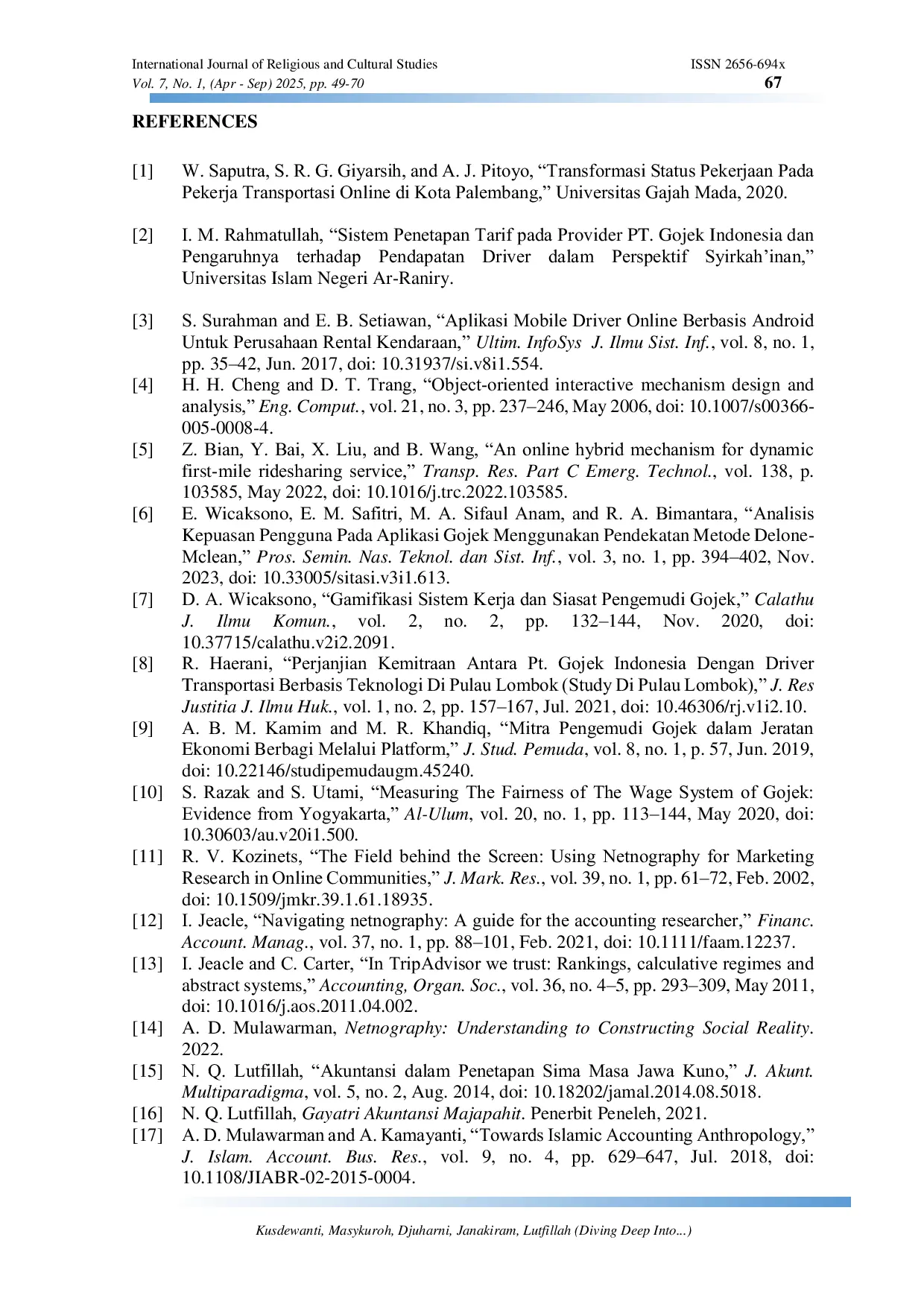
ONERESEARCHONERESEARCH Penelitian ini bertujuan untuk mengungkap realitas biaya transportasi online, sumber konflik utama, dan meneliti struktur sosial serta pola budaya yangPenelitian ini bertujuan untuk mengungkap realitas biaya transportasi online, sumber konflik utama, dan meneliti struktur sosial serta pola budaya yang

E GREENATIONE GREENATION Metode yang digunakan adalah Convolutional Neural Networks (CNN), sebuah teknik deep learning, untuk menganalisis perubahan penggunaan lahan, termasukMetode yang digunakan adalah Convolutional Neural Networks (CNN), sebuah teknik deep learning, untuk menganalisis perubahan penggunaan lahan, termasuk

UNUDUNUD Pariwisata di Ubud secara historis selalu terkait erat dengan komunitas ekspatriat dan aktivitas ekonomi internasional. Pariwisata bukan proses satu arah,Pariwisata di Ubud secara historis selalu terkait erat dengan komunitas ekspatriat dan aktivitas ekonomi internasional. Pariwisata bukan proses satu arah,