JMI UPIYPTKJMI UPIYPTK
Majalah Ilmiah UPI YPTKMajalah Ilmiah UPI YPTKThe ASEAN Economic Community era has intensified multilingual business communication, particularly the use of Mandarin in multinational companies. This condition highlights the importance of professional Mandarin–Indonesian translation competence for local employees. However, limitations in professional translation skills are still evident, especially in mastering technical terminology and applying contextual translation strategies relevant to workplace demands. This community service program aimed to strengthen profession-oriented Mandarin translation competence among employees of PT LBM Energi Baru Indonesia in Kendal Regency, Central Java. The implementation methods included workshop-based training, hands-on practice in translating professional documents and guided practice on translation techniques and strategies, particularly technical terms in chemistry and company administration. Evaluation was conducted through participant questionnaires and translation performance assessment. The results indicated improvements in participants understanding of contextual translation techniques, accuracy in term selection, terminology consistency, and confidence in bilingual workplace communication. Literal translation errors and meaning mismatches decreased after the training sessions. These findings demonstrate that practice-based training is effective in enhancing professional translation competence and is essential for preparing local human resources to meet the demands of global business communication.
The community engagement program effectively enhanced Mandarin–Indonesian translation competence in an industrial setting, as evidenced by improved translation performance and positive participant evaluations.The program addressed key challenges related to translation accuracy, professional strategy mastery, and terminology resources.By integrating needs analysis, contextualized training, and technology diffusion, the program bridged the gap between academic preparation and real-world workplace demands.
Berdasarkan hasil penelitian ini, beberapa saran penelitian lanjutan dapat diajukan. Pertama, penelitian lebih lanjut dapat dilakukan untuk menguji efektivitas model pelatihan ini dalam skala yang lebih besar, melibatkan lebih banyak perusahaan dan peserta dari berbagai latar belakang industri. Kedua, studi komparatif dapat dilakukan untuk membandingkan efektivitas berbagai metode pelatihan terjemahan, seperti pelatihan berbasis teknologi, pelatihan tatap muka, dan pembelajaran campuran, untuk mengidentifikasi pendekatan yang paling optimal. Ketiga, penelitian dapat difokuskan pada pengembangan sumber daya terjemahan khusus industri, seperti glosarium dan basis data terminologi, yang disesuaikan dengan kebutuhan spesifik sektor energi dan kimia, untuk mendukung peningkatan kualitas terjemahan dan mengurangi kesalahan interpretasi. Penelitian-penelitian ini diharapkan dapat memberikan kontribusi signifikan dalam meningkatkan kompetensi terjemahan profesional di Indonesia dan mendukung kelancaran komunikasi bisnis lintas bahasa di era globalisasi.
| File size | 514.64 KB |
| Pages | 9 |
| DMCA | Report |
Related /
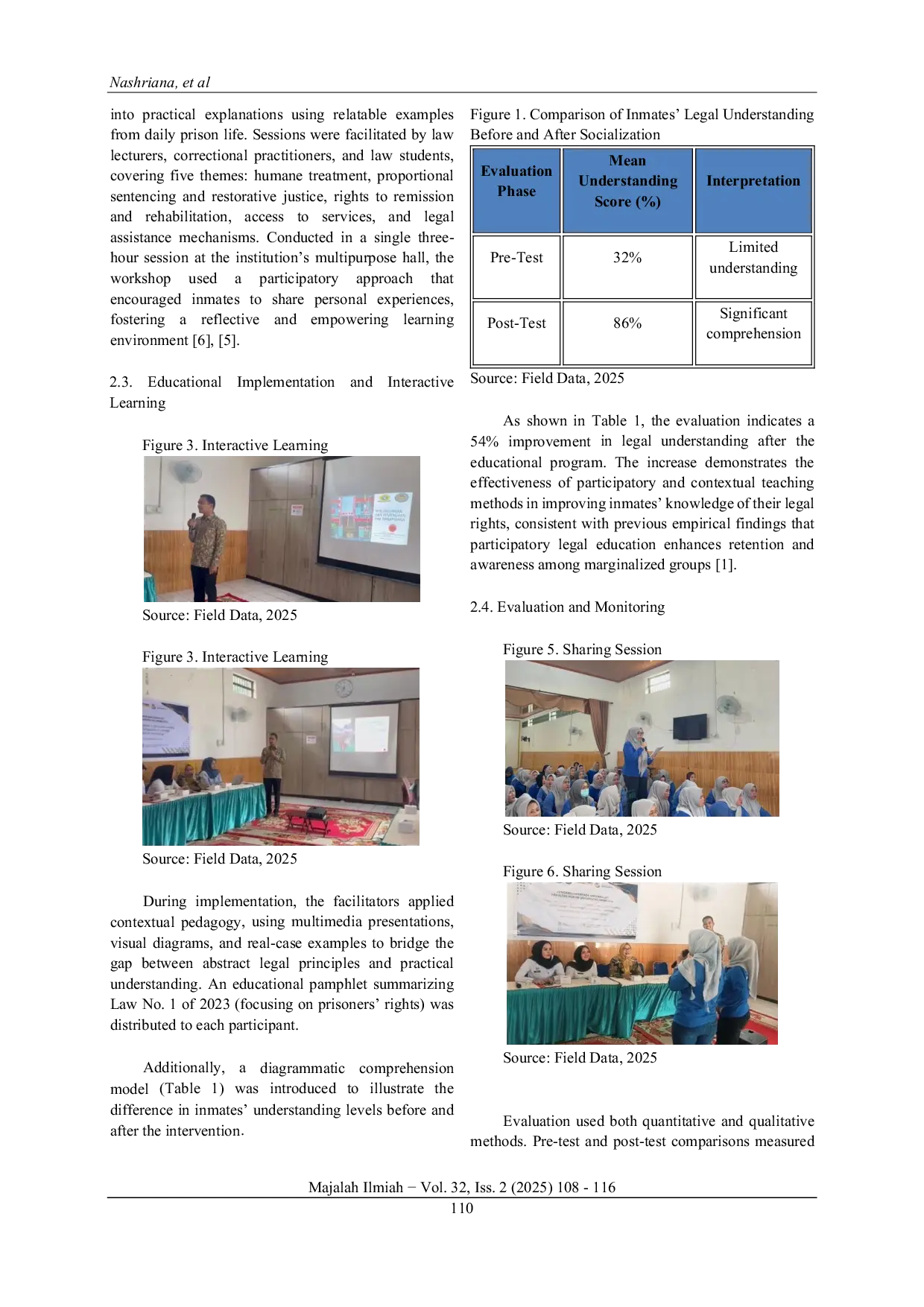
JMI UPIYPTKJMI UPIYPTK Data were collected through pre-tests, post-tests, interviews, and observations. Results showed a significant increase in inmates legal understanding,Data were collected through pre-tests, post-tests, interviews, and observations. Results showed a significant increase in inmates legal understanding,
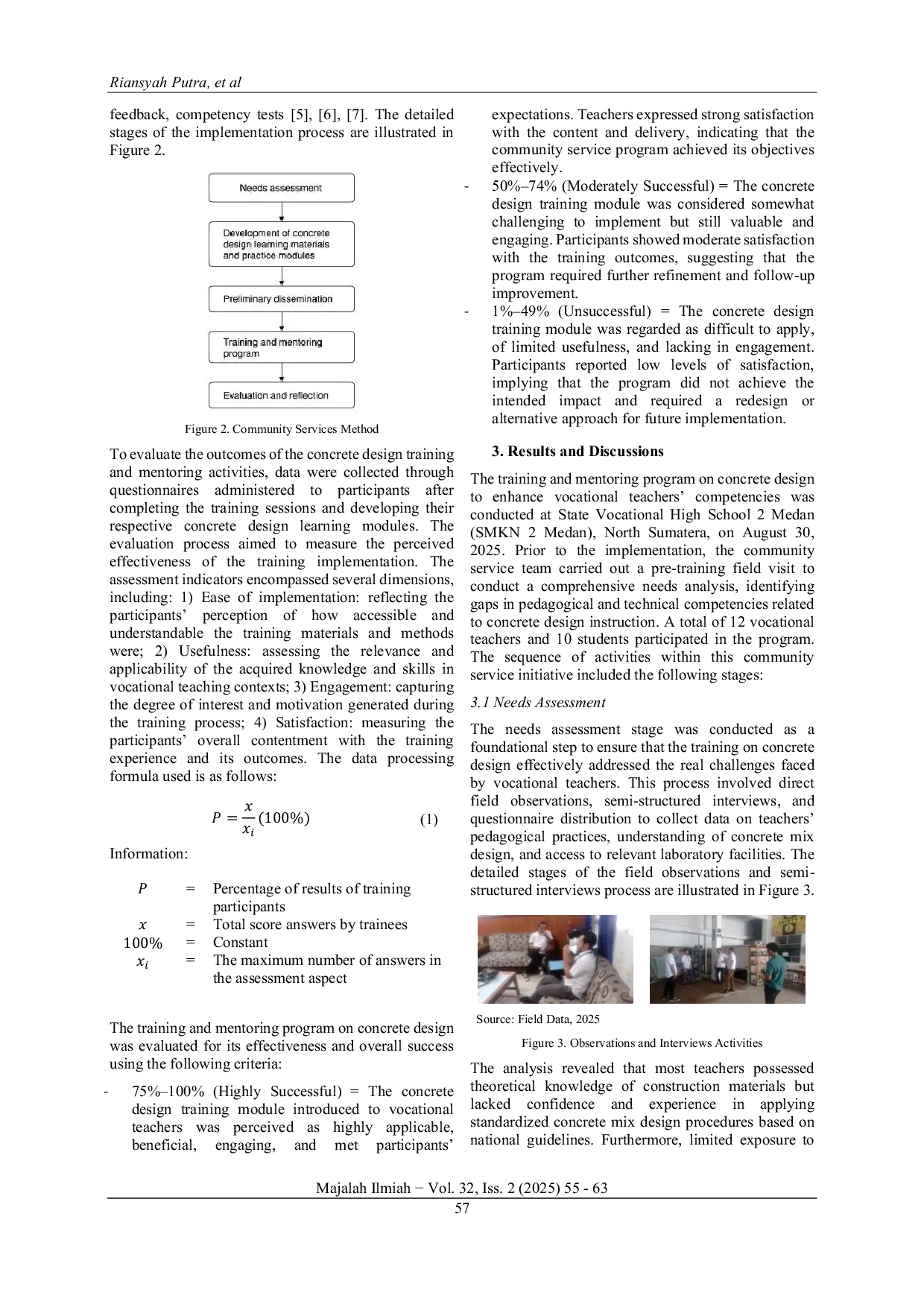
JMI UPIYPTKJMI UPIYPTK Batasan ini menghambat penyampaian pembelajaran praktis dalam desain beton, menyebabkan perkembangan keterampilan siswa yang kurang optimal dan kurangBatasan ini menghambat penyampaian pembelajaran praktis dalam desain beton, menyebabkan perkembangan keterampilan siswa yang kurang optimal dan kurang

STIE MCESTIE MCE Investor emotion is significantly influenced by stimuli related to the pandemic, including lockdowns, case numbers, vaccinations, and government support.Investor emotion is significantly influenced by stimuli related to the pandemic, including lockdowns, case numbers, vaccinations, and government support.
UMBUMB Algoritma berbasis gradien kemudian mengidentifikasi kombinasi parameter optimal. Hasil menunjukkan bahwa ketebalan cangkang merupakan faktor paling berpengaruhAlgoritma berbasis gradien kemudian mengidentifikasi kombinasi parameter optimal. Hasil menunjukkan bahwa ketebalan cangkang merupakan faktor paling berpengaruh
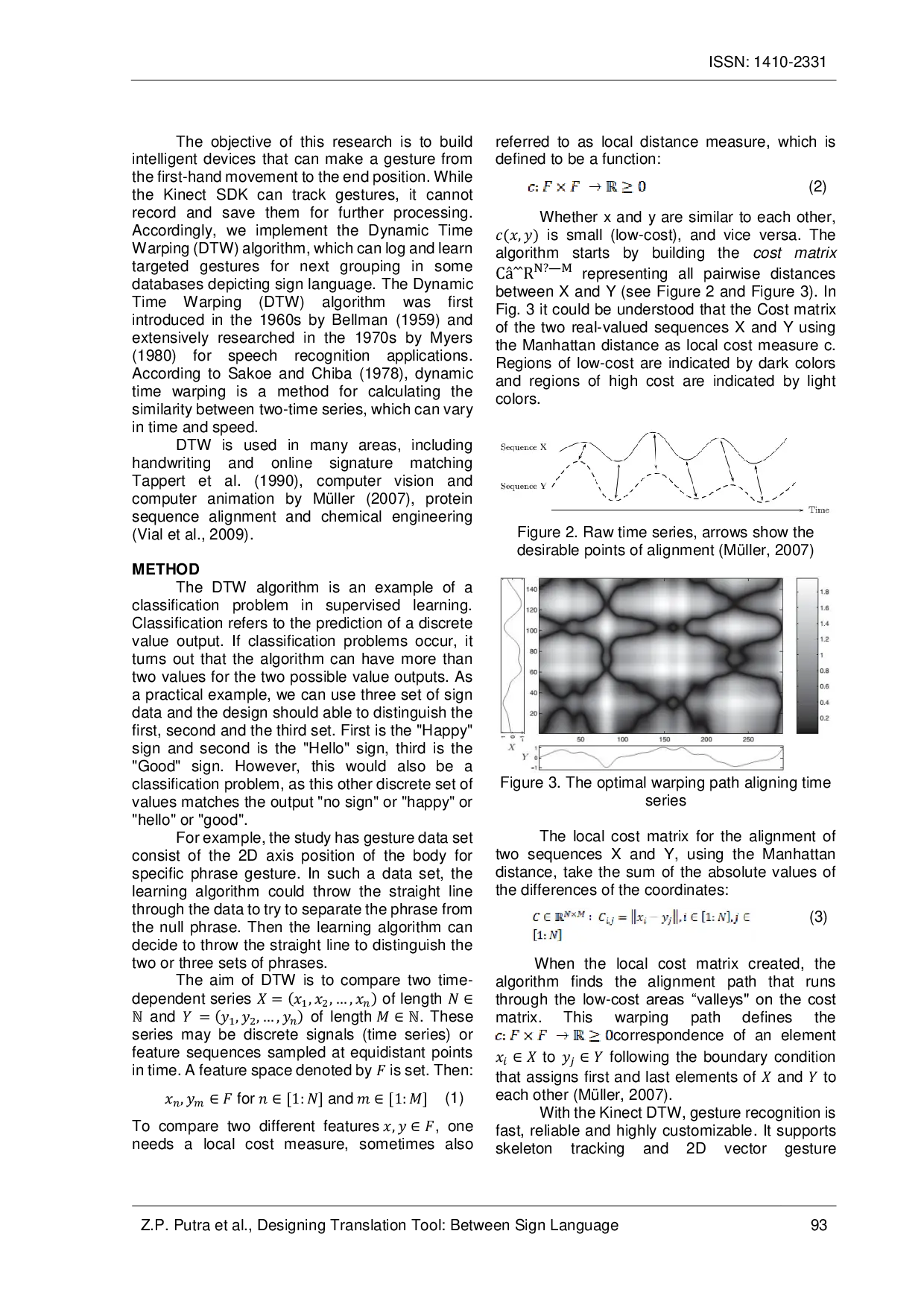
UMBUMB Studi pengguna, yang mencakup beberapa prototipe antarmuka pengguna, dilakukan dengan pengamatan sepuluh peserta yang harus melakukan gerakan dan mengejaStudi pengguna, yang mencakup beberapa prototipe antarmuka pengguna, dilakukan dengan pengamatan sepuluh peserta yang harus melakukan gerakan dan mengeja
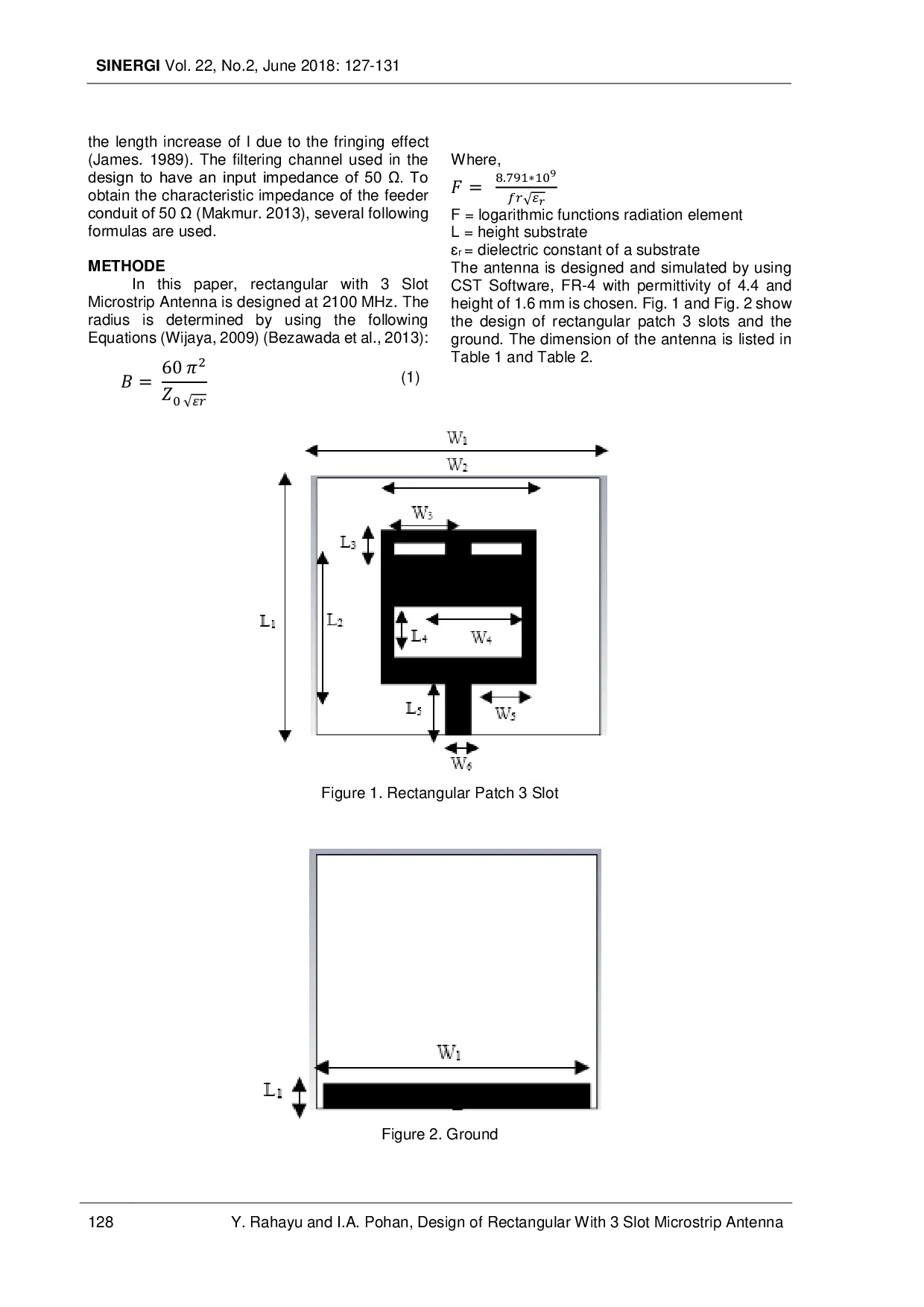
UMBUMB Dengan teknologi yang memiliki kecepatan transmisi tinggi, tentu saja diperlukan perangkat baru yang dapat beroperasi di jaringan ini. Antena yang dibutuhkanDengan teknologi yang memiliki kecepatan transmisi tinggi, tentu saja diperlukan perangkat baru yang dapat beroperasi di jaringan ini. Antena yang dibutuhkan
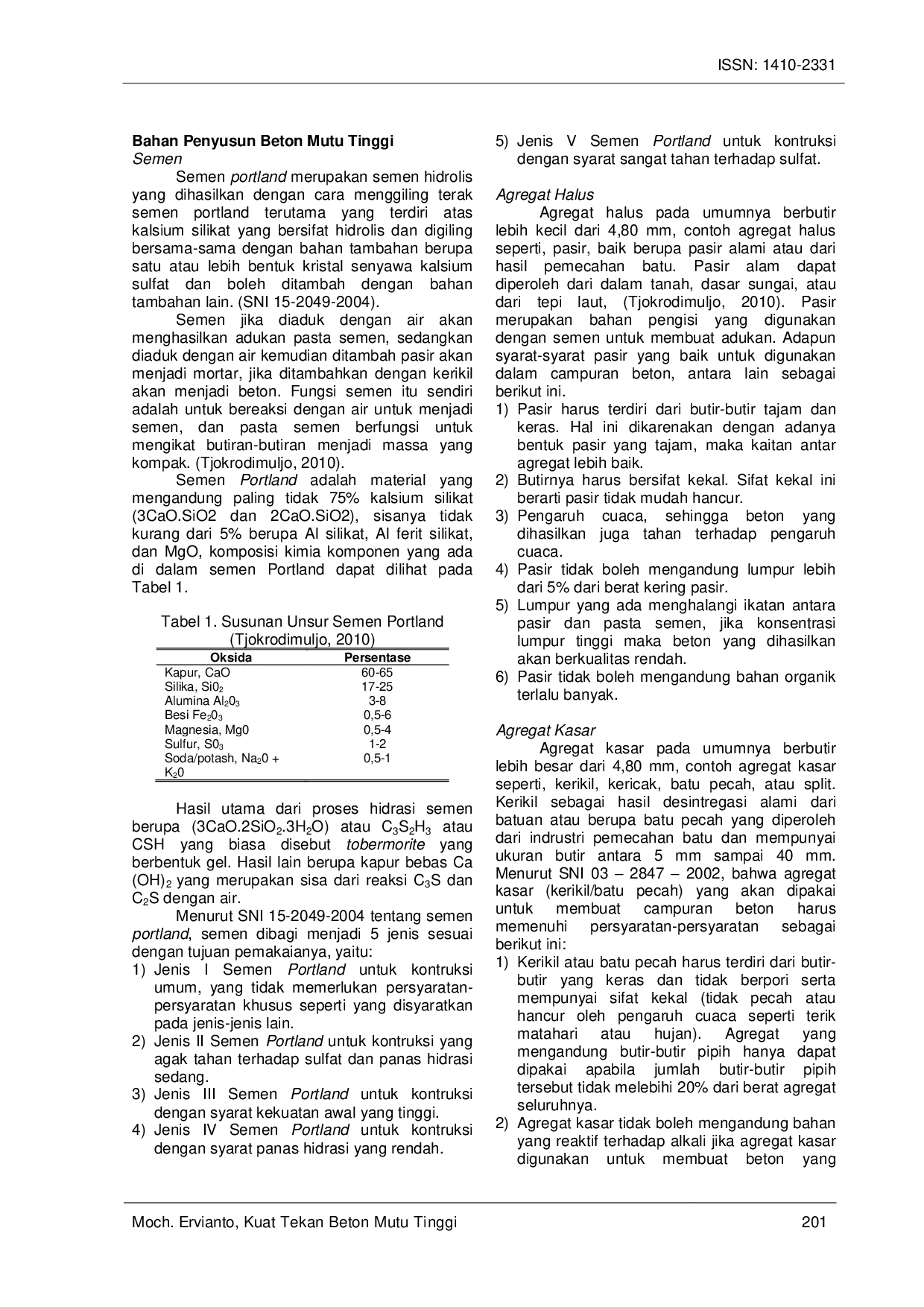
UMBUMB Pembuatan benda uji menggunakan silinder berukuran diameter 15cm dan tinggi 30 cm dengan 3 variasi, dan diuji pada umur 28 hari. Penambahan zat additivePembuatan benda uji menggunakan silinder berukuran diameter 15cm dan tinggi 30 cm dengan 3 variasi, dan diuji pada umur 28 hari. Penambahan zat additive
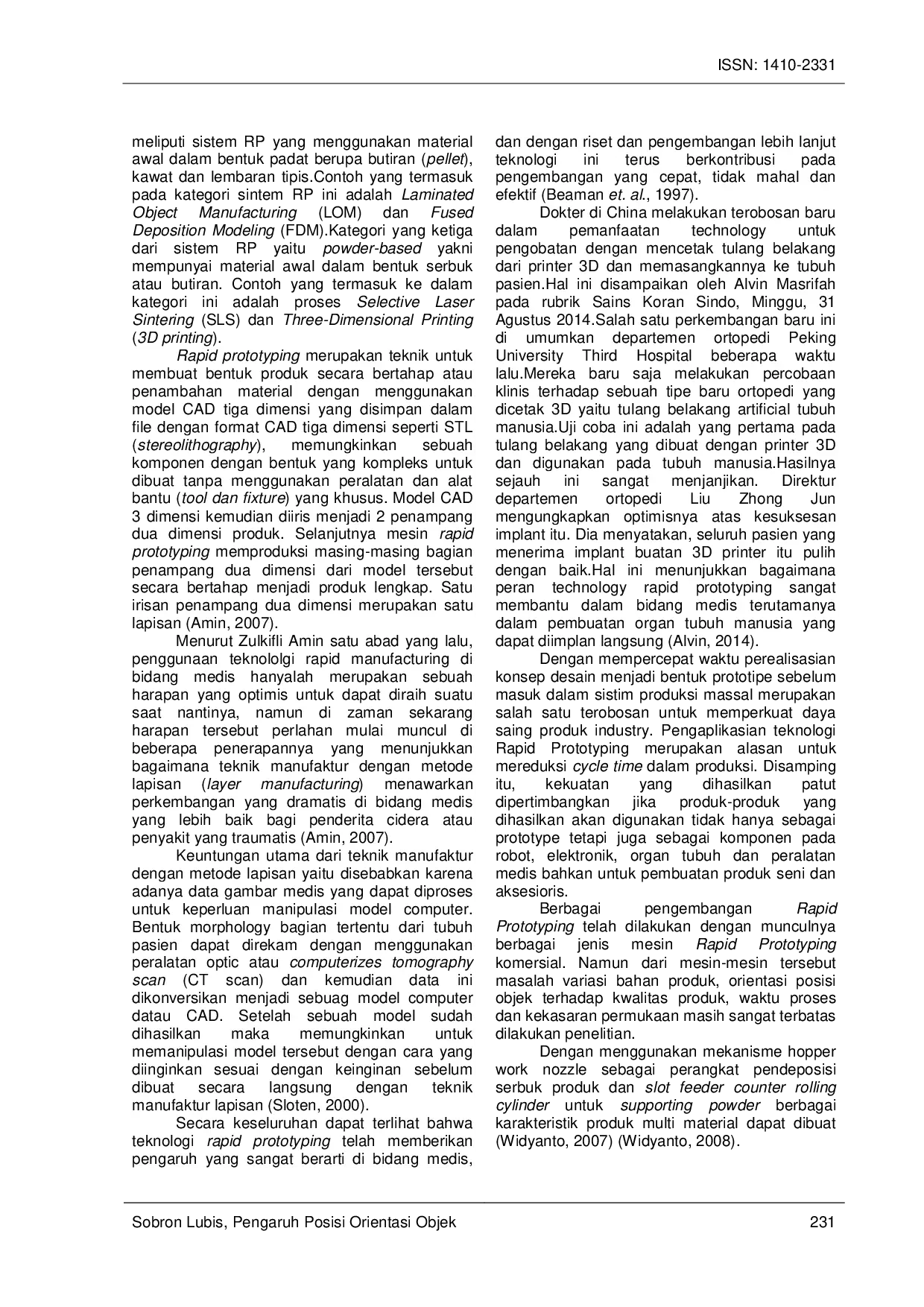
UMBUMB Keunggulan dari rapid prototyping dalam bidang manufaktur adalah kemudahannya dalam menghasilkan suatu produk yang kompleks dengan tepat dan efisien. ProsesKeunggulan dari rapid prototyping dalam bidang manufaktur adalah kemudahannya dalam menghasilkan suatu produk yang kompleks dengan tepat dan efisien. Proses
Useful /
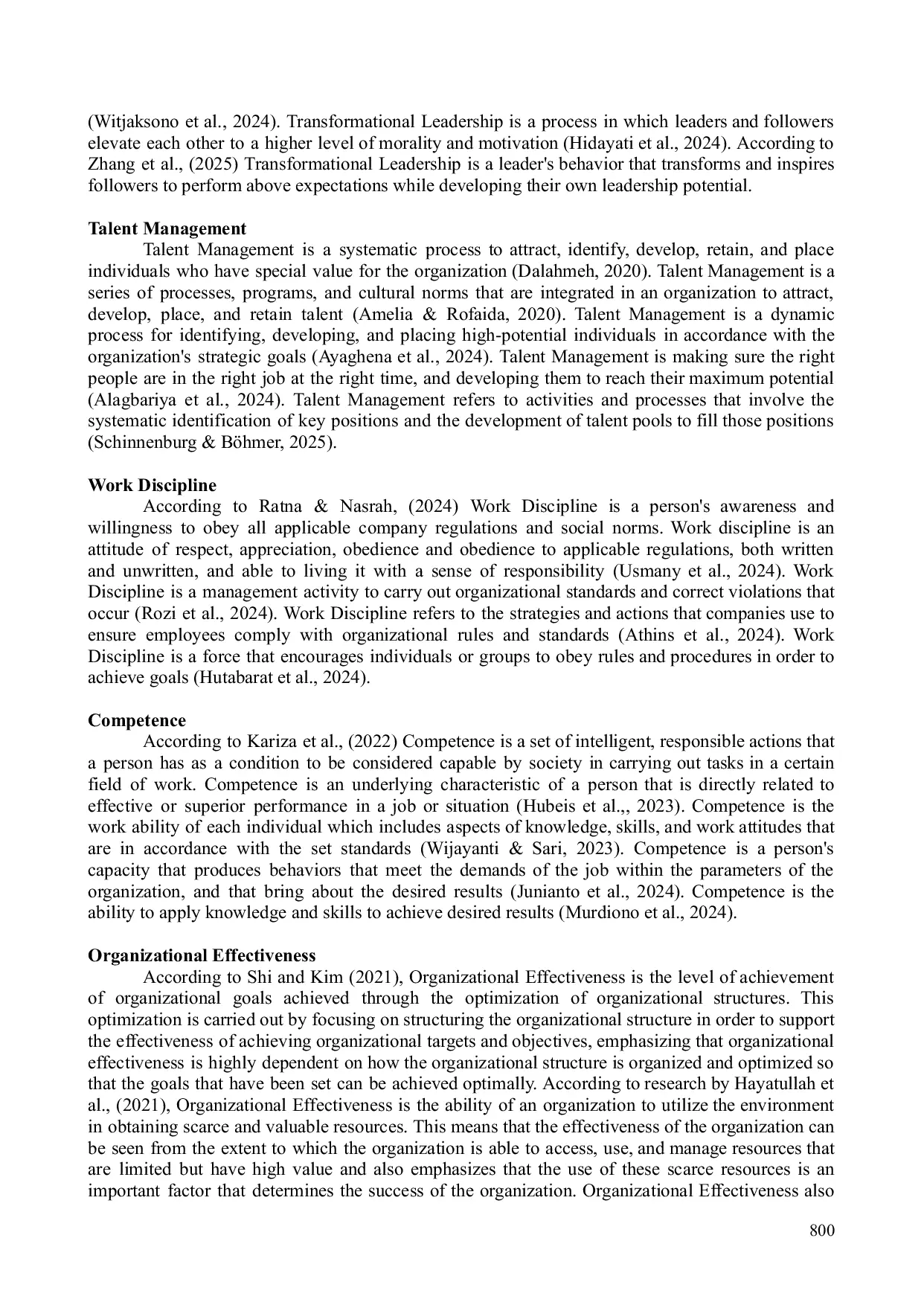
INTERNATIONALPUBLISHERINTERNATIONALPUBLISHER Artikel ini menganalisis pengaruh kepemimpinan transformasional, disiplin kerja, dan manajemen talenta terhadap efektivitas organisasi di kalangan pegawaiArtikel ini menganalisis pengaruh kepemimpinan transformasional, disiplin kerja, dan manajemen talenta terhadap efektivitas organisasi di kalangan pegawai

JMI UPIYPTKJMI UPIYPTK Using a service-learning methodology, the project combined academic goals with community involvement, strengthening social engagement and professionalUsing a service-learning methodology, the project combined academic goals with community involvement, strengthening social engagement and professional
JMI UPIYPTKJMI UPIYPTK Selain itu, masyarakat mengalami saluran pemasaran yang lebih konsisten melalui agen lokal, menciptakan hubungan yang lebih kuat antara produksi dan distribusi.Selain itu, masyarakat mengalami saluran pemasaran yang lebih konsisten melalui agen lokal, menciptakan hubungan yang lebih kuat antara produksi dan distribusi.

UIN MATARAMUIN MATARAM Penelitian ini menekankan bahwa moderasi beragama berperan penting dalam memperkuat inklusivitas dalam pendidikan Islam. Implementasi nilai-nilai moderasiPenelitian ini menekankan bahwa moderasi beragama berperan penting dalam memperkuat inklusivitas dalam pendidikan Islam. Implementasi nilai-nilai moderasi