PNLPNL
Jurnal Sains dan Teknologi ReaksiJurnal Sains dan Teknologi ReaksiThe continuously increasing energy demand drives the utilization of renewable energy, one of which is biogas from cow dung. Biogas production is generally not optimal because fermentation is conducted at room temperature, which is less suitable for methanogenic bacteria. This research designs an Internet of Things (IoT) based anaerobic digester that can monitor and control temperature in real time, while also examining the effect of fermentation temperature on biogas volume and Chemical Oxygen Demand (COD). The temperature of 25°C produced the lowest volume (0.3 L) and COD (9600 mg/L). The optimal fermentation condition is found at a temperature of 35°C. The research results indicate that temperature significantly affects the fermentation process. A temperature of 35°C yields the highest biogas volume (3.7 L) and the lowest COD (6400 mg/L), whereas a temperature of 27°C results in the lowest volume (0.3 L) and COD (9600 mg/L). The optimal fermentation condition is at a temperature of 35°C. The application of IoT facilitates the monitoring of the process and enhances the efficiency of biogas production.
This research successfully designed and built an IoT-based anaerobic digester system capable of monitoring and controlling fermentation temperature in real-time to support optimal biogas production.The highest biogas volume was achieved at a fermentation temperature of 35°C, demonstrating that this is the optimal temperature for increasing biogas production.These findings highlight the importance of temperature control in maximizing biogas production efficiency.
Further research should investigate the impact of thermophilic temperatures (above 45°C) on biogas production, comparing mesophilic and thermophilic conditions. To enhance the systems precision, future development should incorporate gas pressure and pH sensors for more comprehensive monitoring and control of the fermentation process. Additionally, exploring the integration of different organic waste mixtures, beyond cow manure, could broaden the applicability and efficiency of the IoT-based anaerobic digester, potentially leading to a more sustainable and versatile renewable energy solution. These advancements will contribute to optimizing biogas production and promoting its wider adoption as a clean energy source.
| File size | 740.46 KB |
| Pages | 9 |
| DMCA | Report |
Related /

UMUM Tujuan penelitian ini adalah sebagai sumber informasi untuk mempelajari potensi energi pasang surut di muara Sungai Maro di perairan Kabupaten Merauke.Tujuan penelitian ini adalah sebagai sumber informasi untuk mempelajari potensi energi pasang surut di muara Sungai Maro di perairan Kabupaten Merauke.
SAINTISPUBSAINTISPUB Namun, bahkan yang konservatif, cenderung lebih mendukung perempuan karena mereka tidak setuju dengan salah satu kategori konservatif di mana suami adalahNamun, bahkan yang konservatif, cenderung lebih mendukung perempuan karena mereka tidak setuju dengan salah satu kategori konservatif di mana suami adalah
SAINTISPUBSAINTISPUB Namun, pada beban berat sebesar 14 kg, laju pengeringan relatif konstan, menunjukkan bahwa tinggi cerobong memiliki dampak lebih kecil pada pengeringanNamun, pada beban berat sebesar 14 kg, laju pengeringan relatif konstan, menunjukkan bahwa tinggi cerobong memiliki dampak lebih kecil pada pengeringan
SAINTISPUBSAINTISPUB Disarankan agar Shopee dan pemain e-commerce lainnya memprioritaskan pengelolaan dan pemantauan ulasan produk dan penilaian, serta merespons ulasan negatifDisarankan agar Shopee dan pemain e-commerce lainnya memprioritaskan pengelolaan dan pemantauan ulasan produk dan penilaian, serta merespons ulasan negatif
SINOMICSJOURNALSINOMICSJOURNAL Hasil penelitian menunjukkan bahwa dari perspektif pengetahuan filosofis, kompensasi dapat dijelaskan dalam tiga dimensi, yaitu: ontologi, epistemologi,Hasil penelitian menunjukkan bahwa dari perspektif pengetahuan filosofis, kompensasi dapat dijelaskan dalam tiga dimensi, yaitu: ontologi, epistemologi,
SINOMICSJOURNALSINOMICSJOURNAL This study aims to understand how price sensitivity and limited purchasing power of students affect their purchasing decisions, and how service qualityThis study aims to understand how price sensitivity and limited purchasing power of students affect their purchasing decisions, and how service quality
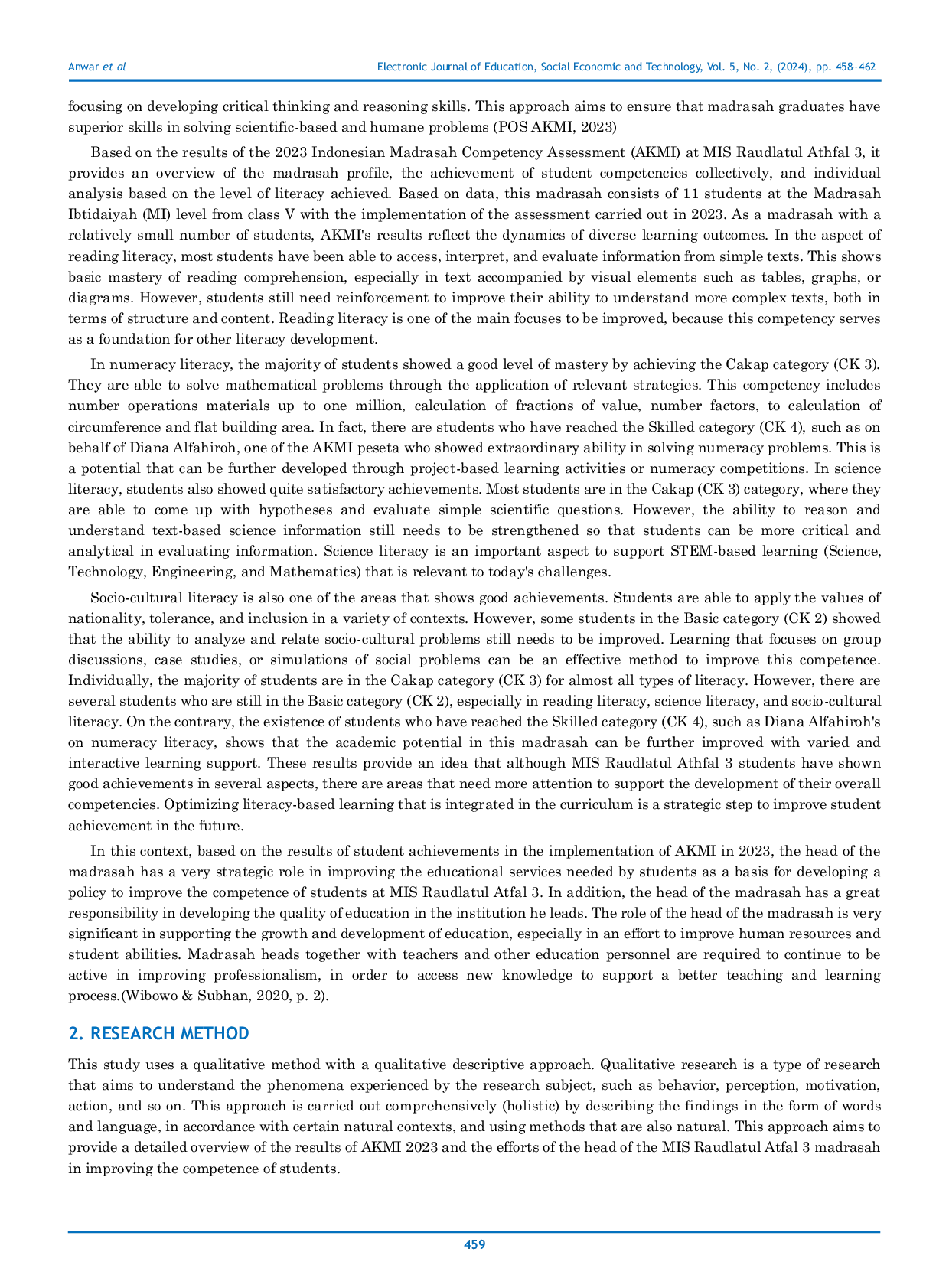
SAINTISPUBSAINTISPUB Berdasarkan hasil penelitian, keberadaan Asesmen Kompetensi Madrasah Indonesia (AKMI) di MIS Raudlatul Athfal 3 telah memberikan gambaran tentang kompetensiBerdasarkan hasil penelitian, keberadaan Asesmen Kompetensi Madrasah Indonesia (AKMI) di MIS Raudlatul Athfal 3 telah memberikan gambaran tentang kompetensi

USUUSU Dengan menggabungkan pendekatan kreatif dalam pendidikan politik berbasis digital dan fokus pada pembangunan karakter nasionalisme pada generasi muda,Dengan menggabungkan pendekatan kreatif dalam pendidikan politik berbasis digital dan fokus pada pembangunan karakter nasionalisme pada generasi muda,
Useful /
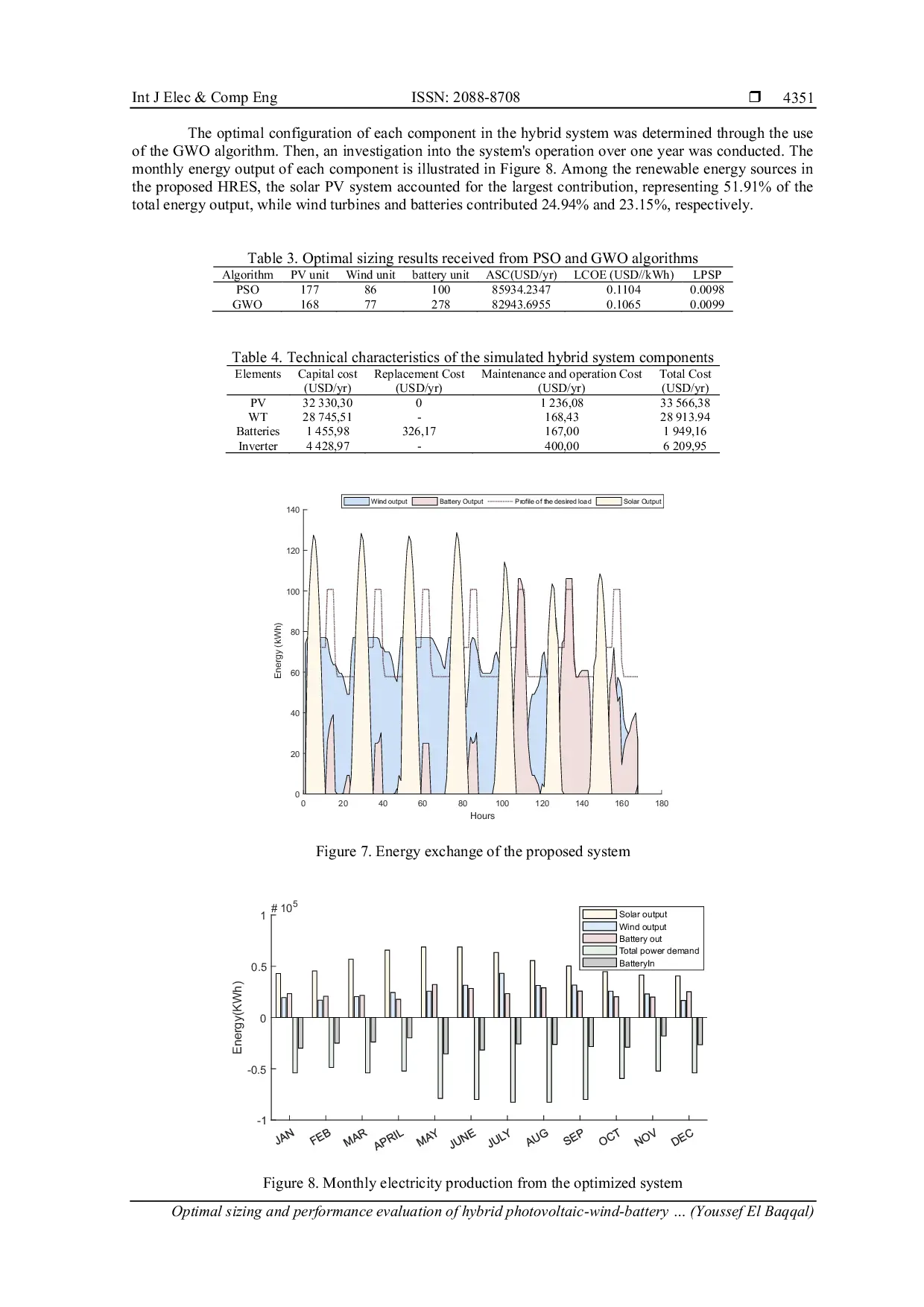
IAESCOREIAESCORE Tujuannya adalah mencapai pendekatan ekonomis dalam pembangkitan listrik. Teknik optimasi Particle Swarm Optimization (PSO) dan Grey Wolf Optimizer (GWO)Tujuannya adalah mencapai pendekatan ekonomis dalam pembangkitan listrik. Teknik optimasi Particle Swarm Optimization (PSO) dan Grey Wolf Optimizer (GWO)

UMUM Penggunaan manufaktur aditif dapat menghasilkan desain komponen lebih efektif, sehingga penelitian difokuskan pada optimasi sifat mekanik komponen turbinPenggunaan manufaktur aditif dapat menghasilkan desain komponen lebih efektif, sehingga penelitian difokuskan pada optimasi sifat mekanik komponen turbin

UMUM Penelitian ini menekankan potensi cairan pemotong berbasis sayur yang diperkaya nanopartikel sebagai alternatif kinerja tinggi yang bertanggung jawab secaraPenelitian ini menekankan potensi cairan pemotong berbasis sayur yang diperkaya nanopartikel sebagai alternatif kinerja tinggi yang bertanggung jawab secara

UMUM Meskipun siklus Rankine organik (ORC) dikatakan dapat menangkap panas berkualitas rendah secara efektif, komersialisasinya terbatas karena batasan fluidaMeskipun siklus Rankine organik (ORC) dikatakan dapat menangkap panas berkualitas rendah secara efektif, komersialisasinya terbatas karena batasan fluida