IAESCOREIAESCORE
International Journal of Electrical and Computer Engineering (IJECE)International Journal of Electrical and Computer Engineering (IJECE)Electric vehicles (EVs) are a sustainable and efficient transportation choice, offering zero emissions, lower operating costs, and advanced performance features like instant torque and regenerative braking. They promote energy independence, improve urban livability, and support the global shift toward cleaner, renewable energy-powered mobility, making them a future-proof investment. The electric motor is a critical component in electric vehicles (EVs), the importance of which lies in its high efficiency, instant torque delivery, and smooth operation, which enhances performance and energy use. This paper focuses on a two-wheel drive electric vehicle (TWD EV) configuration powered by an energy storage battery system (ESBS), driven by two permanent magnet synchronous motors (PMSMs), and controlled using direct torque control with space vector modulation (DTC-SVM). Integral derivative (FOPID) controllers, fractional-order proportional, optimized via the grey wolf optimizer (GWO) algorithm, are implemented for precise speed control of the PMSMs. An electronic differential (ED) is incorporated to ensure vehicle stability, safety, and performance. The simulation results show that the proposed GWO-FOPID controller gave super results by reducing electromagnetic torque overshoot by 33%, improves torque settling time by 55%, and achieves the lowest electromagnetic torque ripple of approximately ±1 Nm compared to conventional DTC-SVM and GWO-PID approaches. Additionally, it optimized speed overshoot and undershoot by 44%, significantly enhancing system performance, responsiveness, and drive smoothness. This novel combination of fractional-order control, metaheuristic optimization, and electronic differential integration marks a meaningful advancement in high-precision and efficient control for 2WD EVs.
This study demonstrates the effectiveness of the proposed GWO-FOPID controller in enhancing the performance of a two-wheel-drive electric vehicle.The GWO-FOPID approach achieved a 33% reduction in electromagnetic torque overshoot, a 55% improvement in torque settling time, and minimized the electromagnetic torque ripple to approximately ±1 Nm.Furthermore, it optimized speed overshoot and undershoot by 44%, ensuring smoother and more stable vehicle operation.
Further research should explore the application of more robust control techniques, such as high-order sliding mode control and model predictive control, to validate the performance of the proposed method. Investigating the integration of advanced sensor fusion techniques and machine learning algorithms could enhance the accuracy of speed estimation and improve overall system efficiency. Finally, experimental validation of the simulation results on a real-world TWD EV platform is crucial to confirm the robustness and practicality of the proposed control strategy under diverse driving conditions and environmental factors. These investigations will contribute to the development of more intelligent, efficient, and reliable control solutions for modern electric vehicle applications, paving the way for wider adoption and a more sustainable transportation future.
- Robust Electronic Differential Controller for an Electric Vehicle | American Journal of Applied Sciences... doi.org/10.3844/ajassp.2013.1356.1362Robust Electronic Differential Controller for an Electric Vehicle American Journal of Applied Sciences doi 10 3844 ajassp 2013 1356 1362
- Optimized fractional-order direct torque control with space vector modulation strategy for two-wheel-drive... ijece.iaescore.com/index.php/IJECE/article/view/38897Optimized fractional order direct torque control with space vector modulation strategy for two wheel drive ijece iaescore index php IJECE article view 38897
| File size | 825.37 KB |
| Pages | 12 |
| DMCA | Report |
Related /
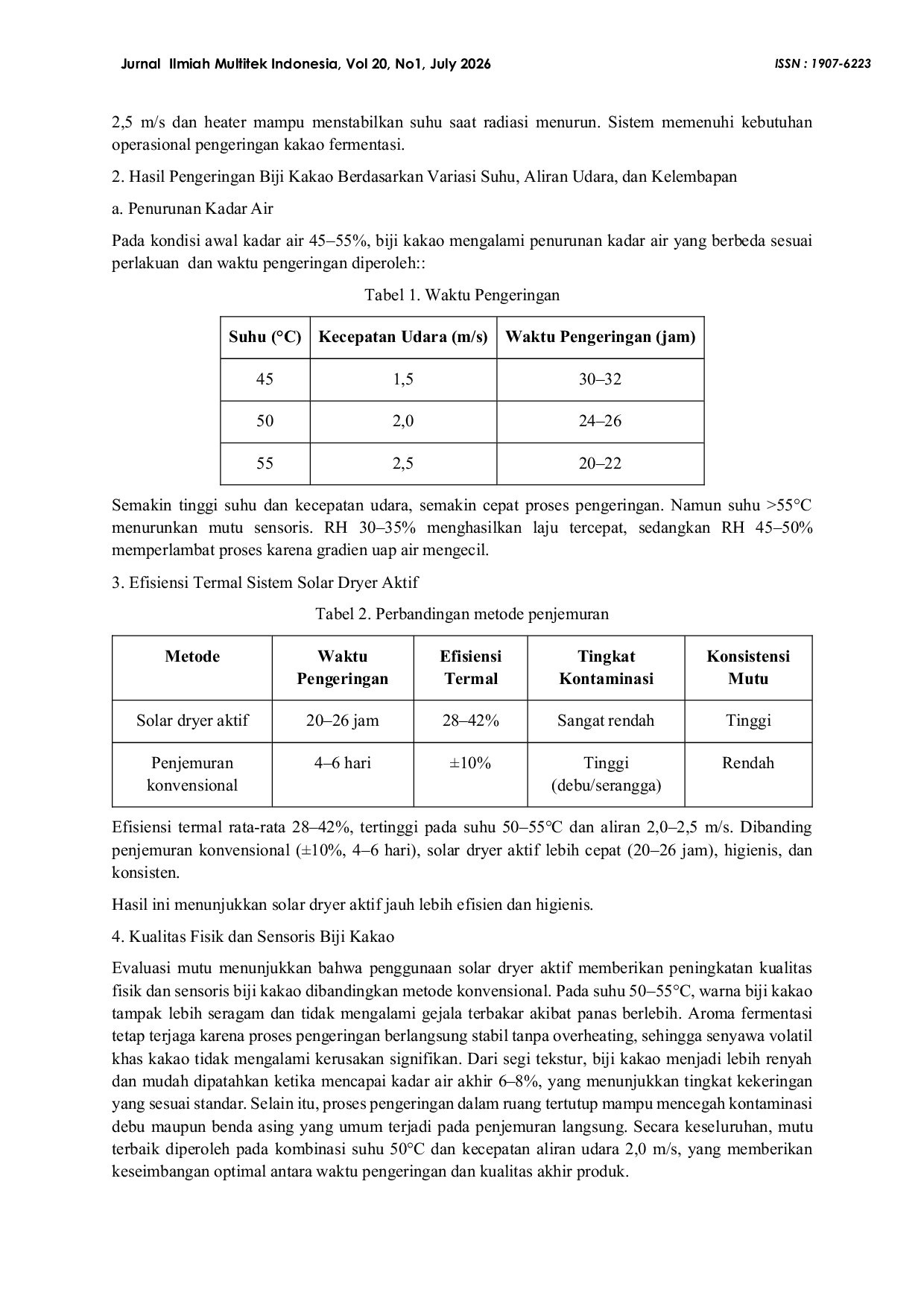
UMPOUMPO Cocoa beans with an initial moisture content of 45–55% could be dried to 6–8% in 20–24 hours at a temperature of 50–55°C and an air velocity ofCocoa beans with an initial moisture content of 45–55% could be dried to 6–8% in 20–24 hours at a temperature of 50–55°C and an air velocity of
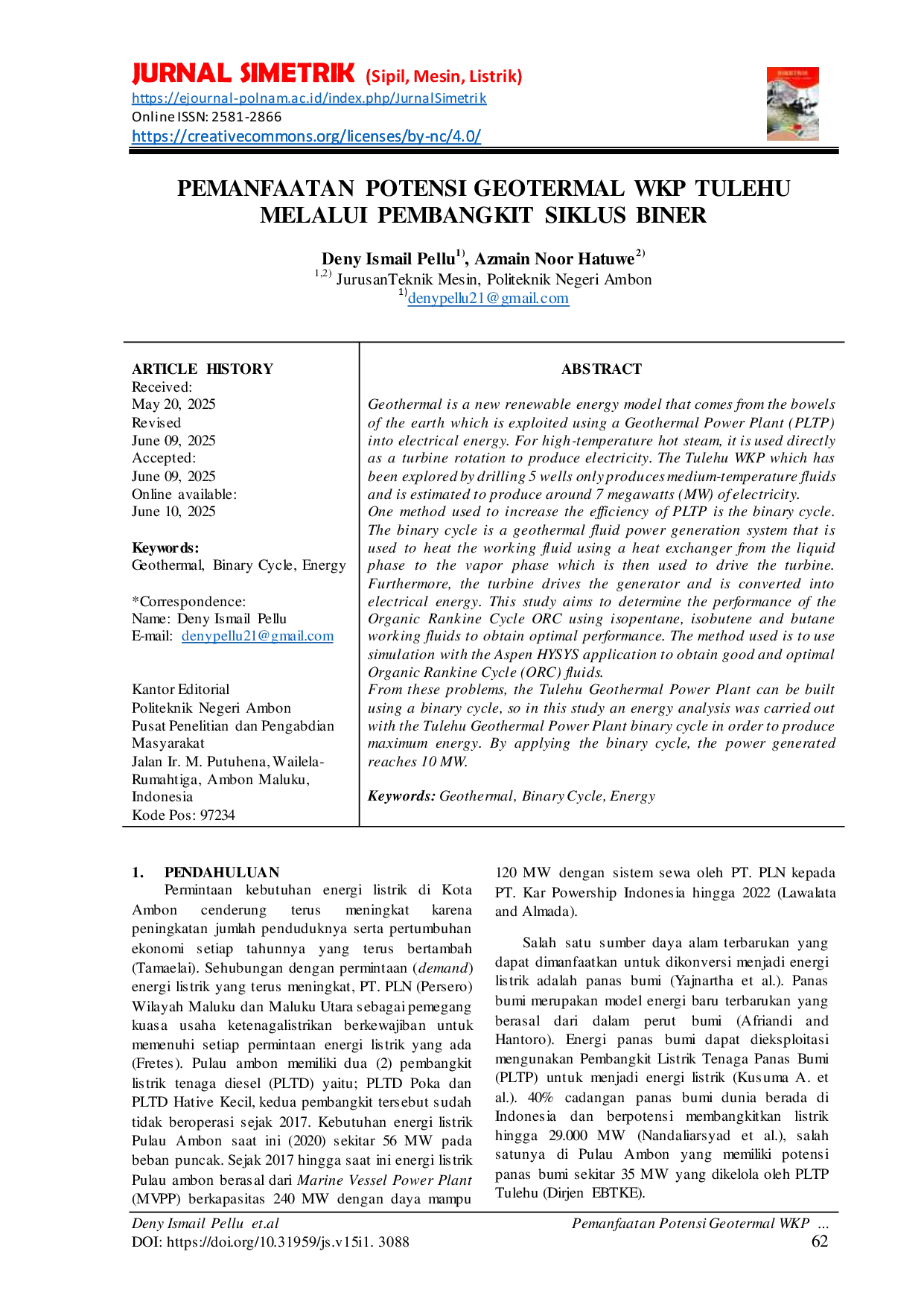
POLNAMPOLNAM Furthermore, the turbine drives the generator and is converted into electrical energy. This study aims to determine the performance of the Organic RankineFurthermore, the turbine drives the generator and is converted into electrical energy. This study aims to determine the performance of the Organic Rankine

KWIKKIANGIEKWIKKIANGIE Penerapan teori kemampuan dinamis telah menciptakan RUPTL yang tangguh dan berkelanjutan. Indonesia telah cepat dalam merasakan dan merespons pergeseranPenerapan teori kemampuan dinamis telah menciptakan RUPTL yang tangguh dan berkelanjutan. Indonesia telah cepat dalam merasakan dan merespons pergeseran
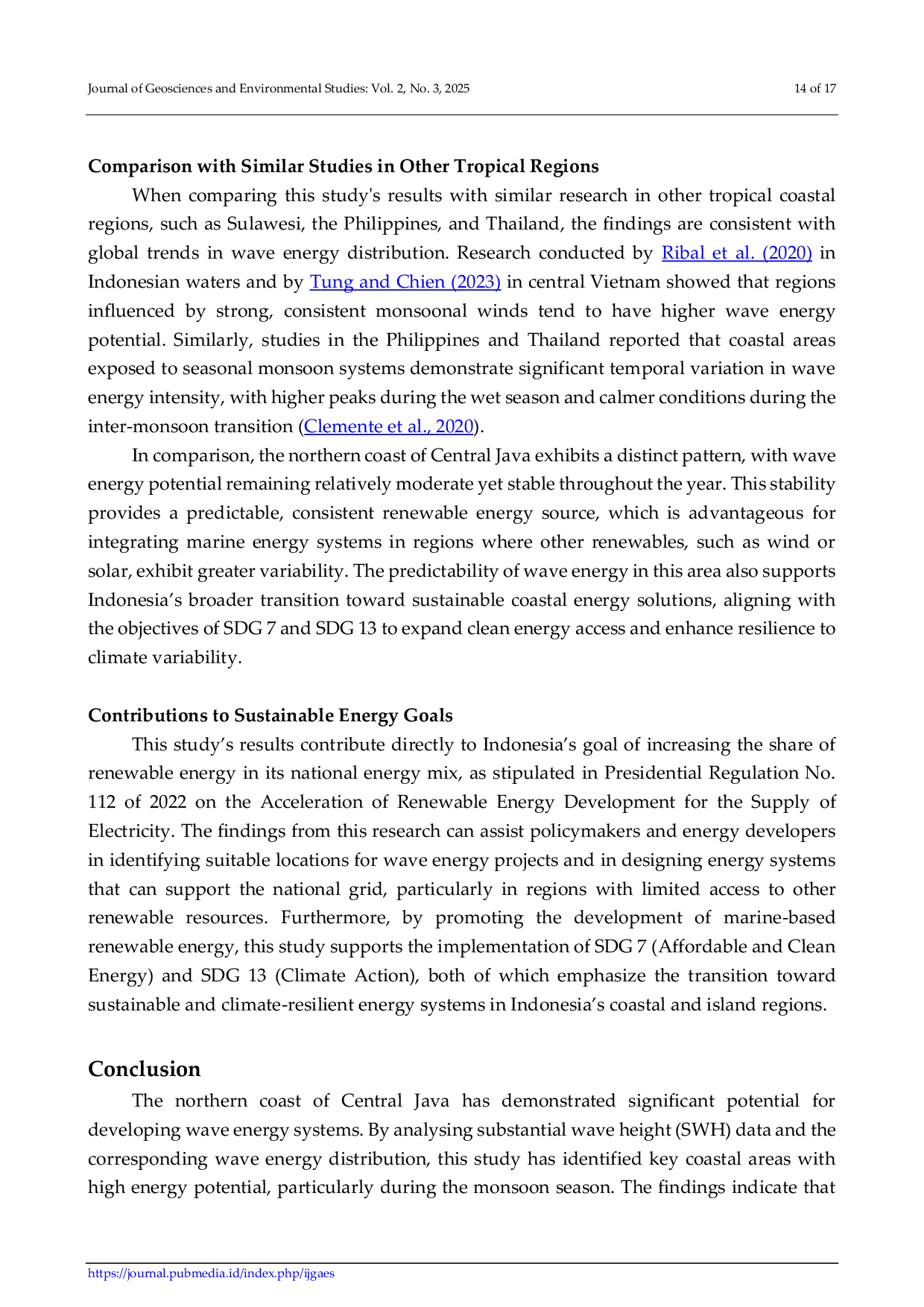
PUBMEDIAPUBMEDIA 000 J m⁻² dan daya gelombang harian memuncak mendekati 6 kW m⁻¹ selama musim monsun barat. Variabilitas tertinggi terjadi pada bulan Maret dan Desember,000 J m⁻² dan daya gelombang harian memuncak mendekati 6 kW m⁻¹ selama musim monsun barat. Variabilitas tertinggi terjadi pada bulan Maret dan Desember,

ITENASITENAS Terdapat korelasi langsung antara volume kendaraan dan nilai jejak karbon, yang menunjukkan bahwa peningkatan jumlah kendaraan di kampus mengakibatkanTerdapat korelasi langsung antara volume kendaraan dan nilai jejak karbon, yang menunjukkan bahwa peningkatan jumlah kendaraan di kampus mengakibatkan
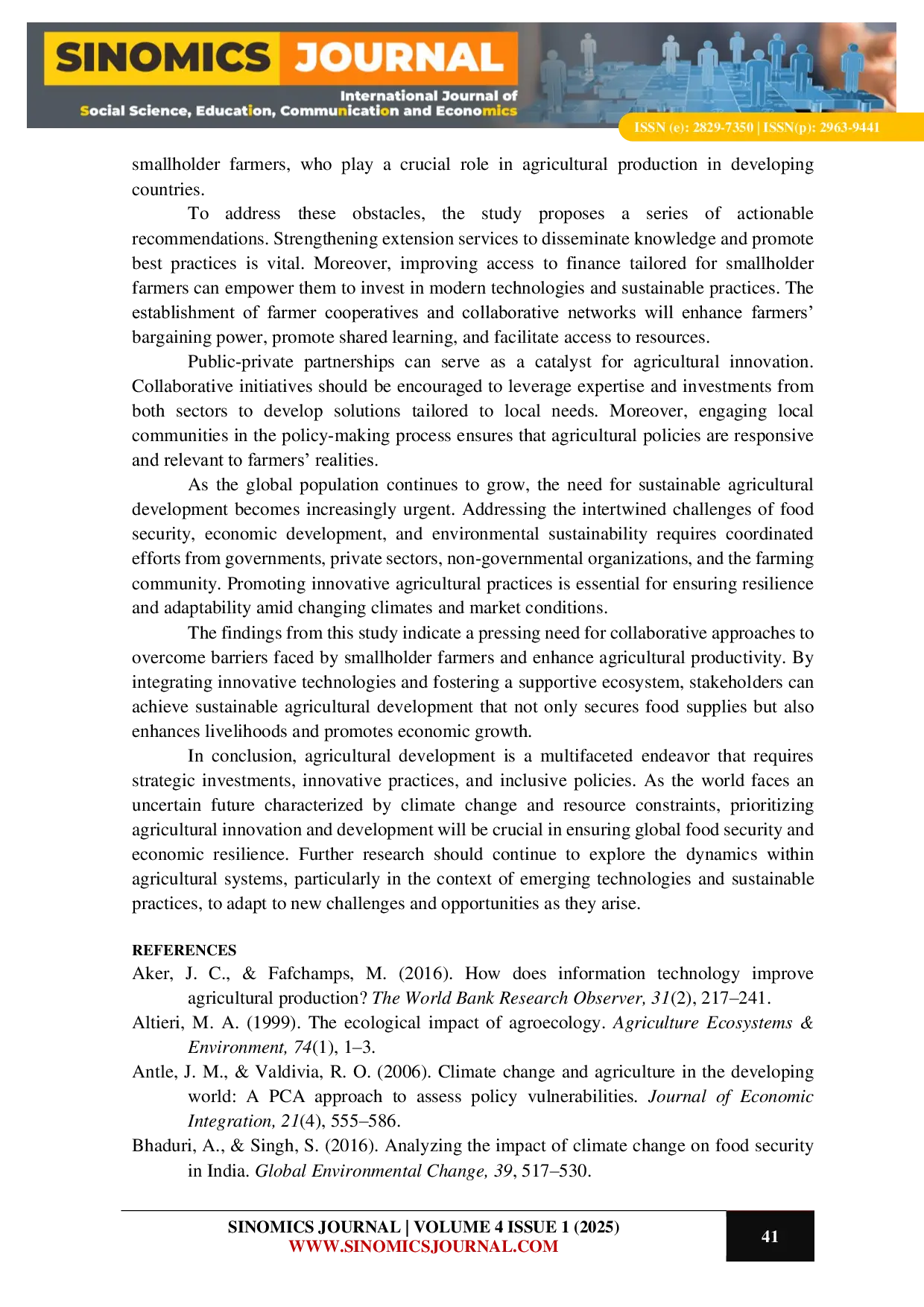
SINOMICSJOURNALSINOMICSJOURNAL Penelitian ini menekankan hubungan timbal balik antara adopsi teknologi, kerangka kebijakan, dan akses pasar, dengan menekankan kebutuhan pendekatan inklusifPenelitian ini menekankan hubungan timbal balik antara adopsi teknologi, kerangka kebijakan, dan akses pasar, dengan menekankan kebutuhan pendekatan inklusif
LMULMU litologi Limonit dengan tinggi 3 m pada sudut 70° dan tinggi 6 m pada sudut 65°. litologi Saprolit dengan tinggi 3 m pada sudut 70° dan tinggi 6 m padalitologi Limonit dengan tinggi 3 m pada sudut 70° dan tinggi 6 m pada sudut 65°. litologi Saprolit dengan tinggi 3 m pada sudut 70° dan tinggi 6 m pada
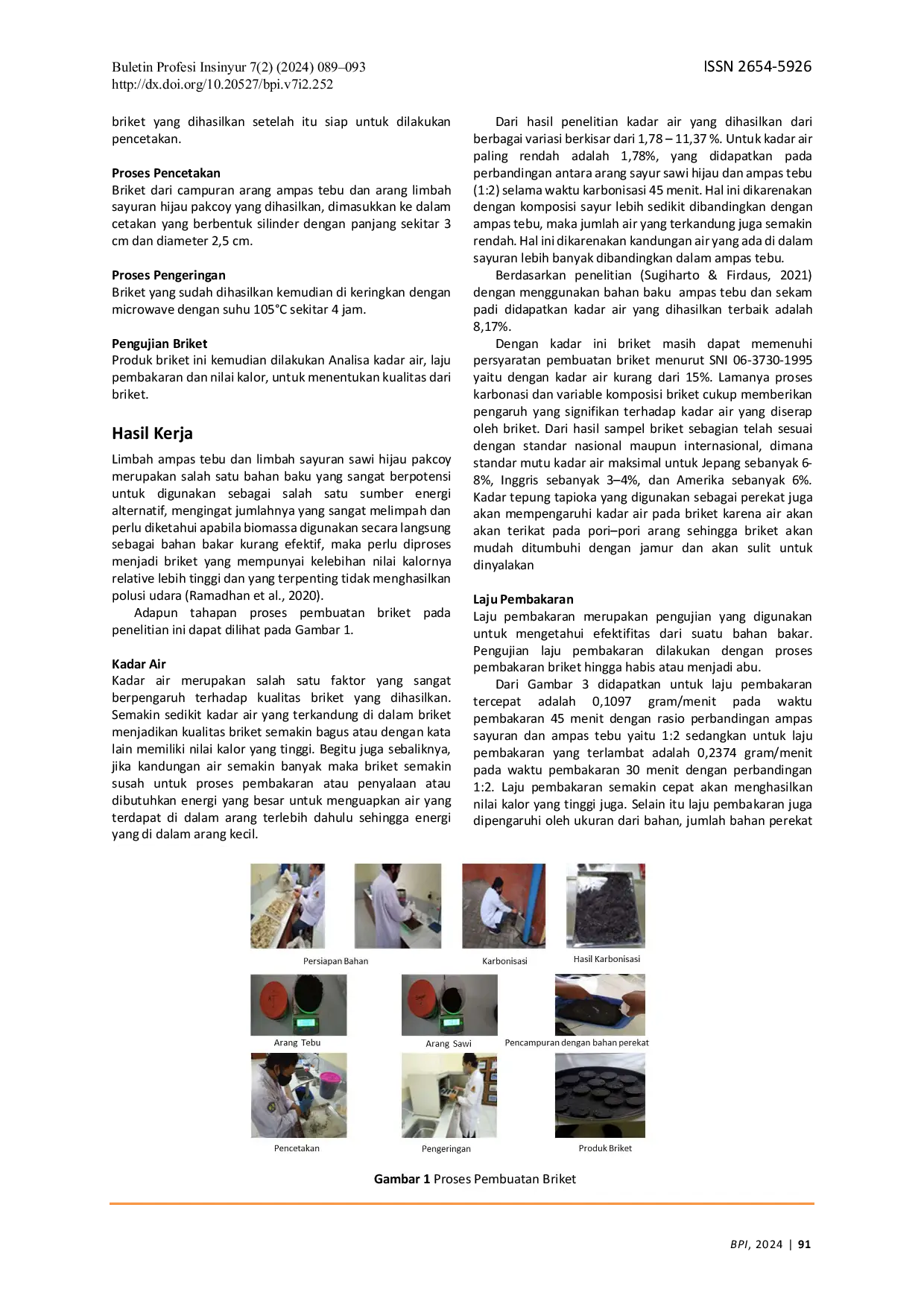
LMULMU Campuran dicetak dalam pipa berdiameter 2,5 cm dan panjang 3 cm, lalu dikeringkan menggunakan microwave pada suhu 105°C selama 4 jam. Hasil optimal diperolehCampuran dicetak dalam pipa berdiameter 2,5 cm dan panjang 3 cm, lalu dikeringkan menggunakan microwave pada suhu 105°C selama 4 jam. Hasil optimal diperoleh
Useful /
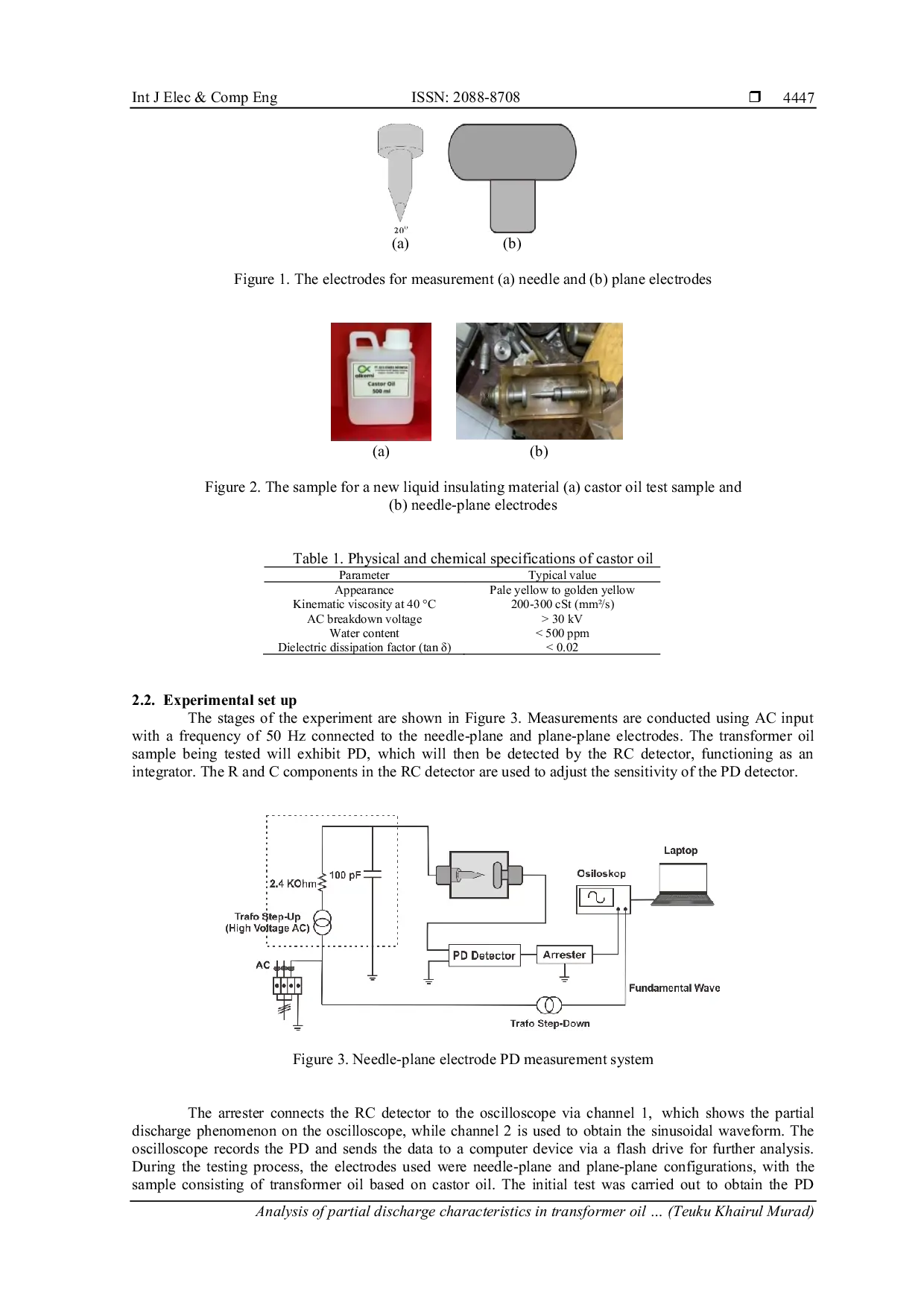
IAESCOREIAESCORE Meskipun banyak penelitian telah dilakukan mengenai PD pada isolasi cair, sebagian besar hanya berfokus pada karakterisasi PD dalam kondisi tertentu tanpaMeskipun banyak penelitian telah dilakukan mengenai PD pada isolasi cair, sebagian besar hanya berfokus pada karakterisasi PD dalam kondisi tertentu tanpa
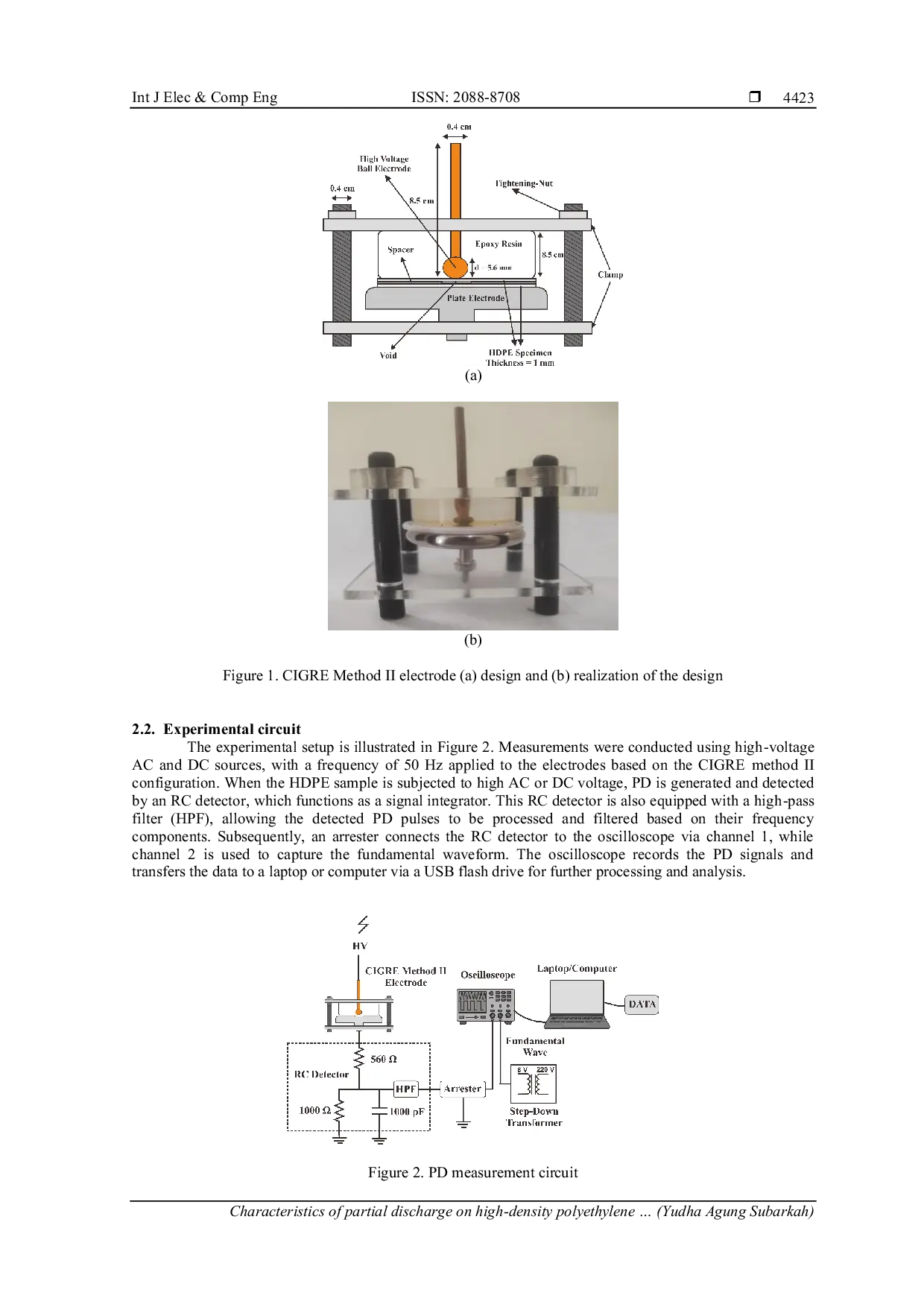
IAESCOREIAESCORE This is evidenced by the average PD inception voltage (Vin) under DC conditions reaching 15. 5 kV, higher than the 11. 8 kV observed under AC, as wellThis is evidenced by the average PD inception voltage (Vin) under DC conditions reaching 15. 5 kV, higher than the 11. 8 kV observed under AC, as well
UNESAUNESA 23/2004, RUU PPRT) serta literatur sekunder dan pendapat ahli. Hasilnya menunjukkan bahwa kerangka hukum saat ini tidak secara eksplisit mengakui ART dalam23/2004, RUU PPRT) serta literatur sekunder dan pendapat ahli. Hasilnya menunjukkan bahwa kerangka hukum saat ini tidak secara eksplisit mengakui ART dalam
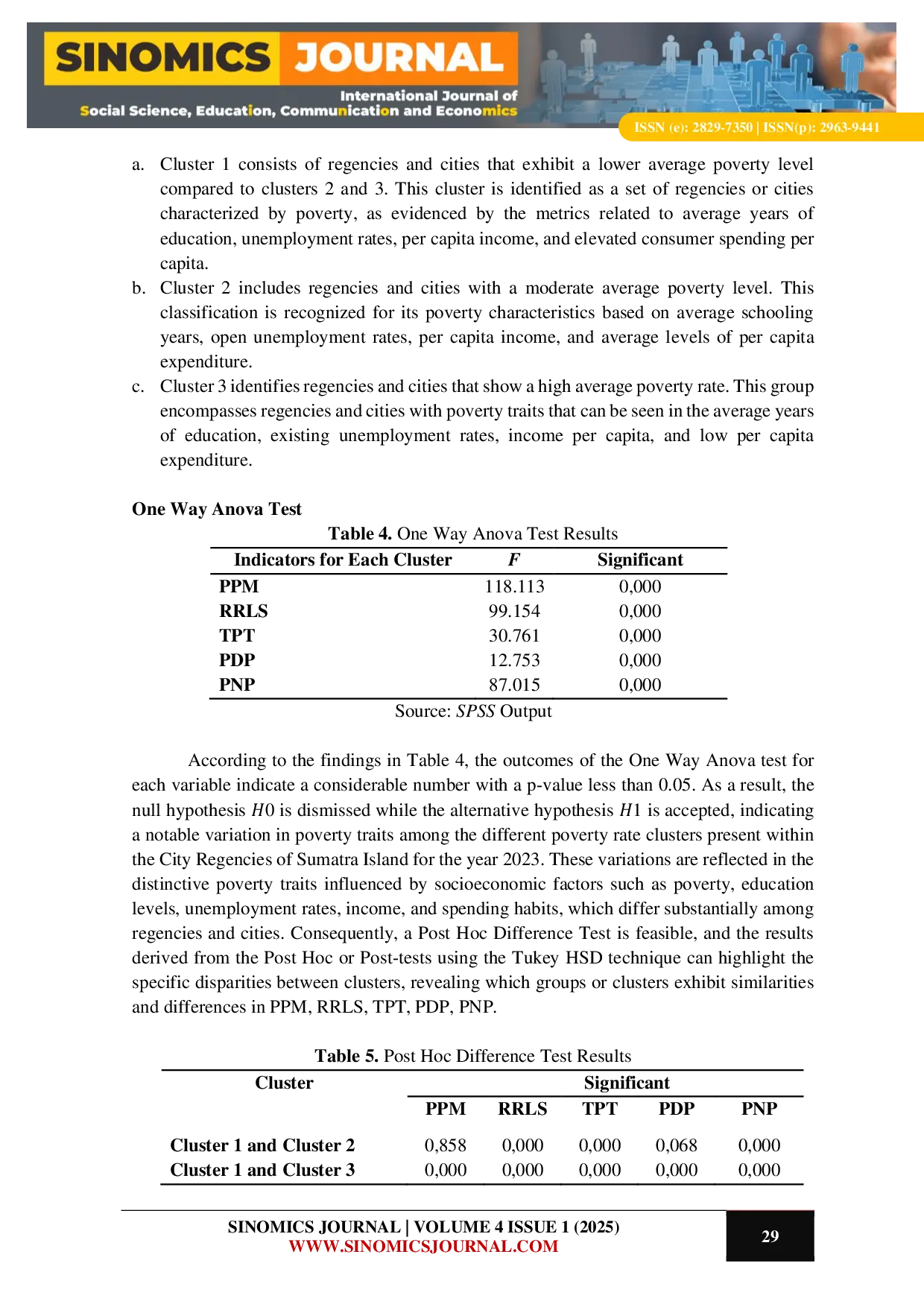
SINOMICSJOURNALSINOMICSJOURNAL Kemiskinan merupakan tantangan sosial yang kompleks dan multidimensional, dibentuk oleh berbagai faktor termasuk tingkat pendidikan, pengangguran, pendapatanKemiskinan merupakan tantangan sosial yang kompleks dan multidimensional, dibentuk oleh berbagai faktor termasuk tingkat pendidikan, pengangguran, pendapatan