IAESCOREIAESCORE
International Journal of Electrical and Computer Engineering (IJECE)International Journal of Electrical and Computer Engineering (IJECE)In Indonesia, growing fish consumption demands necessitate expanded, yet sustainable, fish production without sacrificing quality. The process of feeding and the quality of the surrounding water are important factors influencing fish quality. To address this, Parahyangan Catholic Universitys Fishery 4.0 project pioneers a unique technology that integrates water quality monitoring with a feeding feature. The design and implementation of an independent, reliable power module, which is fundamental to the functionality of this system, is at the focus of this research. This study shows that a designed power module adapted to the specific needs of Fishery 4.0 is feasible. The system powers all modules with a 12 V battery and is recharged with a solar panel. The battery can be charged to 95% capacity, yielding 8550 mAh from a 9000 mAh capacity. A UC-3906 charger IC controls the charging process, deliberately managing the parameters required for optimal battery charging. Particularly, when exposed to ideal solar radiation, the charger recharges a 9 Ah battery from 30% to full capacity in about 10 hours and 10 minutes. This study proposes a novel approach to battery management, which is critical for the operation of aquaculture equipment at isolated locations.
0 at Parahyangan Catholic University introduces a reliable solar-powered energy system that marks a significant advance in autonomous aquaculture technology.This innovative setup uses a 12V battery, charged by solar panels via the UC-3906 charger IC, ensuring efficient and stable power management.The systems ability to recharge the battery to 95% capacity highlights its effectiveness, especially considering the specific charging needs of a 12V lead acid battery.
Further research should investigate the long-term performance and durability of the dual-battery system under varying environmental conditions, such as extreme temperatures and humidity, to assess its reliability in diverse aquaculture settings. Additionally, exploring the integration of predictive maintenance algorithms, utilizing data from the battery management system and weather forecasts, could optimize charging schedules and extend battery lifespan, reducing operational costs and downtime. Finally, a comparative study evaluating the economic feasibility and environmental impact of this solar-powered system against traditional power sources, considering factors like installation costs, maintenance requirements, and carbon footprint, would provide valuable insights for wider adoption in the aquaculture industry and other remote applications. These investigations, building upon the current research, will contribute to a more sustainable and efficient energy solution for aquaculture and beyond, fostering innovation and responsible resource management.
- Indonesian aquaculture futuresâidentifying interventions for reducing environmental impacts... doi.org/10.1088/1748-9326/ab4b79Indonesian aquaculture futuresyAAAiidentifying interventions for reducing environmental impacts doi 10 1088 1748 9326 ab4b79
- A solar-powered autonomous power system for aquaculture: optimizing dual-battery management for remote... ijece.iaescore.com/index.php/IJECE/article/view/38415A solar powered autonomous power system for aquaculture optimizing dual battery management for remote ijece iaescore index php IJECE article view 38415
| File size | 1001.75 KB |
| Pages | 11 |
| DMCA | Report |
Related /

SARI MUTIARASARI MUTIARA Roti pada suhu dingin memperpanjang daya simpan, sedangkan suhu hangat mempercepat kontaminasi. Penyuluhan efektif meningkatkan pengetahuan siswa tentangRoti pada suhu dingin memperpanjang daya simpan, sedangkan suhu hangat mempercepat kontaminasi. Penyuluhan efektif meningkatkan pengetahuan siswa tentang
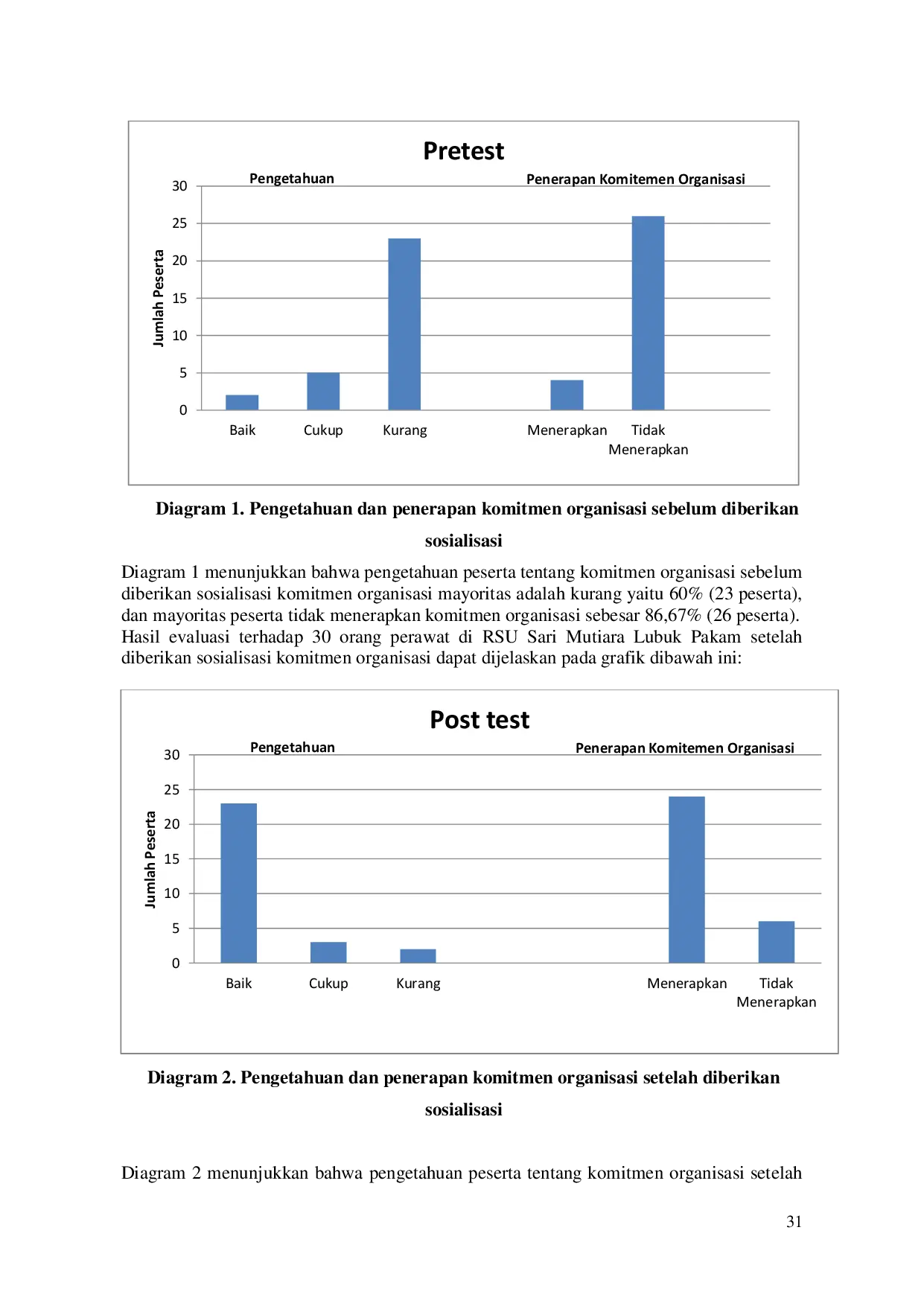
SARI MUTIARASARI MUTIARA Dalam konteks rumah sakit, budaya organisasi yang kuat sangat diperlukan untuk mendorong perawat dalam memberikan pelayanan yang profesional, kolaboratif,Dalam konteks rumah sakit, budaya organisasi yang kuat sangat diperlukan untuk mendorong perawat dalam memberikan pelayanan yang profesional, kolaboratif,

SARI MUTIARASARI MUTIARA Kegiatan Pengabdian ini berfokus pada 3 sub-kegiatan yaitu pemeriksaan kesehatan, edukasi tentang risiko, gejala penyakit degeneratif, dan edukasi caraKegiatan Pengabdian ini berfokus pada 3 sub-kegiatan yaitu pemeriksaan kesehatan, edukasi tentang risiko, gejala penyakit degeneratif, dan edukasi cara

SARI MUTIARASARI MUTIARA Efeknya warga sangat antusias dengan lampu surya yang dipasang, selain karena warga merasakan manfaat penerangannya, mereka juga tertarik dengan lampuEfeknya warga sangat antusias dengan lampu surya yang dipasang, selain karena warga merasakan manfaat penerangannya, mereka juga tertarik dengan lampu

SARI MUTIARASARI MUTIARA Pelatihan desain media pembelajaran interaktif berbasis Canva secara signifikan meningkatkan kreativitas, keterampilan desain grafis, dan literasi teknologiPelatihan desain media pembelajaran interaktif berbasis Canva secara signifikan meningkatkan kreativitas, keterampilan desain grafis, dan literasi teknologi

SARI MUTIARASARI MUTIARA Tujuan utama dari pengabdian ini adalah pelaksanaan gerakan perut happy cegah gastritis pada siswa SD Negeri 066652 Medan. Metode: Kegiatan pengabdianTujuan utama dari pengabdian ini adalah pelaksanaan gerakan perut happy cegah gastritis pada siswa SD Negeri 066652 Medan. Metode: Kegiatan pengabdian

SARI MUTIARASARI MUTIARA Sosialisasi internet sehat dan aman secara signifikan meningkatkan pengetahuan siswa sekolah menengah tentang digital bullying, baik dari segi definisi,Sosialisasi internet sehat dan aman secara signifikan meningkatkan pengetahuan siswa sekolah menengah tentang digital bullying, baik dari segi definisi,

SARI MUTIARASARI MUTIARA Posisi strategis Bapak sebagai kepala keluarga sangat penting untuk diperhatikan dalam proses pendidikan karakter di tengah-tengah keluarga. Bapak sebagaiPosisi strategis Bapak sebagai kepala keluarga sangat penting untuk diperhatikan dalam proses pendidikan karakter di tengah-tengah keluarga. Bapak sebagai
Useful /

GOODWOODPUBGOODWOODPUB 0, Ekosistem Bisnis, Regulasi Terpadu, Talenta Digital, Konversi Digital, dan Implementasi Digital. Transformasi digital manajemen pengaduan di Ombudsman0, Ekosistem Bisnis, Regulasi Terpadu, Talenta Digital, Konversi Digital, dan Implementasi Digital. Transformasi digital manajemen pengaduan di Ombudsman
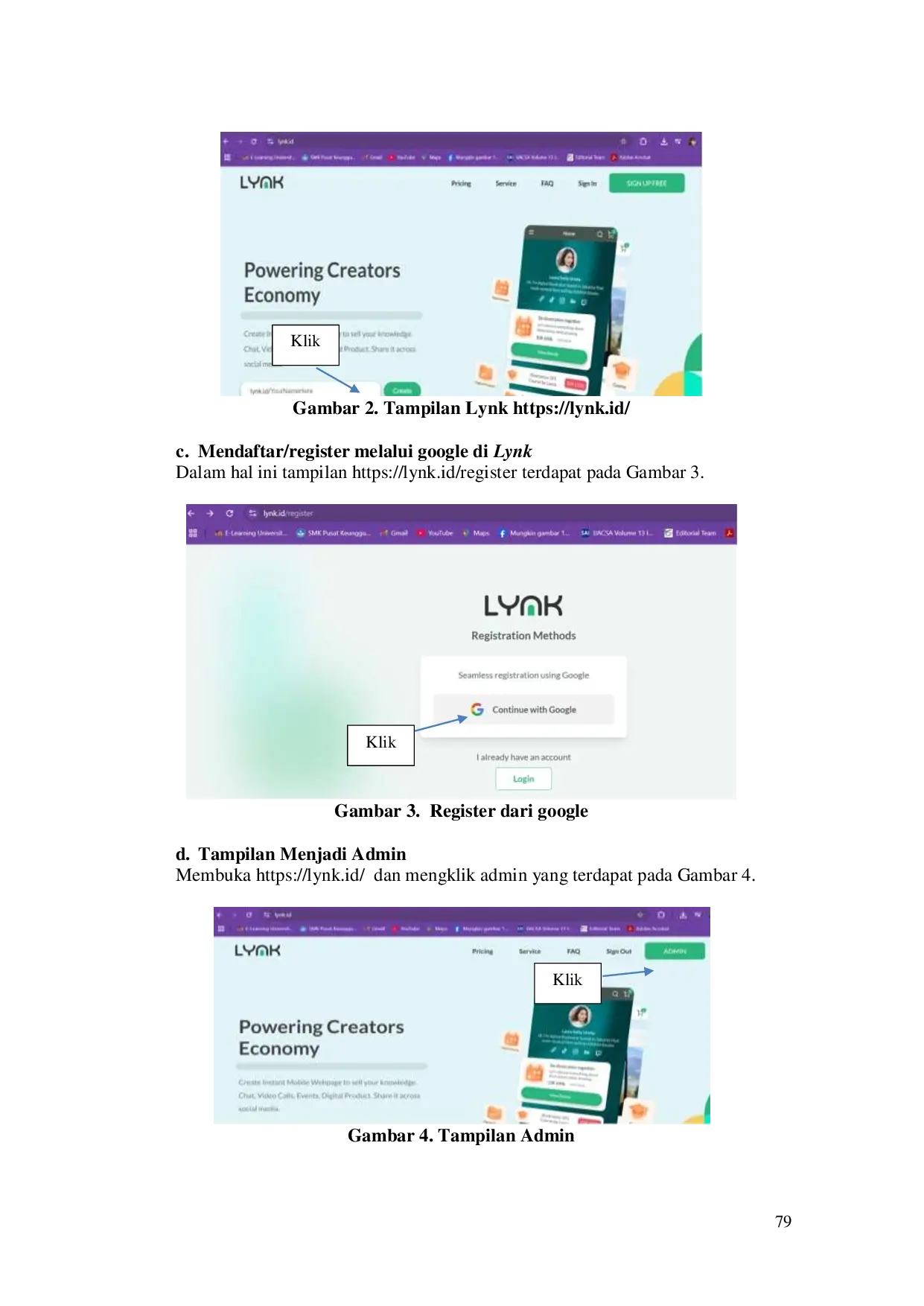
SARI MUTIARASARI MUTIARA Setelah pelaksanaan workshop, guru-guru UPT SDN 066656 Kota Medan dapat mengikuti kegiatan dengan baik.mereka menunjukkan kemampuan dalam mengoperasikanSetelah pelaksanaan workshop, guru-guru UPT SDN 066656 Kota Medan dapat mengikuti kegiatan dengan baik.mereka menunjukkan kemampuan dalam mengoperasikan

SARI MUTIARASARI MUTIARA Penelitian ini bertujuan untuk mengembangkan dan menerapkan strategi pengelolaan keuangan yang berlandaskan prinsip akuntabilitas di kantor notaris, gunaPenelitian ini bertujuan untuk mengembangkan dan menerapkan strategi pengelolaan keuangan yang berlandaskan prinsip akuntabilitas di kantor notaris, guna

SARI MUTIARASARI MUTIARA Kegiatan edukasi pencegahan tuberkulosis (TBC) melalui metode storytelling berjudul Petualangan Si Ucok Mengusir Si TBC dilaksanakan selama satu bulanKegiatan edukasi pencegahan tuberkulosis (TBC) melalui metode storytelling berjudul Petualangan Si Ucok Mengusir Si TBC dilaksanakan selama satu bulan