IAESCOREIAESCORE
International Journal of Electrical and Computer Engineering (IJECE)International Journal of Electrical and Computer Engineering (IJECE)This manuscript presents the design of a solar-powered electric vehicle (EV) charging station in Villavicencio, Colombia, aimed at reducing reliance on the utility grid, lowering energy costs, and minimizing environmental impact. The station designed integrates a photovoltaic system to harness renewable energy, ensuring a sustainable and cost-effective charging solution. It accommodates both AC and DC fast charging options to meet diverse vehicle requirements. The design considers available space, energy generation potential, and financial feasibility to maximize efficiency and return on investment. A technical analysis of battery storage, power electronics, and system configuration is provided, along with a cost-benefit assessment. Simulation results confirm the stations ability to deliver stable power under varying conditions. With an estimated payback period of 2.8 years, this project demonstrates the economic and environmental advantages of solar-powered EV infrastructure, supporting the transition to clean transportation in Colombia.
Results obtained show that designing an electric vehicle (EV) charging station requires selecting the appropriate AC or DC charging infrastructure.AC charging, though slower, remains the primary method in Colombia, while DC fast charging reduces charging time to under two hours, which is an important result.This means that future stations should prioritize DC charging to meet increasing demand, but AC chargers must still be included to accommodate existing vehicles.A hybrid charging station ensures accessibility and supports the transition to faster, more efficient charging solutions.The photovoltaic systems efficiency depends on available installation space and shading effects.The selected system requires 1,200 m² to install 260 solar panels, generating 184.47 kWₚ, which is an important finding achieved in this project.Proper panel arrangement minimizes shading losses and maximizes solar energy output.Limited space may reduce the number of panels and affect power generation, emphasizing the need for optimal site assessment and layout planning.
Berdasarkan penelitian ini, beberapa saran penelitian lanjutan dapat diajukan untuk meningkatkan efisiensi dan keberlanjutan stasiun pengisian kendaraan listrik tenaga surya. Pertama, penelitian lebih lanjut dapat dilakukan untuk mengoptimalkan penempatan panel surya dengan mempertimbangkan pola bayangan dinamis sepanjang hari dan musim, sehingga memaksimalkan penyerapan energi surya. Kedua, pengembangan sistem manajemen energi cerdas yang dapat memprediksi permintaan pengisian daya kendaraan listrik dan menyesuaikan output energi dari panel surya dan baterai penyimpanan secara otomatis dapat meningkatkan efisiensi operasional stasiun. Ketiga, eksplorasi integrasi teknologi Vehicle-to-Grid (V2G) memungkinkan kendaraan listrik untuk tidak hanya mengambil daya dari stasiun pengisian, tetapi juga menyalurkan daya kembali ke jaringan listrik saat dibutuhkan, sehingga meningkatkan stabilitas jaringan dan potensi pendapatan bagi pemilik kendaraan. Dengan menggabungkan ketiga saran ini, pengembangan stasiun pengisian kendaraan listrik tenaga surya dapat menjadi solusi energi yang lebih efisien, andal, dan berkelanjutan, mendukung transisi menuju transportasi bersih dan mengurangi ketergantungan pada sumber energi fosil.
| File size | 728.96 KB |
| Pages | 12 |
| DMCA | Report |
Related /

UNIBAUNIBA Tidur juga merupakan salah satu bentuk atau cara untuk melepaskan keleahan baik jasmani atau mental seseorang. Kualitas Tidur dapat mempengaruhi fungsiTidur juga merupakan salah satu bentuk atau cara untuk melepaskan keleahan baik jasmani atau mental seseorang. Kualitas Tidur dapat mempengaruhi fungsi
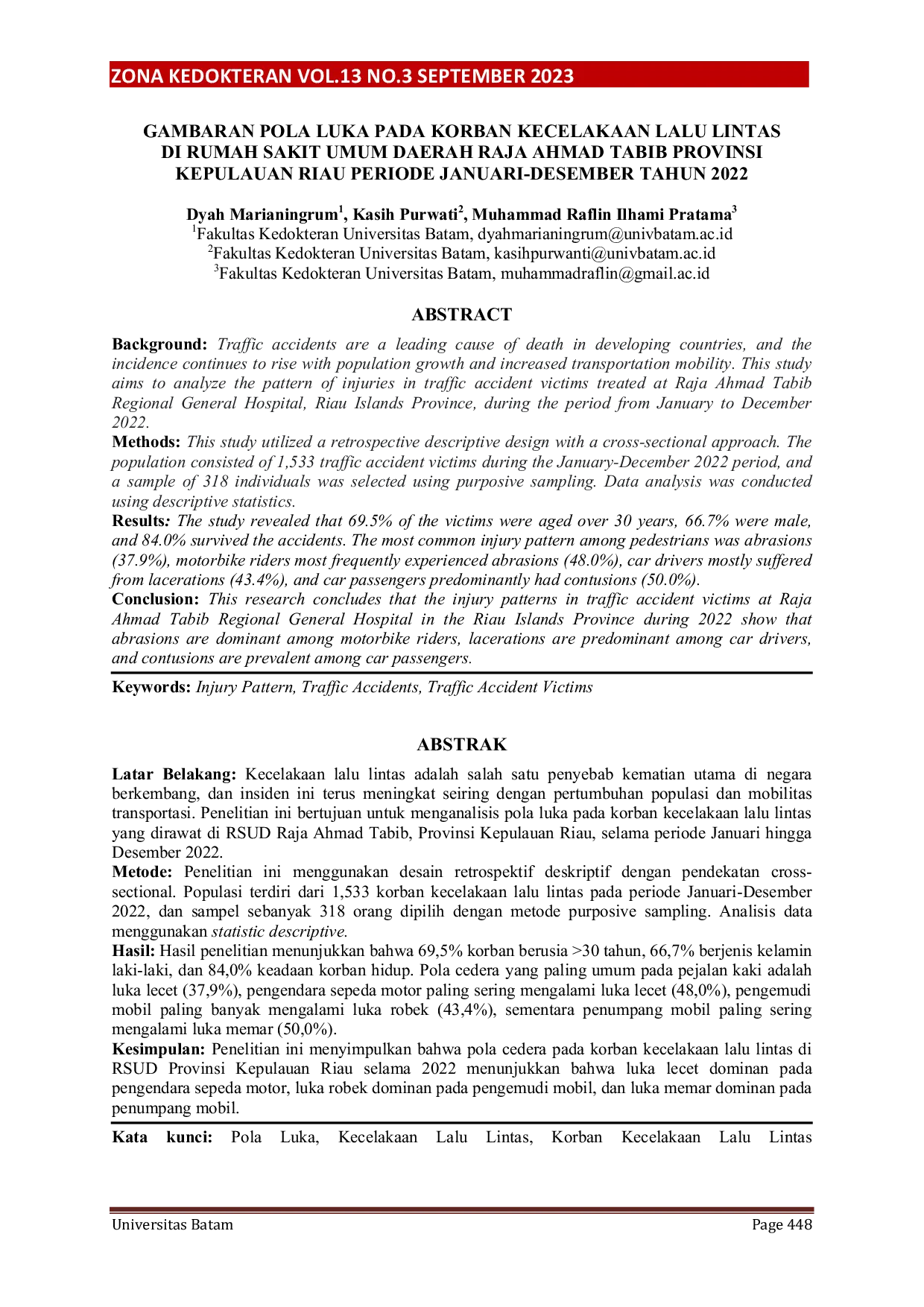
UNIBAUNIBA Kecelakaan lalu lintas adalah salah satu penyebab kematian utama di negara berkembang, dan insiden ini terus meningkat seiring dengan pertumbuhan populasiKecelakaan lalu lintas adalah salah satu penyebab kematian utama di negara berkembang, dan insiden ini terus meningkat seiring dengan pertumbuhan populasi
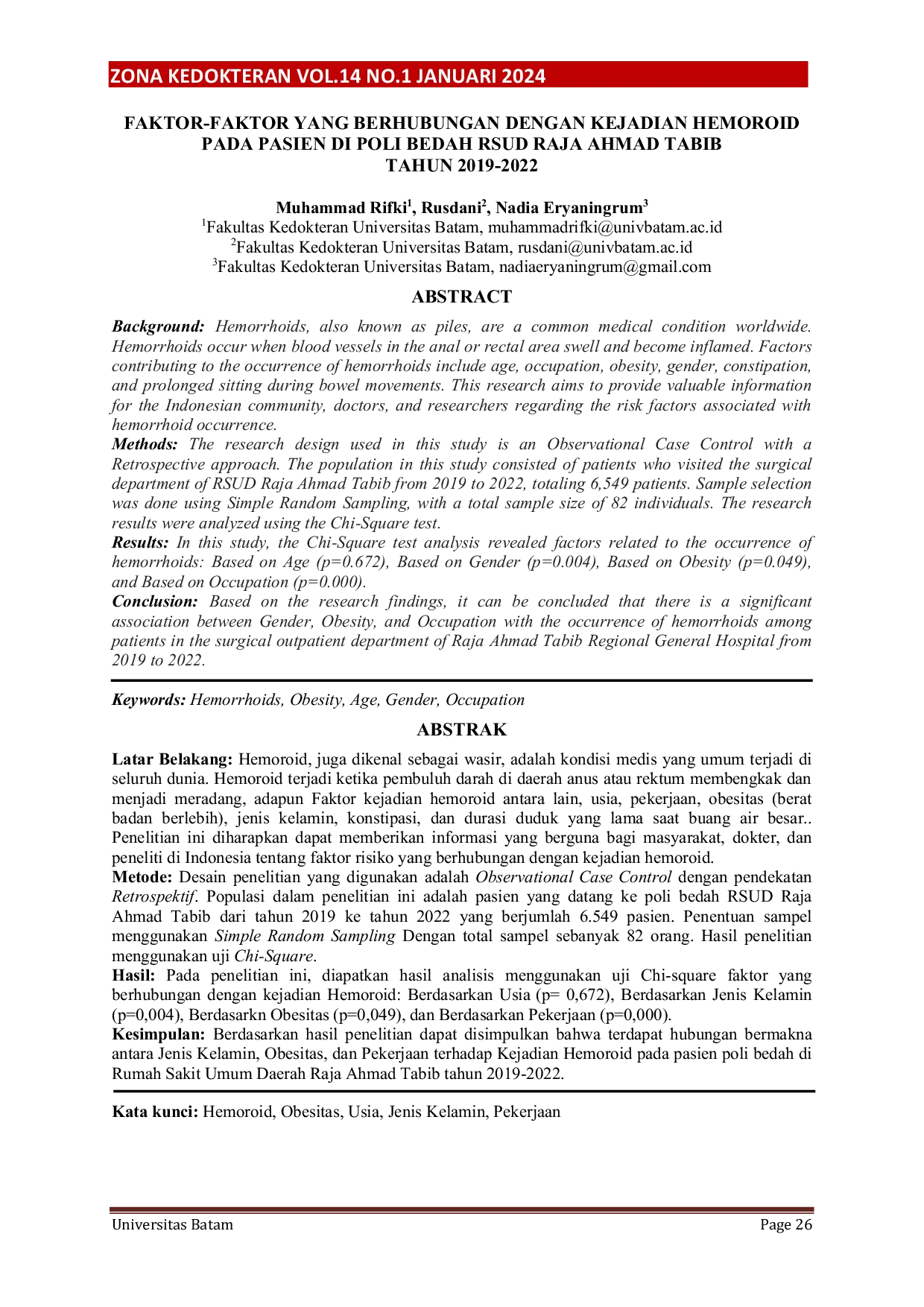
UNIBAUNIBA Hemoroid terjadi ketika pembuluh darah di daerah anus atau rektum membengkak dan menjadi meradang, adapun Faktor kejadian hemoroid antara lain, usia, pekerjaan,Hemoroid terjadi ketika pembuluh darah di daerah anus atau rektum membengkak dan menjadi meradang, adapun Faktor kejadian hemoroid antara lain, usia, pekerjaan,
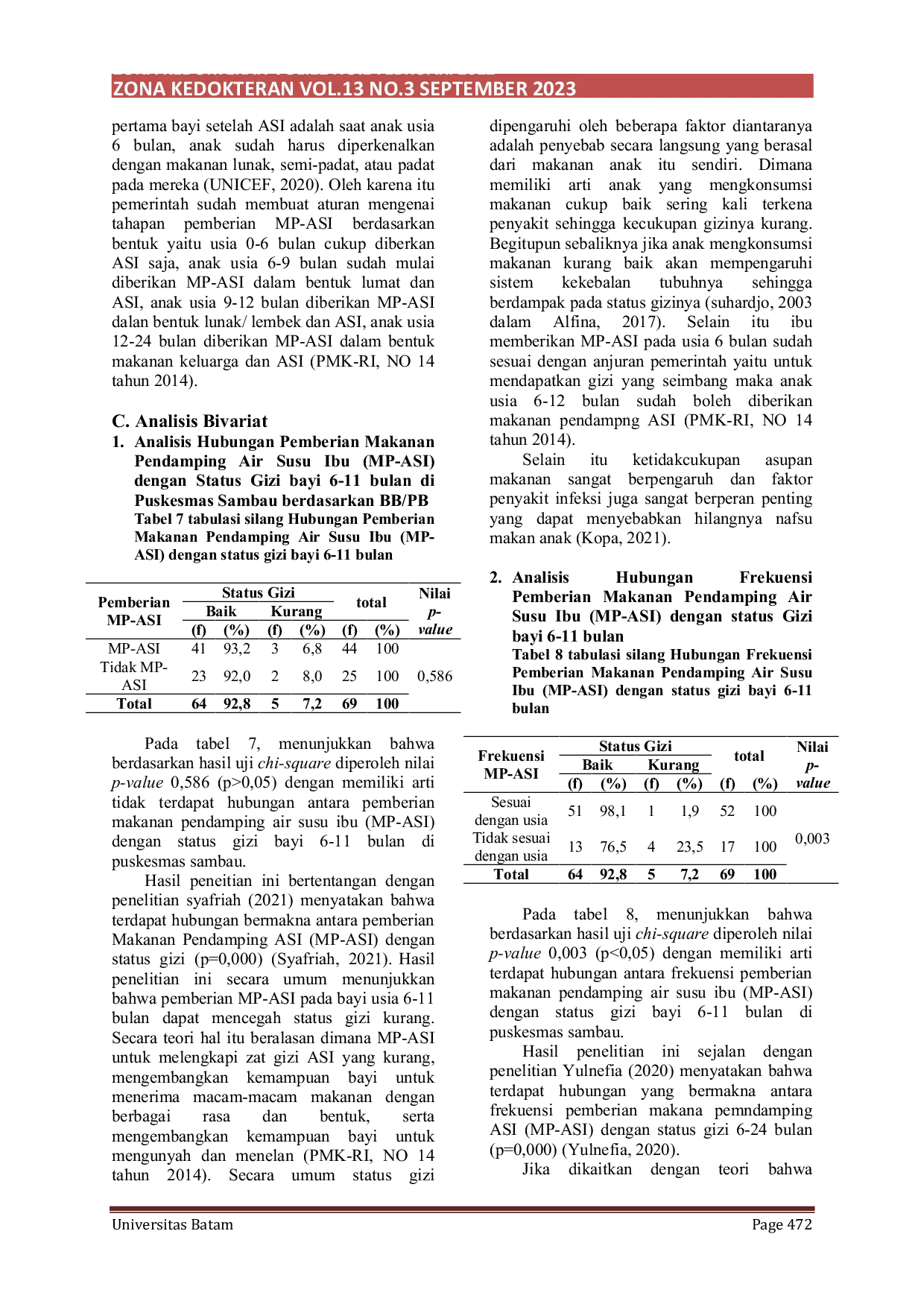
UNIBAUNIBA Metode: Jenis penelitian kuantitatif dengan rancangan cross sectional study. Penelitian ini dilakukan pada bulan Desember 2022. Populasi adalah bayi berusiaMetode: Jenis penelitian kuantitatif dengan rancangan cross sectional study. Penelitian ini dilakukan pada bulan Desember 2022. Populasi adalah bayi berusia

UNIBAUNIBA Salah satu hal yang dapat mempengaruhi siklus menstruasi yaitu kondisi psikologis seperti depresi dan kecemasan. Metode: Metode penelitian ini adalah analitikSalah satu hal yang dapat mempengaruhi siklus menstruasi yaitu kondisi psikologis seperti depresi dan kecemasan. Metode: Metode penelitian ini adalah analitik

UNIBAUNIBA Hasil uji chi – square diperoleh nilai p value = 0,525 untuk hubungan kebiasaan sarapan dengan konsentrasi belajar, hubungan aktivitas fisik dengan konsentrasiHasil uji chi – square diperoleh nilai p value = 0,525 untuk hubungan kebiasaan sarapan dengan konsentrasi belajar, hubungan aktivitas fisik dengan konsentrasi
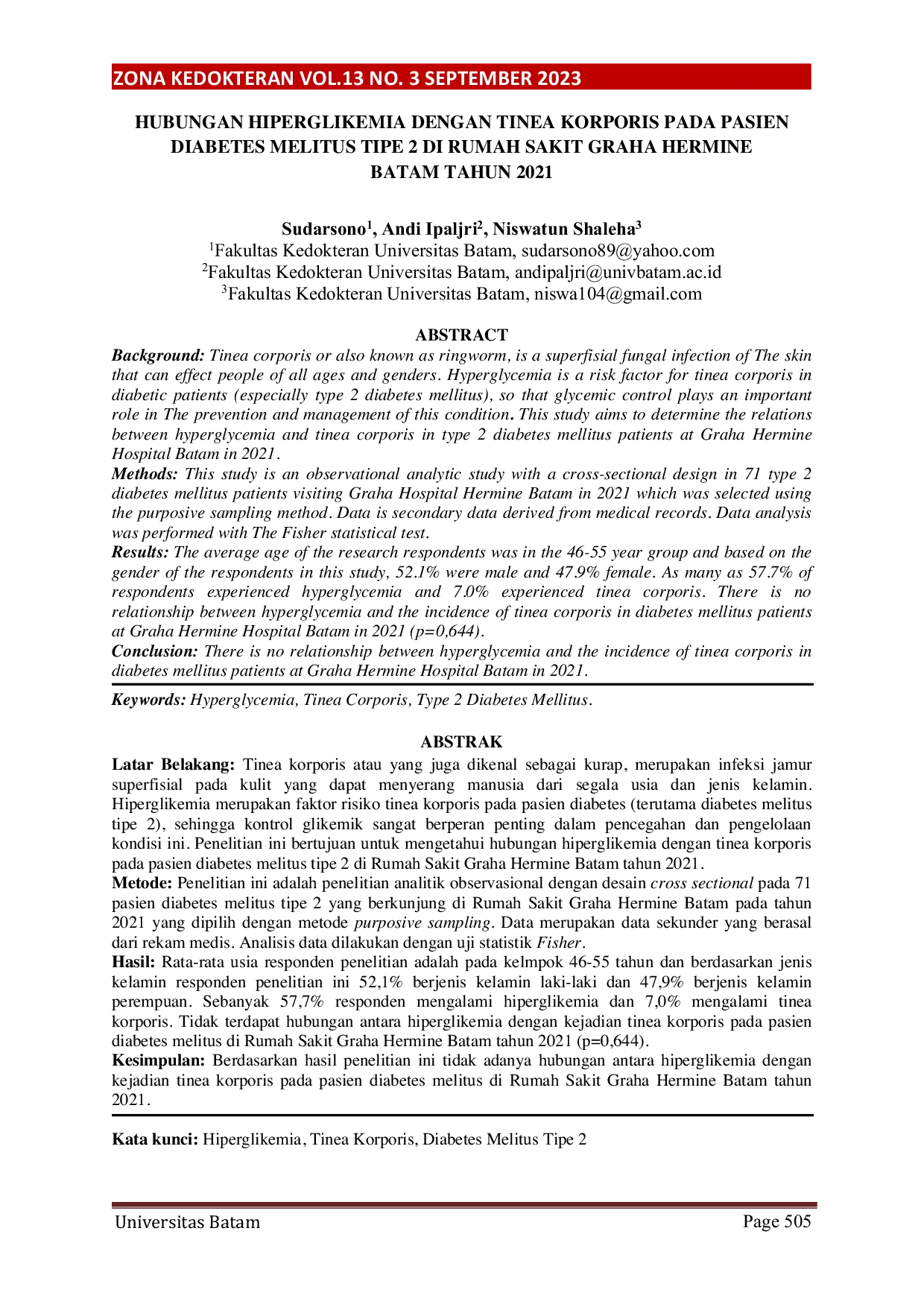
UNIBAUNIBA Berdasarkan hasil penelitian ini, tidak adanya hubungan antara hiperglikemia dengan kejadian tinea korporis pada pasien diabetes melitus di Rumah SakitBerdasarkan hasil penelitian ini, tidak adanya hubungan antara hiperglikemia dengan kejadian tinea korporis pada pasien diabetes melitus di Rumah Sakit
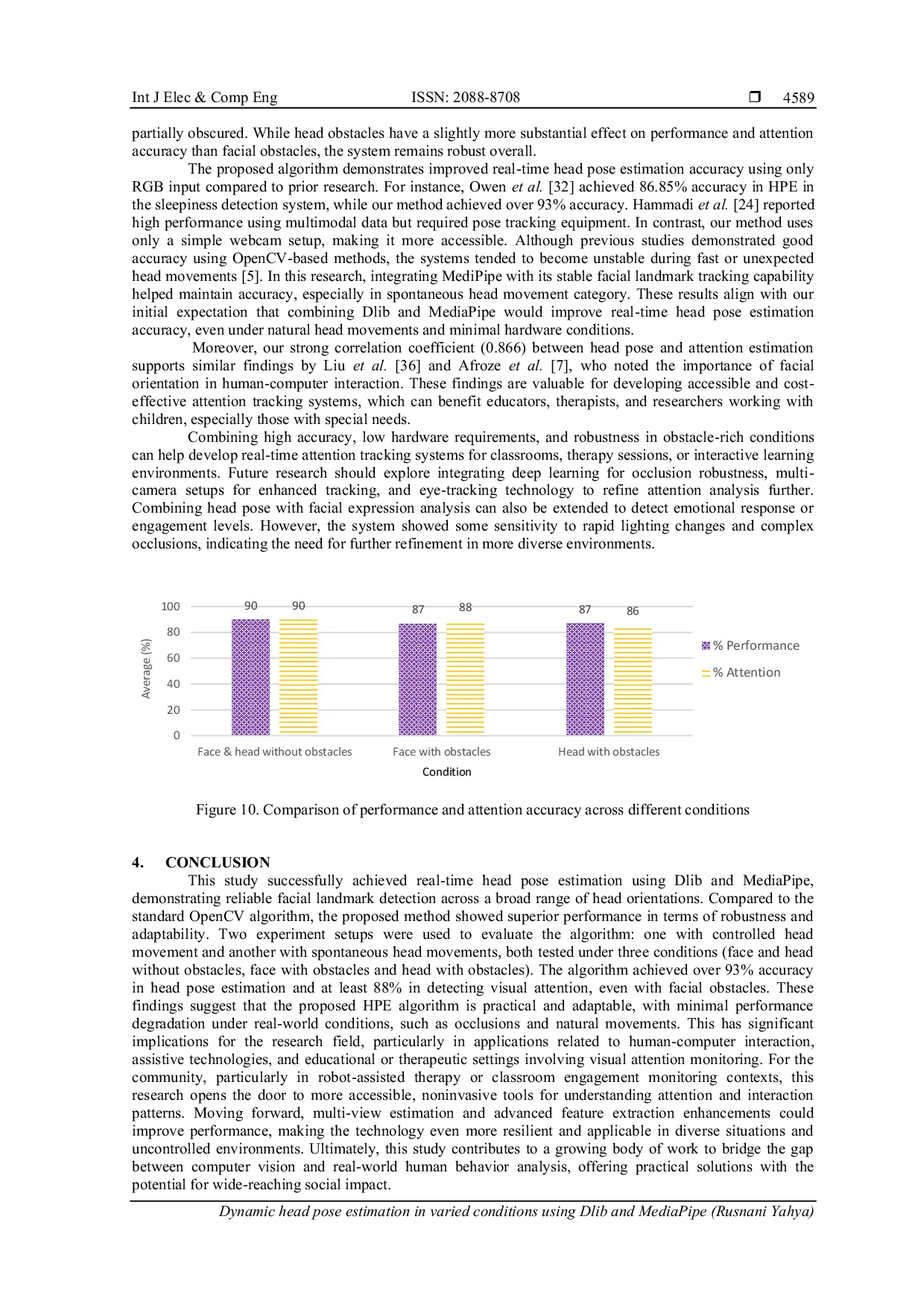
IAESCOREIAESCORE Temuan ini memiliki implikasi signifikan untuk interaksi manusia-komputer, teknologi bantu, serta pengaturan pendidikan atau terapi, dan menyarankan pengembanganTemuan ini memiliki implikasi signifikan untuk interaksi manusia-komputer, teknologi bantu, serta pengaturan pendidikan atau terapi, dan menyarankan pengembangan
Useful /

UNIBAUNIBA Gagal Ginjal Kronik (GGK) adalah gangguan fungsi ginjal progresif dan tidak dapat dipulihkan, dimana tubuh tidak mampu memelihara metabolisme dan gagalGagal Ginjal Kronik (GGK) adalah gangguan fungsi ginjal progresif dan tidak dapat dipulihkan, dimana tubuh tidak mampu memelihara metabolisme dan gagal
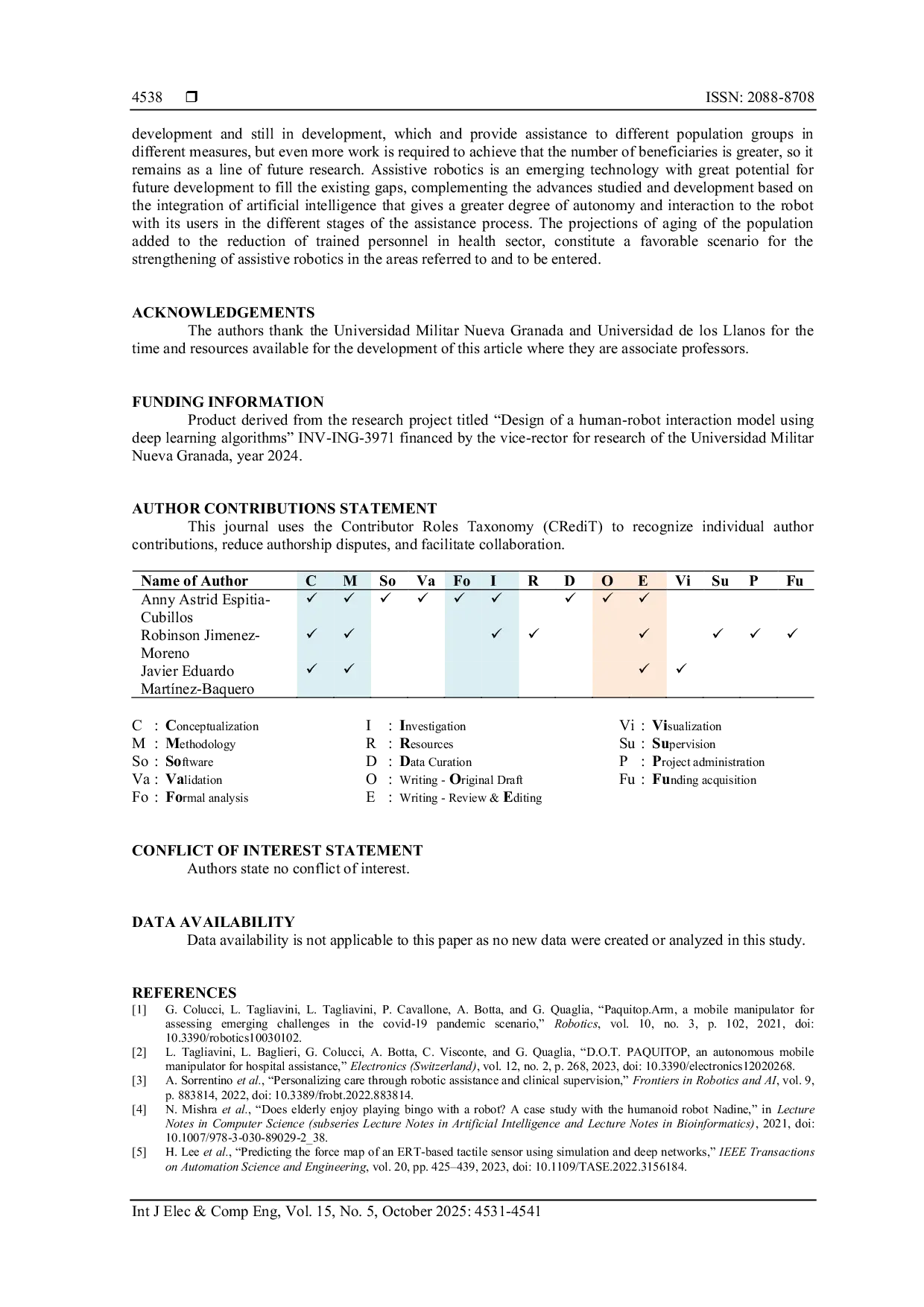
IAESCOREIAESCORE Disimpulkan bahwa ada banyak kemajuan dalam robotika bantuan yang menunjukkan perkembangan robotik progresif dan masih dalam pengembangan, dan memberikanDisimpulkan bahwa ada banyak kemajuan dalam robotika bantuan yang menunjukkan perkembangan robotik progresif dan masih dalam pengembangan, dan memberikan

IAESCOREIAESCORE Didevelop prosedur untuk sintesis analitis hukum kendali dasar untuk regulasi yang saling terhubung dari unit generator uap yang beroperasi sebagai bagianDidevelop prosedur untuk sintesis analitis hukum kendali dasar untuk regulasi yang saling terhubung dari unit generator uap yang beroperasi sebagai bagian
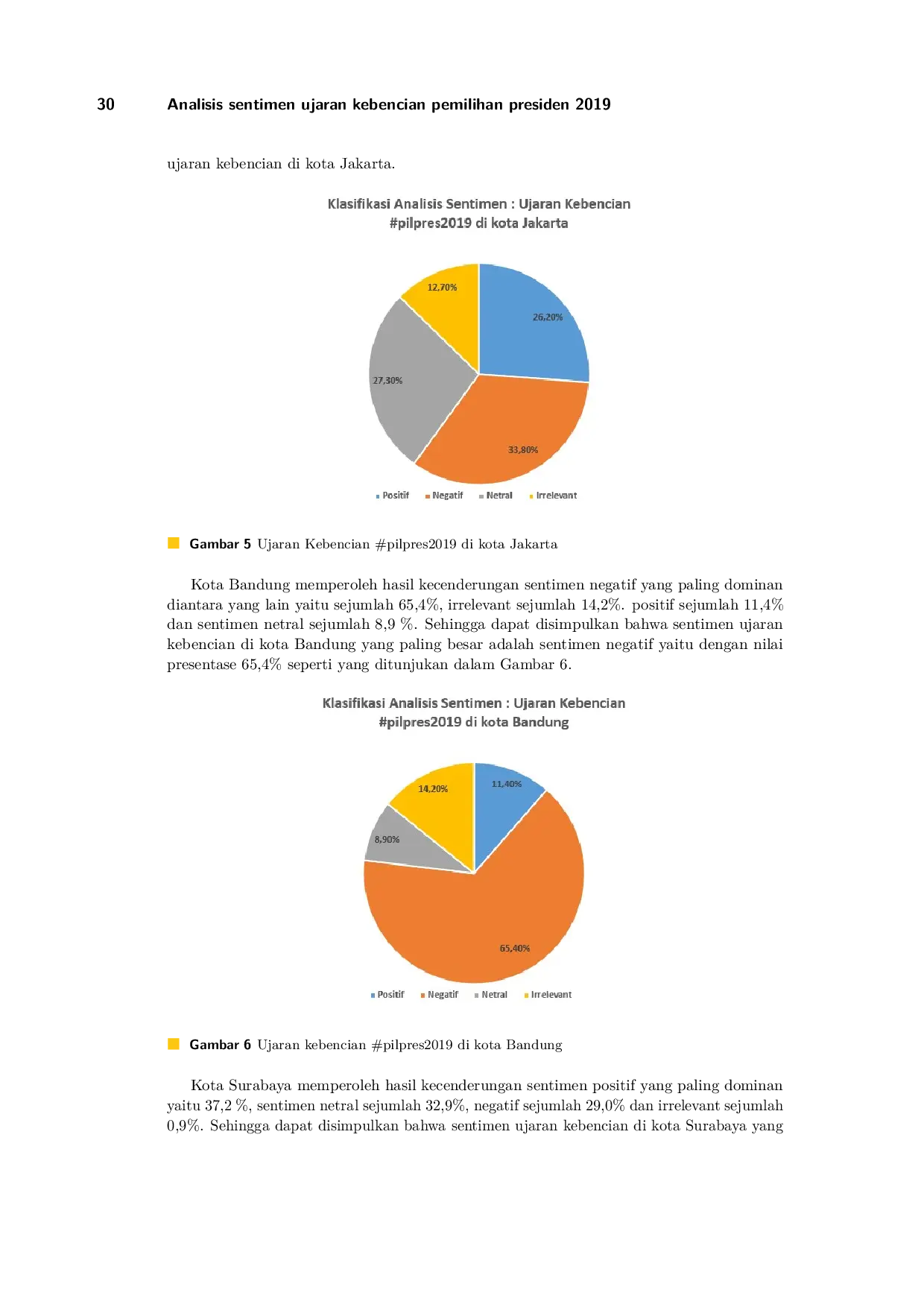
LENTERADUALENTERADUA Hasil klasifikasi menunjukkan bahwa sentimen irrelevant sebanyak 11,3% dengan 573 data, sentimen negatif sebanyak 35,4% dengan 1786 data, sentimen netralHasil klasifikasi menunjukkan bahwa sentimen irrelevant sebanyak 11,3% dengan 573 data, sentimen negatif sebanyak 35,4% dengan 1786 data, sentimen netral