JOURNALKEBERLANJUTANJOURNALKEBERLANJUTAN
International Journal of Environmental, Sustainability, and Social ScienceInternational Journal of Environmental, Sustainability, and Social ScienceIndias goals of attaining 500 GW of renewable energy capacity by 2030, as part of its Panchamrit climate commitments, require a significant financial transformation. Addressing the projected annual funding deficit of INR 11 lakh crores (USD 170 billion) is essential for the expansion of renewable initiatives, including solar, wind, and hydro energy projects. This study examines the present state of green finance in India, highlighting the significance of instruments such as sovereign green bonds, blended finance, green banks, and crowdfunding in facilitating the growth of renewable energy. The research employs exploratory analysis of governmental data, policy documents, and multilateral sources to identify critical structural impediments, including inadequate enforcement of Renewable Purchase Obligations (RPOs), underdeveloped debt markets, minimal foreign direct investment (2.05%), and disjointed regulatory frameworks. Research indicates that while entities like IREDA and programs such as viability gap funding (VGF) have stimulated solar expansion, overarching market inefficiencies remain. Merely 34% of public sector banks actively endorse renewable energy, whereas the involvement of foreign banks is minimal. The paper additionally delineates investor engagement and quantifies sector-specific fund distributions, highlighting that solar energy commands the largest proportion (34.58%), followed by hydro and wind energy. The paper promotes enhanced adherence to RPOs, the development of innovative financing models, and the implementation of strategic de-risking mechanisms to bolster investor confidence. These initiatives are crucial for expediting Indias energy transition, fulfilling Sustainable Development Goal 7, and significantly aiding global climate objectives.
Indias renewable energy sector has seen expansion, with solar and wind accounting for 43.5% of total installed capacity as of 2024, but actual energy consumption from renewables remains low at 3%.Despite progress, challenges persist, including inconsistent adherence to Renewable Purchase Obligations (RPOs) and a reliance on public sector funding, with PSUs contributing 34.To meet its 2030 targets, India must strengthen public-private cooperation, improve policy frameworks, and diversify financing sources through measures like credit guarantees and increased awareness of green banking.
Berdasarkan hasil penelitian, terdapat beberapa arah penelitian lanjutan yang menarik untuk dieksplorasi. Pertama, perlu dilakukan studi mendalam mengenai efektivitas berbagai instrumen keuangan hijau, seperti obligasi hijau dan blended finance, dalam menarik investasi swasta ke sektor energi terbarukan di India. Penelitian ini dapat mengidentifikasi hambatan dan peluang untuk meningkatkan daya tarik instrumen-instrumen tersebut bagi investor. Kedua, penting untuk menganalisis dampak dari kebijakan pemerintah, seperti Renewable Purchase Obligations (RPO), terhadap pengembangan energi terbarukan. Penelitian ini dapat mengevaluasi efektivitas RPO dalam mendorong permintaan energi terbarukan dan mengidentifikasi cara untuk meningkatkan kepatuhan dan penegakan kebijakan tersebut. Ketiga, penelitian lebih lanjut diperlukan untuk memahami peran bank hijau, seperti IREDA, dalam memobilisasi investasi untuk energi terbarukan. Studi ini dapat mengeksplorasi model bisnis dan strategi pendanaan yang paling efektif untuk bank hijau, serta mengidentifikasi peluang untuk memperluas jangkauan dan dampak mereka. Secara keseluruhan, penelitian-penelitian ini akan memberikan wawasan berharga bagi pembuat kebijakan, investor, dan pemangku kepentingan lainnya yang terlibat dalam transisi energi di India, sehingga membantu mempercepat adopsi energi terbarukan dan mencapai tujuan pembangunan berkelanjutan.
- green banking strategies for sustainable development a conceptual study - IIP Series - Conferences &... doi.org/10.58532/v3bflt6p2ch413green banking strategies for sustainable development a conceptual study IIP Series Conferences doi 10 58532 v3bflt6p2ch413
- Green finance solutions for banking to combat climate change and promote sustainability | Gulf Journal... fegulf.com/index.php/gjabr/article/view/54Green finance solutions for banking to combat climate change and promote sustainability Gulf Journal fegulf index php gjabr article view 54
- Development Co‑operation Report 2016 | OECD. development operation report oecd skip main content sustainable... doi.org/10.1787/DCR-2016-9-ENDevelopment CoAcoperation Report 2016 OECD development operation report oecd skip main content sustainable doi 10 1787 DCR 2016 9 EN
- Enabling Bond Market Finance for Infrastructure Projects in India: The Problem of Credit Ratings | Portfolio... doi.org/10.3905/JSF.2017.23.1.059Enabling Bond Market Finance for Infrastructure Projects in India The Problem of Credit Ratings Portfolio doi 10 3905 JSF 2017 23 1 059
- Green Banks: Growing Clean Energy Markets by Leveraging Private Investment with Public Financing | Portfolio... doi.org/10.3905/JSF.2015.21.3.026Green Banks Growing Clean Energy Markets by Leveraging Private Investment with Public Financing Portfolio doi 10 3905 JSF 2015 21 3 026
| File size | 336.87 KB |
| Pages | 11 |
| DMCA | Report |
Related /
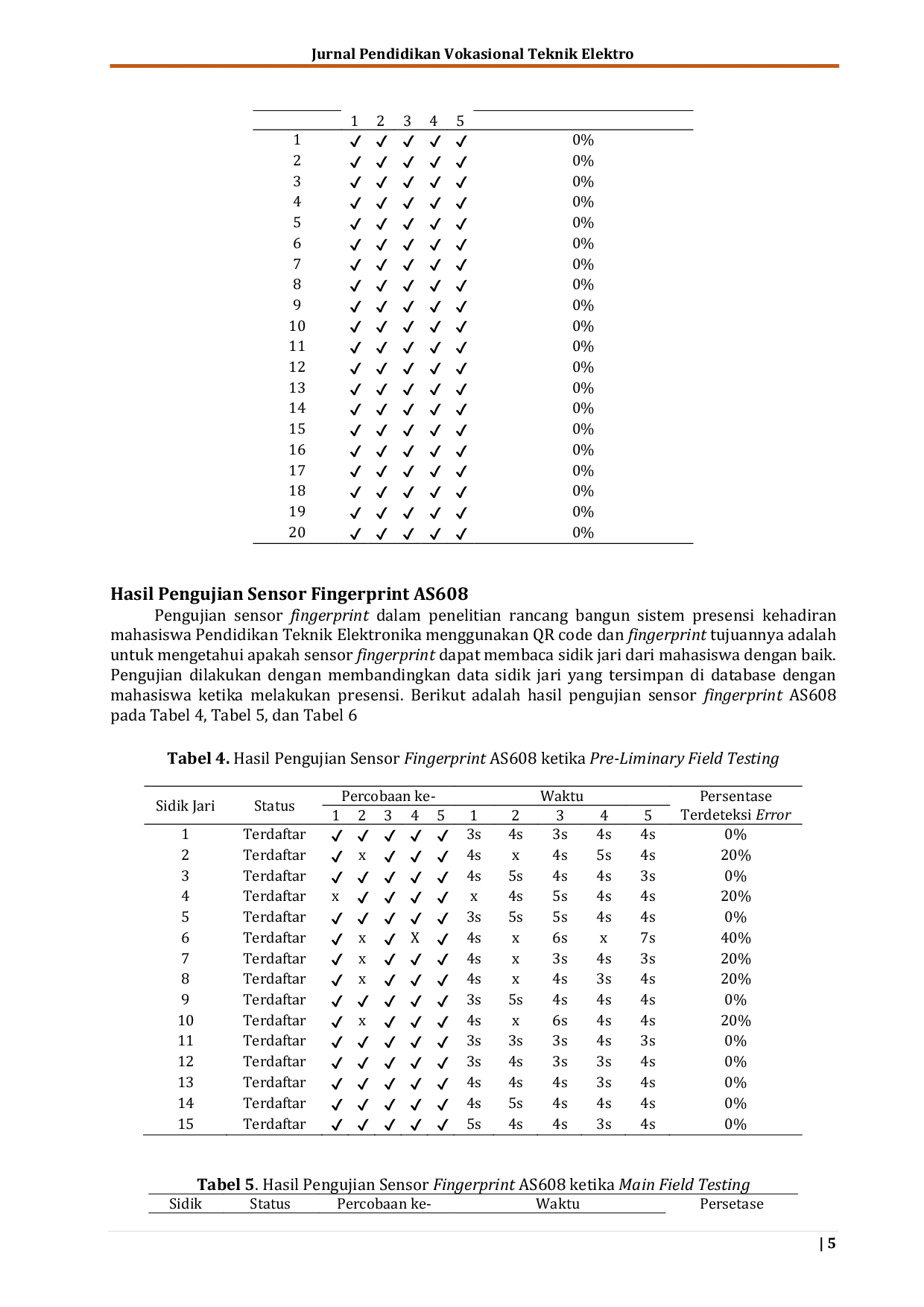
UNJUNJ Sebagai contoh pada administrasi pendidikan, presensi mahasiswa di beberapa institusi pendidikan masih dilakukan secara manual. Maka dirancang sebuah sistemSebagai contoh pada administrasi pendidikan, presensi mahasiswa di beberapa institusi pendidikan masih dilakukan secara manual. Maka dirancang sebuah sistem

UIBUUIBU Disarankan agar desain pembelajaran yang menggabungkan teknologi Augmented Reality (AR) dan metode Problem-Based Learning (PBL) menjadi solusi efektifDisarankan agar desain pembelajaran yang menggabungkan teknologi Augmented Reality (AR) dan metode Problem-Based Learning (PBL) menjadi solusi efektif

MASOEMUNIVERSITYMASOEMUNIVERSITY Evaluasi implementasi modul ini didasarkan pada kuesioner yang disebarkan pada para peserta. Hasil penelitian ini menunjukan adanya peningkatan yang signifikanEvaluasi implementasi modul ini didasarkan pada kuesioner yang disebarkan pada para peserta. Hasil penelitian ini menunjukan adanya peningkatan yang signifikan
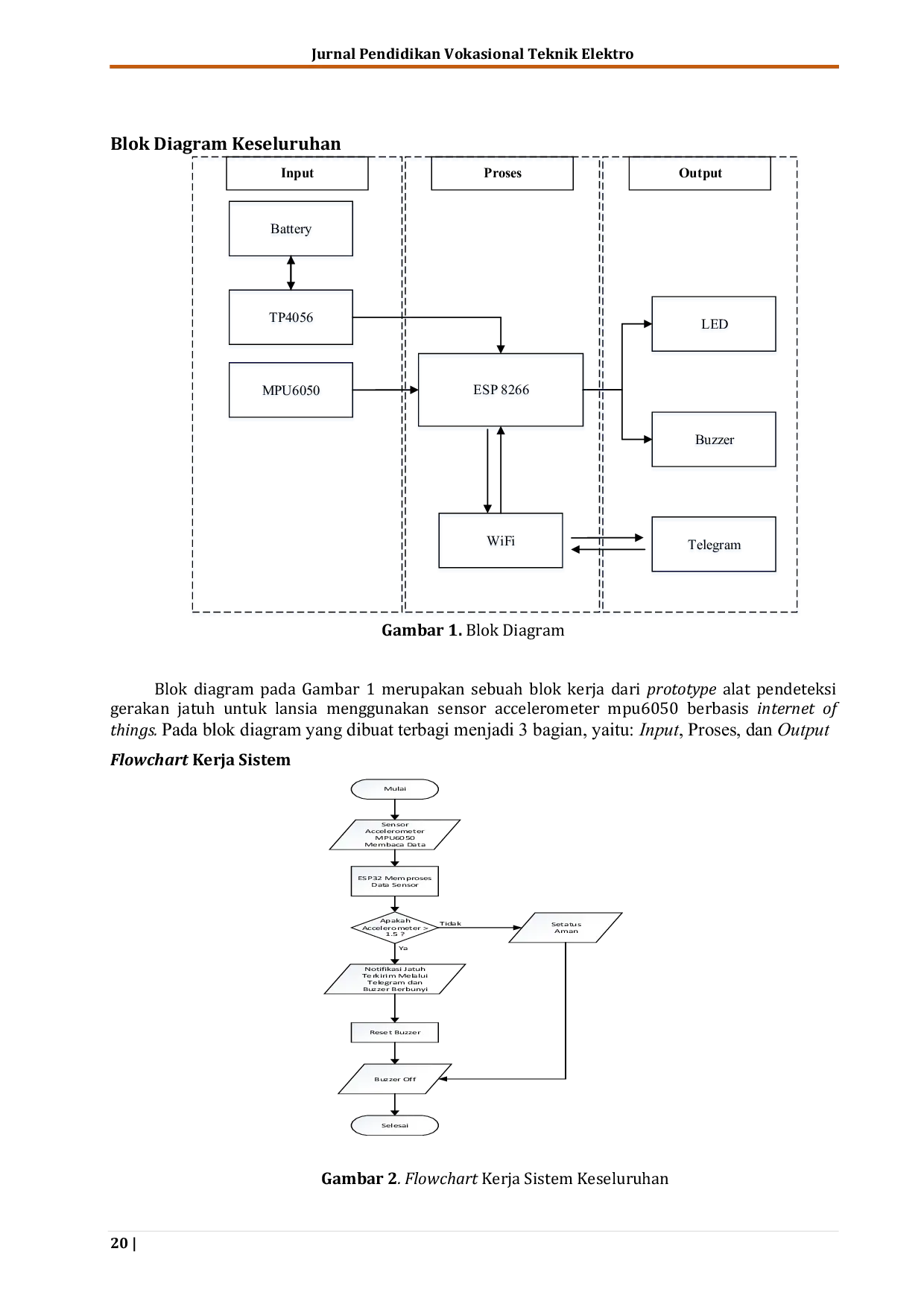
UNJUNJ Sistem ini bekerja dengan sebagai sistem otomatis yang memanfaatkan ESP8266 mikrokontroler dan Telegram sebagai dashboard monitoring berbasis IOT sertaSistem ini bekerja dengan sebagai sistem otomatis yang memanfaatkan ESP8266 mikrokontroler dan Telegram sebagai dashboard monitoring berbasis IOT serta

UNJUNJ Dalam pengembangan media ini menggunakan metode MDLC, serta menggunakan Unity dengan Vuforia SDK. Penelitian ini menghasilkan aplikasi media informasiDalam pengembangan media ini menggunakan metode MDLC, serta menggunakan Unity dengan Vuforia SDK. Penelitian ini menghasilkan aplikasi media informasi

IRPIIRPI Penelitian ini bertujuan untuk merancang program pengenalan frasa bahasa isyarat tangan Bahasa Isyarat Indonesia (BISINDO) secara real-time dengan menggunakanPenelitian ini bertujuan untuk merancang program pengenalan frasa bahasa isyarat tangan Bahasa Isyarat Indonesia (BISINDO) secara real-time dengan menggunakan

ISI DPSISI DPS Aplikasi ini berisi informasi lengkap mengenai topeng tersebut dan dilengkapi fitur AR yang memungkinkan pengguna melihat objek 3D Topeng Sidakarya menggunakanAplikasi ini berisi informasi lengkap mengenai topeng tersebut dan dilengkapi fitur AR yang memungkinkan pengguna melihat objek 3D Topeng Sidakarya menggunakan

UMBUMB The application was tested using the Black Box Test, Compatibility Test, Marker Detection Test, and SUS with a successful or feasibility rate of 100%,The application was tested using the Black Box Test, Compatibility Test, Marker Detection Test, and SUS with a successful or feasibility rate of 100%,
Useful /

JOURNALKEBERLANJUTANJOURNALKEBERLANJUTAN Hal ini mengonfirmasi bahwa kinerja keuangan tetap menjadi faktor utama yang dipertimbangkan oleh investor dalam menentukan nilai perusahaan. Usia perusahaanHal ini mengonfirmasi bahwa kinerja keuangan tetap menjadi faktor utama yang dipertimbangkan oleh investor dalam menentukan nilai perusahaan. Usia perusahaan

JOURNALKEBERLANJUTANJOURNALKEBERLANJUTAN This shows that employee performance achievement is largely determined by work discipline and effective communication built by Morowali Airport employees.This shows that employee performance achievement is largely determined by work discipline and effective communication built by Morowali Airport employees.

IKIPWIDYADARMASURABAYAIKIPWIDYADARMASURABAYA Hal ini dipengaruhi oleh beberapa faktor, seperti pemahaman siswa terhadap materi, minat dan motivasi belajar, serta inovasi dalam metode pengajaran yangHal ini dipengaruhi oleh beberapa faktor, seperti pemahaman siswa terhadap materi, minat dan motivasi belajar, serta inovasi dalam metode pengajaran yang
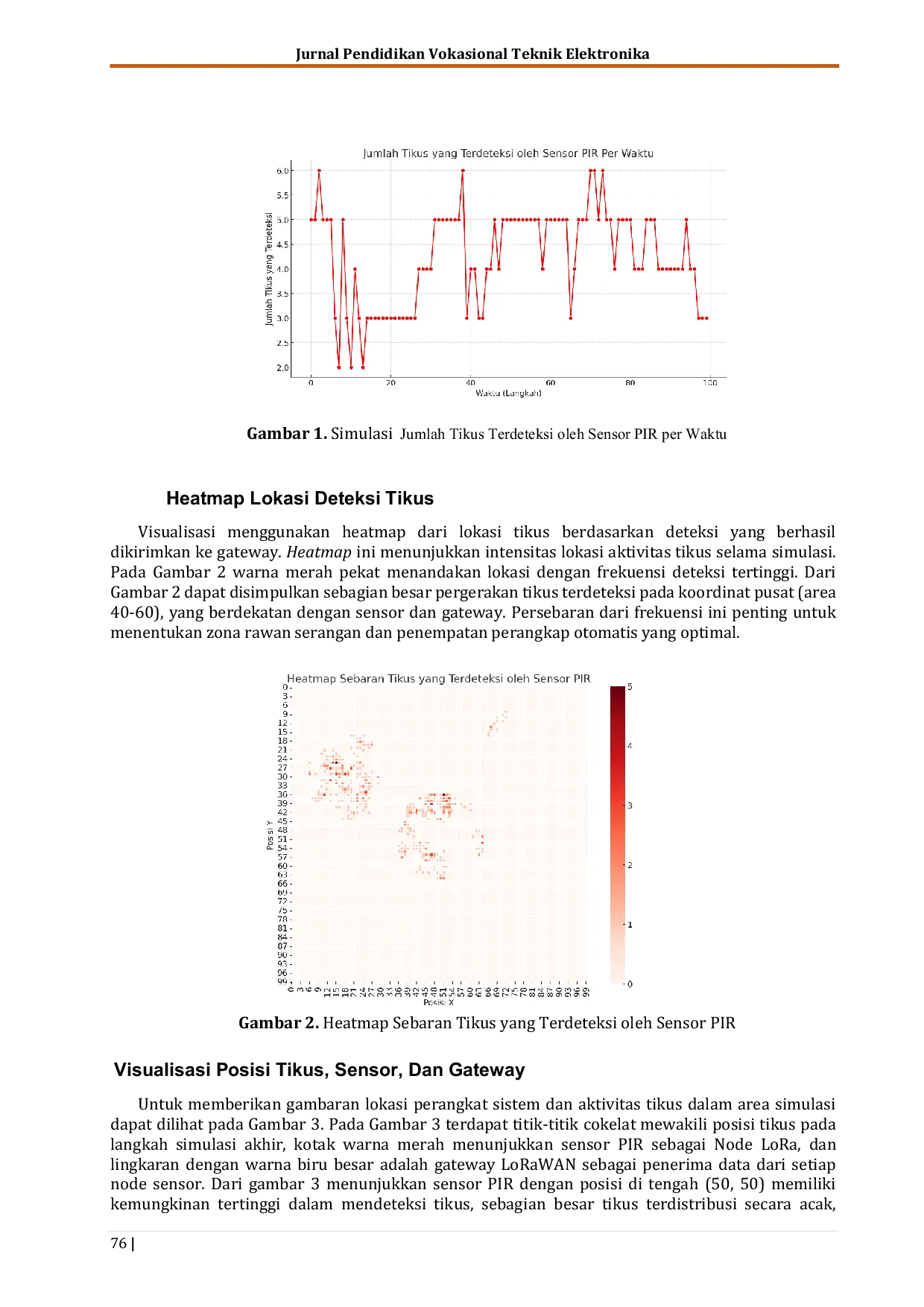
UNJUNJ Simulasi meliputi skenario jarak node-gateway, ketinggian antena, dan kepadatan vegetasi, serta evaluasi kinerja dengan metrik confusion matrix (TPR, FPR),Simulasi meliputi skenario jarak node-gateway, ketinggian antena, dan kepadatan vegetasi, serta evaluasi kinerja dengan metrik confusion matrix (TPR, FPR),