UMRAHUMRAH
Journal of Innovation and TechnologyJournal of Innovation and TechnologyEcosystem-based coastal protection offers a strategic approach to mitigating the impacts of climate change, particularly in small island contexts. This study integrates remote sensing and geospatial analysis to estimate blue carbon stocks in the mangrove ecosystems of Dompak Island, Tanjungpinang, using Google Earth Engine (GEE) and Sentinel-2 satellite imagery. Through the application of the Normalized Difference Vegetation Index (NDVI) and an empirical model for Above Ground Biomass (AGB), spatial carbon stock distributions were generated and classified into three functional zones: conservation, restoration, and critical protection. Results reveal that areas with moderate vegetation exhibit the highest carbon stock (32.00 tons/ha), suggesting ongoing biomass accumulation. This spatial analysis informs a zoning framework that supports ecosystem-based infrastructure planning. The integration of carbon mapping with adaptive civil engineering strategies demonstrates a scalable model for climate-resilient coastal development in vulnerable regions.
This study successfully integrated remote sensing and geospatial analysis to estimate blue carbon stock and inform coastal protection planning.By utilizing Sentinel-2 imagery and NDVI in the Google Earth Engine (GEE) platform, mangrove distribution and carbon stock were quantified in Dompak Island.The resulting data enabled the classification of coastal segments into conservation, restoration, and critical protection zones, each accompanied by tailored engineering strategies, providing a replicable model for sustainable coastal infrastructure planning.
Future research should focus on validating the satellite-based carbon stock estimates with ground-truth measurements to improve accuracy and contextual relevance. Expanding the study to incorporate hydrodynamic modeling and higher-resolution imagery will allow for a more detailed understanding of coastal processes and inform more robust engineering designs. Furthermore, investigating the socio-economic benefits of mangrove conservation and restoration, including the role of local communities in sustainable management, is crucial for ensuring long-term success and fostering a holistic approach to coastal resilience. These investigations will contribute to a more comprehensive understanding of mangrove ecosystems and their potential for mitigating climate change impacts while supporting sustainable coastal development, ultimately leading to more effective and equitable conservation strategies.
| File size | 658.2 KB |
| Pages | 9 |
| DMCA | Report |
Related /

UMSUMS Suhu air tanah berada dalam kategori sedang (30°C-35°C). 84% sampel memiliki nilai konduktivitas listrik dalam kelas sedang (1. Nilai pH air tanah beradaSuhu air tanah berada dalam kategori sedang (30°C-35°C). 84% sampel memiliki nilai konduktivitas listrik dalam kelas sedang (1. Nilai pH air tanah berada

PROVISIPROVISI Prosesnya meliputi pendaftaran pasien, pengumpulan data poliklinik, data dokter, dan data obat, serta menghasilkan laporan data pasien, cetak data pasien,Prosesnya meliputi pendaftaran pasien, pengumpulan data poliklinik, data dokter, dan data obat, serta menghasilkan laporan data pasien, cetak data pasien,
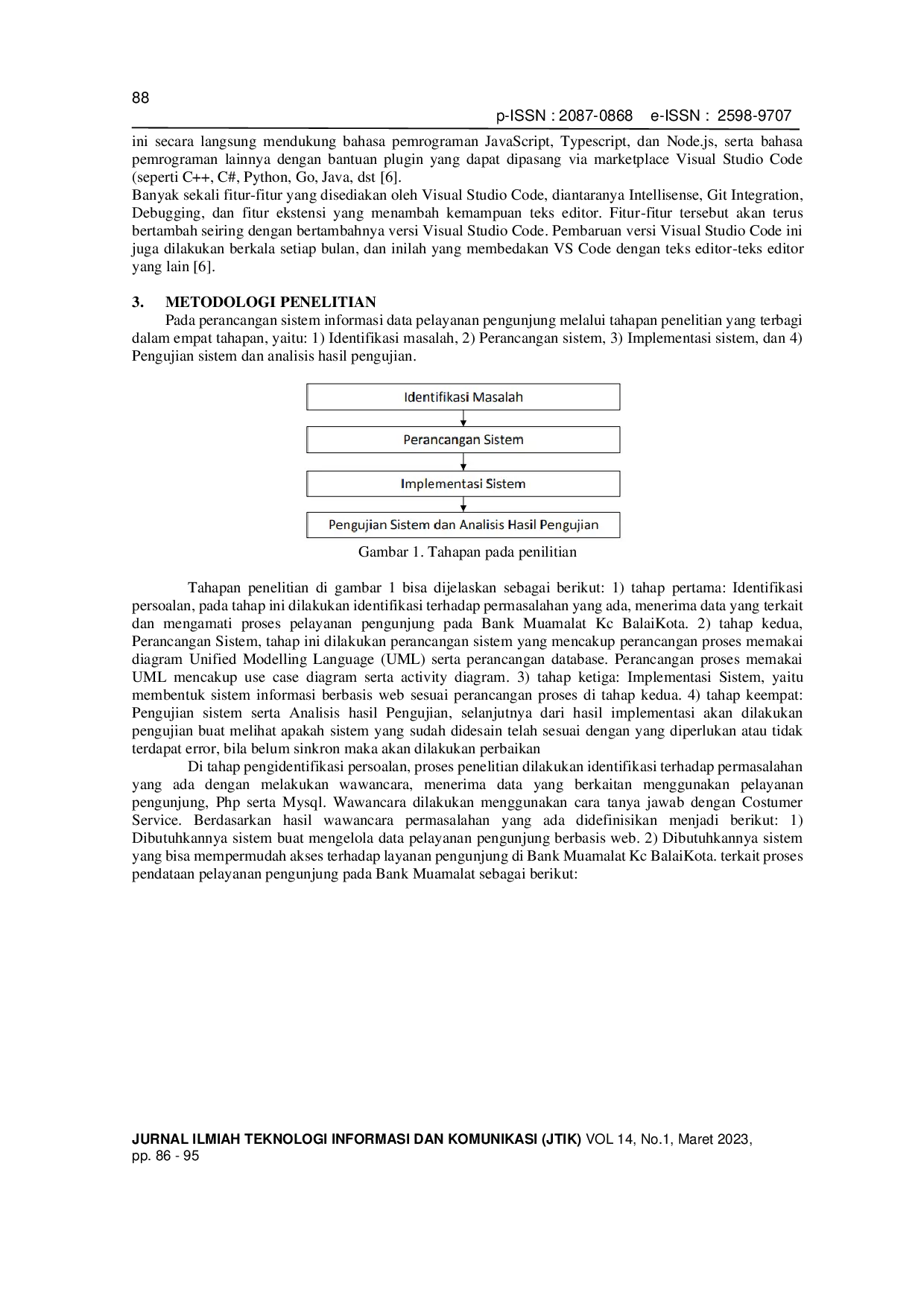
PROVISIPROVISI Penelitian ini berhasil membangun sistem informasi data kunjungan nasabah Bank Muamalat berbasis web menggunakan PHP dan MySQL. Sistem ini dapat mempermudahPenelitian ini berhasil membangun sistem informasi data kunjungan nasabah Bank Muamalat berbasis web menggunakan PHP dan MySQL. Sistem ini dapat mempermudah
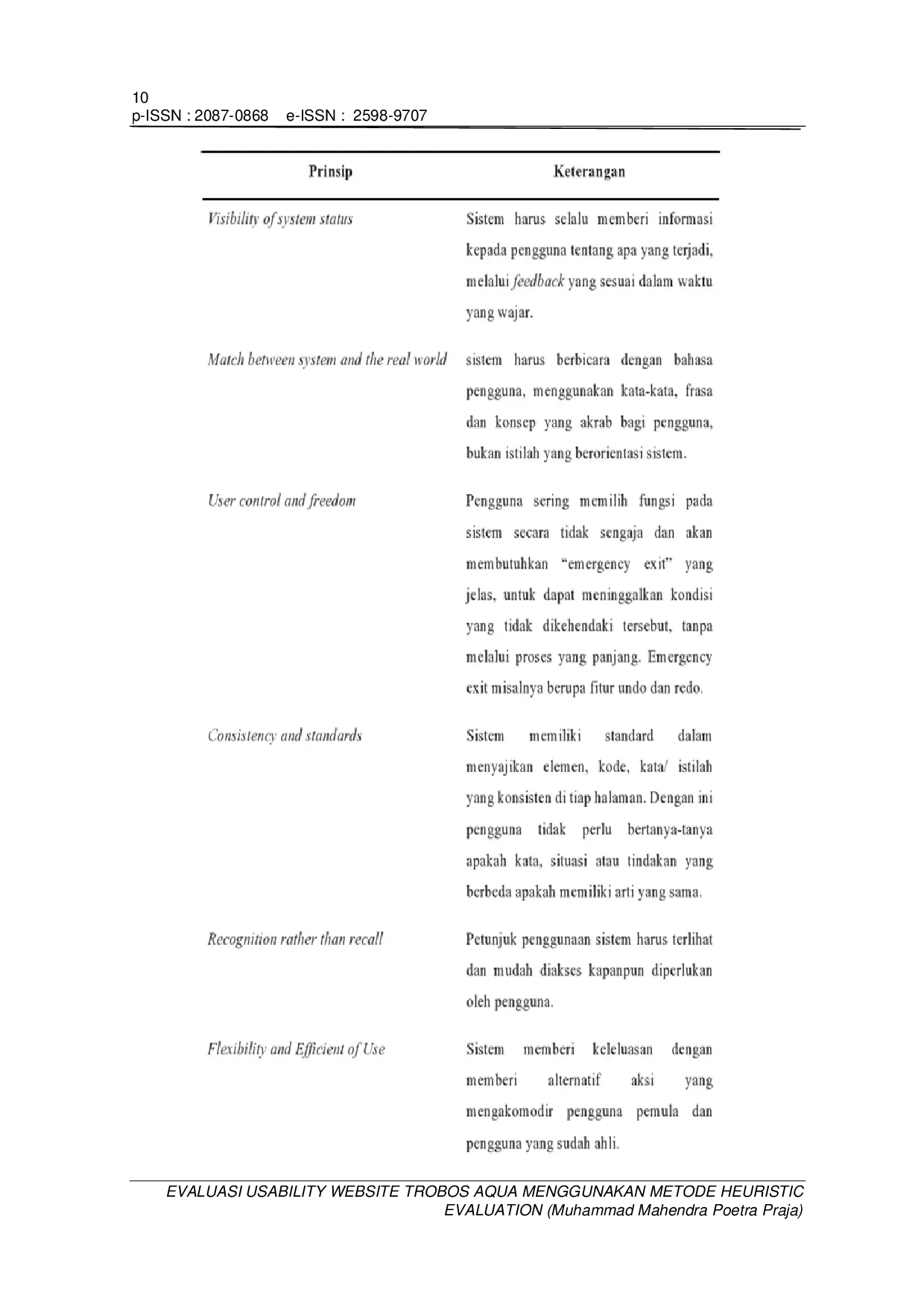
PROVISIPROVISI Dalam penggunaan website yang baik, evaluasi dilakukan untuk menemukan masalah pada website. Penelitian ini bertujuan untuk mengevaluasi masalah pada websiteDalam penggunaan website yang baik, evaluasi dilakukan untuk menemukan masalah pada website. Penelitian ini bertujuan untuk mengevaluasi masalah pada website
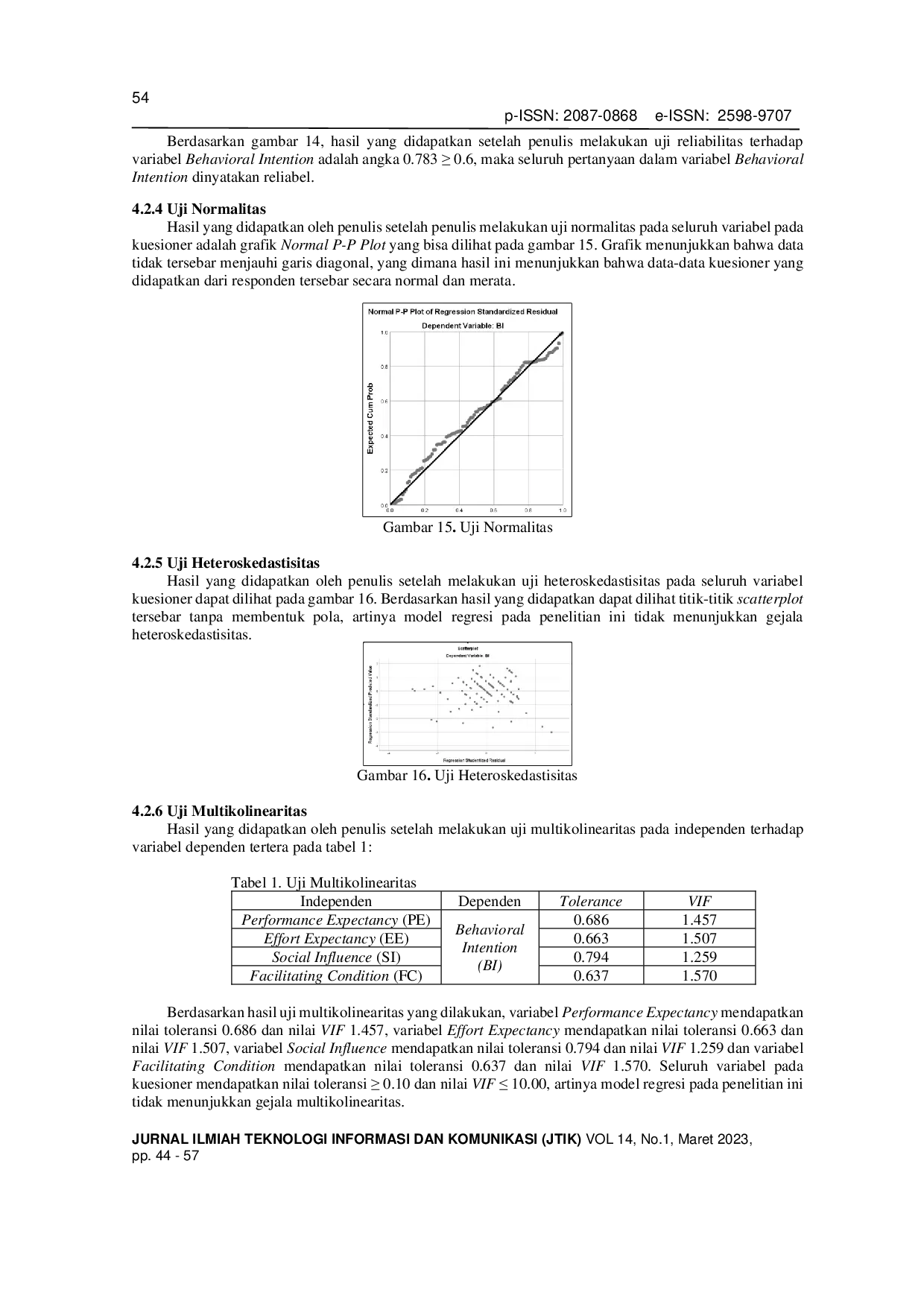
PROVISIPROVISI Tujuan utama dari penelitian ini adalah untuk mengembangkan konten tentang kesehatan bagi perokok dengan metode Multimedia Development Life Cycle (MDLC),Tujuan utama dari penelitian ini adalah untuk mengembangkan konten tentang kesehatan bagi perokok dengan metode Multimedia Development Life Cycle (MDLC),

PROVISIPROVISI Penelitian ini bertujuan untuk menentukan korelasi antara penggunaan video game dan olahraga terhadap kesehatan mental selama pandemi COVID-19 di kotaPenelitian ini bertujuan untuk menentukan korelasi antara penggunaan video game dan olahraga terhadap kesehatan mental selama pandemi COVID-19 di kota

PROVISIPROVISI Metodologi yang digunakan dalam perancangan aplikasi ini adalah Waterfall. Pengumpulan data dilakukan melalui teknik observasi, wawancara, dan studi literatur.Metodologi yang digunakan dalam perancangan aplikasi ini adalah Waterfall. Pengumpulan data dilakukan melalui teknik observasi, wawancara, dan studi literatur.
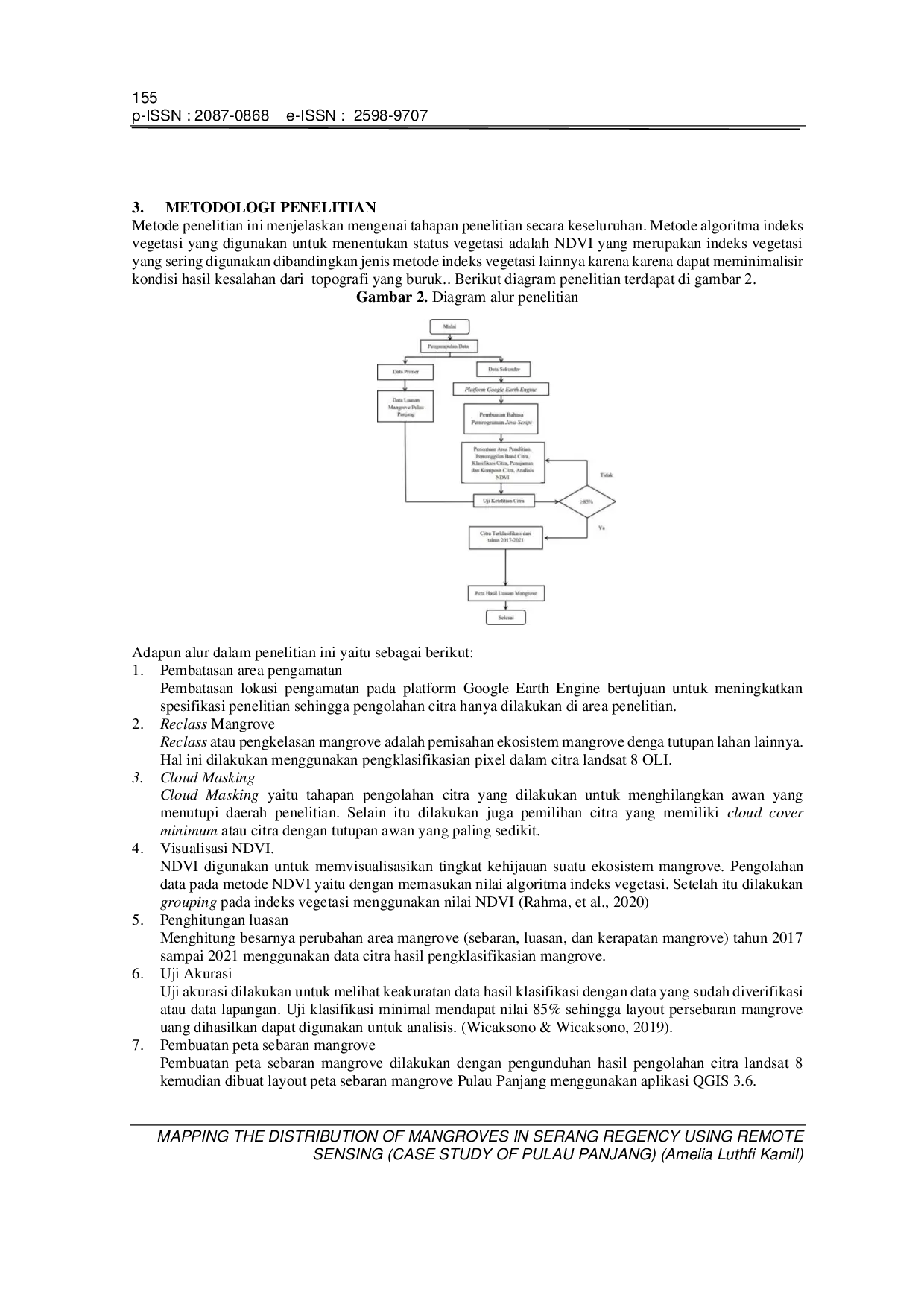
PROVISIPROVISI Metode pengideraan jauh dapat membantu memperoleh data-data terbaru terkait luas kawasan mangrove dengan kriteria waktu dan cakupan daerah tertentu. SebaranMetode pengideraan jauh dapat membantu memperoleh data-data terbaru terkait luas kawasan mangrove dengan kriteria waktu dan cakupan daerah tertentu. Sebaran
Useful /
UMBUMB Hasil dari PKM ini akan memberikan wawasan ilmiah baik presentasi maupun pelatihan tentang proses pembuatan Batik Iket yang diwarnai. Banyak peserta kurangHasil dari PKM ini akan memberikan wawasan ilmiah baik presentasi maupun pelatihan tentang proses pembuatan Batik Iket yang diwarnai. Banyak peserta kurang
UMSUMS Temuan ini dapat memperkuat tingkat kepercayaan terhadap tide gauge DIY berbiaya rendah, terutama untuk digunakan sebagai sensor cadangan dan redundanTemuan ini dapat memperkuat tingkat kepercayaan terhadap tide gauge DIY berbiaya rendah, terutama untuk digunakan sebagai sensor cadangan dan redundan
UMSUMS UAV berbiaya rendah, khususnya DJI Phantom 3 Pro, terbukti efektif untuk klasifikasi tutupan lahan di pulau-pulau kecil dengan menghasilkan citra beresolusiUAV berbiaya rendah, khususnya DJI Phantom 3 Pro, terbukti efektif untuk klasifikasi tutupan lahan di pulau-pulau kecil dengan menghasilkan citra beresolusi
UMSUMS Studi volume lalu lintas sangat penting untuk memahami kuantitas, pergerakan, dan klasifikasi kendaraan di lokasi tertentu. Studi ini bertujuan untuk menetapkanStudi volume lalu lintas sangat penting untuk memahami kuantitas, pergerakan, dan klasifikasi kendaraan di lokasi tertentu. Studi ini bertujuan untuk menetapkan