UNSIKAUNSIKA
English Ideas: Journal of English Language EducationEnglish Ideas: Journal of English Language EducationReflective practice is an essential component of effective language teaching. This study explores EFL teachers reflections in the ELT classroom and examines their beliefs regarding the role of reflection in professional development. Employing a qualitative approach with a narrative inquiry design, this study involved one EFL teacher at a junior high school in Karawang. Data were collected through classroom observation, open-ended interviews, and documentation. The findings reveal that the teacher regularly engages in reflective activities before and after teaching, particularly in lesson planning and evaluating students learning progress. The teacher also believes that self-reflection facilitates continuous improvement of teaching strategies and instructional media. Importantly, the results of this study imply that systematic reflective practice should be integrated into teacher professional development programs and teacher education curricula, as it supports teachers pedagogical growth, enhances classroom management, and contributes to more effective English instruction. Encouraging reflective habits among EFL teachers can therefore strengthen instructional quality and promote sustainable professional development.
The research findings demonstrate that reflection on action is consistently practiced by the teacher, involving preparation and consideration of students learning styles and needs.Furthermore, the teacher views reflection as a valuable practice, engaging in simple self-reflection to enhance teaching preparation and foster continuous improvement.Ultimately, this study underscores the importance of reflective practice for professional English teachers, contributing to their development and the quality of instruction.
Based on the findings, future research could investigate the impact of structured reflective practice interventions on EFL teachers classroom performance and student learning outcomes. Additionally, exploring the challenges and facilitators of implementing reflective practice in diverse Indonesian educational contexts would provide valuable insights for teacher professional development initiatives. Finally, a comparative study examining the reflective practices of experienced and novice EFL teachers could illuminate the development of reflective skills over time and inform mentoring programs designed to cultivate reflective practitioners, ultimately enhancing the quality of English language education in Indonesia.
| File size | 359.75 KB |
| Pages | 8 |
| DMCA | Report |
Related /

JURNALFKIPUNTADJURNALFKIPUNTAD Sampel dalam penelitian ini terdiri dari siswa kelas XI IPA A sebagai kelas eksperimen 1 yang direncanakan 30 siswa, dan kelas XI IPA B sebagai kelas eksperimenSampel dalam penelitian ini terdiri dari siswa kelas XI IPA A sebagai kelas eksperimen 1 yang direncanakan 30 siswa, dan kelas XI IPA B sebagai kelas eksperimen

RESCOLLACOMMRESCOLLACOMM 2, highlighting the relevance of connecting geometry to everyday life. Ultimately, this contextualized learning approach not only improved academic outcomes2, highlighting the relevance of connecting geometry to everyday life. Ultimately, this contextualized learning approach not only improved academic outcomes

UNPRIUNPRI Penelitian ini menyelidiki penggunaan platform Quizlet untuk pengajaran kosakata dan menilai kesan siswa terhadap penerapannya di kelas EFL Indonesia.Penelitian ini menyelidiki penggunaan platform Quizlet untuk pengajaran kosakata dan menilai kesan siswa terhadap penerapannya di kelas EFL Indonesia.
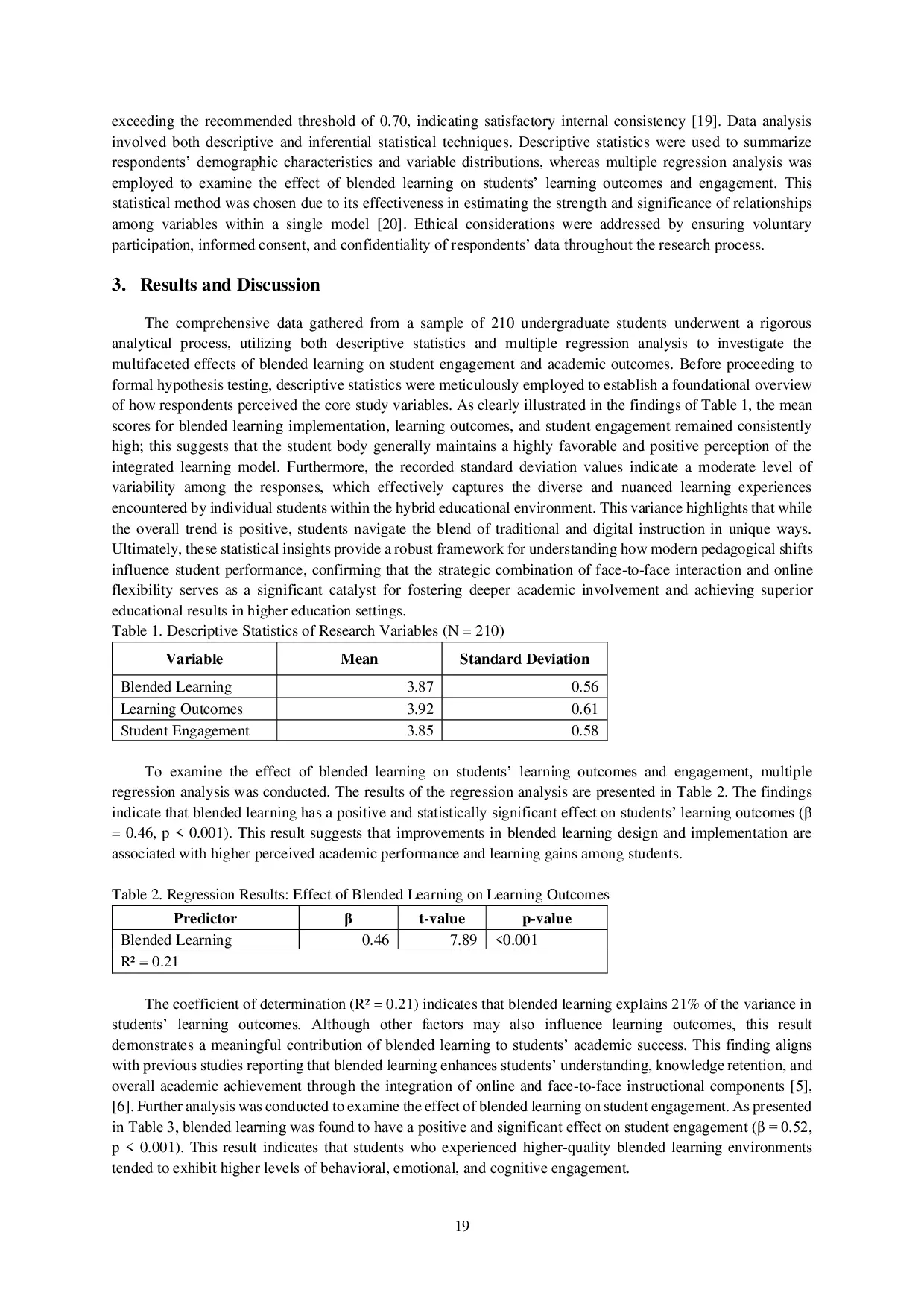
SANGADJIMEDIAPUBLISHINGSANGADJIMEDIAPUBLISHING Data dikumpulkan dari 210 mahasiswa sarjana yang telah mengalami pembelajaran blended selama minimal satu semester akademik. Kuesioner terstruktur digunakanData dikumpulkan dari 210 mahasiswa sarjana yang telah mengalami pembelajaran blended selama minimal satu semester akademik. Kuesioner terstruktur digunakan

UNPRIUNPRI Selain itu, partisipasi dan motivasi siswa dalam pembelajaran meningkat secara mencolok. Studi ini menyarankan bahwa media instruksional, jika diintegrasikanSelain itu, partisipasi dan motivasi siswa dalam pembelajaran meningkat secara mencolok. Studi ini menyarankan bahwa media instruksional, jika diintegrasikan

RESCOLLACOMMRESCOLLACOMM Using a descriptive qualitative approach and case study method, this study aims to explore adaptation strategies, implementation challenges, and leadershipUsing a descriptive qualitative approach and case study method, this study aims to explore adaptation strategies, implementation challenges, and leadership

UNPRIUNPRI Studi ini bertujuan untuk menentukan tantangan pemahaman kosakata yang dihadapi siswa. Kurangnya kosakata membuat siswa kesulitan berkomunikasi dalam bahasaStudi ini bertujuan untuk menentukan tantangan pemahaman kosakata yang dihadapi siswa. Kurangnya kosakata membuat siswa kesulitan berkomunikasi dalam bahasa

USNSJUSNSJ Sumber data penelitian ini adalah lembar observasi aktivitas belajar siswa pada Siklus I, Siklus II, dan Siklus III. Data yang diperoleh dianalisis menggunakanSumber data penelitian ini adalah lembar observasi aktivitas belajar siswa pada Siklus I, Siklus II, dan Siklus III. Data yang diperoleh dianalisis menggunakan
Useful /

UMPWRUMPWR Oleh karena itu, optimalisasi pengelolaan sirkulasi melalui pemanfaatan e-magazine dan media sosial diperlukan agar penyebaran informasi menjadi lebihOleh karena itu, optimalisasi pengelolaan sirkulasi melalui pemanfaatan e-magazine dan media sosial diperlukan agar penyebaran informasi menjadi lebih

UMPWRUMPWR Hal ini ditunjukkan oleh peningkatan rata-rata skor minat belajar pada kelas eksperimen sebesar 10%, sedangkan pada kelas kontrol peningkatannya hanyaHal ini ditunjukkan oleh peningkatan rata-rata skor minat belajar pada kelas eksperimen sebesar 10%, sedangkan pada kelas kontrol peningkatannya hanya

IWIIWI relevansi materi dengan kebutuhan aktual peserta, pendekatan berbasis praktik langsung, serta tersedianya fasilitator yang memahami konteks lokal. Namun,relevansi materi dengan kebutuhan aktual peserta, pendekatan berbasis praktik langsung, serta tersedianya fasilitator yang memahami konteks lokal. Namun,
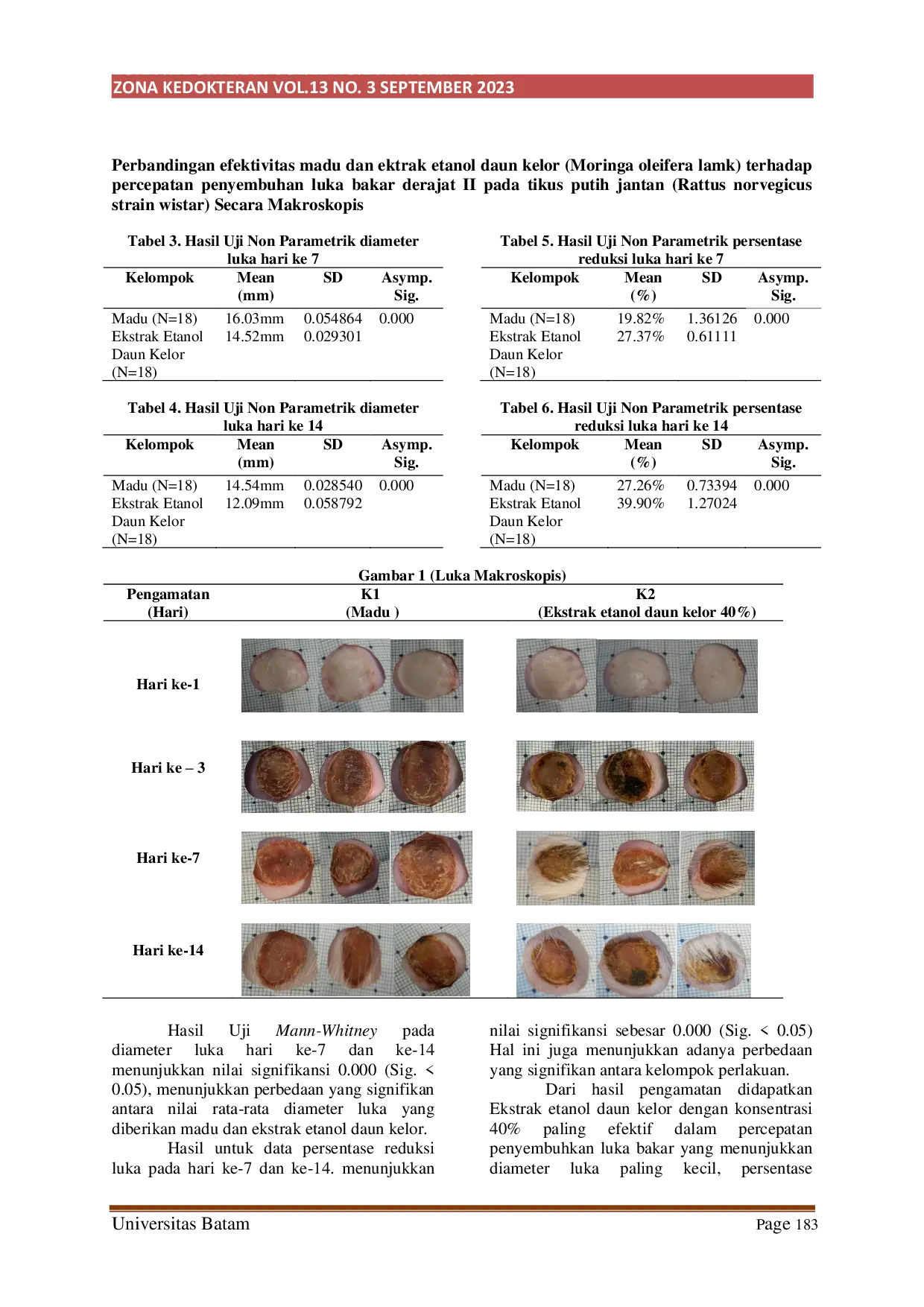
UNIBAUNIBA Berdasarkan nilai persentase reduksi luka, Ekstrak etanol daun kelor memiliki persentase reduksi luka sebesar 39,90% dibandingkan dengan madu yang memilikiBerdasarkan nilai persentase reduksi luka, Ekstrak etanol daun kelor memiliki persentase reduksi luka sebesar 39,90% dibandingkan dengan madu yang memiliki