ISI DPSISI DPS
Journal of Aesthetics, Creativity and Art ManagementJournal of Aesthetics, Creativity and Art ManagementAmreta ing Huma is an art ecosystem whose ideas sparked the subak phenomenon and its current existence. By linking culture, society, education, politics, technology, economics, and stakeholders, it can become an alternative way of thinking for Balinese society, both nationally and internationally. This paper is compiled based on the results of fieldwork through a qualitative approach, namely the implementation of interview methods accompanied by direct observation, the process of transcribing information in the form of field data, processing data to compiling data into a systematic and coherent data report. The aesthetic approach used is that of Clive Bell and William Morris, along with a sustainable ecological art approach. Amreta ing Huma, interpreted as the water of life in rice fields, is a product of thought in the form of an art ecosystem. The achievement of an art ecosystem begins with the creation of the Amreta ing Huma artwork, ecological art, which ultimately forms an art ecosystem. Based on this artwork, a role model for interaction within the community is established through the perspectives of culture, education, politics, economics, and stakeholders.
The Amreta ing Huma art ecosystem began with the creation of ecological artworks based on upcycled glass and ceramics in response to the subak phenomenon.These artworks then served as a model for the artists responsiveness to engage the public in understanding the social phenomenon, leading to interactions between stakeholders.Amreta ing Humas artwork is defined as something that triggers aesthetic emotions based on its formal structure and fills the personal imagination of the audience.The Amreta ing Huma art ecosystem refers to the cultural system model based on the UNESCO Framework for Cultural Statistics, which has five subsystems.
Further research could explore the potential of Amreta ing Huma as a model for community-based ecological art initiatives in other agricultural regions facing similar challenges of land conversion and cultural preservation. Investigating the economic viability of upcycled art materials, specifically glass and ceramics, could reveal opportunities for sustainable livelihoods and circular economy models within the Balinese art sector. Additionally, a comparative study examining the effectiveness of different art-based interventions in promoting awareness and fostering community engagement with traditional ecological knowledge systems, such as subak, would be valuable. These studies should consider the role of digital media and participatory art practices in reaching wider audiences and facilitating collaborative problem-solving. Expanding on the aesthetic analysis presented in the paper, future research could delve deeper into the specific formal elements and compositional strategies employed in Amreta ing Humas artworks, and how these contribute to the overall emotional and intellectual impact on viewers. Finally, exploring the potential for integrating Amreta ing Humas principles into educational curricula at various levels, from primary schools to universities, could cultivate a new generation of artists and citizens committed to sustainable practices and cultural heritage preservation. This integration could involve hands-on workshops, field trips to subak landscapes, and collaborative art projects that address local environmental and social issues.
- Sustaining subak, the balinese traditional ecological knowledge in the contemporary context of Bali -... iopscience.iop.org/article/10.1088/1755-1315/1306/1/012034?utm_source=researchgate.net&utm_medium=articleSustaining subak the balinese traditional ecological knowledge in the contemporary context of Bali iopscience iop article 10 1088 1755 1315 1306 1 012034 utm source researchgate utm medium article
- PARIWISATA MENYEMPITKAN RUANG HIJAU: DAMPAK EKSPANSI VILLA TERHADAP KESEIMBANGAN TATA GUNA LAHAN DI BALI... doi.org/10.23887/jpss.v5i1.5363PARIWISATA MENYEMPITKAN RUANG HIJAU DAMPAK EKSPANSI VILLA TERHADAP KESEIMBANGAN TATA GUNA LAHAN DI BALI doi 10 23887 jpss v5i1 5363
- Vol. 5 No. 1 (2026): Journal of Aesthetics, Creativity and Art Management | Journal of Aesthetics, Creativity... jurnal2.isi-dps.ac.id/index.php/jacam/issue/view/182Vol 5 No 1 2026 Journal of Aesthetics Creativity and Art Management Journal of Aesthetics Creativity jurnal2 isi dps ac index php jacam issue view 182
- Implementation of Tri Hita Karana Local Knowledge in Uluwatu Temple Tourist Attraction, Bali, Indonesia... doi.org/10.26668/businessreview/2023.v8i11.4072Implementation of Tri Hita Karana Local Knowledge in Uluwatu Temple Tourist Attraction Bali Indonesia doi 10 26668 businessreview 2023 v8i11 4072
| File size | 709.65 KB |
| Pages | 19 |
| DMCA | Report |
Related /

UTSUTS Akibatnya, pekerja migran Indonesia diharuskan untuk memperoleh kompetensi baru agar tetap kompetitif dan beradaptasi dengan perubahan tersebut. PenelitianAkibatnya, pekerja migran Indonesia diharuskan untuk memperoleh kompetensi baru agar tetap kompetitif dan beradaptasi dengan perubahan tersebut. Penelitian

UTSUTS Penelitian ini bertujuan untuk menganalisis pengaruh citra merek dan kesadaran merek terhadap niat wisatawan untuk berkunjung ke Batu Belimbing di KotaPenelitian ini bertujuan untuk menganalisis pengaruh citra merek dan kesadaran merek terhadap niat wisatawan untuk berkunjung ke Batu Belimbing di Kota

UTSUTS 4% dipengaruhi oleh faktor lain yang tidak diteliti dalam model yang keputusan pembelian pada Alfamart Pool Binamarga Kota Bogor. Berdasarkan penelitian4% dipengaruhi oleh faktor lain yang tidak diteliti dalam model yang keputusan pembelian pada Alfamart Pool Binamarga Kota Bogor. Berdasarkan penelitian

UTSUTS Penelitian ini menggunakan pendekatan kuantitatif dengan metode Partial Least Squares Structural Equation Modeling (PLS-SEM). Responden dalam penelitianPenelitian ini menggunakan pendekatan kuantitatif dengan metode Partial Least Squares Structural Equation Modeling (PLS-SEM). Responden dalam penelitian
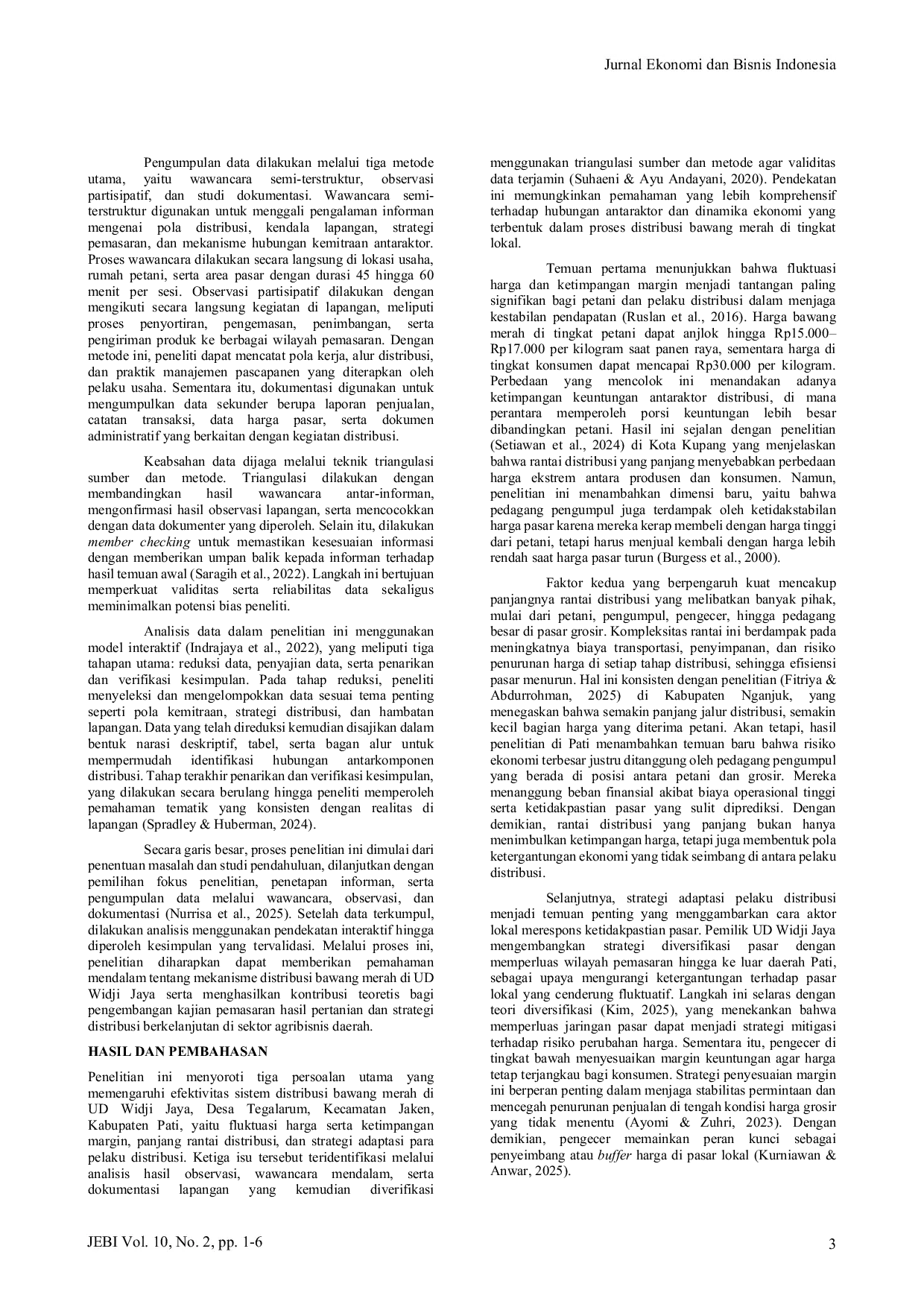
UTSUTS Penelitian ini menilai efektivitas saluran distribusi bawang merah pada UD Widji Jaya di Desa Tegalarum, Kecamatan Jaken, Kabupaten Pati. Pendekatan yangPenelitian ini menilai efektivitas saluran distribusi bawang merah pada UD Widji Jaya di Desa Tegalarum, Kecamatan Jaken, Kabupaten Pati. Pendekatan yang

UTSUTS The student samples in this study were students of the Faculty of Economics and Business (FEB) and non-FEB students from various state and private universitiesThe student samples in this study were students of the Faculty of Economics and Business (FEB) and non-FEB students from various state and private universities
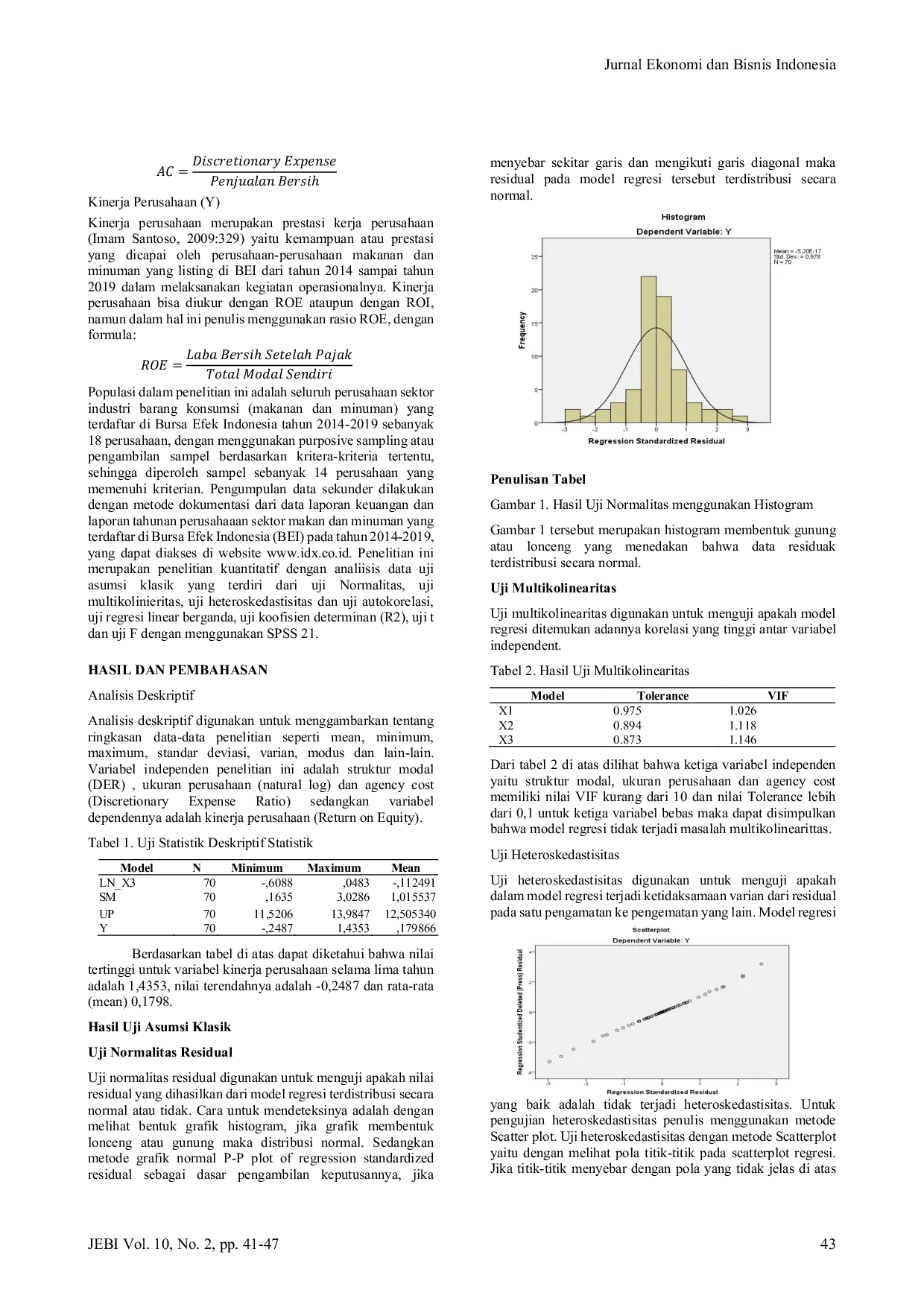
UTSUTS Struktur modal berpengaruh positif dan signifikan terhadap kinerja perusahaan, ukuran perusahaan tidak berpengaruh signifikan terhadap kinerja perusahaan,Struktur modal berpengaruh positif dan signifikan terhadap kinerja perusahaan, ukuran perusahaan tidak berpengaruh signifikan terhadap kinerja perusahaan,

STAIN MADINASTAIN MADINA Studi ini secara fokus membahas tentang analisis strategi perubahan dan pengembangan lembaga dakwah di era digital. Untuk menguatkan tujuan tersebut makaStudi ini secara fokus membahas tentang analisis strategi perubahan dan pengembangan lembaga dakwah di era digital. Untuk menguatkan tujuan tersebut maka
Useful /

UIN Ar-RaniryUIN Ar-Raniry Metode yang digunakan untuk membuat pelatihan ini ada tiga tahap, yaitu tahap pra-pelatihan, pelatihan berlangsung dan pasca pelatihan. Hasil dari tulisanMetode yang digunakan untuk membuat pelatihan ini ada tiga tahap, yaitu tahap pra-pelatihan, pelatihan berlangsung dan pasca pelatihan. Hasil dari tulisan

UIN Ar-RaniryUIN Ar-Raniry Namun pembangunan tidak berjalan seperti di daerah lain seperti di pulau Jawa karena pemerintahan Belanda tidak tenang akibat seringnya mendapat gangguanNamun pembangunan tidak berjalan seperti di daerah lain seperti di pulau Jawa karena pemerintahan Belanda tidak tenang akibat seringnya mendapat gangguan
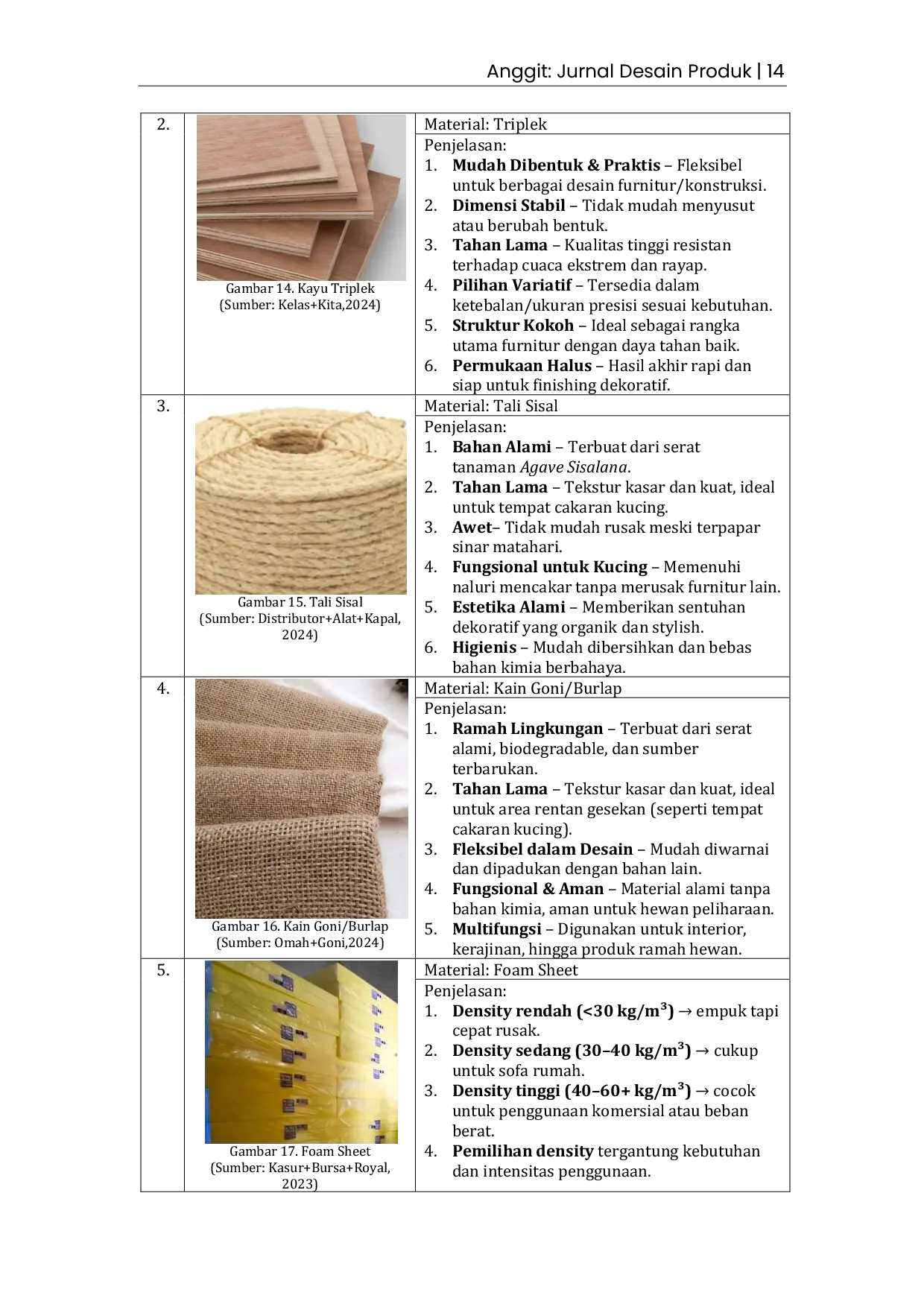
ISI DPSISI DPS Untuk pengembangan lebih lanjut, penelitian lanjutan dapat difokuskan pada pembuatan prototipe dan pengujian langsung untuk memvalidasi efektivitas konsepUntuk pengembangan lebih lanjut, penelitian lanjutan dapat difokuskan pada pembuatan prototipe dan pengujian langsung untuk memvalidasi efektivitas konsep

ISI DPSISI DPS Hasil menunjukkan bahwa tidak semua alat pada observasi produk eksisting memiliki pengaman yang baik untuk menjaga pengguna tetap dalam kondisi aman. StudiHasil menunjukkan bahwa tidak semua alat pada observasi produk eksisting memiliki pengaman yang baik untuk menjaga pengguna tetap dalam kondisi aman. Studi