UTUUTU
J-Kesmas: Jurnal Fakultas Kesehatan Masyarakat (The Indonesian Journal of Public Health)J-Kesmas: Jurnal Fakultas Kesehatan Masyarakat (The Indonesian Journal of Public Health)Providers and organizers of health care in the city are health professionals. According to WHO guidelines, the number of health workers needed in Samarinda has not yet been determined. This ratio compares the number of health workers to the population. The method used in this study is a descriptive-analytical nonexperimental design (cross-sectional). Following the studys goals, research participants used secondary data from the Central Statistics Agencys report for Samarinda City in 2018/2019 in social and population data. The number of doctors in Samarinda is 1:10,249, so it does not meet the WHO minimum standard requirement of 1:2,500. The number of nurses is identical, but the standard ratio of 1:855 cannot be met. Six sub-districts failed to meet this ratio. Sungai Pinang was the most effective sub-district in achieving the nurse-population balance. Apart from Samarinda Ulu and Samarinda Kota, the distribution of pharmacists has caught the attention of almost all districts in Samarinda, a total of eight sections. Even one pharmacy in the Sungai Pinang district must serve 54,386 people. Health workers in Samarinda are not equally distributed, owing primarily to external issues.
The distribution of health workers in Samarinda City is uneven, with disparities influenced by social, environmental, and geographical factors.The study highlights issues of overstaffing for non-professional roles and understaffing for professionals, impacting the quality of health services and creating workload imbalances.Addressing this maldistribution requires collaborative efforts from various sectors to ensure equitable access to healthcare for all residents.
Penelitian lebih lanjut perlu dilakukan untuk mengidentifikasi faktor-faktor spesifik yang menyebabkan ketidakmerataan distribusi tenaga kesehatan di Samarinda, termasuk preferensi lokasi kerja, insentif finansial, dan ketersediaan fasilitas pendukung. Studi kualitatif yang mendalam, seperti wawancara dengan tenaga kesehatan dan pemangku kepentingan lokal, dapat memberikan wawasan yang lebih komprehensif tentang tantangan dan peluang dalam meningkatkan pemerataan distribusi. Selain itu, penelitian perlu mengeksplorasi efektivitas berbagai intervensi kebijakan, seperti program beasiswa bagi calon tenaga kesehatan yang bersedia bertugas di daerah terpencil, peningkatan fasilitas dan infrastruktur di daerah-daerah tersebut, serta pengembangan sistem monitoring dan evaluasi yang lebih baik untuk mengukur dampak dari kebijakan yang diterapkan. Penelitian ini harus mempertimbangkan konteks lokal dan karakteristik unik dari setiap sub-distrik di Samarinda untuk menghasilkan rekomendasi yang relevan dan berkelanjutan, serta memperkuat sistem kesehatan secara keseluruhan.
| File size | 186.04 KB |
| Pages | 10 |
| DMCA | Report |
Related /

UIN SGDUIN SGD Studi ini menyimpulkan bahwa ketimpangan pembangunan yang berkelanjutan di Jawa Barat merupakan kegagalan negara dalam menjamin kesejahteraan, pengembanganStudi ini menyimpulkan bahwa ketimpangan pembangunan yang berkelanjutan di Jawa Barat merupakan kegagalan negara dalam menjamin kesejahteraan, pengembangan

UIN SGDUIN SGD Upaya advokasi ini sejalan dengan Tujuan Pembangunan Berkelanjutan PBB (SDGs), khususnya Tujuan 16, yang mempromosikan perdamaian, keadilan, dan institusiUpaya advokasi ini sejalan dengan Tujuan Pembangunan Berkelanjutan PBB (SDGs), khususnya Tujuan 16, yang mempromosikan perdamaian, keadilan, dan institusi

UIN SGDUIN SGD Penelitian menggunakan metodologi kualitatif dengan analisis konten terhadap literatur ilmiah, dokumen kebijakan, dan studi kasus dari sumber primer danPenelitian menggunakan metodologi kualitatif dengan analisis konten terhadap literatur ilmiah, dokumen kebijakan, dan studi kasus dari sumber primer dan

UIN SGDUIN SGD Hasil penelitian menunjukkan bahwa pengakuan wilayah adat mengacu pada prinsip ripe-ripe (hak komunal) dan pangumpolan (hak individual), namun masih menghadapiHasil penelitian menunjukkan bahwa pengakuan wilayah adat mengacu pada prinsip ripe-ripe (hak komunal) dan pangumpolan (hak individual), namun masih menghadapi

UIN SGDUIN SGD Sumber sekunder masyarakat setempat. Teknik pengambilan data melalui wawancara mendalam dan observasi. Temuan dari lapangan memperlihatkan penggadai masihSumber sekunder masyarakat setempat. Teknik pengambilan data melalui wawancara mendalam dan observasi. Temuan dari lapangan memperlihatkan penggadai masih

UIN SGDUIN SGD Land acquisition for public interest is a fundamental pillar in realizing sustainable, inclusive, and equitable national development. Government RegulationLand acquisition for public interest is a fundamental pillar in realizing sustainable, inclusive, and equitable national development. Government Regulation
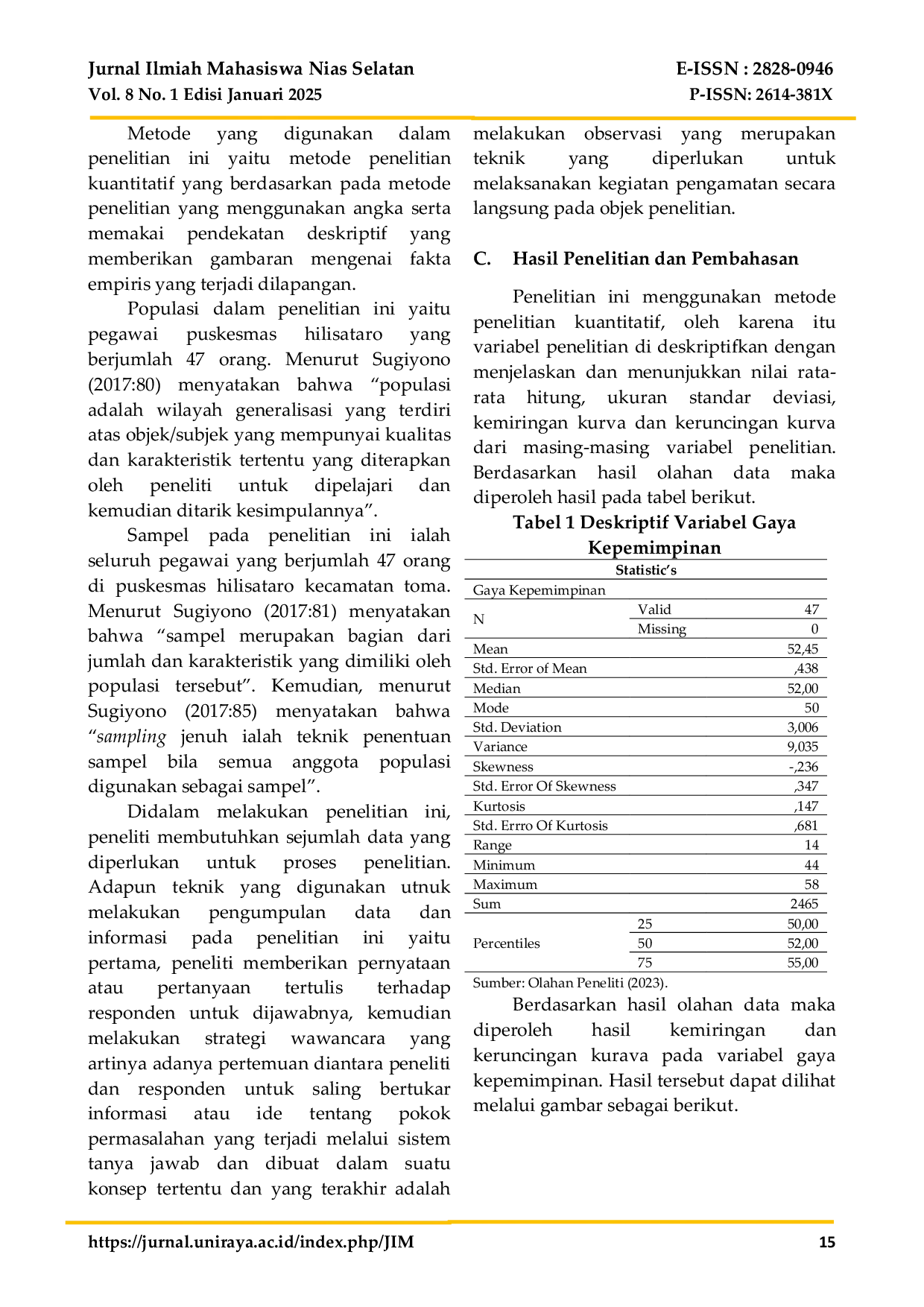
UNIRAYAUNIRAYA 679 at a significant level of 0. 00 < 0. 05. Then, the results of the coefficient of determination (R2) show that the leadership style variable is able679 at a significant level of 0. 00 < 0. 05. Then, the results of the coefficient of determination (R2) show that the leadership style variable is able

JQWHJQWH Semua informan masih mengingat kejadian retensio plasenta, merasa cemas dan takut, serta mengalami reaksi fisik seperti gangguan tidur, keringat berlebih,Semua informan masih mengingat kejadian retensio plasenta, merasa cemas dan takut, serta mengalami reaksi fisik seperti gangguan tidur, keringat berlebih,
Useful /
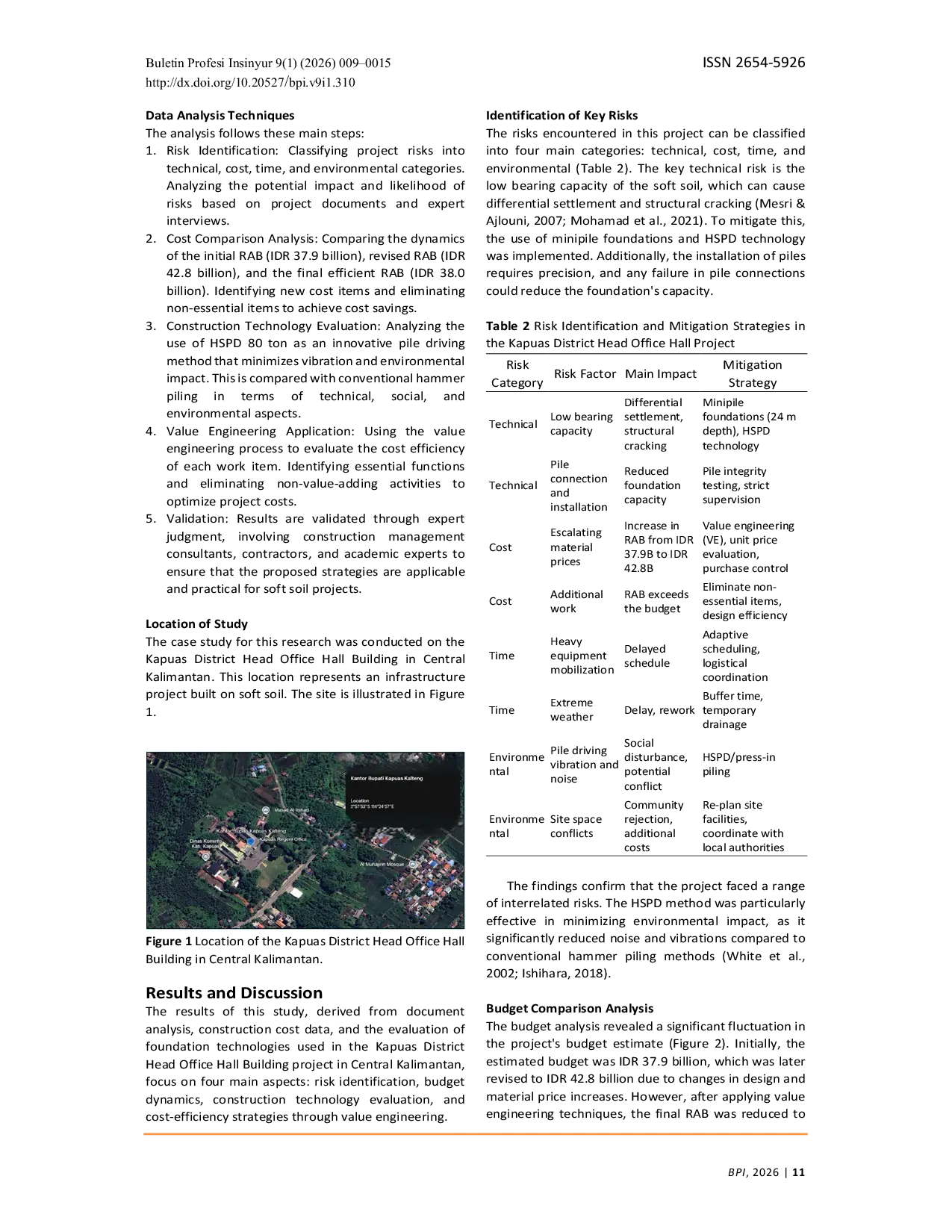
LMULMU Studi ini menunjukkan bahwa integrasi manajemen risiko, teknik nilai (VE), dan teknologi Hydraulic Static Pile Driver (HSPD) secara efektif mengurangiStudi ini menunjukkan bahwa integrasi manajemen risiko, teknik nilai (VE), dan teknologi Hydraulic Static Pile Driver (HSPD) secara efektif mengurangi

UNIBIUNIBI Berdasarkan analisis data mengenai pengaruh tingkat inflasi, suku bunga, nilai tukar, dan PDB terhadap IHSG di bursa efek Indonesia pada periode 2011-2020,Berdasarkan analisis data mengenai pengaruh tingkat inflasi, suku bunga, nilai tukar, dan PDB terhadap IHSG di bursa efek Indonesia pada periode 2011-2020,

UTUUTU Kami mengelompokkan menjadi 7 kelompok, yaitu: Normal Kontrol, Kontrol Positif, Kontrol Perlakuan, P1=kelompok tikus obesitas ekstrak 300 mg/kg, P2=kelompokKami mengelompokkan menjadi 7 kelompok, yaitu: Normal Kontrol, Kontrol Positif, Kontrol Perlakuan, P1=kelompok tikus obesitas ekstrak 300 mg/kg, P2=kelompok

UTUUTU Metode penelitian adalah metode kualitatif dan kuantitatif dengan desain cross-sectional. Pengambilan sampel menggunakan metode purposive sampling danMetode penelitian adalah metode kualitatif dan kuantitatif dengan desain cross-sectional. Pengambilan sampel menggunakan metode purposive sampling dan