UMBJMUMBJM
Tajdid Al-AthfalTajdid Al-AthfalThis research aims to determine the habituation of clean and healthy living behavior to prevent disease in children at Pertiwi Pamekasan Kindergarten. Many children do not attend school due to illness, such as flu and fever. Therefore, implementing PHBS (Clean and Healthy Living Behavior) in Pertiwi Kindergarten is crucial. This research employs a qualitative descriptive study design. The informants include one school principal, four teachers, and one parent. Data collection methods involve observation, interviews, and documentation, while data analysis techniques include data reduction, data presentation, and conclusion drawing. The results indicate that the application of clean and healthy living behavior to prevent disease in children focuses on disposing of waste properly and washing hands with soap and running water. The school principal facilitates resources and infrastructure, while teachers act as motivators, mentors, role models, and directors for children to implement PHBS. Parents serve as directors and mentors when the child is at home. Several factors influence this implementation, including limited facilities and infrastructure, such as a lack of a water tap and insufficient waste disposal bins. Therefore, the principal of TK Pertiwi Pamekasan needs to address these limitations to reduce the incidence of illness among children.
The research concludes that the habituation of clean and healthy living behaviors at TK Pertiwi Pamekasan is implemented through consistent routines, focusing on proper waste disposal and handwashing.Teachers play a vital role as motivators, guides, and role models in fostering these behaviors.However, the study also identifies limitations in facilities and infrastructure, such as inadequate waste management systems and a lack of proper handwashing stations, which need to be addressed to further enhance the effectiveness of PHBS implementation and reduce the prevalence of disease among children.
Based on the findings, future research could explore the effectiveness of integrating gamified learning approaches into PHBS education to enhance childrens engagement and retention of healthy habits. Furthermore, a comparative study examining the impact of parental involvement levels on childrens adherence to PHBS both at school and at home would provide valuable insights. Finally, investigating the feasibility and impact of implementing a comprehensive school health program that addresses not only hygiene but also nutrition and physical activity could contribute to a more holistic approach to promoting child health and well-being. These studies should involve qualitative and quantitative data collection methods to provide a comprehensive understanding of the factors influencing PHBS adoption and its long-term effects on childrens health outcomes, aiming to provide practical recommendations for improving health education programs and policies in early childhood settings. The research should also consider the cultural context and socio-economic factors that may influence the implementation of PHBS in different communities.
| File size | 159.73 KB |
| Pages | 9 |
| DMCA | Report |
Related /
SAINTISPUBSAINTISPUB The findings indicate that the majority of students used Duolingo to improve their language skills for work/school, with an overall interest in learningThe findings indicate that the majority of students used Duolingo to improve their language skills for work/school, with an overall interest in learning
SAINTISPUBSAINTISPUB Pemilih merasa berkewajiban membalas bantuan materi dengan dukungan suara, meskipun sebagian tetap menilai calon berdasarkan kualitas politik dan programPemilih merasa berkewajiban membalas bantuan materi dengan dukungan suara, meskipun sebagian tetap menilai calon berdasarkan kualitas politik dan program
SAINTISPUBSAINTISPUB 2) Peran orang tua dalam literasi digital adalah Bantuan Teknologi Dasar, Mendorong Berpikir Kritis, Memodelkan Penggunaan Teknologi, Memantau & Mengatur2) Peran orang tua dalam literasi digital adalah Bantuan Teknologi Dasar, Mendorong Berpikir Kritis, Memodelkan Penggunaan Teknologi, Memantau & Mengatur
SAINTISPUBSAINTISPUB Penelitian ini menyelidiki hubungan antara kecemasan matematika, kepercayaan diri, dan kemampuan numerasi di kalangan calon guru sekolah dasar di UniversitasPenelitian ini menyelidiki hubungan antara kecemasan matematika, kepercayaan diri, dan kemampuan numerasi di kalangan calon guru sekolah dasar di Universitas
SAINTISPUBSAINTISPUB Meaningful Learning connects new knowledge with prior understanding, Mindful Learning emphasizes full attention and reflection, and Joyful Learning createsMeaningful Learning connects new knowledge with prior understanding, Mindful Learning emphasizes full attention and reflection, and Joyful Learning creates
SAINTISPUBSAINTISPUB Penelitian ini menekankan pentingnya metode pengajaran inovatif, seperti pembelajaran berbasis permainan, dalam menciptakan lingkungan belajar yang menarikPenelitian ini menekankan pentingnya metode pengajaran inovatif, seperti pembelajaran berbasis permainan, dalam menciptakan lingkungan belajar yang menarik
SAINTISPUBSAINTISPUB The description of the score is obtained from 20 indicators. The same score comparison between the pre test and post test is found in indicators 10 andThe description of the score is obtained from 20 indicators. The same score comparison between the pre test and post test is found in indicators 10 and
SAINTISPUBSAINTISPUB The disseminate phase involves sharing links to enhance the visibility of the research product. Expert validation results indicate excellent feasibilityThe disseminate phase involves sharing links to enhance the visibility of the research product. Expert validation results indicate excellent feasibility
Useful /

UNIVMEDUNIVMED Despite these insights, notable disparities in research output persist, particularly in underrepresented regions such as France and several low- and middle-incomeDespite these insights, notable disparities in research output persist, particularly in underrepresented regions such as France and several low- and middle-income
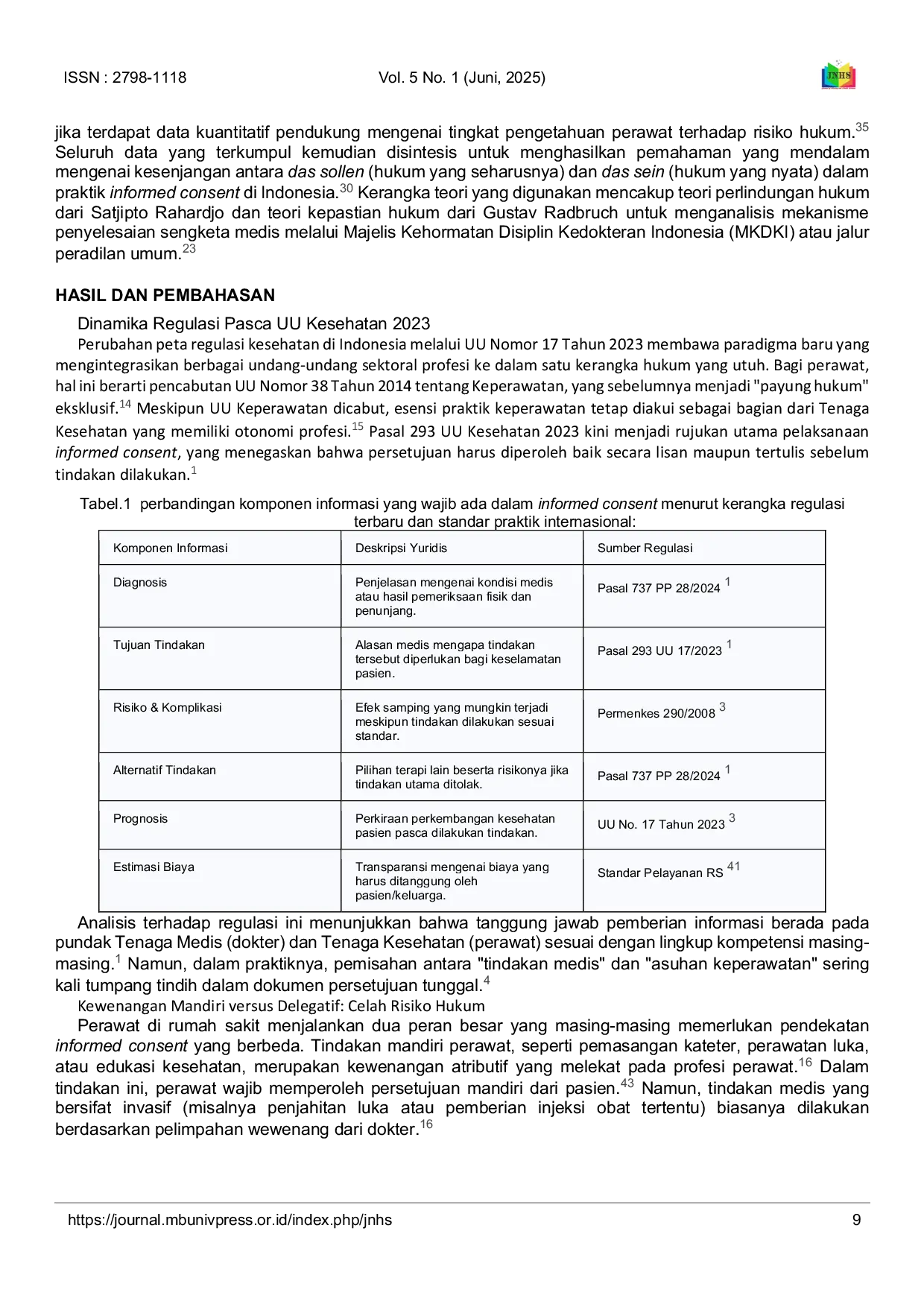
UMBJMUMBJM Penelitian ini menyimpulkan bahwa penguatan Standard Operating Procedures (SPO) dan peningkatan kompetensi komunikasi perawat diperlukan untuk mewujudkanPenelitian ini menyimpulkan bahwa penguatan Standard Operating Procedures (SPO) dan peningkatan kompetensi komunikasi perawat diperlukan untuk mewujudkan
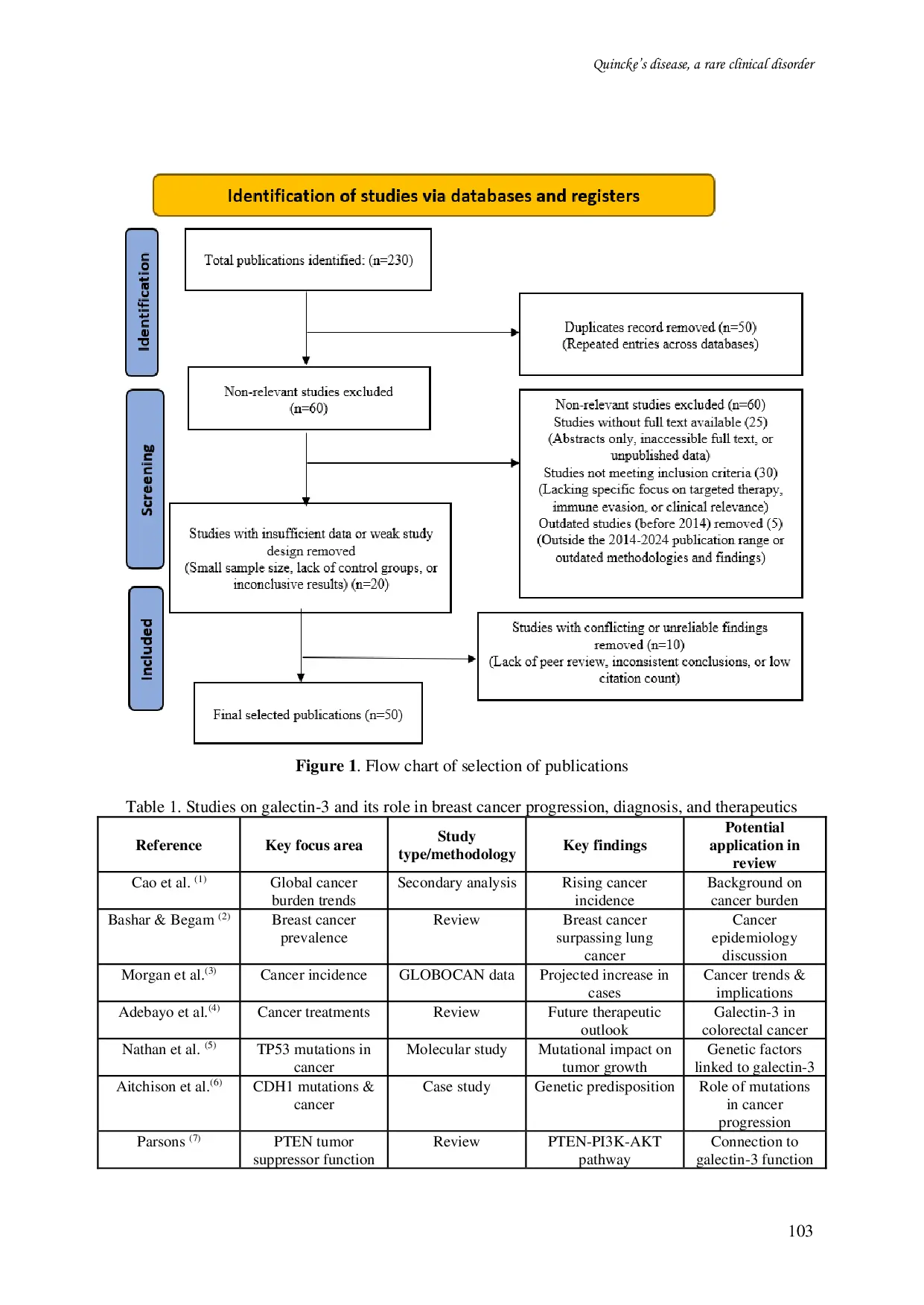
UNIVMEDUNIVMED Dengan mengikat glikokonyugat yang mengandung β-galaktosida, galektin memodulasi respons imun, apoptosis, dan perkembangan tumor. Pengakuan yang semakinDengan mengikat glikokonyugat yang mengandung β-galaktosida, galektin memodulasi respons imun, apoptosis, dan perkembangan tumor. Pengakuan yang semakin

UMBJMUMBJM 76131), the alternative hypothesis (Ha) is accepted, and the null hypothesis (Ho) is rejected. This indicates that collage activities using loose parts76131), the alternative hypothesis (Ha) is accepted, and the null hypothesis (Ho) is rejected. This indicates that collage activities using loose parts