SAINTISPUBSAINTISPUB
Electronic Journal of Education, Social Economics and TechnologyElectronic Journal of Education, Social Economics and TechnologyThe purpose of this study was to analyze students numeracy skills in solving Minimum Competency Assessment (AKM) questions in class V. This type of research uses descriptive analysis method with a qualitative approach. This research was conducted at SDK Aekela. The subjects of this research were grade V students with a total of 6 students. The data collection techniques used were interviews, direct observation, and documentation. Data analysis was carried out through three stages, namely data reduction, data presentation, and conclusion drawing. Based on the results of the numeracy AKM analysis, there was an increase in the post test results. The average pre-test score obtained is 41%. While the average score on the post test results is 78%. The description of the score is obtained from 20 indicators. The same score comparison between the pre test and post test is found in indicators 10 and 12, where indicator 10 scored 50% and indicator 12 scored 67%. It can be concluded that students ability to carry out numeracy AKM at SDI Aekela is classified as moderate. So that it is necessary to improve and increase the ability of students supported by educational institutions.
Based on the research results, it can be concluded that students numeracy skills will increase with appropriate guidance and assistance.The implementation of the Minimum Competency Assessment (AKM) is crucial for supporting the learning process and identifying areas for improvement.Schools need to provide targeted support to enhance students numeracy skills, considering both internal student motivation and external support from the educational institution.
Berdasarkan hasil penelitian ini, beberapa saran penelitian lanjutan dapat diajukan. Pertama, penelitian lebih lanjut dapat dilakukan untuk menggali lebih dalam faktor-faktor yang mempengaruhi kemampuan numerasi siswa, seperti gaya belajar, lingkungan keluarga, dan akses terhadap sumber belajar. Kedua, penelitian dapat difokuskan pada pengembangan dan pengujian model pembelajaran inovatif yang secara khusus dirancang untuk meningkatkan kemampuan numerasi siswa, dengan mempertimbangkan karakteristik lokal dan kebutuhan siswa. Ketiga, penelitian lanjutan dapat mengeksplorasi efektivitas penggunaan teknologi dalam pembelajaran numerasi, seperti aplikasi pembelajaran interaktif atau platform daring, untuk meningkatkan keterlibatan dan pemahaman siswa. Penelitian-penelitian ini diharapkan dapat memberikan kontribusi signifikan dalam upaya peningkatan kualitas pendidikan matematika dan numerasi di tingkat sekolah dasar, serta mempersiapkan siswa untuk menghadapi tantangan abad ke-21.
- Gambaran Pelaksanaan Kegiatan Pembelajaran untuk Meningkatkan Kemampuan Literasi Matematika Siswa | PengabdianMu:... doi.org/10.33084/pengabdianmu.v5i2.992Gambaran Pelaksanaan Kegiatan Pembelajaran untuk Meningkatkan Kemampuan Literasi Matematika Siswa PengabdianMu doi 10 33084 pengabdianmu v5i2 992
- Kemampuan Matematis Pemecahan Masalah Siswa dalam Penyelesaian Soal Tipe Numerasi AKM | Jurnal Cendekia... doi.org/10.31004/cendekia.v6i3.1471Kemampuan Matematis Pemecahan Masalah Siswa dalam Penyelesaian Soal Tipe Numerasi AKM Jurnal Cendekia doi 10 31004 cendekia v6i3 1471
- Analysis of Numeracy Skills of Grade V Students in Solving Minimum Competency Assessment Questons at... doi.org/10.33122/ejeset.v5i2.339Analysis of Numeracy Skills of Grade V Students in Solving Minimum Competency Assessment Questons at doi 10 33122 ejeset v5i2 339
| File size | 435.96 KB |
| Pages | 7 |
| DMCA | Report |
Related /
SAINTISPUBSAINTISPUB In conclusion, the research evaluated the effectiveness of Duolingo as an English learning platform through a review of studies and user feedback. TheIn conclusion, the research evaluated the effectiveness of Duolingo as an English learning platform through a review of studies and user feedback. The
SAINTISPUBSAINTISPUB Penelitian ini mengkaji politisasi bantuan dalam Pemilu Legislatif 2024 di Banda Aceh melalui perspektif teori patron-klien, mengeksplorasi bagaimana calonPenelitian ini mengkaji politisasi bantuan dalam Pemilu Legislatif 2024 di Banda Aceh melalui perspektif teori patron-klien, mengeksplorasi bagaimana calon
SAINTISPUBSAINTISPUB Metode penelitian yang digunakan adalah studi literatur dari berbagai jurnal dan referensi terkait literasi digital. Hasil penelitian menunjukkan bahwaMetode penelitian yang digunakan adalah studi literatur dari berbagai jurnal dan referensi terkait literasi digital. Hasil penelitian menunjukkan bahwa
SAINTISPUBSAINTISPUB Kecemasan matematika memiliki pengaruh negatif pada kemampuan numerasi, sedangkan kepercayaan diri menunjukkan asosiasi positif. Namun, kedua variabelKecemasan matematika memiliki pengaruh negatif pada kemampuan numerasi, sedangkan kepercayaan diri menunjukkan asosiasi positif. Namun, kedua variabel
SAINTISPUBSAINTISPUB Mindful Learning enhances cognitive abilities, focus, and academic performance using techniques such as mindfulness training and AI-assisted personalization.Mindful Learning enhances cognitive abilities, focus, and academic performance using techniques such as mindfulness training and AI-assisted personalization.
SAINTISPUBSAINTISPUB Hasil penelitian menunjukkan peningkatan yang signifikan dalam persepsi siswa, seperti yang ditunjukkan oleh nilai p sebesar 0,00116593x10⁻³³, yang lebihHasil penelitian menunjukkan peningkatan yang signifikan dalam persepsi siswa, seperti yang ditunjukkan oleh nilai p sebesar 0,00116593x10⁻³³, yang lebih

SAINTISPUBSAINTISPUB Implementasi sudut baca terbukti efektif dalam meningkatkan minat baca siswa, mendorong pemikiran kritis, dan mendukung pembelajaran berbasis literasi.Implementasi sudut baca terbukti efektif dalam meningkatkan minat baca siswa, mendorong pemikiran kritis, dan mendukung pembelajaran berbasis literasi.
SAINTISPUBSAINTISPUB The research employs the 4D development model, which includes the phases of define, design, develop, and disseminate. The define phase identifies instructionalThe research employs the 4D development model, which includes the phases of define, design, develop, and disseminate. The define phase identifies instructional
Useful /
ALQOLAMALQOLAM Metode penelitian kualitatif deskriptif dengan pendekatan studi lapangan. Data dikumpulkan melalui observasi, wawancara mendalam dengan pengasuh, santri,Metode penelitian kualitatif deskriptif dengan pendekatan studi lapangan. Data dikumpulkan melalui observasi, wawancara mendalam dengan pengasuh, santri,

SAINTISPUBSAINTISPUB Oleh karena itu, pengembangan kompetensi kepribadian guru perlu menjadi prioritas dalam upaya meningkatkan kualitas pendidikan. Penelitian ini memberikanOleh karena itu, pengembangan kompetensi kepribadian guru perlu menjadi prioritas dalam upaya meningkatkan kualitas pendidikan. Penelitian ini memberikan

UNTADUNTAD Perkawinan Anak adalah ikatan lahir batin antara seorang pria dan wanita sebagai suami istri dengan tujuan membentuk keluarga yang dilakukan diusia < 19Perkawinan Anak adalah ikatan lahir batin antara seorang pria dan wanita sebagai suami istri dengan tujuan membentuk keluarga yang dilakukan diusia < 19
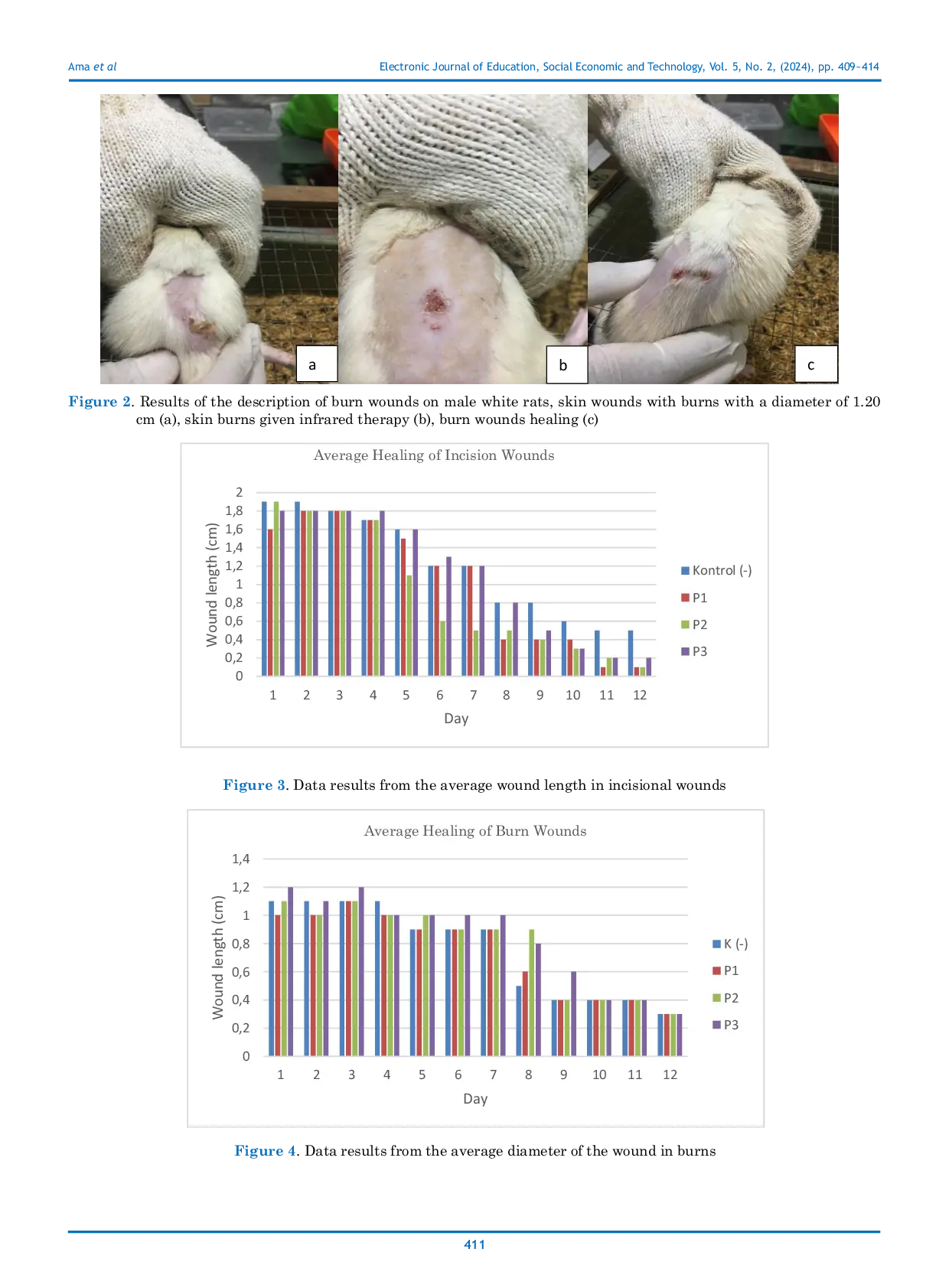
SAINTISPUBSAINTISPUB The results of the incision wound on the 12th day showed that there was a reduction in the length of the wound at P1 (0. 1 cm), P2 (0. 1 cm) and P3 (0.The results of the incision wound on the 12th day showed that there was a reduction in the length of the wound at P1 (0. 1 cm), P2 (0. 1 cm) and P3 (0.