UIMUIM
UIM | Environmental and Agriculture ManagementUIM | Environmental and Agriculture ManagementCoastal womens health problems are one aspect of improving the standard of living of coastal communities. This research aims to conduct a systematic review of strengths, weaknesses, opportunities, and threats (SWOT) in managing coastal womens health. This research method involves a thorough analysis of scientific literature related to coastal womens health from Scopus sources. A systematic review was used in this research on the publication of 34 articles on coastal womens health. The results of the analysis show that the strength of coastal womens health management lies in the active participation of coastal women in disease prevention communities, providing immunizations to pregnant women, providing postnatal care, and providing breast milk to babies who are born. However, weaknesses include limited access to health services and reproductive health education, especially in areas with difficult geographic conditions. Opportunities in managing coastal womens health can be found in community empowerment, increasing accessibility to health services, and collaborative cross-sector approaches. The high threat of 73.52% in this review states that there are still many unresolved problems regarding coastal womens health. Therefore, this systematic review provides a comprehensive understanding of the factors influencing coastal womens health and provides a basis for the development of more effective policies and interventions in the future.
This systematic review highlights the importance of understanding the multifaceted factors influencing coastal womens health.The analysis reveals strengths in community participation and existing health programs, but also significant weaknesses related to access and education.Addressing the high threat level identified requires a comprehensive approach that integrates community empowerment, improved accessibility, and cross-sectoral collaboration to develop effective policies and interventions.
Based on the findings of this review, future research should investigate the specific socio-cultural barriers hindering access to reproductive health services for coastal women, aiming to develop culturally sensitive interventions. Furthermore, studies are needed to assess the long-term impacts of environmental pollution, particularly exposure to pollutants like methylmercury, on the reproductive health of coastal women and their offspring. Finally, research should focus on designing and evaluating the effectiveness of integrated, community-based health service models tailored to the unique needs of coastal populations, incorporating telemedicine and mobile health technologies to overcome geographical limitations and improve health outcomes. These research directions will contribute to a more comprehensive understanding of coastal womens health challenges and inform the development of sustainable solutions to improve their well-being and the resilience of coastal communities.
| File size | 510.74 KB |
| Pages | 14 |
| DMCA | Report |
Related /
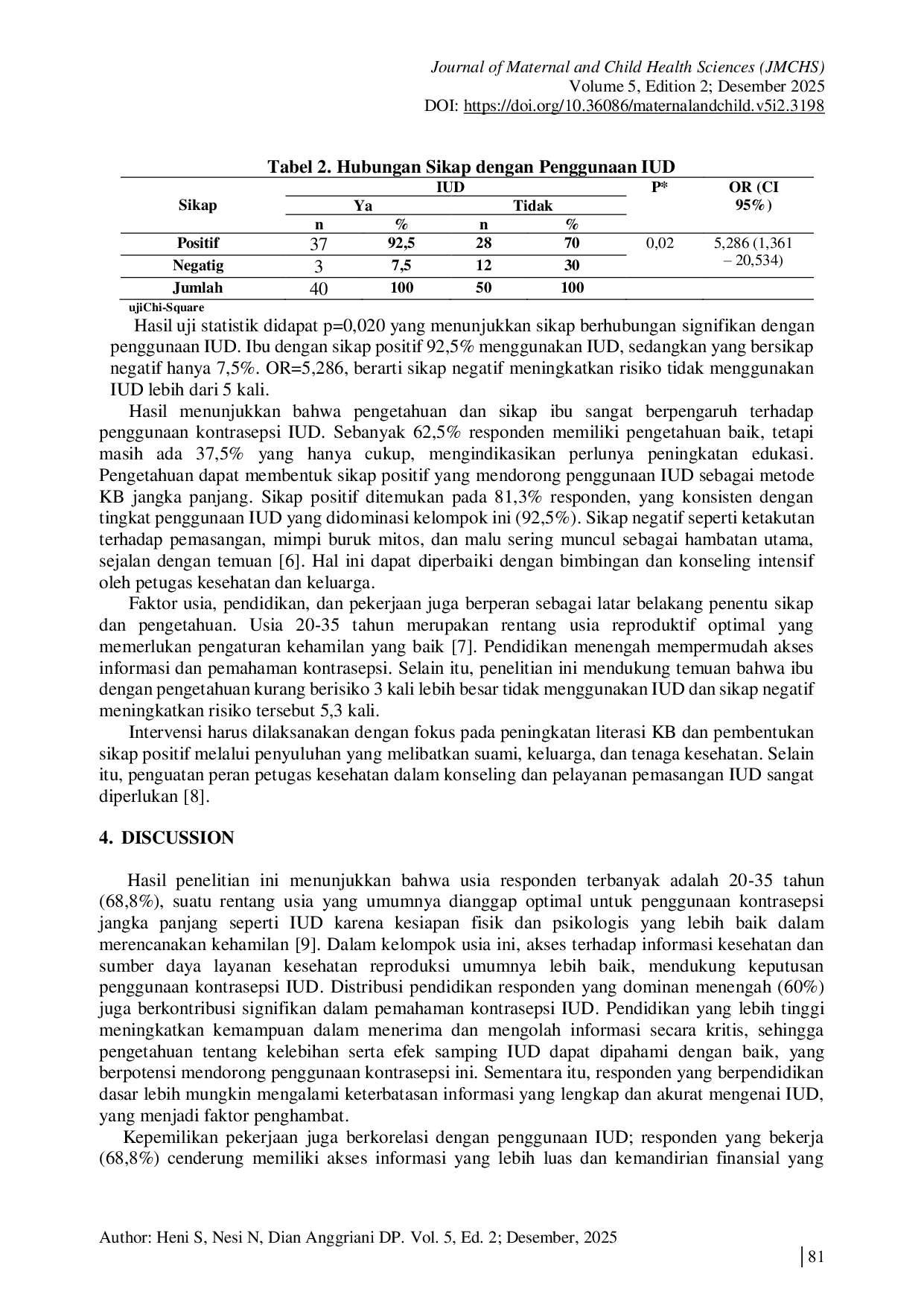
POLTEKKES PALEMBANGPOLTEKKES PALEMBANG Ibu dengan pengetahuan kurang dan sikap negatif berisiko lebih besar tidak menggunakan IUD. Terdapat hubungan antara sikap dalam penggunaan kontrasepsiIbu dengan pengetahuan kurang dan sikap negatif berisiko lebih besar tidak menggunakan IUD. Terdapat hubungan antara sikap dalam penggunaan kontrasepsi
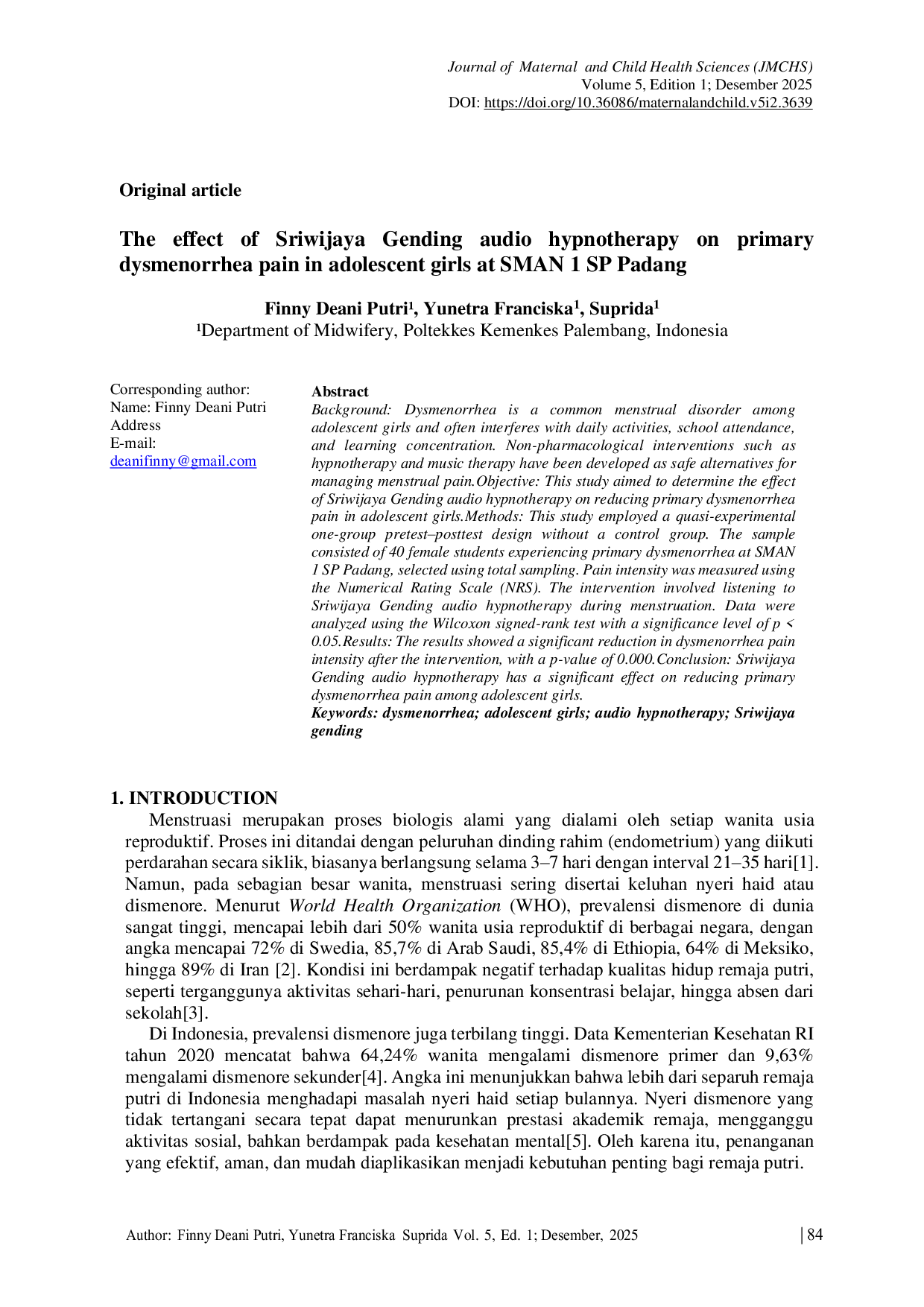
POLTEKKES PALEMBANGPOLTEKKES PALEMBANG Intervensi melibatkan mendengarkan audio hipnoterapi Sriwijaya Gending selama menstruasi. Data dianalisis menggunakan uji Wilcoxon signed-rank test denganIntervensi melibatkan mendengarkan audio hipnoterapi Sriwijaya Gending selama menstruasi. Data dianalisis menggunakan uji Wilcoxon signed-rank test dengan
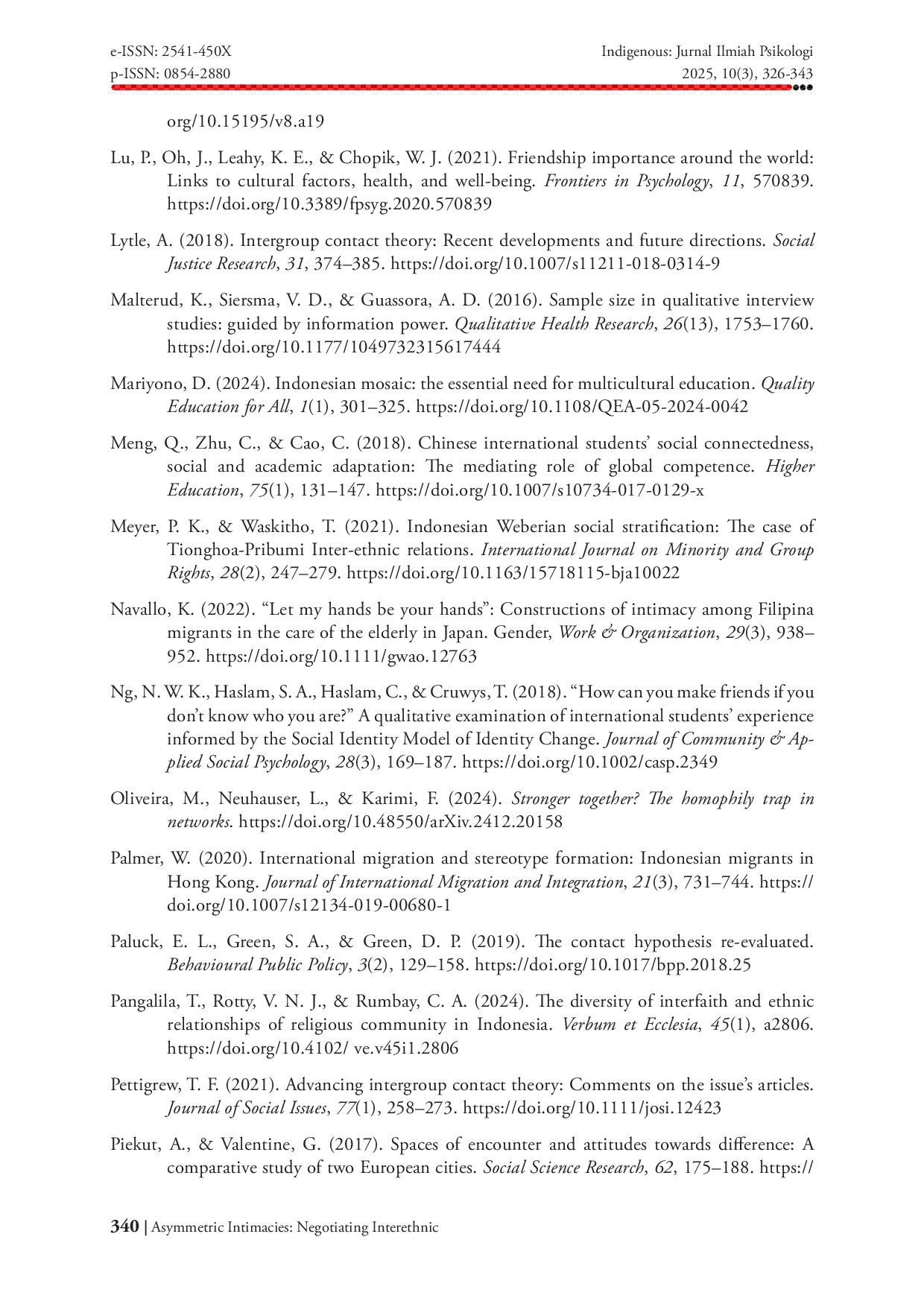
UMSUMS Akibatnya, intimasi cenderung berkembang secara asimetris, inklusif secara spasial tetapi selektif secara relasional, terutama ketika harapan kedekatanAkibatnya, intimasi cenderung berkembang secara asimetris, inklusif secara spasial tetapi selektif secara relasional, terutama ketika harapan kedekatan
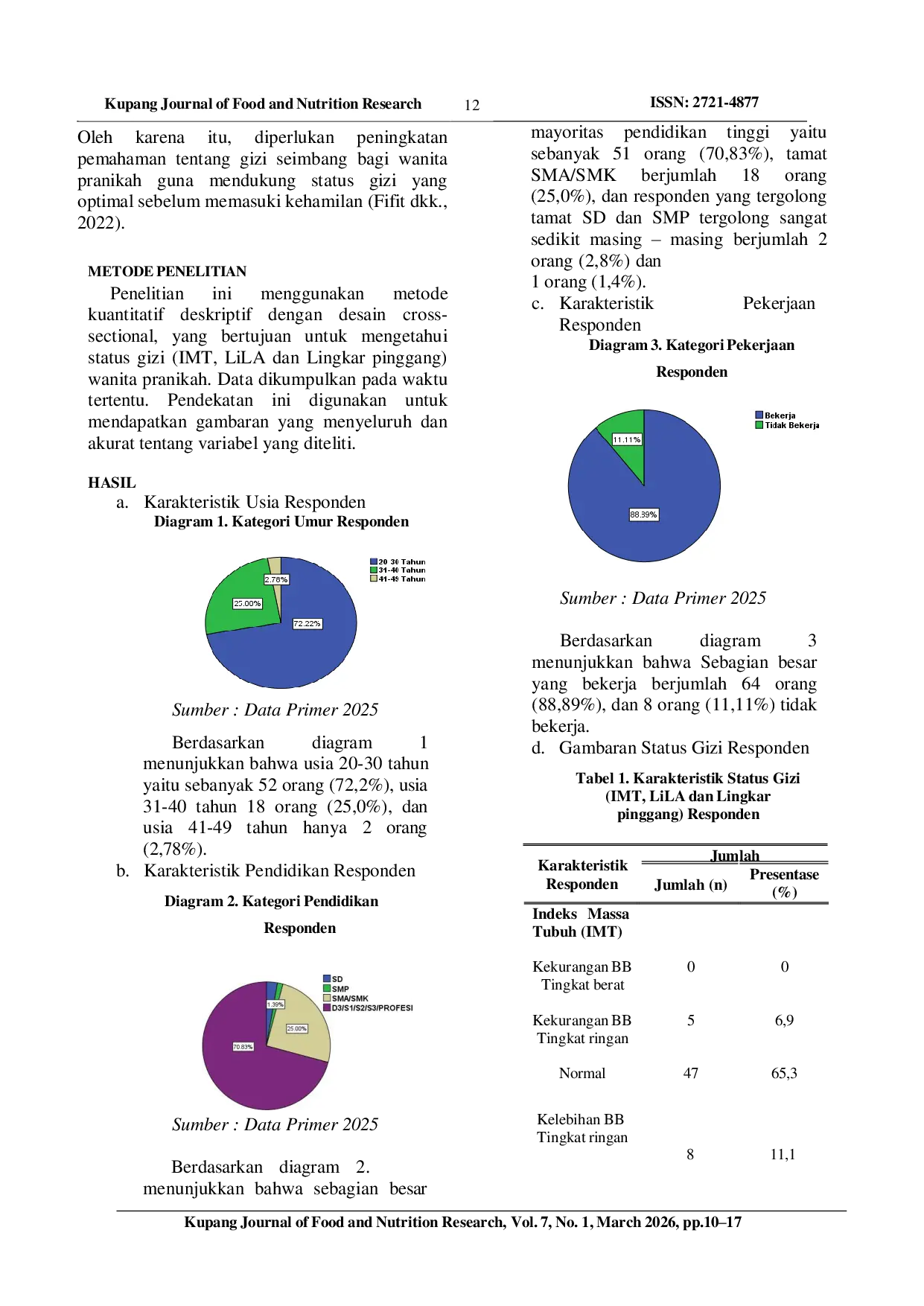
POLTEKKESKUPANGPOLTEKKESKUPANG 1% obese, while the prevalence of KEK was 28. 0% among pregnant women and 35. 7% among non-pregnant women. This study aims to determine the nutritional1% obese, while the prevalence of KEK was 28. 0% among pregnant women and 35. 7% among non-pregnant women. This study aims to determine the nutritional
UNWUNW Tingkat stres yang dialami responden sebagian besar masih berada dalam batas adaptif sehingga belum berdampak signifikan terhadap siklus menstruasi. SelainTingkat stres yang dialami responden sebagian besar masih berada dalam batas adaptif sehingga belum berdampak signifikan terhadap siklus menstruasi. Selain
UNWUNW Promosi kesehatan reproduksi di lingkungan pendidikan perlu diarahkan pada pendekatan yang lebih komprehensif, tidak hanya menekankan faktor biologis tetapiPromosi kesehatan reproduksi di lingkungan pendidikan perlu diarahkan pada pendekatan yang lebih komprehensif, tidak hanya menekankan faktor biologis tetapi
UMSUMS Berdasarkan temuan ini, para korban KBGO diharapkan dapat meningkatkan ketahanan mereka melalui kegiatan spiritual seperti menjurnal, meditasi, berpartisipasiBerdasarkan temuan ini, para korban KBGO diharapkan dapat meningkatkan ketahanan mereka melalui kegiatan spiritual seperti menjurnal, meditasi, berpartisipasi
UMSUMS Pendekatan ini mencakup aspek fisik, psikologis, sosial, dan spiritual, guna memastikan kesiapan ibu hamil dalam menghadapi proses persalinan normal yangPendekatan ini mencakup aspek fisik, psikologis, sosial, dan spiritual, guna memastikan kesiapan ibu hamil dalam menghadapi proses persalinan normal yang
Useful /
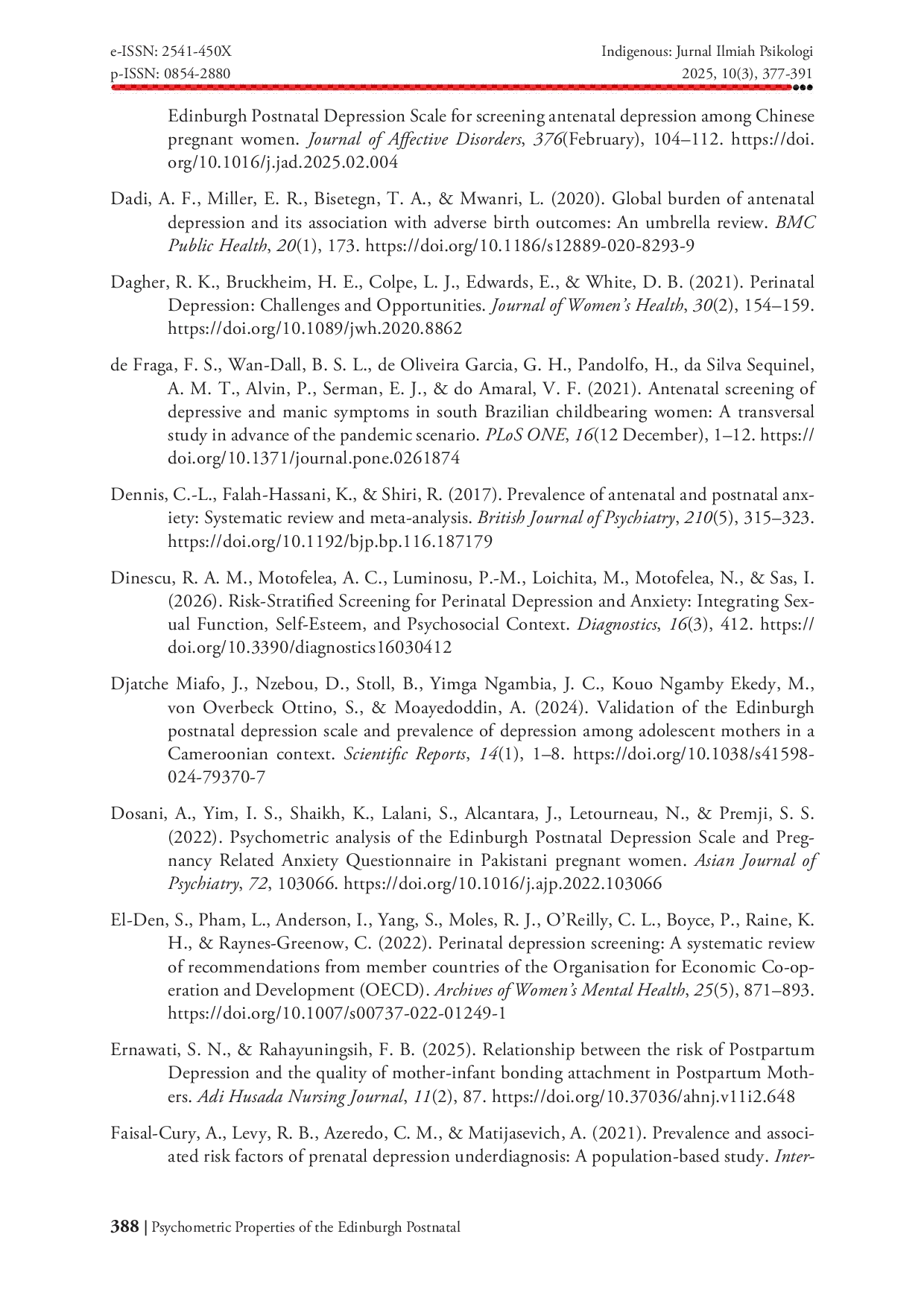
UMSUMS Pencarian literatur mencakup karya yang diterbitkan antara tahun 2021 dan 2025, menggunakan kombinasi kata kunci Depresi, Edinburgh Postnatal DepressionPencarian literatur mencakup karya yang diterbitkan antara tahun 2021 dan 2025, menggunakan kombinasi kata kunci Depresi, Edinburgh Postnatal Depression
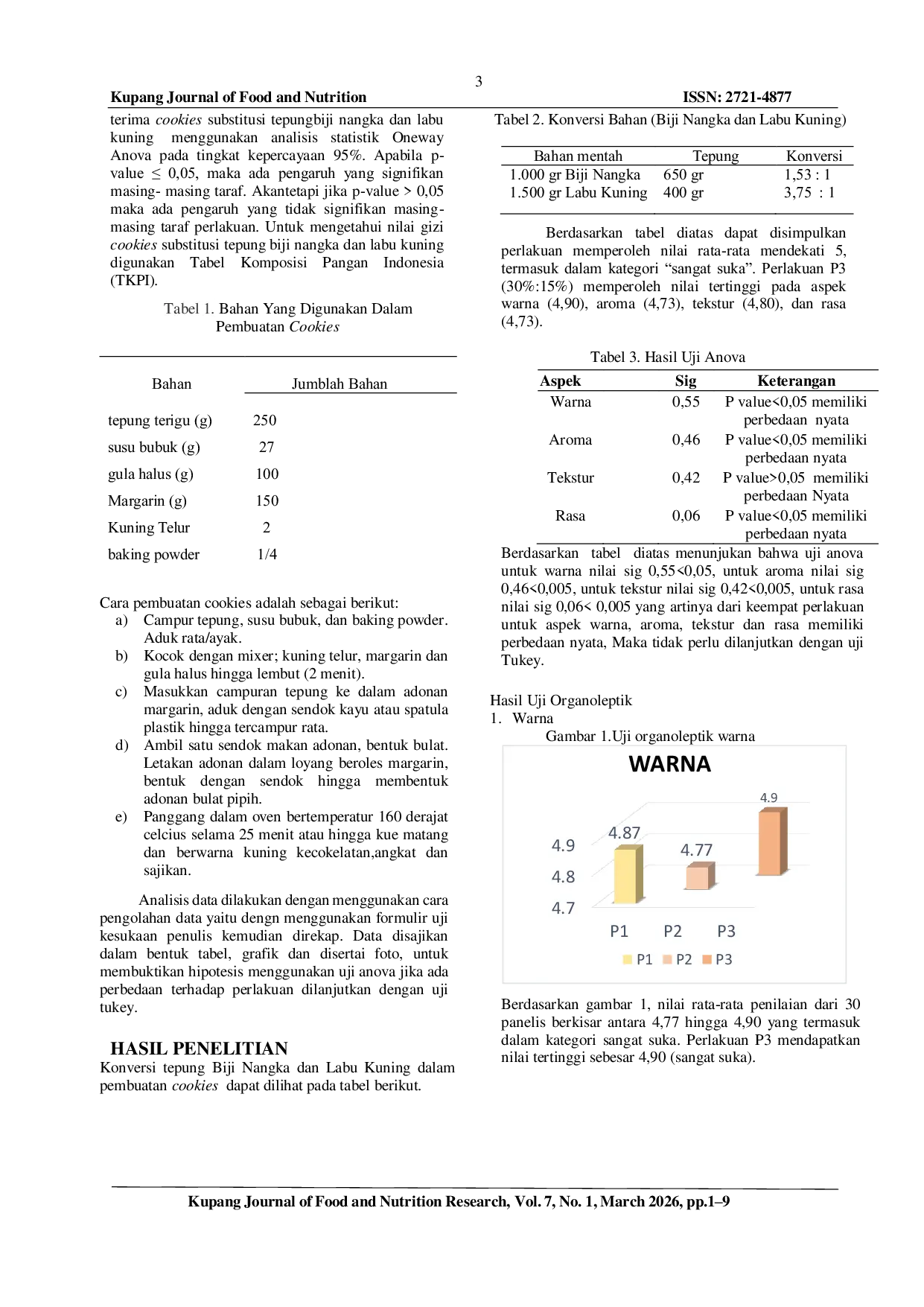
POLTEKKESKUPANGPOLTEKKESKUPANG To meet 10% of the daily iron requirement for adolescent girls, it is recommended to consume 11 pieces of P1 cookies. Conclusion: Substitution of jackfruitTo meet 10% of the daily iron requirement for adolescent girls, it is recommended to consume 11 pieces of P1 cookies. Conclusion: Substitution of jackfruit
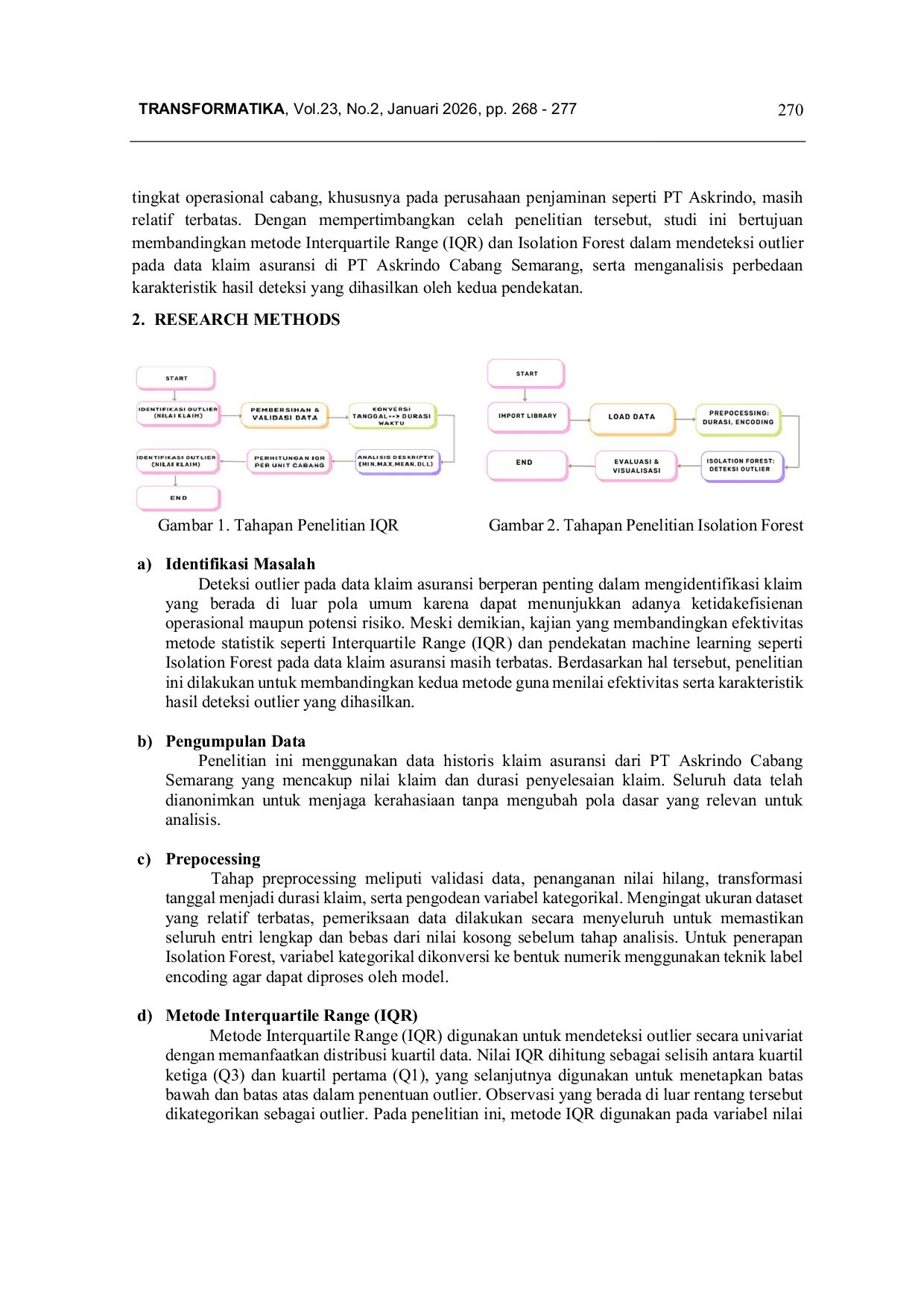
USMUSM Studi ini memberikan perbandingan empiris berbasis data riil industri asuransi yang menegaskan perbedaan karakteristik sehingga memperjelas dasar metodologisStudi ini memberikan perbandingan empiris berbasis data riil industri asuransi yang menegaskan perbedaan karakteristik sehingga memperjelas dasar metodologis
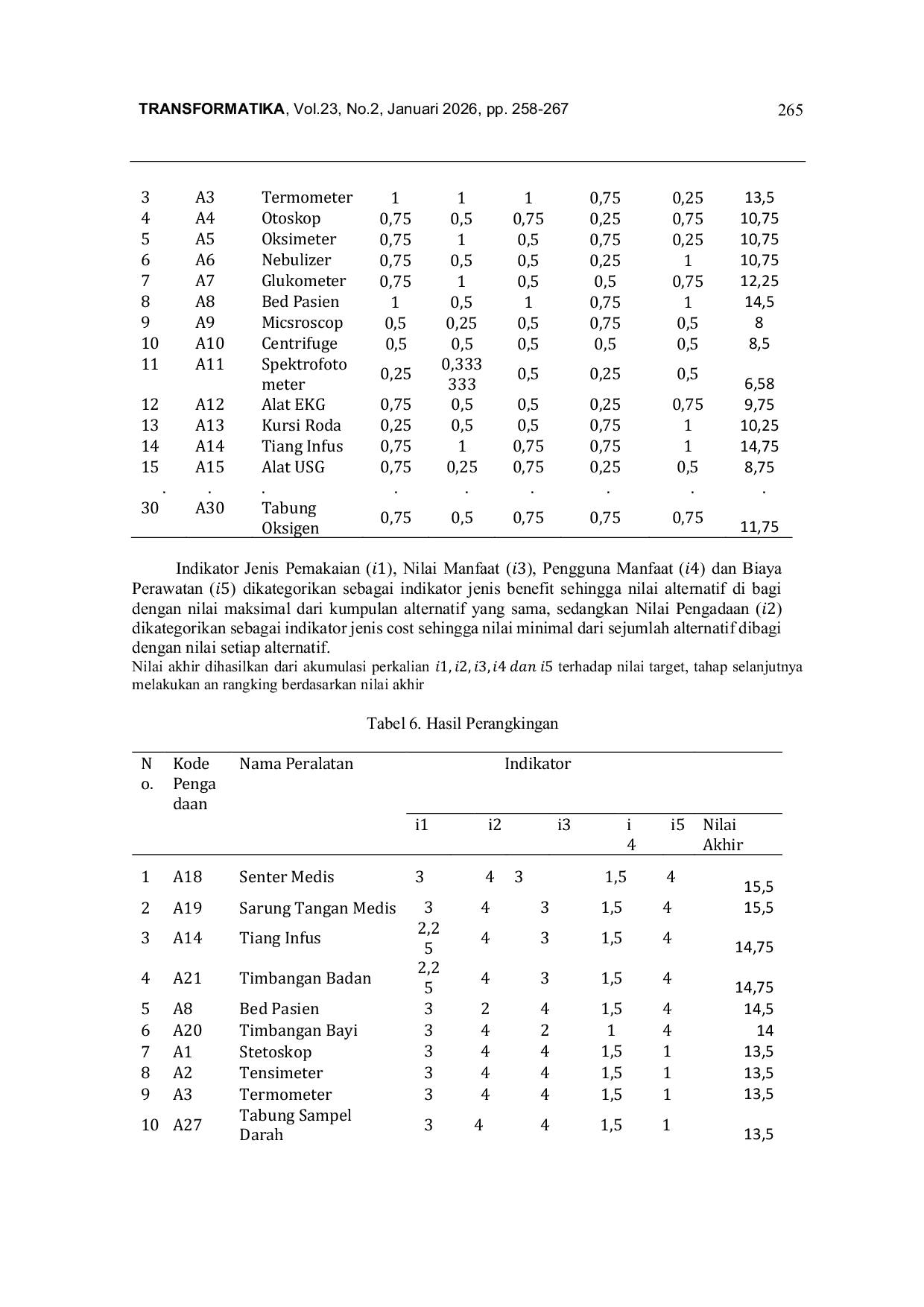
USMUSM Permasalahan yang ada selama ini adalah persetujuan ajuan anggaran belum optimal, yaitu tanpa mempertimbangkan skala prioritas dan tingkat kebutuhan peralatanPermasalahan yang ada selama ini adalah persetujuan ajuan anggaran belum optimal, yaitu tanpa mempertimbangkan skala prioritas dan tingkat kebutuhan peralatan