UNESAUNESA
Journal of Exercise Physiology and Health SciencesJournal of Exercise Physiology and Health SciencesBeing overweight and obese has developed into a significant public health problem worldwide. Obesity is a major risk factor for diabetes, cardiovascular disease, and other diseases. Therefore, effective weight management strategies are urgently needed. Aerobic exercise is considered effective for lowering body fat percentage and improving overall health. However, further research is needed on the role of exercise motivation in improving aerobic exercise results. The study involved adult participants aged 18 to 50 years with varying levels of fitness, and used a factorial experimental design to investigate how exercise motivation and various models of aerobic exercise impacted the reduction of body fat percentage. Over the course of twelve weeks, participants were divided into groups based on a model of low, moderate, and high-intensity aerobic exercise. The results showed that the combination of the aerobic exercise model and the motivation level of the participants had a great influence on the reduction of body fat. Participants who did high-intensity aerobic exercise and had low levels of motivation experienced only a 0.5% reduction in body fat. The findings of this study emphasize how important it is to create an environment that supports and motivates people to actively participate in exercise programs to achieve their health and fitness goals. The study also provides important insights for fitness trainers and healthcare professionals in building more targeted and efficient weight loss programs.
The results of this study demonstrate that both the aerobic exercise model and the level of exercise motivation significantly impact body fat percentage reduction.The combination of high-intensity aerobic exercise and high motivation proves to be the most effective strategy for reducing body fat.These findings offer valuable insights for fitness trainers and healthcare professionals in designing more effective and targeted weight loss programs.
Penelitian lebih lanjut dapat dilakukan untuk mengeksplorasi pengaruh faktor-faktor psikologis lain, seperti dukungan sosial dan kepercayaan diri, terhadap efektivitas program penurunan berat badan berbasis latihan aerobik. Selain itu, studi komparatif yang membandingkan berbagai jenis latihan aerobik, termasuk latihan interval intensitas tinggi (HIIT) dan latihan daya tahan, dengan mempertimbangkan tingkat motivasi peserta, dapat memberikan pemahaman yang lebih mendalam tentang pendekatan terbaik untuk menurunkan lemak tubuh. Terakhir, penelitian di masa depan dapat berfokus pada pengembangan intervensi yang dipersonalisasi yang disesuaikan dengan tingkat motivasi individu dan preferensi latihan untuk memaksimalkan hasil penurunan berat badan dan meningkatkan kepatuhan jangka panjang terhadap program latihan.
- Kim and Cho: The effects of empowered motivation on exercise adherence and physical fitness in college... doi.org/10.12965/jer.130011Kim and Cho The effects of empowered motivation on exercise adherence and physical fitness in college doi 10 12965 jer 130011
- Effects of high-impact aerobics vs. low-impact aerobics and strength training in overweight and obese... minervamedica.it/en/journals/sports-med-physical-fitness/article.php?cod=R40Y2017N03A0278Effects of high impact aerobics vs low impact aerobics and strength training in overweight and obese minervamedica it en journals sports med physical fitness article php cod R40Y2017N03A0278
- Obesity and Cardiovascular Disease | Arteriosclerosis, Thrombosis, and Vascular Biology. obesity disease... ahajournals.org/doi/10.1161/01.ATV.0000216787.85457.f3Obesity and Cardiovascular Disease Arteriosclerosis Thrombosis and Vascular Biology obesity disease ahajournals doi 10 1161 01 ATV 0000216787 85457 f3
| File size | 450.09 KB |
| Pages | 6 |
| DMCA | Report |
Related /

UIN SGDUIN SGD Penelitian juga mengidentifikasi ketiadaan hukum kesehatan masyarakat global yang secara langsung mengatur penyemaian awan. Penelitian menyimpulkan bahwaPenelitian juga mengidentifikasi ketiadaan hukum kesehatan masyarakat global yang secara langsung mengatur penyemaian awan. Penelitian menyimpulkan bahwa

UIN SGDUIN SGD Bersama-sama, reformasi ini akan mengakar perlindungan anak sebagai mandat hukum dan kenyataan operasional. Penelitian ini berkontribusi pada literaturBersama-sama, reformasi ini akan mengakar perlindungan anak sebagai mandat hukum dan kenyataan operasional. Penelitian ini berkontribusi pada literatur

UIN SGDUIN SGD Melalui pendekatan kualitatif dengan metode normatif dan historis, penelitian ini menganalisis perkembangan norma hukum internasional dan nasional yangMelalui pendekatan kualitatif dengan metode normatif dan historis, penelitian ini menganalisis perkembangan norma hukum internasional dan nasional yang
UIN SGDUIN SGD Implikasi dari penelitian ini menegaskan pentingnya sinkronisasi regulasi antara pusat dan daerah, serta urgensi perumusan Perkada sebagai dasar operasionalImplikasi dari penelitian ini menegaskan pentingnya sinkronisasi regulasi antara pusat dan daerah, serta urgensi perumusan Perkada sebagai dasar operasional

UIN SGDUIN SGD Teknik pengambilan data melalui wawancara mendalam dan observasi. Temuan dari lapangan memperlihatkan penggadai masih berkuasa atas tanah tempat tumbuhnyaTeknik pengambilan data melalui wawancara mendalam dan observasi. Temuan dari lapangan memperlihatkan penggadai masih berkuasa atas tanah tempat tumbuhnya
UIN SGDUIN SGD Karya ini bertujuan untuk menganalisis peraturan perundang-undangan tentang status hukum orang asing dalam proses perdata, yang memberikan kesempatan untukKarya ini bertujuan untuk menganalisis peraturan perundang-undangan tentang status hukum orang asing dalam proses perdata, yang memberikan kesempatan untuk

UIN SGDUIN SGD 6 Tahun 2023), dan Undang-Undang Pokok Agraria (UU No. 5 Tahun 1960). Kajian ini mengintegrasikan pendekatan normatif, kelembagaan, dan komparatif untuk6 Tahun 2023), dan Undang-Undang Pokok Agraria (UU No. 5 Tahun 1960). Kajian ini mengintegrasikan pendekatan normatif, kelembagaan, dan komparatif untuk
UIN SGDUIN SGD Penggunaan Big Data dalam investigasi kriminal berpotensi secara fundamental mengubah cara lembaga penegak hukum beroperasi, memberikan petugas sumberPenggunaan Big Data dalam investigasi kriminal berpotensi secara fundamental mengubah cara lembaga penegak hukum beroperasi, memberikan petugas sumber
Useful /
LMULMU , 2021; Kolay & Rahman, 2016). Oleh karena itu, strategi perencanaan yang tepat diperlukan untuk mengatasi tantangan geoteknik ini, khususnya dalam desain, 2021; Kolay & Rahman, 2016). Oleh karena itu, strategi perencanaan yang tepat diperlukan untuk mengatasi tantangan geoteknik ini, khususnya dalam desain
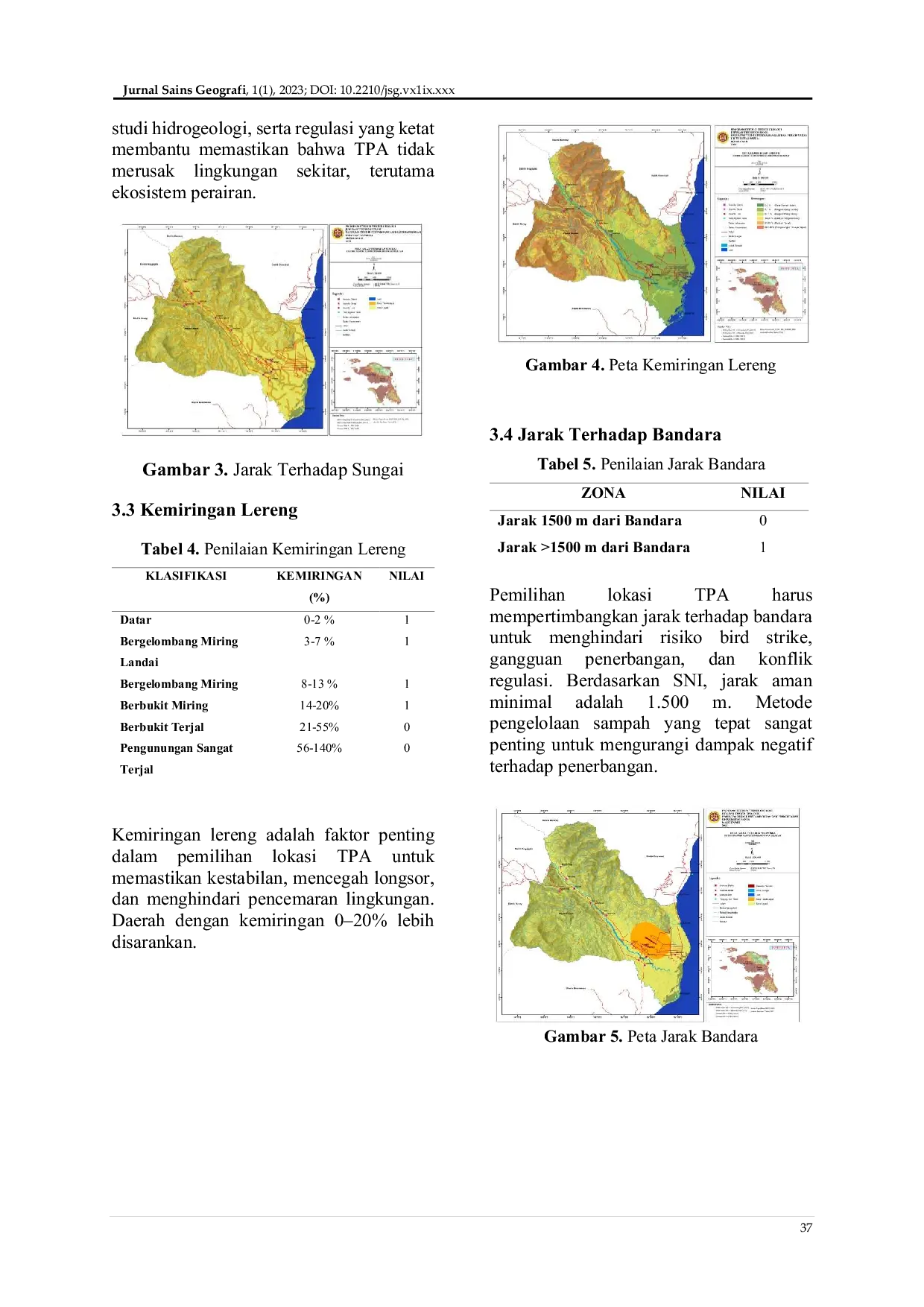
UNJUNJ Pertambahan jumlah kependudukan Distrik Ransiki Kabupaten Manokwari Selatan mencapai 16.245 jiwa pada tahun 2020. Namun hingga saat ini belum adanya TPAPertambahan jumlah kependudukan Distrik Ransiki Kabupaten Manokwari Selatan mencapai 16.245 jiwa pada tahun 2020. Namun hingga saat ini belum adanya TPA

UNESAUNESA 3 pmol/l, while at high intensities (80% VO2max), levels increased significantly to about 16. 1 pmol/l. In addition, a comparison between HIIT (High-Intensity3 pmol/l, while at high intensities (80% VO2max), levels increased significantly to about 16. 1 pmol/l. In addition, a comparison between HIIT (High-Intensity
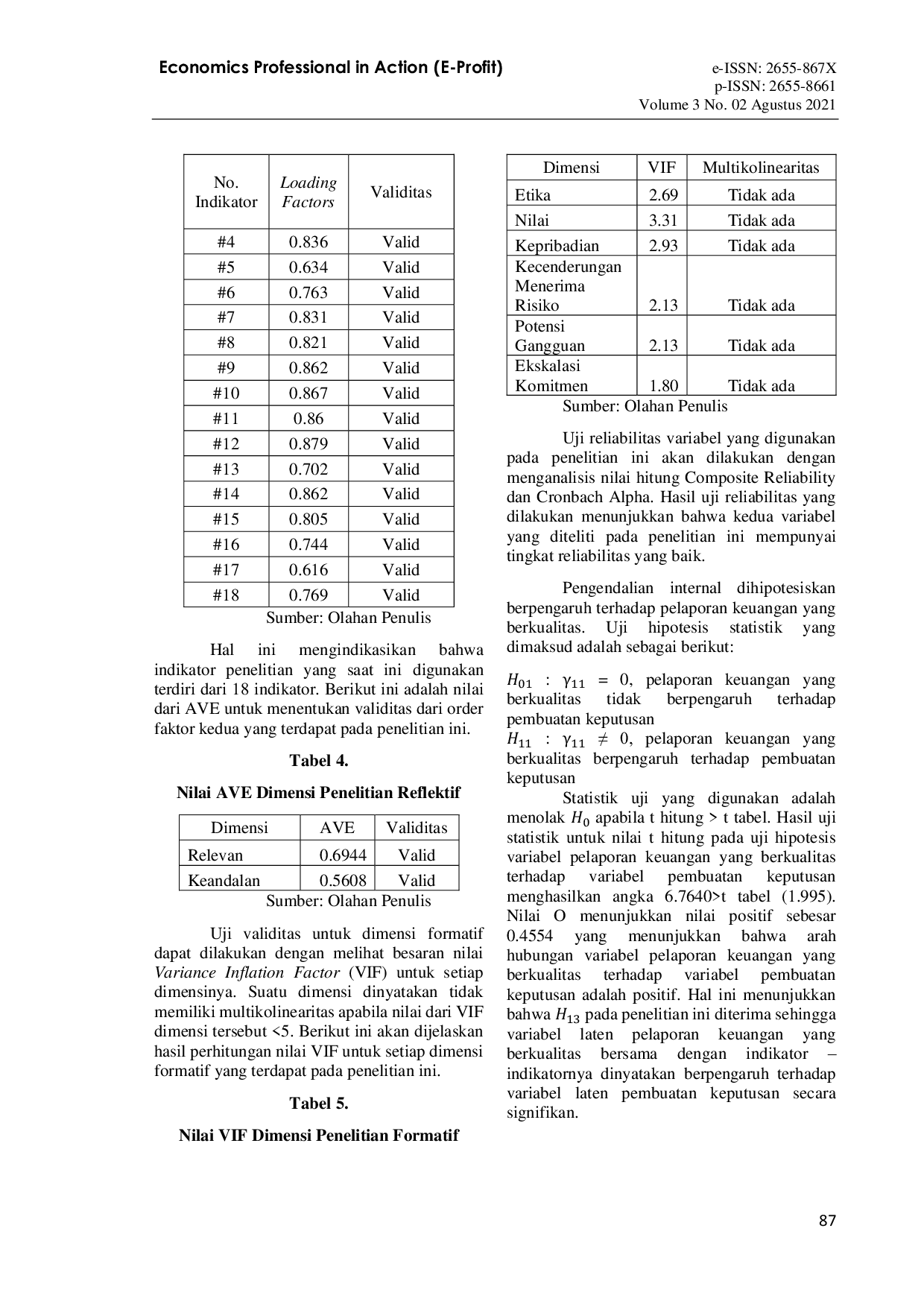
UNIBIUNIBI Teknik pengambilan sampel yang dilakukan adalah pengambilan sampel secara acak terstratifikasi. Hasil analisis pada penelitian ini menunjukkan pelaporanTeknik pengambilan sampel yang dilakukan adalah pengambilan sampel secara acak terstratifikasi. Hasil analisis pada penelitian ini menunjukkan pelaporan