STKIP SINGKAWANGSTKIP SINGKAWANG
VariabelVariabelThe photovoltaic experiment provided a simple, affordable method to determine Plancks constant through empirical learning. This experiment allowed students to present concrete low-cost materials. The data using easily available, low-cost materials. The experiment utilised a photovoltaic method, employing a simple, self-designed setup that used three laser pointers with wavelengths of 650nm (red), 535nm (green), and 405nm (blue) as independent variables. A 6V, 1W mini solar cell was used as the target, while the speed of light and electron charge were treated as control variables. The laser pointers were powered by a 3V battery. The data were analysed by plotting the relationship between 1/λ (inverse wavelength) and the measured voltage as linear regression analysis was performed to obtain the gradient, which was used to calculate Plancks constant. The experiment yielded a calculated Plancks constant of 7.09×10⁻³⁵Js, with a deviation of 5.69 x 10⁻³⁴Js, resulting in a relative error of 8.89%. This relative error could be attributed to several factors, including refraction effects caused by the glass layer and adhesive used to protect the semiconductor plate of the solar cell, as well as discrepancies between the actual wavelengths of the laser beams and the labelled wavelengths on the laser pointers.
In conclusion, a photoelectric effect experiment was successfully conducted using a simple apparatus consisting of three laser pointers—red, green, and blue—directed at a solar cell to produce an electric voltage.Through linear regression analysis of the resulting graph, the gradient value was used to determine Plancks constant, yielding a value of 7.This result showed a deviation of 5.69 × 10⁻³⁴Js, with a relative error of 8.
Berdasarkan hasil penelitian ini, terdapat beberapa saran untuk penelitian lanjutan yang dapat dilakukan. Pertama, penelitian lebih lanjut dapat dilakukan dengan menggunakan laser pointer yang memiliki akurasi panjang gelombang yang lebih tinggi untuk mengurangi kesalahan pengukuran. Kedua, perlu dilakukan investigasi lebih mendalam mengenai pengaruh lapisan kaca dan perekat pada solar cell terhadap refraksi cahaya dan dampaknya terhadap perhitungan konstanta Planck. Ketiga, penelitian dapat diperluas dengan menguji berbagai jenis solar cell dengan karakteristik material yang berbeda untuk melihat apakah terdapat perbedaan signifikan dalam hasil pengukuran konstanta Planck. Penelitian-penelitian ini diharapkan dapat memberikan pemahaman yang lebih komprehensif mengenai efek fotovoltaik dan konstanta Planck, serta meningkatkan kualitas pembelajaran fisika modern melalui eksperimen yang lebih akurat dan terpercaya. Dengan demikian, mahasiswa dan peserta didik dapat memperoleh pengalaman empiris yang lebih baik dalam memahami konsep-konsep fisika kuantum.
| File size | 476.5 KB |
| Pages | 8 |
| DMCA | Report |
Related /

UKITORAJAUKITORAJA Teknik pengumpulan data menggunakan tes praktik dan observasi dengan instrumen lembar penilaian kreativitas berdasarkan indikator Torrance, yaitu kelancaran,Teknik pengumpulan data menggunakan tes praktik dan observasi dengan instrumen lembar penilaian kreativitas berdasarkan indikator Torrance, yaitu kelancaran,
UIJUIJ Banyak siswa yang berada di kelas 1, 2, 3 bahkan kelas 4 sekolah dasar sebelumnya mengalami kesulitan dalam aktivitas membaca sebelum bergabung denganBanyak siswa yang berada di kelas 1, 2, 3 bahkan kelas 4 sekolah dasar sebelumnya mengalami kesulitan dalam aktivitas membaca sebelum bergabung dengan

PUBLIKASIINDONESIAPUBLIKASIINDONESIA Artikel ini meninjau evolusi konsep Tritunggal dan Kontroversi Arian, memahami perbedaan argumen Arius dan Athanasius, serta bagaimana Athanasius menjadiArtikel ini meninjau evolusi konsep Tritunggal dan Kontroversi Arian, memahami perbedaan argumen Arius dan Athanasius, serta bagaimana Athanasius menjadi

PUBLIKASIINDONESIAPUBLIKASIINDONESIA Tingkat stres diukur menggunakan kuesioner DASS 42, sementara kejadian amenore sekunder ditentukan berdasarkan riwayat menstruasi mahasiswi. Analisis dataTingkat stres diukur menggunakan kuesioner DASS 42, sementara kejadian amenore sekunder ditentukan berdasarkan riwayat menstruasi mahasiswi. Analisis data
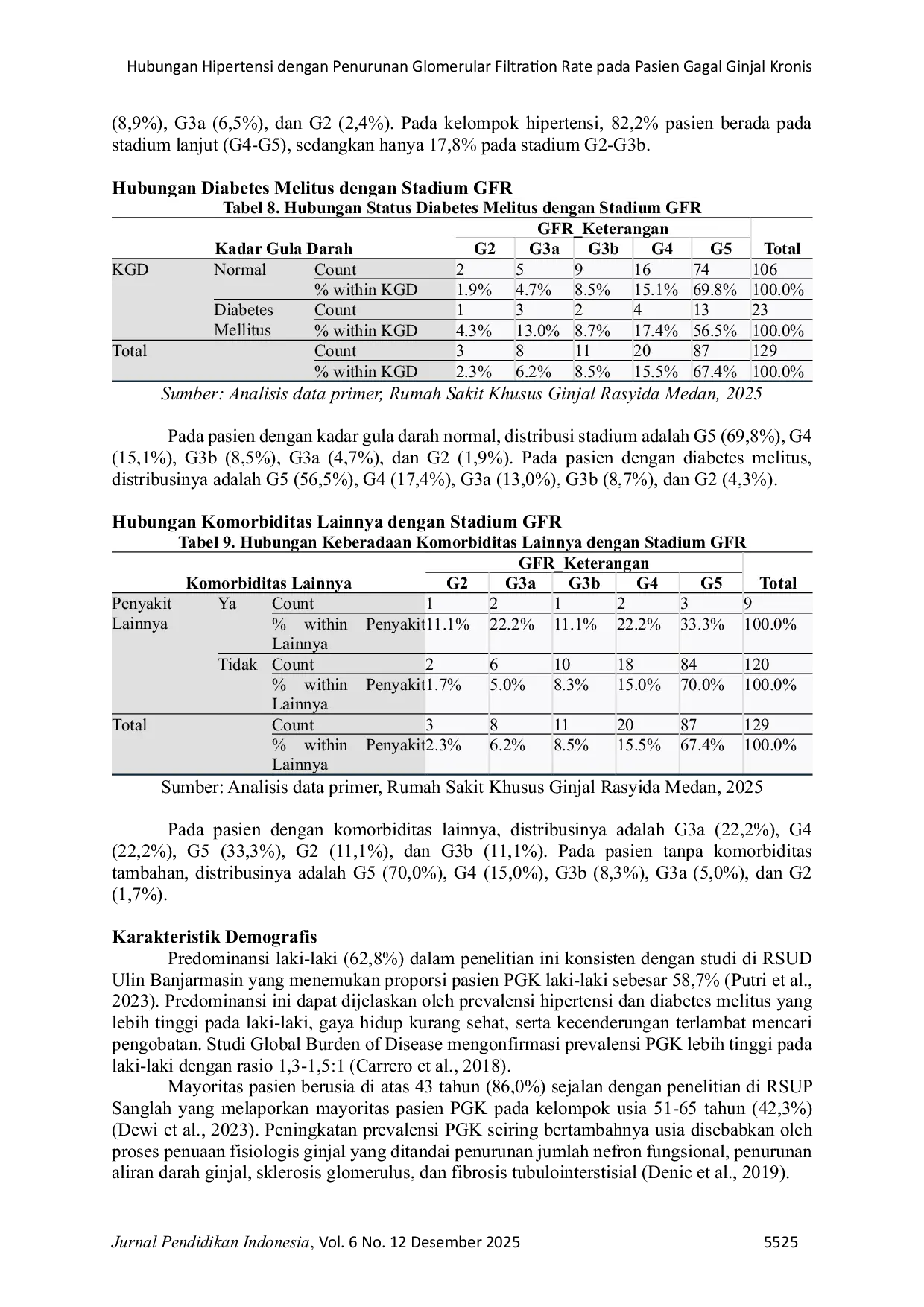
PUBLIKASIINDONESIAPUBLIKASIINDONESIA Penelitian ini menyimpulkan terdapat hubungan bidireksional antara hipertensi dengan penurunan GFR pada pasien gagal ginjal kronis. Prevalensi hipertensiPenelitian ini menyimpulkan terdapat hubungan bidireksional antara hipertensi dengan penurunan GFR pada pasien gagal ginjal kronis. Prevalensi hipertensi

PUBLIKASIINDONESIAPUBLIKASIINDONESIA Penelitian observasional ini menggunakan rancangan cross-sectional pada 60 orang pasien Artritis Reumatoid (AR) di Rumah Sakit Umum Royal Prima yang dipilihPenelitian observasional ini menggunakan rancangan cross-sectional pada 60 orang pasien Artritis Reumatoid (AR) di Rumah Sakit Umum Royal Prima yang dipilih

UNIKSUNIKS Artinya peran ayah dan ibu dalam keluarga menjadi hal terpenting dalam pembentukan karakter anak ini. Selain itu tanggung jawab orang tua terhadap pembentukanArtinya peran ayah dan ibu dalam keluarga menjadi hal terpenting dalam pembentukan karakter anak ini. Selain itu tanggung jawab orang tua terhadap pembentukan

IAESCOREIAESCORE A load prediction system is developed in this research based on the information gathered from reverse extrusion forge analysis and artificial intelligenceA load prediction system is developed in this research based on the information gathered from reverse extrusion forge analysis and artificial intelligence
Useful /

UKITORAJAUKITORAJA Oleh karena itu, guru disarankan untuk memanfaatkan bahan ajar berbasis kearifan lokal dalam pembelajaran. Berdasarkan hasil penelitian dan pembahasanOleh karena itu, guru disarankan untuk memanfaatkan bahan ajar berbasis kearifan lokal dalam pembelajaran. Berdasarkan hasil penelitian dan pembahasan

UKITORAJAUKITORAJA Oleh karena itu, diperlukan pengembangan model administrasi pendidikan yang adaptif dan terintegrasi serta penelitian lanjutan untuk menyesuaikan kebijakanOleh karena itu, diperlukan pengembangan model administrasi pendidikan yang adaptif dan terintegrasi serta penelitian lanjutan untuk menyesuaikan kebijakan
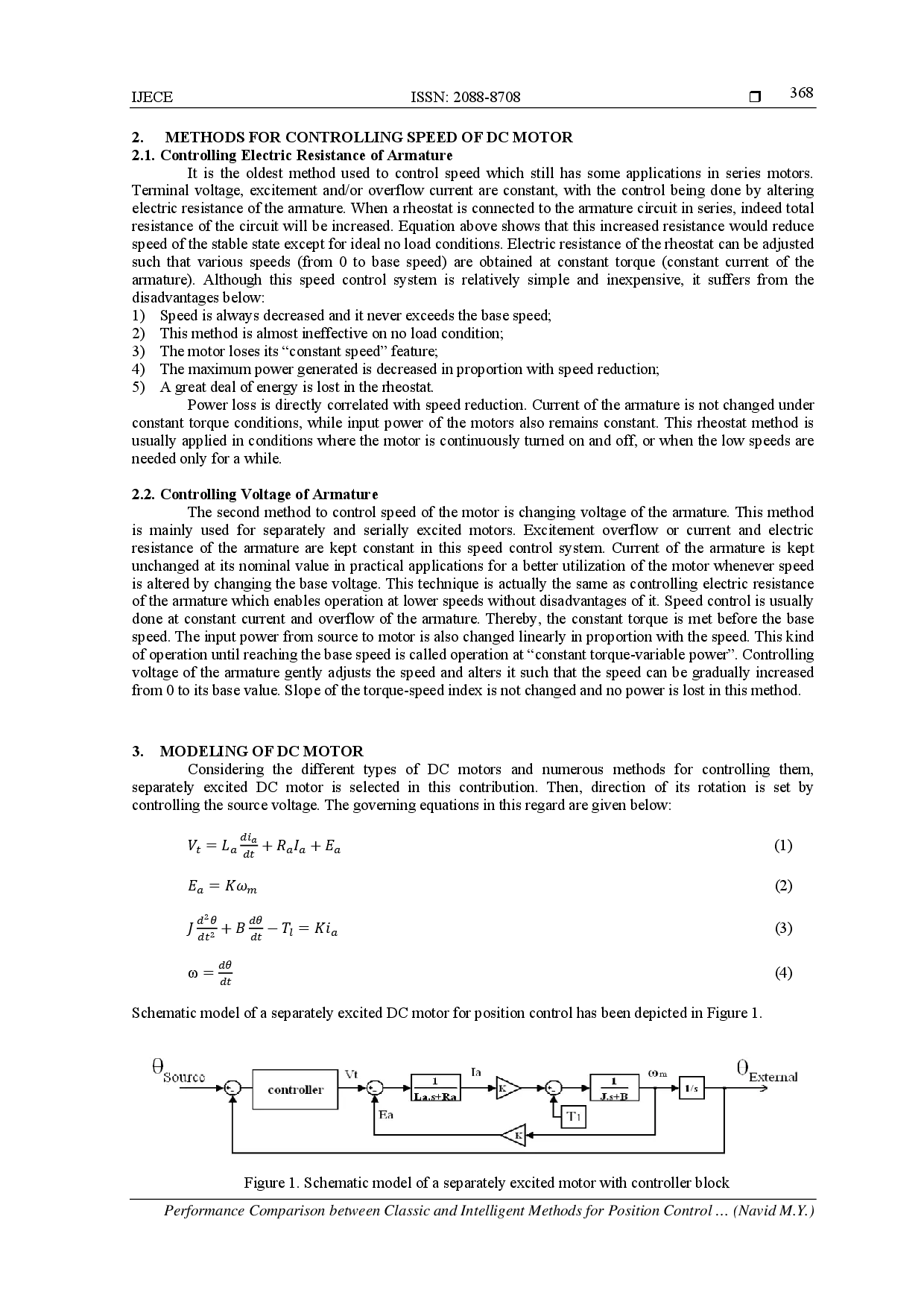
IAESCOREIAESCORE Kontrol motor DC dilakukan dengan mengontrol tegangan atau medan armaturnya. Berbagai metode, termasuk metode cerdas seperti XCSR dan sistem pembelajaranKontrol motor DC dilakukan dengan mengontrol tegangan atau medan armaturnya. Berbagai metode, termasuk metode cerdas seperti XCSR dan sistem pembelajaran

IAESCOREIAESCORE Untuk meratakan kecerahan citra, digunakan adaptive histogram equalization sehingga latar belakang tampak lebih gelap dan tingkat keabuan pembuluh darahUntuk meratakan kecerahan citra, digunakan adaptive histogram equalization sehingga latar belakang tampak lebih gelap dan tingkat keabuan pembuluh darah