GOACADEMICAGOACADEMICA
AKSELERASI: Jurnal Ilmiah NasionalAKSELERASI: Jurnal Ilmiah NasionalThis study analyzes the social capital of community mobilization cadres in Antapani Sub-district, which serve as intermediaries between the community and the government in meeting the needs of urban communities. The main focus of this study is on the reconstruction of social capital towards the resilience of community mobilizers based on Gender Equity, Disability, and Social Inclusion (GEDSI). This research was conducted using the phenomenological method involving 3 stages of research. The research shows that community activist cadres in Antapani sub-district have social capital that can be reconstructed based on gender equity, disability, and social inclusion. The reconstruction of social capital is trust, social networks, and norms. The study identified a deep need for additional training to improve advocacy skills and regulatory understanding. Gender differences affect how cadres build networks and trust. Empowerment through social inclusion programs and a better understanding of disability are critical to improving cadres effectiveness in serving marginalized groups. Reconstructing social capital with a GEDSI perspective is expected to strengthen the capacity of cadres to address various community needs, improve access, and build better relationships with diverse community groups. The findings highlight the need for a more inclusive and gender-equity-based approach to enhance the role and effectiveness of community cadres.
The study reveals that community mobilizers in Antapani possess social capital that can be reconstructed based on Gender Equity, Disability, and Social Inclusion (GEDSI), encompassing trust, social networks, and norms.Further training is crucial to enhance advocacy skills and regulatory understanding among cadres, as gender differences influence network building and trust.Ultimately, reconstructing social capital through a GEDSI lens is vital for strengthening cadres capacity to address community needs, improve access, and foster relationships with diverse groups.
Further research should investigate the specific strategies for effectively integrating GEDSI principles into the training programs for community cadres, moving beyond awareness to practical application. Additionally, a comparative study examining the social capital reconstruction processes in different sub-districts with varying socio-economic contexts could reveal valuable insights into contextual factors influencing success. Finally, longitudinal research is needed to assess the long-term impact of GEDSI-focused social capital reconstruction on the resilience and effectiveness of community cadres, tracking changes in their ability to address evolving community needs and advocate for marginalized groups over time. These studies will contribute to a more nuanced understanding of how to empower community cadres to build inclusive and resilient communities, requiring approximately 180 words to fully explore these avenues of inquiry.
| File size | 122.03 KB |
| Pages | 8 |
| DMCA | Report |
Related /

UNDIPUNDIP Penelitian ini menganalisis jalur transisi energi dengan horizon perencanaan hingga 2040 untuk memperluas kapasitas pembangkit listrik di seluruh KalimantanPenelitian ini menganalisis jalur transisi energi dengan horizon perencanaan hingga 2040 untuk memperluas kapasitas pembangkit listrik di seluruh Kalimantan
RCSDEVELOPMENTRCSDEVELOPMENT Pelaksanaan pelatihan menyikat gigi terstruktur di TK Kristen Anugerah Jakarta terbukti efektif dalam meningkatkan kebiasaan kebersihan mulut anak pra‑sekolahPelaksanaan pelatihan menyikat gigi terstruktur di TK Kristen Anugerah Jakarta terbukti efektif dalam meningkatkan kebiasaan kebersihan mulut anak pra‑sekolah

UMPUMP Peningkatan pengetahuan dan keterampilan menyikat gigi dapat dilakukan melalui pendidikan dengan media permainan. Data masalah gigi di Puskesmas BelikPeningkatan pengetahuan dan keterampilan menyikat gigi dapat dilakukan melalui pendidikan dengan media permainan. Data masalah gigi di Puskesmas Belik

UNARUNAR Penelitian ini bertujuan menjelaskan analisis asuhan keperawatan pada pasien diabetes mellitus dengan inovasi intervensi jamu (jahe dan madu) di RSUD Wangaya,Penelitian ini bertujuan menjelaskan analisis asuhan keperawatan pada pasien diabetes mellitus dengan inovasi intervensi jamu (jahe dan madu) di RSUD Wangaya,
SARI MUTIARASARI MUTIARA Tujuan penelitian adalah untuk mengetahui pengaruh pendidikan kesehatan gigi dan mulut dengan metode simulasi dan demonstrasi terhadap kemampuan menyikatTujuan penelitian adalah untuk mengetahui pengaruh pendidikan kesehatan gigi dan mulut dengan metode simulasi dan demonstrasi terhadap kemampuan menyikat
SARI MUTIARASARI MUTIARA Tujuannpenelitiann inih adalahh untukk mengetahui hubungann antara dukungannkeluargaddalam pemberiannASI selektif dengan angka hambatan pada bayi usiaTujuannpenelitiann inih adalahh untukk mengetahui hubungann antara dukungannkeluargaddalam pemberiannASI selektif dengan angka hambatan pada bayi usia
SARI MUTIARASARI MUTIARA Berdasarkan hasil pemantauan menggunakan teknologi Onlimo, status mutu air Sungai Cileungsi pada tanggal 10 Mei 2023 menunjukkan kategori cemar berat.Berdasarkan hasil pemantauan menggunakan teknologi Onlimo, status mutu air Sungai Cileungsi pada tanggal 10 Mei 2023 menunjukkan kategori cemar berat.

SARI MUTIARASARI MUTIARA Vidio animasi tentang ASI eksklusif di Puskesmas Limbong terbukti efektif meningkatkan sikap positif ibu. Analisis statistik menunjukkan perbedaan signifikanVidio animasi tentang ASI eksklusif di Puskesmas Limbong terbukti efektif meningkatkan sikap positif ibu. Analisis statistik menunjukkan perbedaan signifikan
Useful /
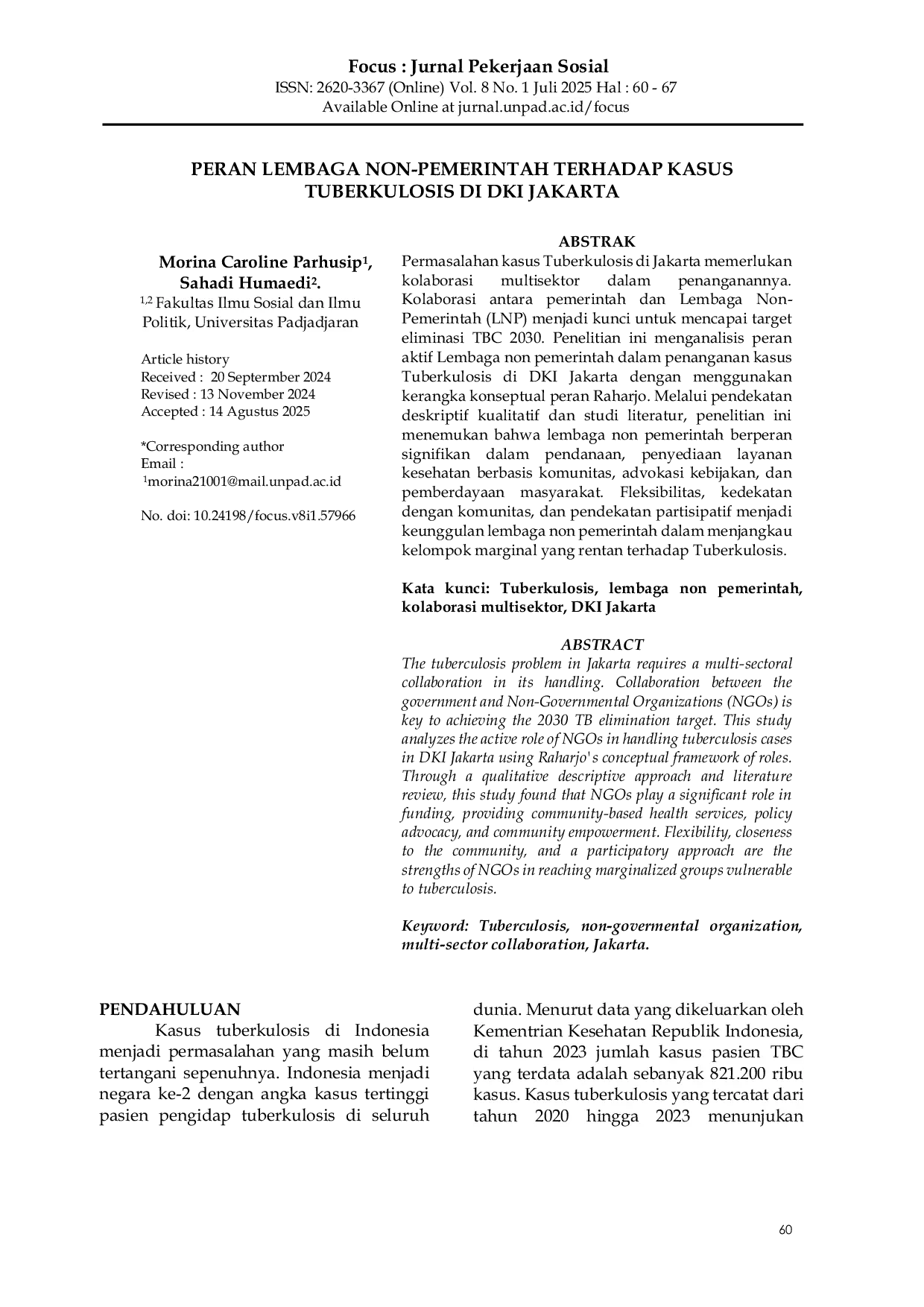
UNPADUNPAD Melalui pendekatan deskriptif kualitatif dan studi literatur, penelitian ini menemukan bahwa lembaga non pemerintah berperan signifikan dalam pendanaan,Melalui pendekatan deskriptif kualitatif dan studi literatur, penelitian ini menemukan bahwa lembaga non pemerintah berperan signifikan dalam pendanaan,

UNPADUNPAD Hasil kajian ini merekomendasikan pendekatan kolaboratif dan berkelanjutan, seperti kemitraan antara pemerintah, komunitas, serta penyedia teknologi, agarHasil kajian ini merekomendasikan pendekatan kolaboratif dan berkelanjutan, seperti kemitraan antara pemerintah, komunitas, serta penyedia teknologi, agar

IAIN PALANGKARAYAIAIN PALANGKARAYA This led some groups of the Samin community to accept and others to reject this interpretation. The article aimed to explore the implications of IslamicThis led some groups of the Samin community to accept and others to reject this interpretation. The article aimed to explore the implications of Islamic

UNIBUNIB Penelitian bertujuan mengetahui nilai status sumberdaya perikanan di perairan gugus Pulau Ayau, Raja Ampat pada domain teknik penangkapan ikan. PenilaianPenelitian bertujuan mengetahui nilai status sumberdaya perikanan di perairan gugus Pulau Ayau, Raja Ampat pada domain teknik penangkapan ikan. Penilaian